Search
Close
  • The Pattern Shop
  • Our Free Patterns
    • Browse All Our Free Patterns
    • Our Free Knitting Patterns
    • Our Free Crochet Patterns
  • Blog
    • All Blog Posts
    • All Free Patterns
    • Dibble Dabble Inspiration
    • Giveaways
    • Make-Alongs
    • Product Reviews
    • Roundups
    • Tips, Tricks, Techniques for Knitting and Crochet
Stylized bird with pink and gray swirling tail above elegant “Marly” text, logo for crochet accessories and home decor.
  • Marly Bird House
  • Learn to Knit & Crochet
    • Newbie? Start Here
    • Video Tutorials
    • Knitting Definitions
    • Crochet Definitions
    • Common Techniques
    • Size Charts for Knitting and Crochet Projects
  • About
×
  • The Pattern Shop
  • Free Patterns
  • Blog
  • Marly Bird House
  • Learn to Knit & Crochet
    • Newbie? Start Here
    • Video Tutorials
    • Knitting Definitions
    • Crochet Definitions
    • Common Techniques
    • Size Charts for Knitting and Crochet Projects
  • About
Stylized bird with pink and gray swirling tail above elegant “Marly” text, logo for crochet accessories and home decor.
Search
Close

New Patterns NOW Available in Ad-Free PDF! Check out The Pattern Shop

Knit Poncho — Free Knitting Pattern (Woobie Poncho from Turkey Trot 2019)

May 15, 2026 By Meg Leave a Comment

The Woobie Knit Poncho is a free knit poncho pattern by Marly Bird, originally designed for the 2019 Turkey Trot Mystery Make-Along and refreshed for Spring Fling 2026. Worked flat from the top down in Caron Latte Cakes #5 bulky cake gradient yarn, then folded and seamed. Adventurous beginner skill level. Sized S/M/L. Cozy enough to wear like a security blanket… but make it knitwear.

If you’ve been wanting to knit your first poncho, or you remember the 2019 Turkey Trot and have always wanted the full pattern in one clean place… this is the post. The original lived as three “clue” pages from the mystery make-along; now the whole thing is right here, refreshed, updated, and standalone.

Woman models a soft, blue-and-white striped knit poncho, showing its drape and textured stitches in three different poses.

Hey, bestie 💛

The Woobie Poncho holds a special place in my design archive. The original ran as a mystery make-along during Thanksgiving week 2019 and the community absolutely fell in love with it. The nickname “Woobie” stuck because it wears like a security blanket you can leave the house in. Cozy. Familiar. The thing you reach for when you want comfort but you also have to be a person in public.

What you’re getting today is the fully refreshed pattern… same beloved design, updated formatting, new photos, and our current standard layout. The construction is unchanged. The yarn is unchanged. It’s just the cleanest, easiest-to-follow version of the Woobie Poncho I’ve ever published.

Let’s get into it.

*This post contains affiliate links. By clicking one of the links and making a purchase, a small portion will go to support the blog. The price you pay does not change. Thank you for your support of the blog.*

⚠️ A quick yarn note: The Woobie Poncho was designed for Caron Latte Cakes, which is a Michaels-exclusive yarn. Yarnspirations now lists it as a retailer-exclusive that’s no longer in active production. Translation: you can still buy it at Michaels right now (and online while stock lasts), but eventually it’ll be gone. If you have Latte Cakes in your stash, this is the pattern for it. If you don’t, jump down to the Yarn & Materials section for substitute picks. 💙
Marly Bird wearing the Woobie Knit Poncho, a free knitting pattern with a cozy cowl neck and bulky cake gradient yarn

What You Will Love About the Woobie Knit Poncho 💖

🧣 It wears like a hug. The Woobie earned its nickname for a reason. The soft knit fabric drapes like a wearable blanket… but the built-in cowl, open lace detail, and asymmetrical shape mean it actually looks fashionable. Comfort that doesn’t compromise. That’s the whole brief.

🧶 It’s an adventurous-beginner knit. If you know how to knit, purl, yarn over, and k2tog, you can make this poncho. The lace pattern is a simple 8-row repeat that becomes second nature after the first few inches. No complicated shaping, no tricky construction — just flat knitting that turns into a wearable layer.

⏱️ It’s a weekend-pace project. Bulky yarn + big needles = fast knitting. The Woobie works up faster than most sweaters or shawls, and the finishing is just folding and seaming — no picking up stitches, no complicated edgings.

📏 Size-inclusive sizing (S / M / L with generous fit). Sized Small, Medium, and Large with body widths from 28¾” to 37¼” (folded in half) — and because a poncho drapes instead of fits to the body, the generous cut works beautifully across a wide range of body types and shapes. Adjustable length means you can make it shorter or longer to suit your style and your frame. This is a poncho that’s meant to feel good on YOU, not the other way around.

✈️ It’s a wearable travel blanket. The Woobie is one of those rare layers that doubles as a travel piece. Throw it on for a flight or train ride and you have a cozy blanket that keeps you warm without sacrificing free hands for your coffee, your phone, your kindle, or your knitting WIP. (Speaking of which — yes, you can absolutely knit on the plane. Here’s my popular guide to flying with knitting needles.) Throw it in your carry-on and your shoulders never get cold again. 🧣✈️

📄 Free Pattern here on the blog… ad-free PDF available too. The full pattern lives free right here on the blog. If you’d rather work from a clean ad-free PDF, I’ve got you covered below.

Woman wears a light blue and white striped knit poncho, showing drape and texture; features garter stitch details.

Quick Pattern Overview

🧶 Craft: Knitting

🌸 Pattern Name: Woobie Knit Poncho (originally designed for Turkey Trot 2019, refreshed 2026)

📏 Finished Size (S / M / L):

  • Cowl: 26 (34, 34)” [66 (86.5, 86.5) cm] around and 8″ [20.5 cm] in length
  • Body width: 28¾ (32¾, 37¼)” [73 (83, 94.5) cm] wide (folded in half)
  • Body length: 24 (24, 34)” [61 (61, 86.5) cm]

🎯 Skill Level: Adventurous Beginner

🧵 Yarn: Caron Latte Cakes — #5 Bulky cake gradient yarn (Michaels-exclusive, limited availability). See Yarn & Materials below for substitute picks.

🪡 Needles: U.S. 10 [6 mm] 48″ [122 cm] or longer circular needle (worked flat in rows — circulars hold the full width)

🪝 Crochet Hook: Size J/10 [6 mm] — used only to make the drawstring

📐 Construction: Worked flat from the top down (cowl first, then body), then folded in half and seamed. Drawstring threaded through cowl eyelet row (optional).

📊 Gauge: 12 sts and 24 rows = 4″ in Cowl Lace Pattern. Note: Latte Cakes has good stretch — account for it when measuring gauge.


A woman models a light blue knit poncho with textured stitches, standing in a cozy room near the Woofie Poncho pattern display.
Etsy
Shopify
Ravelry

Love the Pattern but Want an Ad-Free PDF? ⭐

The Woobie Knit Poncho pattern is FREE right here on the blog… but if you’d rather work from a clean, printable, ad-free PDF (with schematic and no scrolling), I have you covered.

Grab the ad-free PDF in the shop of your choice:

  • 🛒 Shopify (shop.marlybird.com)
  • 🛍️ Etsy
  • 💛 Ravelry

Get the latest Marly Bird patterns + bestie-only deals in your inbox every week. 💛

Join our Newsletter

Get Free Crochet & Knitting
Pattern Links & Coupons!
Hand-drawn bird with curling, detailed feathers and pink accents; cheerful pose showcases fine line and texture work.
>> Become An Insider <<
A woman with glasses and curly hair models a colorful crocheted scarf, showing textured stitches and vibrant yarn.

Is the Woobie Knit Poncho Right for You?

This pattern is a great fit if…

✅ You’re an adventurous beginner ready to knit your first poncho. If you can knit, purl, yarn over, and k2tog, you have every skill you need. The construction is flat-knit-fold-and-seam, which is one of the most beginner-friendly garment constructions out there.

✅ You want a fast, satisfying garment project. Bulky yarn + big needles = quick knit. This is a weekend or two of casual knitting, not a multi-month sweater commitment.

✅ You love cozy, cake-gradient yarns. The Woobie was designed around Caron Latte Cakes’ natural color shifts, and the lightweight lace eyelet rows let those gradients show off beautifully.

✅ You want a pattern that’s generously sized and body-friendly. Because the Woobie is a fold-and-seam poncho (not a fitted garment), the S / M / L sizing wears generously across a wide range of body shapes and sizes. The drape does the work. You’re not squeezing into a number — you’re putting on a hug. 💛

✅ You travel and want a layer that doubles as a blanket. Throw the Woobie on for a plane ride, train trip, or car ride and you have a cozy travel blanket with your arms free for coffee, your phone, your book, or your knitting WIP. (See: flying with knitting needles.)

✅ You remember the 2019 Turkey Trot and always wanted the full pattern in one place. Welcome back. This is it. 💛

This pattern might NOT be the right fit if…

❌ You’re a brand-new knitter who hasn’t done a basic project yet. The Woobie is forgiving, but it assumes you’ve cast on and bound off something before.

❌ You’re looking for a lightweight summer layer. The Woobie is bulky and cozy by design — it’s the September-through-April layer, not the July layer.

Woman wearing oversized knit poncho with relaxed fit - great travel blanket

Explore More Free Knit Patterns

If you love free knit garment patterns, you’ll want to keep these in your queue too:

  • 🧥 Lorelai Knit Vest — the Turkey Trot 2024 featured knit, now available as a free standalone pattern (same Turkey Trot make-along format as the Woobie)
  • 💕 Prism Knit Swoncho — A cozy, colorful knit swoncho featuring eye-catching geometric stitches and effortless layering style perfect for cool-weather making and wearing.
  • 🎉 Sugar Frost Knit Cardigan — A soft and stylish knit cardigan with beautiful texture and a timeless silhouette that feels like wrapping yourself in a frosted winter hug.
  • 🧣 Lehabah Fire Sprite Knit Shawl — lace shawl with built-in cowl-style detail (Crescent City fan favorite)
  • 🧶 Return to Me Boomerang Knit Shawl — cables and lace in a boomerang construction
  • 🌿 Make It Mine Easy Knit Triangle Shawl — beginner-friendly garter triangle
  • 🏴 Blood of My Blood Knit Shawl — half-hexagon lace with cables (Outlander-inspired)
  • 📚 Browse the full Knit Shawl Patterns hub and Turkey Trot 2019 event archive

The Story of the Woobie Poncho: From Turkey Trot 2019 to Standalone

If you’re new here, a little history. The Turkey Trot Mystery Make-Along is one of my favorite annual traditions. Every Thanksgiving week, I release a mystery pattern in daily “clues” — knitters and crocheters cast on without knowing what the finished project will be, and we reveal the design row by row throughout the week. It’s part craft-along, part community party, and the projects always end up being some of the most-loved designs in my archive.

The 2019 Turkey Trot was the very first one. The knit version was the Woobie Poncho. Three clues released over the Thanksgiving weekend, hundreds of knitters working through it together, and the finished piece earned its “Woobie” nickname from the community itself — because everyone said the same thing when they put it on: “It feels like a hug.”

The original pattern lived as three separate “clue” pages on the blog. For years, anyone who wanted to make the Woobie had to bounce between three URLs and piece the pattern together. Not ideal.

This post fixes that. The Woobie Poncho pattern is now fully refreshed, updated to our current standard layout, with a new schematic and new photos. The full pattern lives on one page. The old clue pages are being retired and redirected here so nobody gets lost in the archive.

If you’ve made the Woobie before — welcome back. If this is your first time meeting her — get ready to fall in love. 💛

🌟 Designer Tip: The Woobie’s body length is fully customizable. The pattern as written gives you 24″ or 34″ depending on size, but you can stop short for a capelet-length cozy or keep going for a longer drape. Just make sure to leave enough yarn for the stretchy bind-off (approximately 8 times the width of your poncho).

Build Your Skills with the Woobie Poncho

Every pattern is also a chance to grow as a knitter. Here’s what you’ll add to your skill set when you make the Woobie Knit Poncho:

🧶 Cable cast-on (mid-row). The body of the poncho uses the cable cast-on technique to add stitches mid-row. It’s a clean, secure cast-on that’s perfect for adding live stitches in any project — once you have it in your hands, you’ll use it forever.

🧶 Stretchy bind-off. The bottom edge of the poncho uses a stretchy bind-off that prevents the kind of tight, pinched cast-off edge that ruins the drape of a knit garment. Essential for any project where the cast-off edge needs to flex.

🧶 Working a simple lace pattern. The Cowl Lace Pattern is just an 8-row repeat with a yarn-over/k2tog row. It’s the gentlest possible introduction to knitting lace, and once you’ve done it, you’ve unlocked dozens of more complicated lace patterns.

🧶 Drop-stitch decoration. The body of the poncho uses a “drop the yarn-overs” row that creates an elongated open-stitch effect. It looks dramatic. It’s actually one of the easiest decorative techniques you can do in knitting.

🧶 Crochet chain (for the drawstring). If you’re knit-only, this is your friendly introduction to crochet. A simple chain stitch with a J/10 hook makes the drawstring that threads through the cowl. (BiCrafty Bestie moment! ✨)


Why the Woobie Makes the Perfect Knit Travel Poncho ✈️

Some knit garments are great in concept and a hassle in practice. The Woobie isn’t one of those. It is — genuinely — the easiest layer I own to travel with, and once you wear yours on a plane or a long road trip, you’ll understand why.

🧣 Your arms stay free. Unlike a wrap or a blanket, a poncho stays put when you move. You can reach for your tray table, type on your laptop, scroll your phone, sip your coffee, and (most importantly) keep working on your next knitting WIP — all without your “blanket” sliding off your lap.

✈️ It doubles as a blanket. Airplane temperatures are an unsolved mystery of modern aviation. The Woobie gives you blanket-level warmth in a layer you put on once and forget about. No flagging down the flight attendant for a thin paper blanket. No layering a sweater + a wrap + a coat to stay warm.

🎒 It packs flat. Roll it, fold it, stuff it in your tote — the Woobie compresses easily and doesn’t crease. Plus the acrylic-blend yarn means no special care after a flight: pull it out, give it a shake, and it’s wearable.

🪡 It’s TSA-friendly to KNIT while you wear it. Yes — you can absolutely knit on the plane. (Yes, even with metal needles. Yes, even on the way home.) If you’re new to travel knitting, here’s my complete guide to flying with knitting needles — what’s allowed, what’s not, and how to pack so security never gives you a second look.

If you’re heading on a trip — and especially if there’s a long flight or a chilly destination involved — the Woobie deserves a spot in your carry-on. Cast on now, wear it on your next trip. 💛

Collage showing a woman knitting outdoors, close hands working yarn, tools displayed, and plane wing over clouds above.

Yarn & Materials

The Woobie Knit Poncho is designed for Caron Latte Cakes — a #5 Bulky weight cake gradient yarn, 58% acrylic / 42% nylon, 530 yds / 250g per ball. It’s a Michaels-exclusive yarn and currently still available there, though Yarnspirations lists it as no longer in active production. If you can grab a few cakes for your stash, this is the time. If you can’t find it, the substitutes below are excellent.

⚠️ About Caron Latte Cakes: Caron Latte Cakes is a Michaels-exclusive cake gradient yarn that’s currently shoppable at Michaels (in-store and online) but listed on Yarnspirations as a retailer-exclusive with limited availability going forward. The Woobie was designed for it, and if you can find it, use it. If not, the substitute yarns below will give you a beautiful poncho with similar drape and gradient effect.
  • 🧵 Yarn: Caron Latte Cakes at Michaels — #5 Bulky, 58% acrylic / 42% nylon, 530 yds / 250 g cake. Sample color: Blueberry. Yardage: 2 (3, 3) balls depending on size.
  • 🪡 Needles: U.S. 10 [6 mm] 48″ [122 cm] or longer circular needle, or size to obtain gauge
  • 🪝 Crochet Hook: Size J/10 [6 mm] — for the drawstring chain
  • 📐 Stitch markers, tapestry needle, scissors, tape measure, stitch saver cord, notions bag
  • ✨ Optional: Pom-pom or tassel maker for the drawstring ends.
End view of a fluffy yarn skein in light blue, teal, and green with a soft spiral texture, ideal for knitting a Woobie Poncho.
Fuzzy yarn ball in muted pink, lavender, and gray tones with a soft, textured spiral—ideal for making a Woobie Poncho.
Close-up of a rolled skein of yarn in cream, beige, and yellow with a soft texture, ideal for knitting cozy ponchos.
Close-up of a fuzzy yarn ball in gray and off-white tones, neatly coiled on a white background.
Close-up of a ball of fuzzy light blue and white yarn with soft texture and visible fibers against a white background.
Close-up of a fuzzy yarn ball with rings of light purple, blue, gray, and olive green on a white background.

What Can I Use Instead of Caron Latte Cakes? Yarn Substitute Guide

Since Caron Latte Cakes is being phased out as a Michaels exclusive, this is the most-asked question I get about this pattern. If you can’t find Caron Latte Cakes (or you just prefer a different fiber), here are the best substitute yarns for the Woobie Knit Poncho — all swatch-tested, gauge-checked, and ranked by how closely they match the original drape and gradient effect:

YarnWeightYardage / BallFiberWhere to BuyMatch Notes
Caron Latte Cakes (the original)#5 Bulky530 yds / 250 g58% acrylic, 42% nylonMichaels (limited stock)The original — use if you can find it.
Loops & Threads Facets (top sub)Worsted-Bulky~340 yds / 170 gAcrylic blendMichaels🏆 Closest substitute. Same gradient construction, swatch for gauge — may need a needle size up.
Lion Brand Mandala Ombre#5 Bulky~466 yds / 227 g100% acrylicMichaelsWidely available, soft, machine washable. Closest gradient self-striping at this weight.
Caron Cloud Cakes#5 Bulky240 yds / 240 gAcrylic blendMichaelsCloud-soft, fluffier texture. Lower yardage — you’ll need more cakes.
Any #5 bulky cake gradient yarn#5 Bulky500+ yds / cakeAny (swatch first)Your LYS / onlineGeneric guideline if none of the above is available. Always swatch — bulky weight means small gauge differences create big size differences.
Yarn substitutes for the Woobie Knit Poncho — ranked by closeness of match to Caron Latte Cakes.

💡 Pro tip: If you’re switching to a substitute yarn, ALWAYS swatch first. Bulky-weight yarns are unforgiving — a half-stitch difference per inch can change the finished size by several inches. Use the gauge listed in the Pattern Details section as your target and adjust needle size up or down to hit it.

🌟 Designer Tip: Whatever yarn you choose, swatch in the Cowl Lace Pattern (not plain stockinette). Latte Cakes has noticeable stretch, and so do most acrylic cake yarns. The pattern fabric behaves differently than a flat swatch — measure your gauge in the stitch pattern, not in stockinette.
Person models a blue striped Woobie Poncho in a cozy room, showing off its knit texture and drape.

Video Tutorials

If you need a refresher on any of the techniques in this pattern, here are the video tutorials I recommend:

  • 🎥 Long-Tail Cast-on
  • 🎥 Fixing Long Tail Cast-on
  • 🎥 Knit Stitch (Continental)
  • 🎥 Purl Stitch (Continental)
  • 🎥 How to Tink (un-knit)
  • 🎥 How to Add a Lifeline (3 ways)
  • 🎥 How to Yarn Over Increase
  • 🎥 How to Knit Lace
  • 🎥 How to Bury Ends
  • 🎥 How to make an easy DIY Tassel
  • 🎥 How to use a Pom Pom and Tassel Maker
  • 🎥 Extra help on the first part of the body

Woman models a soft, blue-and-white striped knit poncho, showing its drape and textured stitches in three different poses.

Woobie Knit Poncho — Pattern Details

Skill Level

Adventurous Beginner

Measurements

To Fit Sizes: S (M, L)

Finished Measurements:

  • Cowl: 26 (34, 34)” [66 (86.5, 86.5) cm] around and 8″ [20.5 cm] in length
  • Body width: 28¾ (32¾, 37¼)” [73 (83, 94.5) cm] wide (folded in half)
  • Body length: 24 (24, 34)” [61 (61, 86.5) cm]

Gauge

12 sts and 24 rows = 4″ in Cowl Lace Pattern.

Note: The Latte Cake yarn has a good amount of stretch, so be sure to account for that stretch when you measure your gauge.

Materials

Yarn: Caron Latte Cakes (58% acrylic, 42% nylon, 8¾ oz / 250 g, 530 yds / 485 m, #5 Bulky, available only at Michael’s): 2 (3, 3) balls. Sample color: Blueberry

Needle: U.S. 10 [6mm] 48″ [122 cm] or longer circular needle, or size required for gauge.
Note: Poncho is worked back and forth in rows. Circular needles are used to accommodate the full width of the sts.

Hook: Size J/10 [6mm]

Notions: Stitch markers, tapestry needle, scissors, tape measure, stitch saver cord, notions bag for supplies, optional pom-pom or tassel maker.

Abbreviations

  • K — Knit
  • K2tog — Knit Two Together
  • RS — Right Side
  • St(s) — Stitch(es)
  • WS — Wrong Side
  • Yo — Yarn Over

Special Techniques

⭐ Cable Cast-on: Place a slipknot on left hand needle and k1, slip new st onto left hand needle; * insert right hand needle between first 2 sts on left hand needle, k1 from this position, leave the first st on left hand needle and slip new st onto left hand needle. Repeat from * for desired number of sts.

⭐ Stretchy Bind-Off: K2 from left hand needle, insert left hand needle into front leg of the 2 sts on right hand needle, k2tog (1 st remaining on right hand needle), * k1 from left hand needle, insert left hand needle into front leg of last 2 sts on right hand needle, k2tog; repeat from * to last st. Fasten off.

Pattern Stitch — Cowl Lace Pattern

Worked over an even number of sts (minimum 4).

Rows 1-7 (begin WS): Knit.
Row 8 (RS): K1, * yo, k2tog; repeat from * to last st, k1.

Repeat Rows 1-8 for Cowl Lace pattern.

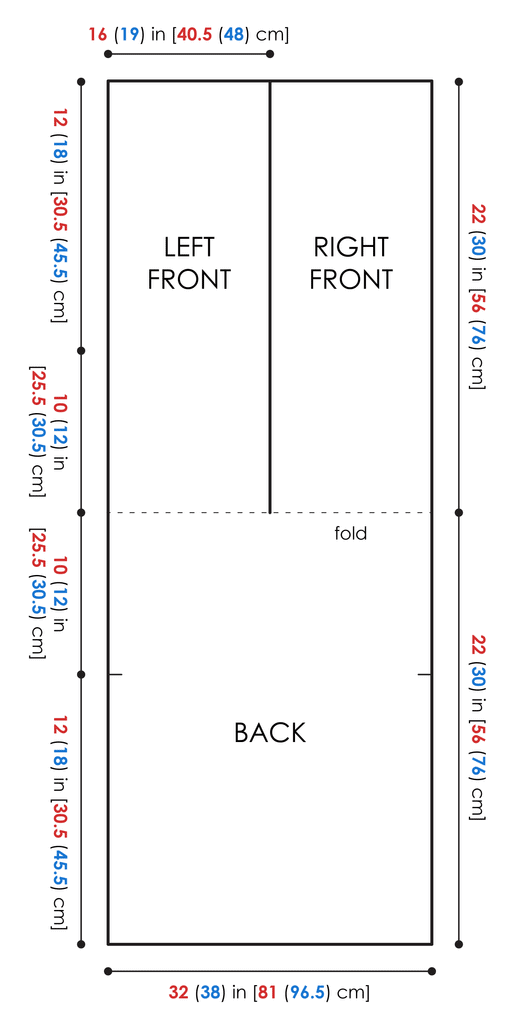
Schematic

Diagram of a Woobie Poncho with precise inch measurements and center fold line, showing shape for knitting construction.
Poncho diagram with colored size measurements in centimeters and a dashed center fold line for knitting project guidance.

Pattern Notes

  • Directions are for the smallest size; changes for larger sizes are in parentheses. When only one number is given, that number applies to all sizes.
  • The Latte Cakes yarn has a good amount of stretch, so be sure to account for that stretch when you measure your gauge.
  • Poncho is worked back and forth in rows. Circular needles are used to accommodate the full width of the sts.
  • Poncho is worked flat from the top down, then folded in half and seamed.

GROW

To Unlock Exclusive Subscriber Content click the Box below and join for free by simply adding your email and creating a password! If you are having troubles, clear your cache or reset your password or login to the Grow Publisher Portal.

>> Learn More About Grow Here <<

I’m thrilled to share this amazing pattern with you, many patterns on my blog are absolutely free! I kindly request that you don’t copy and paste or distribute this pattern. Prefer an ad-free experience? Buy a digital PDF pattern for a small fee from one of my online stores for a seamless crafting journey. 

I appreciate your support and readership. You are the reason I can keep doing what I love and sharing it with others. So, thank you from the bottom of my yarn-loving heart! Disclosure: This post contains affiliate links, meaning I get a commission if you decide to make a purchase through my links at no cost to you.

Woman models a light blue knit Woobie Poncho showing textured stitches; yarn and plants in the background.

Woobie Knit Poncho — Pattern Instructions

Cowl

Cast on 78 (102, 102) sts with Long-Tail cast-on (see Video Tutorials).

Work in Cowl Lace Pattern until piece measures 8″ [20 cm], ending after a pattern Row #7 (WS).

Body

Row 1 (RS): Using cable cast-on (see Special Techniques), cast on 47 (47, 61) sts, k across 47 (47, 61) newly cast-on sts, k to end.
Count: 125 (149, 163) sts.

Row 2 (WS): Using cable cast-on, cast on 47 (47, 61) sts, k across 47 (47, 61) newly cast-on sts, k to end.
Count: 172 (196, 224) sts.

Rows 3-16: Knit.

Row 17 (RS): K4, yo twice, * k1, yo twice; repeat from * to last 4 sts, k4.
Count: 172 (196, 224) knit sts.
Count: 165 (189, 217) doubled yarn-overs.
Count: 337 (385, 441) total loops.

Row 18 (WS): K4, carefully drop the next 2 yarn overs from the left hand needle, * k1, carefully drop the next 2 yarn overs from the left hand needle; repeat from * to last 4 sts, k4.
Count: 172 (196, 224) sts.

Begin Body Repeat

Rows 1-6 (begin RS): Knit.
Row 7 (RS): K4, * yo, k2tog; repeat from * to last 4 sts, k4.
Count: 172 (196, 224) sts.
Rows 8-14: Knit.
Row 15 (RS): K4, * yo, k2tog; repeat from * to last 4 sts, k4.
Count: 172 (196, 224) sts.
Rows 16-22: Knit.
Row 23 (RS): K4, yo twice, * k1, yo twice; repeat from * to last 4 sts, k4.
Count: 172 (196, 224) knit sts.
Count: 165 (189, 217) doubled yarn-overs.
Count: 337 (385, 441) total loops.
Row 24 (WS): K4, carefully drop the next 2 yarn overs from the left hand needle, * k1, carefully drop the next 2 yarn overs from the left hand needle; repeat from * to last 4 sts, k4.
Count: 172 (196, 224) sts.

Repeat last 24 rows until piece measures 24 (24, 34)” [61 (61, 86.5) cm] from Body cast-on edge, ending after a Row #6, #14, or #22.

🌟 Designer Tip: You may work this portion as long or short as you like. Be sure to leave enough yarn length at the end to bind off all the sts, which would be approximately 8 times the width of your Poncho for the Stretchy Bind-off method.

Bind off all sts using Stretchy Bind-off (see Special Techniques).

Finishing

Weave in all loose ends.

Seaming

Fold Poncho in half according to schematic.

Sew side seam of Body, shoulder seam, and side seam of Cowl. Leave neck and bottom open.

Drawstring

With crochet hook, make a chain approximately 60″ [152.5 cm] length. Fasten off.

Weave this chain through the first eyelet row of the cowl to act as a drawstring.

Add pom-poms or tassels or beads to the ends of the drawstring as desired.

Wear with pride. 💛


Favorite & Queue the Woobie Knit Poncho on Ravelry

Favorite This Pattern on Ravelry - Marly Bird
A woman models a light blue knit poncho with textured stitches, standing in a cozy room near the Woofie Poncho pattern display.
Etsy
Shopify
Ravelry

More Free Knit Patterns You’ll Love

Loved the Woobie? Here are more of my free knit patterns to add to your queue — a mix of garments, accessories, and quick projects so you can keep the cozy-knit momentum going:

  • ⚔️ Eowyn Cable Knit Shawl — a textured right-triangle shawl with cables for Lord of the Rings fans (intermediate)
  • 🧦 My First Toe-Up Knit Socks — a beginner-friendly first-socks pattern with German short row heel
  • 🌈 Heartstrings Knit Socks — your stranded-colorwork-on-socks starter pattern
  • ⛰️ Summit Knit Shawl — a graphic, modern shawl perfect for showing off variegated yarn
  • 🍵 Cabled Knit Cup Cozy — the perfect tiny weekend project (and the best gift add-on to a cute mug)
  • 🌊 Dynamic Wave Mosaic Knit Hat — slip-stitch mosaic colorwork without the float fuss
  • 📚 Browse the full Knit Shawl Patterns hub for even more
A woman wears a Woobie Poncho, with visible knit texture, surrounded by yarn, coffee, checklist, and crafting details.

Frequently Asked Questions

About the designer: Marly Bird is a knit and crochet designer, teacher, and host of the Mondays with Marly podcast on YouTube — with 20+ years of professional experience designing for major yarn brands including Red Heart, Cascade, Bernat, Lion Brand, and Yarnspirations. She is one of the few designers in the industry who teaches both knitting and crochet at a master level — her signature “BiCrafty” approach. Marly’s free patterns and tutorials on marlybird.com and her YouTube channel have helped millions of crafters learn new techniques and finish projects they’re proud of. Marly also designs in partnership with Robyn Chachula — a structural-engineer-turned-crochet-designer and the author of nine crochet books, including Blueprint Crochet, Unexpected Afghans, and the Crochet Stitches Visual Encyclopedia, whose work has been featured in Interweave Crochet, Vogue Crochet, and Love of Crochet.

Is the Woobie Knit Poncho beginner-friendly?

It’s an adventurous-beginner pattern. If you can cast on, knit, purl, yarn over, and k2tog, you have every skill you need. The construction is flat-knit-fold-and-seam, which is one of the most beginner-friendly garment constructions out there. You’ll also pick up two new techniques along the way (cable cast-on and stretchy bind-off), but both are walked through in the Special Techniques section.

What yarn should I use for the Woobie Poncho?

The original was designed for Caron Latte Cakes, a Michaels-exclusive #5 Bulky cake gradient yarn. It’s still shoppable at Michaels (in-store and online) but Yarnspirations lists it as a retailer-exclusive with limited future availability. If you can find it, use it. If not, the closest big-box substitute is Loops & Threads Facets (also at Michaels), followed by Lion Brand Mandala Bulky or Caron Cloud Cakes. Any #5 Bulky cake gradient yarn with around 500+ yds per cake will work — just swatch first.

What can I use instead of Caron Latte Cakes for the Woobie Poncho?

The closest substitute is Loops & Threads Facets at Michaels — same gradient cake construction in a slightly different weight (swatch first; you may need a needle size up). Other strong substitutes: Lion Brand Mandala Ombre (#5 bulky, widely available, soft acrylic) and Caron Cloud Cakes (softer, fluffier texture but lower yardage — you’ll need more cakes). Any #5 bulky cake gradient yarn with around 500+ yards per cake will work for the Woobie. See the full yarn substitute guide earlier in this post for details, yardage, and where to buy.

Is the Woobie Poncho good for travel?

Yes — the Woobie is one of the best travel knitting projects you can wear. It works as a wearable blanket on planes, trains, or car rides because your arms stay free for coffee, your phone, your book, or your knitting WIP. It packs flat, the acrylic-blend yarn doesn’t wrinkle, and it’s warm enough to handle airplane-cabin temperatures. If you’re flying with knitting in progress, see my complete guide to flying with knitting needles.

How long does the Woobie Knit Poncho take to make?

It’s a weekend-pace project for most knitters — one to two weekends of casual knitting. Bulky yarn and big needles mean each row works up fast, and the cowl section is short. The body is where you’ll spend most of your time, but it’s mostly plain garter and easy lace rows. Significantly faster than a sweater.

Do I have to know how to crochet to make this poncho?

Only for the drawstring. The drawstring is a simple crochet chain — one of the easiest crochet stitches there is, and absolutely learnable from a 2-minute video if you’ve never crocheted before. If you really don’t want to crochet, you can make a long i-cord in knit, braid three strands of yarn, or use a piece of ribbon or leather cord instead. The drawstring is functional but not structural — any flexible cord works.

Can I make the Woobie Poncho longer or shorter?

Absolutely. The body length is the most customizable part of the pattern. Stop short for a capelet-length cozy, or keep going for a longer drape. Just make sure to end after Row #6, #14, or #22 of the body repeat, and leave enough yarn for the stretchy bind-off (about 8 times the width of your poncho).

Why is it called the Woobie?

“Woobie” is the nickname the community gave it during the original 2019 Turkey Trot Mystery Make-Along. A “woobie” is a beloved comfort blanket (think: the one your kid drags around the house), and that’s exactly how everyone described wearing this poncho — like a security blanket you could leave the house in. The name stuck, and it’s officially the Woobie Poncho now.

Where can I get the ad-free PDF of the Woobie Knit Poncho?

The ad-free PDF is available in my Etsy shop, my Ravelry store, and at shop.marlybird.com. The PDF version is printer-friendly with no ads or scrolling, which makes it much easier to work from while knitting.

A woman models a light blue knit poncho with textured stitches, standing in a cozy room near the Woofie Poncho pattern display.
Etsy
Shopify
Ravelry

Final Thoughts

The Woobie Knit Poncho has been one of my favorite designs to revisit. Going back into a 2019 pattern and refreshing it for a new generation of knitters has been a joy… and seeing the original Woobie crowd (“I still have mine!”) show up in the community has been the cherry on top. Whether you’re knitting it for the first time or you’re a returning Woobie person who just wants the full pattern in one place… welcome. I’m so glad you’re here. 🧣💛

If you make one, please share it with me. Tag @MarlyBird on Instagram or post in the Marly’s Minions Facebook group. There’s nothing better than seeing your finished pieces. 💛

And if this pattern brightened your day, share it with a fellow knitter on Facebook — that’s how patterns like this one find the people who need them most. 🧣

Until next time, friends… ❤️

❤️ Your BiCrafty Bestie,
Marly Bird

A cartoon avatar of a person with glasses and a brown bun smiles warmly. Their green shirt and black jacket add a stylish touch, while colorful hearts surround them like loving temperature blankets, stitching together an aura of love and positivity. -Marly Bird

🧣 Spring Fling Day 10 Spotlight 🧣

This pattern debuted as Day 10 of Spring Fling 2026 (Fri May 15). For 24 hours only, the ad-free PDF of the Woobie Knit Poncho is 65% off — discount AUTO-APPLIES at checkout, no code needed.

👉 See the full Spring Fling 2026 lineup on the Hub

Share your finished Woobie with the hashtag #SpringFling2026 + #WoobiePoncho 🧣💛

Filed Under: Free Patterns, Knitting, Make-Alongs, Marly Bird Premium Patterns, Our Free Patterns, Pattern, Uncategorized Tagged With: bulky knit, Caron Latte Cakes, free knit pattern, knit poncho, Marly Bird knit pattern, spring fling 2026, Turkey Trot 2019, Woobie poncho

My First Toe-Up Knit Socks: Free Pattern with German Short Row Heel

May 14, 2026 By Meg Leave a Comment

The complete free knit toe-up sock pattern by Marly Bird. Worked from the toe up using Judy’s Magic Cast-on, this beginner-friendly sock pattern features a German short row heel that’s smoother, prettier, and more comfortable than traditional wrap-and-turn. Available in 6 sizes (foot circumference 5.5″-10.5″). Includes step-by-step video tutorials, multiple needle methods (2 circulars, magic loop, 9″ circular), and a downloadable customization worksheet. Perfect first toe-up sock for adventurous beginner knitters.

Hey, bestie 💛

Whether this is your first pair of socks ever, or you’ve made a hundred cuff-down pairs and you’re FINALLY ready to try working from the toe up… this pattern is for you. My First Toe-Up Knit Socks is my free beginner-friendly toe-up sock pattern, designed around Judy’s Magic Cast-on at the toe and a German short row heel that I genuinely think is the most comfortable, prettiest sock heel in knitting.

Here’s why toe-up socks are kind of magical: you can try them on as you go. You can use up every last yard of yarn (just keep knitting the leg until you’re almost out). And the German short row heel has zero of the gappy “what is happening in this corner” issues that wrap-and-turn heels are famous for.

If German short rows feel intimidating, don’t panic. I’ve got step-by-step video tutorials AND a downloadable cheat sheet (more on that below). You can do this. Promise. 🧦

This post contains affiliate links. If you purchase through them, I may earn a small commission at no extra cost to you… and it helps keep these free patterns coming straight from my yarn-loving heart to yours. 💛

Gray and white striped knitted sock displayed on a wooden blocker with sheep cutout; showcases toe-up construction and stitch detail.

🧶 TL;DR — My First Toe-Up Knit Socks at a Glance

  • What: Free toe-up knit sock pattern with a German short row heel by Marly Bird
  • Sizes: Foot circumference 5.5–10.5″ (6 sizes); foot length + sock height adjustable
  • Yarn: 2–3 balls of sock-weight yarn (sample is Patons Kroy Socks)
  • Needles: US 2 (2.75 mm) circulars — works with 2 circulars, magic loop, or 9″ circular
  • Cast-on: Judy’s Magic Cast-on at the toe
  • Heel: German short row — smoother, prettier, and more comfortable than wrap-and-turn
  • Skill level: Adventurous beginner — if you can knit and purl in the round, you can do this
  • Time: 15–25 hours for a pair
  • Bonus: Free downloadable customization worksheet for high insteps, wider ankles, or larger heels
  • Ad-free PDF: Available on Ravelry 💖

What You Will Love About This Pattern 💖

🧦 Toe-up construction. Try them on as you go and use every last yard of yarn. No more “I have 30 yards left, can I finish this leg?” panic.

✨ German short row heel. The smoothest, prettiest, no-holes heel construction in knitting. Once you make one with German short rows, you may never go back.

📏 Six sizes. Foot circumference 5.5″ through 10.5″, with adjustable foot length and adjustable sock height. Designed to fit every adult foot.

🎬 Video tutorials at every step. Cast-on, toe + foot, German short row heel, leg + cuff… I’m walking you through every step on YouTube.

🪡 Multiple needle methods. The pattern works with 2 circulars, magic loop, or a 9-inch circular. Use whatever you like.

📝 Free customization worksheet. If you have larger ankles, a higher instep, or wider heels, my free downloadable worksheet walks you through the math to adjust the heel diagonal.

A colorful toe-up knit sock with a german short row heel is displayed on a wooden sock blocker. Marly Bird logo present.

Quick Pattern Overview

🎯 Skill Level: Adventurous Beginner. If you can knit and purl in the round and you’re willing to learn German short rows (with my videos), you can do this.

📏 Sizes: Foot circumference 5.5 (6.5, 7.5, 8.5, 9.5, 10.5) inches. Foot length and sock height both adjustable.

🧶 Yarn: 2 (2, 2, 2, 3, 3) balls of sock-weight yarn. The original sample uses Patons Kroy Socks (75% washable wool / 25% nylon, 166 yds per 50g ball). Any sock yarn (CYCA #1 super fine) works.

🪡 Needles: US 2 (2.75 mm) circulars. See pattern details below for which needle setup you need based on your preferred technique.

📐 Gauge: 32 stitches and 42 rows = 4 inches in stockinette stitch in the round. Tight stitches = durable socks.

⏱️ Estimated time: 15-25 hours for a pair, depending on size and speed.


Is This Sock Pattern Right for You?

This pattern is a perfect match if you’re ready for your first toe-up sock, OR if you’re an experienced cuff-down sock knitter ready to try toe-up construction. You’ll be right at home if you can:

  • Knit and purl comfortably in the round
  • Work from a written pattern
  • Try a new technique (Judy’s Magic Cast-on, German short rows) with video support
  • Use either 2 circulars, magic loop, or a 9-inch circular needle

Brand new to socks entirely? No worries, you can still tackle this… just watch the videos before you start. Or if you want a true beginner sock first, my My First Knit Socks (cuff-down) is a different starting point that uses traditional construction.

Three colorful hand-knit socks displayed on wooden blockers, highlighting stitch patterns; home decor visible in the background.

Want the full sock-knitting curriculum? Check out my Ultimate Guide to Knit Socks.

✨ Designer Tip: Make a gauge swatch in the round (not flat). Sock gauge in the round is genuinely different from gauge worked flat… even by half a stitch per inch. Cast on 32 stitches on your circular needle and knit a small tube before committing to your sock. 30 minutes of swatching saves you from a sock that’s an inch too big or small.

Free German Short Rows Customization Worksheet

If you have a higher instep, larger heel diagonal, or wider ankles than the standard sizing, you don’t have to abandon this pattern. I made a free downloadable customization worksheet that walks you through the math to adjust the heel diagonal so the sock fits YOUR foot perfectly.

Why German Short Rows for the Heel?

Great question. There are several ways to make a sock heel: heel flap with gusset (classic), wrap-and-turn short rows, or German short rows. Here’s why I chose German short rows for this pattern:

  • No holes. Wrap-and-turn heels often leave gaps where the wraps and the turning row meet. German short rows create a “double stitch” instead, which closes neatly.
  • Easier to memorize. Once you know the right-side and wrong-side moves, you do them over and over. No counting wraps to pick up later.
  • Smoother fabric. The double-stitch construction sits flat and looks polished from both sides.
  • Industry-standard for modern sock patterns. Most contemporary sock designers (myself included) have moved toward German short rows.

If you’ve been intimidated by German short rows in the past, this pattern is your invitation. The video tutorials walk you through every motion. By the end of one sock, you’ll have it memorized.

Build Your Skills with This Pattern

By the time you finish this pair, you’ll have practiced:

  • Judy’s Magic Cast-on… the seamless toe-start that makes toe-up socks possible
  • Lifted increases (RLM1 + LLM1)… clean, invisible toe shaping
  • 2 circulars, magic loop, or 9-inch circular technique… use whatever you prefer
  • German short rows… the modern sock heel that beats wrap-and-turn
  • Stretchy bind-off… your cuff will actually fit over your heel

If any of these are new to you, my knitting definitions glossary covers the abbreviations, and the video tutorials linked in the pattern below walk through every technique.

Want to go DEEPER into sock knitting? Come join me at Marly Bird House… I have multiple sock-focused courses inside, including Tranquility Knit Socks and Aromatherapy Knit Socks which take you through more advanced sock techniques and design variations.

Six laptop screens show knit and crochet socks, colorful yarn, notions, and a make-along course signup page.

Yarn & Materials

The original sample uses Patons Kroy Socks, a 75% washable wool / 25% nylon sock-weight yarn (166 yds per 50g ball). Patons Kroy is a workhorse sock yarn… affordable, durable, machine-washable, and widely available at craft stores. You’ll need 2 (2, 2, 2, 3, 3) balls.

Yarn Substitutes & Stash Options

Have indie sock yarn in your stash? Want a different fiber blend? Any sock-weight (CYCA #1 super fine) yarn with around 400+ yards per 100 g will work. For socks you’ll actually wear, look for a wool/nylon blend… the nylon adds the durability your heels need (pure wool will felt + wear out fast on hard floors).

A few favorite substitutes:

  • 🧶 KnitPicks Stroll Fingering (75% superwash merino / 25% nylon, 231 yds / 50 g)… the WeCrochet/KnitPicks workhorse sock yarn. Same fiber blend as Patons Kroy, comparable yardage, in solids, tonals, hand-dyed, and self-striping. Affordable and machine washable.
  • 🧶 KnitPicks Hawthorne Fingering (80% superwash merino / 20% nylon, 357 yds / 100 g)… a slightly more luxurious sock yarn from the same family, available in solids and beautiful hand-painted multi-color skeins. Great for self-striping or speckled socks.
  • 🌈 KnitPicks Felici Sock Yarn… the classic self-striping sock yarn. Stripes are pre-planned in the skein, so your socks look beautifully patterned without having to fuss with multiple yarn balls. Great for second-sock syndrome (it’s actually exciting to see what stripe is next).
  • ✨ KnitPicks Static Sock Yarn… fun effect sock yarn that creates an organic speckled/static look as you knit. Adds visual interest to a simple stockinette stitch pattern like this one.
  • 🦋 Malabrigo Sock Yarn… hand-dyed luxury sock yarn from Malabrigo. If you’ve been wanting to splurge on an indie-dye experience, this is a beautiful place to start. Saturated, jewel-tone colorways that make your socks feel like art on your feet.
  • 🎨 Madelinetosh Tosh Sock Yarn… cult-favorite indie hand-dyed sock yarn. Tosh Sock has a near-legendary status in the sock-knitting community for its gorgeous tonal colorways and soft hand-feel.
  • 🧶 Berroco Vintage Sock… fingering-weight wool blend with nylon from Berroco. Machine washable, durable, comes in a wide range of solids and heathers.
  • 🧶 KnitPicks Capretta Superwash Fingering (80% superwash merino / 10% nylon / 10% cashmere, 230 yds / 50 g)… if you want a splurge sock with cashmere softness. Still has 10% nylon for durability. Treat yourself.
  • 🧶 Berroco Comfort Sock (50% superwash nylon / 50% acrylic, 447 yds / 100 g)… a 100% synthetic sock yarn that’s machine washable, dryer-safe, and great for gift socks or anyone with wool sensitivity. Find Berroco yarns here.
  • 🧺 Stash yarn? Any indie hand-dyed sock yarn (Hedgehog Fibres, Spincycle, SweetGeorgia, Knerd String, Must Stash, etc.), Lion Brand Sock-Ease, Regia Sock, or any other fingering-weight wool/nylon blend with around 400+ yards per 100 g is a great fit. Speckled and self-striping yarns look especially fun in this simple stockinette pattern.

Want to browse the full KnitPicks sock-yarn lineup? Shop all KnitPicks sock yarn here.

For more sock yarn project ideas beyond socks, see my What To Crochet With Sock Yarn guide (even if you’re knitting, the yarn weight discussion applies).

Needles: US 2 (2.75 mm) circulars. Your specific setup depends on your preferred technique:

  • 2 circulars method: 2 needles, one 24″ and one longer than 24″
  • Magic loop method: 1 circular longer than 24″
  • 9″ circular method: a 9″ circular for the foot and leg, plus a longer-than-24″ circular for the toe and heel

I shop my KnitPicks needles for sock knitting because the size 2 tips are sharp enough to handle the tight gauge.

Notions:

  • Stitch Markers
  • Tapestry Needle
  • Scissors
  • Tape Measure
  • Notions Bag for Supplies (Optional)
  • Leather tags (Optional)
  • Leather rivets (Optional)
  • Sock Ruler (Optional)
  • Sock Blocker (Optional)
⭐️ Marly Bird Amazon Storefront ⭐️

Video Tutorials

Every step of this pattern has a video tutorial. Watch ahead of time or pull them up as you go:

  • Part 1: Cast-on, toe, and foot
  • How to add a lifeline (recommended before the heel)
  • Part 2: German Short Row Heel
  • Part 3: Leg and cuff

Love the Pattern but Want an Ad-Free PDF?

The full pattern below is 100% free here on the blog (thank you for supporting the site by reading through the ads!). If you’d rather have a clean printable PDF, grab one from your favorite shop:

  • 🧶 Buy the ad-free PDF on Ravelry

Join our Newsletter

Get Free Crochet & Knitting
Pattern Links & Coupons!
Hand-drawn bird with curling, detailed feathers and pink accents; cheerful pose showcases fine line and texture work.
>> Become An Insider <<
A woman with glasses and curly hair models a colorful crocheted scarf, showing textured stitches and vibrant yarn.
A colorful knit sock displayed on a sock blocker, showing even stitches and smooth texture as part of a toe-up knitting project.

My First Toe-Up Knit Socks — Pattern Details

Skill Level

Adventurous Beginner

Sizes & Finished Measurements

To Fit Foot Circumference: 6 (7, 8, 9, 10, 11) inches (measure around ball of foot)
Foot Length: Adjustable
Sock Height: 5 inches from top of heel (adjustable)

Actual Sock Measurements:
Foot Circumference: 5.5 (6.5, 7.5, 8.5, 9.5, 10.5) inches
Foot Length: Adjustable
Sock Height: 5 inches from top of heel

Recommended Gauge

32 stitches / 42 rows = 4 inches in stockinette stitch in the round (you want tight stitches for socks as it helps with the wear of them).

Materials

Yarn: Patons Kroy Socks (75% washable wool, 25% nylon super fine weight yarn; 1.75oz/50g; 166yds/152m), 2 (2, 2, 2, 3, 3) balls. OR any sock weight yarn.

Knitting Needles: US 2 (2.75 mm) or size to obtain gauge.

Depending on what tools you want to use to make socks, you will need the following:

  • To make socks with 2 circulars: 2 needles, 1 needle 24″ and the other longer than 24″
  • To make socks with magic loop: 1 circular needle longer than 24″
  • To make socks with a 9″ circular needle on foot and leg: a 9″ circular needle, plus a longer-than-24″ circular at the toe and heel

Notions:

  • Stitch Markers
  • Tapestry Needle
  • Scissors
  • Tape Measure
  • Notions Bag for Supplies (Optional)
  • Leather tags (Optional)
  • Leather rivets (Optional)
  • Sock Ruler (Optional)
  • Sock Blocker (Optional)

Special Abbreviations

  • GSR: German Short Row (see special stitches)
  • LLM1: Left Lifted make-one (M1) increase
  • PM: place marker
  • RLM1: Right Lifted make-one (M1) increase
  • SM: slip marker
  • W&T: wrap and turn

Special Stitches

⭐ GSR (German Short Row): these short rows are worked in such a way that you get a ‘double stitch’ in place of a traditional W&T short row.

GSR Right side: bring the yarn to the front BETWEEN the needles, slip the stitch from the left needle to the right needle purlwise with the yarn in front, pull the yarn to the back of the work OVER TOP of the right needle. This will distort the stitch making it look as if there are 2 stitches instead of 1. This is called the ‘double stitch’. With yarn in back, begin knitting.

GSR Wrong side: Slip the stitch from the left needle to the right needle purlwise with yarn in front, pull the yarn to the back of the work OVER TOP of the right needle. This will distort the stitch, making it look as if there are 2 stitches instead of 1. This is called the ‘double stitch’. Don’t forget to bring the yarn to the front BETWEEN the needles to begin purling.

Continue in this fashion as specified in your pattern, creating your ‘doubled’ stitches. To finish the short rows simply knit or purl the double stitch together.

⭐ LLM1 (Left Lifted Make-One): Insert left needle tip into the left leg of the second stitch directly under the stitch on the right hand needle (the grandmother stitch), knit it through the back leg. (1 stitch increased)

⭐ RLM1 (Right Lifted Make-One): Insert right needle tip into the right leg of the stitch directly under the stitch on the left hand needle (the mother stitch), lift the leg onto the left hand needle and knit it. (1 stitch increased)

⭐ W&T (Wrap and Turn):

Knit row: with yarn in back, slip next st purlwise onto right hand needle, bring yarn to front of work, return slipped st to left hand needle, bring yarn to back of work, then turn work.

Purl row: with yarn in front, slip next st purlwise onto right hand needle, bring yarn to back of work, return slipped st to left hand needle, bring yarn to front of work, then turn work.

⭐ Hide Wraps: Knit row… pick up the wrap from the front with the right hand needle and knit together with the stitch it wraps.


Notes

  • Whether working on 2 circulars or magic loop, the stitches are always divided onto two needles. Needle #1: instep stitches; Needle #2: sole stitches.
  • When the end of one needle has been reached, rotate the work so the stitches just worked are on the bottom. Move the bottom stitches to the cord and the unworked stitches to the next needle and continue on to work in the round.
  • ⭐️ indicates extra explanation of instructions
  • 🎬 indicates video tutorial available

GROW

To Unlock Exclusive Subscriber Content click the Box below and join for free by simply adding your email and creating a password! If you are having troubles, clear your cache or reset your password or login to the Grow Publisher Portal.

>> Learn More About Grow Here <<

I’m thrilled to share this amazing pattern with you, many patterns on my blog are absolutely free! I kindly request that you don’t copy and paste or distribute this pattern. Prefer an ad-free experience? Buy a digital PDF pattern for a small fee from one of my online stores for a seamless crafting journey. 

I appreciate your support and readership. You are the reason I can keep doing what I love and sharing it with others. So, thank you from the bottom of my yarn-loving heart! Disclosure: This post contains affiliate links, meaning I get a commission if you decide to make a purchase through my links at no cost to you.

My First Toe-Up Knit Socks — Pattern Instructions

Toe

🎬 Watch video for part 1: cast-on, toe and foot

Using Judy’s Magic Cast-on, cast on 16 (16, 20, 24, 24, 28) stitches total.

⭐ Make it so half the stitches are on each of two needles if using 2 circulars, or distribute so that half of the stitches are on each tip if using magic loop.

Knit 1 round evenly.

⭐ First half of stitches are instep, second half of stitches are sole.
⭐ Place a marker on the needle with the instep stitches so you can identify that as needle #1 whether doing 2 circulars or magic loop.

Round 1 (increase round):
Needle #1: K1, PM, RLM1 (see special stitches), knit to 1 stitch before end of instep stitches, LLM1 (see special stitches), K1
Needle #2: K1, RLM1, knit to 1 stitch before end of instep stitches, LLM1, K1 — [4 stitches increased]

Round 2: Knit

Repeat rounds 1 and 2 until there are 44 (52, 60, 68, 76, 84) stitches total.

⭐ This is the total number of stitches for the sock and should measure the actual sock circumference listed above if you achieved gauge.

Two socks in progress knit with multicolored yarn and needles, shown on a white background; project: toe-up sock knit-along.

Foot

⭐ Before continuing, use a removable stitch marker to mark an actual stitch in the center of the sole (needle #2). This will ensure a perfectly matching second sock.

⭐ If you want to switch to a 9 inch circular needle, now is the time to do it as you work in even rounds for the foot of the sock. Keep the marker in place to indicate the start of the rounds.

Knit evenly in rounds until the sock measures 1.5 (1.5, 2, 2, 2.5, 2.5) inches shorter than your desired finished foot length, ending after 22 (26, 30, 34, 38, 42) stitches on needle #1 have been worked.

⭐ The foot of the sock length is the resulting measurement of your desired finished foot length minus the measurement of the 1st half of the short row heel. Note: If the number of total heel stitches is changed from the number listed in the pattern, then the row count of the short row heel changes, and thus the measurement of the foot of the sock changes.

⭐ Before continuing, use another removable stitch marker to mark an actual stitch in the center of the sole (needle #2). This will ensure a perfectly matching second sock.

⭐ This is a great place to add a lifeline.

🎬 Watch video for how to add a lifeline

⭐ If you switched to a 9 inch circular needle, now is the time to transfer the sole stitches onto another circular needle. The 9 inch needle will remain in place acting as a stitch holder for the instep stitches (keep the marker in place to indicate the start of the rounds), and the new needle will act as needle #2 and will have the sole stitches worked on it.

✨ Designer Tip on Customizing Your Sock Heel: If you want to adjust the heel diagonal circumference of your sock to accommodate a larger instep, larger heel diagonal measurement, or larger ankles, take a look at the worksheet I’ve made walking you through step by step the calculations you need to alter the pattern.

👉 Get the FREE Customize Sock Heel Diagonal of German Short Row Heel Worksheet here

German Short Row Heel

🎬 Part 2 video URL for German Short Row Heel video https://youtu.be/t0dNvAXi4tI?si=r412d3vOigSmG29j

1st half of short row heel (worked only on needle #2)

Row 1 (RS): Knit 7 (9, 10, 11, 13, 14), PM, knit 8 (8, 10, 12, 12, 14), PM, knit 7 (9, 10, 11, 13, 14) stitches, turn work.

⭐ Stitches between markers are final heel stitches. The short rows will be worked outside of those markers.

⭐ The final heel stitches will measure 1 (1, 1.25, 1.5, 1.5, 1.75) inches wide and traditionally represent approximately ⅓ of the number of the total heel stitches. Note: If the number of final heel stitches is changed from the number listed in the pattern, then the number of stitches to work short rows on and the row count of the short row heel changes, and thus the total instructions change as well as the measurement of the foot of the sock changes.

Row 2 (WS): GSR Wrong side (see special stitches), purl 22 (25, 29, 33, 37, 41) stitches, turn work.
Row 3 (RS): GSR Right side (see special stitches), knit to stitch before previous ‘double stitch’, turn work.
Row 4 (WS): GSR Wrong side, purl to stitch before previous ‘double stitch’, turn work.

Repeat rows 3 and 4 another 5 (7, 8, 9, 11, 12) times more. All the stitches outside the markers are ‘double stitches’ (except the last stitch worked as it will become a double stitch on the next row).

‘Pick Up’ rows: Center of short row heel (worked on needle #2 and needle #1)

Row 1 (RS):
Needle #2: GSR Right side, knit to the ‘double stitch’, *knit the two strands of the ‘double stitch’ together as one, repeat from * to end of needle #2
Needle #1: W&T the 1st stitch on needle #1, turn work.

Row 2 (WS):
Needle #2: Purl to the ‘double stitch’, *purl the two strands of the ‘double stitch’ together as one, repeat from * to end of needle #2
Needle #1: W&T the 1st stitch on needle #1, turn work.

⭐ These wrap and turns will help prevent holes at the join.

2nd half of short row heel (worked only on needle #2)

Row 1 (RS): Knit 7 (9, 10, 11, 13, 14), slip marker, knit 8 (8, 10, 12, 12, 14), remove marker, knit 1 stitch, turn work.
Row 2 (WS): GSR Wrong side, purl 8 (8, 10, 12, 12, 14), remove marker, purl 1 stitch, turn work.
Row 3 (RS): GSR Right side, knit to the ‘double stitch’, knit the two strands of the ‘double stitch’ together as one, knit 1, turn work.
Row 4 (WS): GSR Wrong side, purl to the ‘double stitch’, purl the two strands of the ‘double stitch’ together as one, purl 1, turn work.

Repeat rows 3 and 4 another 5 (7, 8, 9, 11, 12) times more.

Next Row (RS): GSR Right side (see special stitches), knit to the ‘double stitch’, knit the two strands of the ‘double stitch’ together as one, do not turn work.

Finishing round

Next Round (RS):
Needle #1: Knit the W&T together, knit to the last stitch of needle #1, knit the W&T together.
Needle #2: Knit the two strands of the ‘double stitch’ together as one, knit to end of needle #2.

Gray and white striped knitted sock displayed on a wooden blocker with sheep cutout; showcases toe-up construction and stitch detail.

Leg and Cuff

🎬 Watch video for part 3: leg and cuff

Continue knitting all stitches around the sock until leg measures 8″ [20.3 cm] or desired length of leg before 1″ [2.54 cm] cuff.

⭐ The leg length measurement is customizable. Note: The beauty of toe up socks is once the foot and heel are complete, you can use up all the remaining yarn on the leg of the sock.

⭐ The leg of the sock should have some negative ease or it will slouch down into the shoe when worn.

Once the leg measures desired length, work 1×1 ribbing for 1″ [2.54 cm].

Stretchy Bind-Off

Bind off using the stretchy bind off as follows:

  1. Work 2 stitches on left hand needle in pattern
  2. Insert left hand needle into front leg of 2 stitches on right hand needle
  3. Knit the stitches together. Leaves one stitch remaining on right hand needle
  4. Work next stitch on left hand needle in pattern
  5. Repeat from step 2 to last stitch of round

Fasten off. Weave in ends.


Side and close-up of an orange knit sock with pink toe, heel, and cuff; wavy white and pink lines along the sides. Displayed on a mannequin.

More Marly Bird Sock Patterns

Once you’ve nailed your first toe-up pair, here are more sock patterns to try:

  • 🧦 My First Knit Socks (cuff-down)… if you want to learn cuff-down construction next
  • 🧦 Marly Knit Socks… cuff-down with heel flap, ribbed cuff, eyelet leg – Easy Sock Pattern
  • 🧦 Hint of Hazelnut Knit Socks… colorful mini-skein vertical colorwork. Totally Unusual socks
  • 🧦 Heartstrings Stranded Colorwork Socks… DK-weight stranded colorwork
  • 🧦 Hygge Stripe Socks… worsted-weight beginner socks
  • 🧦 Skyline Ribbed Socks… awesome beginner socks especially for the man in your life
  • 🧦 Appalachian Cozy Up Thigh-High Knit Socks… continuous cables toe to thigh (includes plus size)
  • 🎄 Heirloom Stocking Course… make more than just socks, make memories with this full course!

Want the full sock-knitting curriculum? Browse my Ultimate Guide to Knit Socks for step-by-step learning, video tutorials, and pattern recommendations sorted by skill level.

Digital devices show the “Merry Stitchmas” pattern book, charts, knit and crochet stockings, and toe-up sock project.

Want Marly Walking You Through Every Step? Sock Workshops at Marly Bird House

If you want hands-on coaching, advanced techniques, and a designer in your ear while you learn… my sock workshops at Marly Bird House are where you go:

  • 🌿 Tranquility Knit Socks… a calm, mindfulness-paced sock pattern with full video instruction at Marly Bird House
  • 🧴 Aromatherapy Knit Socks… self-care meets sock knitting
  • 🧘‍♀️ Meditation Knit Socks… a calm, meditative sock-knitting experience built around the Sweet Tomato Heel (a unique heel construction that’s different from German short rows and traditional flap-and-gusset, perfect for crafters who want to expand their sock-knitting repertoire). Sized S-L. Includes a full PDF pattern, interactive charts, and video modules covering Anatomy of a Sock, Yarn Planning for Sock Length, Cuff, Leg, Sweet Tomato Heel, Foot, and Toe.
  • 🧦 Classic and Colorful Crochet Socks Workshop… if you also crochet, this is the comprehensive sock crochet course

Browse all sock courses at Marly Bird House.

Red and blue hand-knitted sock on a wooden blocker with visible stitch detail, yarn balls, and knitting tools on a white surface.
Hand-knitted sock with dark and light blue geometric patterns, shown with matching yarn balls on a woven mat.
Purple and pink striped knit sock on a wooden blocker with purple yarn, floral bag, tape measure, needles, and scissors nearby.

Favorite & Queue on Ravelry

Please favorite and queue My First Toe-Up Knit Socks on Ravelry and tag your finished projects #MyFirstToeUpSocks. I love seeing your color choices and finished pairs.

Favorite This Pattern on Ravelry - Marly Bird

Frequently Asked Questions

Are German short rows better than wrap-and-turn for sock heels?

Honestly, yes… most modern sock designers (myself included) have moved to German short rows because they create a smoother, no-hole heel without the fussy wrap-pickup of W&T. They’re easier to memorize and look more polished. If you’ve struggled with wrap-and-turn heels in the past, give GSR a try… I think you’ll convert.

Can I use any sock yarn for this pattern?

Yes. Look for sock-weight (CYCA #1 super fine) yarn with around 400+ yards per 100 grams. A wool/nylon blend gives you the best durability for actual wear. Hand-dyed indie sock yarn works beautifully for this pattern… the simple stockinette body really shows off variegated colors.

Which needle method is best for toe-up socks?

Honestly, whichever you’re most comfortable with. The pattern works with all three. 2 circulars and magic loop work for the entire sock. The 9-inch circular is faster for the foot and leg but you’ll need a longer circular for the toe and heel. If you’ve never tried any of them before, magic loop is usually the easiest to learn first.

How do I customize the heel for a high instep or wide ankles?

Great question. I made a free customization worksheet that walks you through the math step-by-step. Download it, fill in your own measurements, and you’ll know exactly what numbers to adjust in the pattern for a perfect fit.

How long does this pattern take to knit?

Most knitters finish a pair in 15-25 hours, depending on size and speed. Sock knitting is naturally portable… if you knit during downtime (lunch breaks, waiting rooms, TV time), you can finish a pair in a few weeks of casual knitting.

Should I use a lifeline?

Yes, especially before the German short row heel. Slide a lifeline (waste yarn or dental floss) through your stitches just before starting the heel. If a mistake happens, you can rip back to the lifeline without losing your foot.

What’s the difference between toe-up and cuff-down sock construction?

Toe-up starts at the toe with Judy’s Magic Cast-on, works the foot up, turns the heel, knits the leg, and binds off at the cuff. Cuff-down starts at the cuff with a stretchy cast-on, works the leg down, turns the heel, knits the foot, and grafts the toe shut. Toe-up’s main advantages: you can try the sock on as you go, and you use up every yard of yarn on the leg. Cuff-down’s main advantages: classic heel flap construction is familiar to many knitters, and the bind-off is a finished cuff (no Kitchener stitch needed).

Where can I get the ad-free PDF?

The ad-free printable PDF is available on Ravelry. Etsy and Shopify versions coming soon. Your purchase supports me as an indie designer and keeps the free patterns coming. 💛


💬 Final Thoughts

Toe-up socks were the construction that made me fall in love with sock knitting. Once you cast on with Judy’s Magic Cast-on (which I promise is easier than it sounds with a video), work the toe, knit the foot, and turn the German short row heel for the first time… you understand WHY toe-up is so beloved.

This is the pattern I wish I’d had when I was learning. Try-as-you-go fit, video tutorials at every step, multiple needle methods, and a heel that actually fits. If you finish a pair, please share with me. Tag me @themarlybird and use #MyFirstToeUpSocks, #mmmdi, and #marlybird. I want to see every pair.

Love, Your BiCrafty Bestie, Marly Bird

Marly Bird Bitmoji with rainbow hearts

Filed Under: Free Patterns, Knitting, Marly Bird Premium Patterns, Our Free Patterns, Pattern, Uncategorized, YouTube Video Tutorial Tagged With: badge-beginner-friendly, beginner sock knitter, free knit pattern, free knit sock pattern, german short row heel, judy's magic cast on, knit socks, Marly Bird, my first toe-up socks, sock knitting tutorial, toe-up knit socks

Spring Fling 2026: 20 Days of Free Spring & Summer Patterns

May 14, 2026 By Meg 1 Comment

🌸 SPRING FLING IS LIVE! 🌸
A new free spring or summer pattern reveal every weekday in May 2026, plus 65% off the ad-free PDF for 24 hours.
Today’s pick is below ⬇️

Spring Fling is Marly Bird’s May 2026 daily pattern event. From May 4–29, a free spring or summer knit or crochet pattern goes on the spotlight every weekday (Mon–Fri @ 10:30am EST), with 65% off the ad-free PDF for 24 hours. 20 days of free patterns. 20 days of seasonal inspiration. All on marlybird.com.

Hey, bestie! 💛

Welcome to Spring Fling… my brand-new May 2026 event celebrating all things spring and summer crochet and knit! Every weekday from May 4 through May 29, I’m putting one of my free patterns in the spotlight on this hub page… and the ad-free PDF for that pattern goes 65% off for 24 hours only. 🌸

Why do I love events like this? Because every spring my readers tell me the same thing: “I have so much yarn but I don’t know what to make for warmer weather.” Spring Fling is your answer.

Twenty days of curated, hand-picked spring and summer patterns… lightweight cardigans, breezy tees, gorgeous shawls, beach cover-ups, and so much more.

A cheerful woman in glasses waves amid illustrated flowers, skeins of yarn, and birds; spring craft themes are featured.

Here’s how it works:

  • 🗓 Every weekday in May (Mon–Fri), I’ll feature a free pattern as the “Today’s Pick”
  • 📧 The morning email tells you which pattern is in the spotlight
  • 💸 The ad-free PDF for that day’s pattern is 65% off for 24 hours only on Etsy, Shopify, and Ravelry — discount auto-applies at checkout, no code needed!
  • 📍 You can browse ALL the featured patterns right here on this hub page (yes, you can keep checking back!)
  • 🌿 Every pattern works for spring or summer crafting

🔖Bookmark this page, sign up for my newsletter (so you don’t miss the daily reveal at 10:30am EST), and let’s make May the most magical crafting month of the year. 🌷

Spring Fling 2026 — Marly Bird's free pattern event with 20 days of free spring & summer knit and crochet patterns plus 65% off ad-free PDFs

This post contains affiliate links. If you purchase through them, I may earn a small commission at no extra cost to you… and it helps keep these free patterns coming straight from my yarn-loving heart to yours. 💛


🌟 Today’s Spotlight: Day 10 — NEW Knit Woobie Poncho 🧣

Day 10 of Spring Fling, and we’re wrapping Week 2 with one of the coziest knits in the lineup: the BRAND-NEW Knit Woobie Poncho. 🧣

“Woobie” because it wears like a security blanket you can leave the house in. Refreshed-and-reborn for Spring Fling… the original was a community favorite, and this version is even better. Beginner-friendly knit, weekend-finish pace, and the kind of cozy that carries you through chilly spring evenings, brisk fall mornings, and “just need a hug” days. 💛

Free pattern is on the blog. Want the ad-free PDF? It’s 65% off for 24 hours only… discount auto-applies at checkout (no code needed). 💛

👉 Read the full pattern post →


📅 The Full Spring Fling Lineup (20 Days)

Here’s every pattern that will be featured during Spring Fling, in order. Bookmark this page… I’ll add a “✨ FEATURED” badge to each pattern as it goes live. Daily reveal goes live at 10:30 AM ET each weekday!

Week 1: May 4–8

  • ✅ Day 1 — Mon May 4 🔥 KICKOFF: Blood of My Blood Knit Shawl 🏴 (Outlander-inspired half-hexagon shawl)
  • ✅ Day 2 — Tue May 5: Sunday Sideline Crochet Shawl 🧣 (one-skein crochet triangle shawl)
  • ✅ Day 3 — Wed May 6: NEW Pieces of You Single Crochet Entrelac Wrap 🌊 (brand-new free pattern!)
  • ✅ Day 4 — Thu May 7: Solomon’s Knot Crochet Tee 👕 (cotton layering tee)
  • ✅ Day 5 — Fri May 8: NEW Eowyn Knit Shawl 👑 (right-triangle knit shawl, NEW free pattern!)

Week 2: May 11–15

  • ✅ Day 6 — Mon May 11: NEW Lehabah Fire Sprite Knit Shawl 🔥 (Crescent City inspired knit lace)
  • ✅ Day 7 — Tue May 12: NEW Bluebonnet Crochet Lace Shawl 🌸 (refreshed + reborn for Spring Fling)
  • ✅ Day 8 — Wed May 13: Amaya Crochet Shrug 💕 (versatile spring layering)
  • ✅ Day 9 — Thu May 14: Northwoods Crochet Cardigan 🌿 (Robyn Chachula, XS-5X)
  • Day 10 — Fri May 15: 🌟 TODAY! ✨ NEW Knit Woobie Poncho 🧣 (refreshed + reborn for Spring Fling)

Week 3: May 18–22

  • Day 11 — Mon May 18: 🌺 NEW Floral Motif Summer Crochet Tee (refreshed!)
  • Day 12 — Tue May 19: Peak Serenity One Ball Knit Shawl 🧘 (quick weekend knit)
  • Day 13 — Wed May 20: ✨ NEW Farmer’s Market Filet Crochet 🌽 (free crochet release!)
  • Day 14 — Thu May 21 🔥 MIDPOINT PEAK: Sookie Crochet Cardigan 🧶 (Robyn Chachula, XS-5X)
  • Day 15 — Fri May 22: Stoney Creek Sleeveless Crochet Tee 🌞 (beginner sleeveless)

Week 4: May 25–29

  • Day 16 — Mon May 25: 🇺🇸 Memorial Day, community thank-you, no sale
  • Day 17 — Tue May 26: 🐘 NEW Amigurumi Pattern by Megan Kreiner 🧸 (brand-new release!)
  • Day 18 — Wed May 27: ✨ NEW Shangri La Knit Shawl 🏔️ (refreshed knit lace shawl)
  • Day 19 — Thu May 28: Lyvia Crochet Ruana 🌸 (oversized cardigan-meets-ruana, with pockets)
  • Day 20 — Fri May 29 🌷 FINALE: Garden Party Crochet Cardigan (size-inclusive XS-5XL closer!)

📚 Already Featured (Browse Past Days)

Catch up on past Spring Fling reveals. Each pattern’s blog post stays free forever… only the 65% off PDF discount expires after its 24-hour window.

  • ✅ Day 1 — Mon May 4: Blood of My Blood Knit Shawl 🏴
  • ✅ Day 2 — Tue May 5: Sunday Sideline Crochet Shawl 🧣
  • ✅ Day 3 — Wed May 6: NEW Pieces of You Single Crochet Entrelac Wrap 🌊
  • ✅ Day 4 — Thu May 7: Solomon’s Knot Crochet Tee 👕
  • ✅ Day 5 — Fri May 8: NEW Eowyn Knit Shawl 👑
  • ✅ Day 6 — Mon May 11: NEW Lehabah Fire Sprite Knit Shawl 🔥
  • ✅ Day 7 — Tue May 12: NEW Bluebonnet Crochet Lace Shawl 🌸
  • ✅ Day 8 — Wed May 13: Amaya Crochet Shrug 💕
  • ✅ Day 9 — Thu May 14: Northwoods Crochet Cardigan 🌿

📌 Save Spring Fling on Pinterest

Want to remember Spring Fling and come back daily? Save this hub to your Pinterest board so you don’t miss a single pattern. 📍

Poster with smiling woman waving, surrounded by flowers, butterflies, and a basket filled with colorful yarn skeins.

📧 Don’t Miss a Single Day

The morning email is where I announce each day’s pattern… and the 65% off PDF link goes live at the same time. Make sure you’re on the newsletter to catch every reveal:

Join our Newsletter

Get Free Crochet & Knitting
Pattern Links & Coupons!

Hand-drawn bird with curling, detailed feathers and pink accents; cheerful pose showcases fine line and texture work.
>> Become An Insider <<
A woman with glasses and curly hair models a colorful crocheted scarf, showing textured stitches and vibrant yarn.

About Marly’s Spring Fling 🌸

Spring Fling is the May version of one of my favorite traditions: a daily celebration where my readers and I gather around a single shared pattern, color, or technique each day for a full month. The first one I ran was Treat Yourself January, which became a community ritual you all loved… and I figured spring deserves the same energy.

Why I love these events:

  • Daily inspiration … a fresh “what should I make today?” answer 20 times in a row
  • Community moments … we all knit/crochet the same thing on the same day, share photos, swap color choices
  • Real savings … 65% off ad-free PDFs is the deepest discount I run all year
  • Easy to follow … bookmark this hub, sign up for the email, and let me do the curating

If you joined Treat Yourself January with me… welcome back. If this is your first event with me… let’s GO. May is going to be magical. ✨


🌞 What’s Next After Spring Fling? Meet Flat Marly!

The day after Spring Fling wraps (May 30), it’s officially summer at the Marly Bird blog. Which means… Flat Marly kicks off June 1! 🎉

Flat Marly is my annual summer adventure community campaign. From June 1 through August 31, you download the free Flat Marly printable, take her on your summer adventures (vacations, beach trips, knit night, the grocery store, anywhere!), and share photos with the community using #FlatMarly. There are surprise giveaways, a year-end Travel Trophy, and a whole summer of community fun.

👉 Get Flat Marly + read all the details here (the printable PDF is free)

Spring Fling → Flat Marly → seamless transition into summer. Don’t miss her debut on June 1!


A smiling woman with curly hair waves amid colorful flowers, a clipboard, coffee cup, and question marks below an FAQ banner.

Frequently Asked Questions

When does Spring Fling start and end?

Spring Fling runs Monday May 4 through Friday May 29, 2026. A new spring or summer pattern is featured each weekday (Mon–Fri only). 20 days total.

How do I get the 65% off discount?

The discount applies AUTOMATICALLY at checkout — no code needed! Each daily email links you to the ad-free PDF on Etsy, Shopify, and Ravelry. The discount is good for 24 hours only (10:30 AM ET to next morning at 10:30 AM ET).

Do I have to buy the PDF, or are the patterns really free?

The patterns are 100% free here on the blog (with a GROW sign up)! The 65% discount applies only if you’d prefer the ad-free printable PDF version (Etsy/Shopify/Ravelry). Both options are completely valid… read the free version, or grab the PDF for that ad-free, take-it-anywhere experience. Either way, you’re getting a great pattern.

Can I see all the patterns ahead of time?

Yes… the full lineup is published on this hub page. So if you’re a planner, you can start browsing yarn and gauge swatches now. If you prefer the surprise, just check back daily for the spotlight pattern.

What if I miss a day’s discount?

The 65% off discount is 24 hours only and doesn’t repeat… so if you miss a pattern, the regular pattern price applies. The free blog version is always available! And patterns will continue to be featured in this hub permanently after the event ends.

Why Mon–Fri only? What about weekends?

Honestly, weekends are when most of my readers actually have time to crochet and knit, and I want you focused on stitching… not on missing a sale. Mon–Fri spotlight, weekends are yours. ☀️

What about Memorial Day?

Monday May 25 is Memorial Day in the US. We’re pausing the discount that day to honor military service members and their families. Spring Fling resumes with a new spotlight on Tuesday May 26.

Can I share my finished projects?

Please… that’s the BEST part! Tag @themarlybird on Instagram and use #SpringFling2026, #mmmdi, and #marlybird. I love seeing what you make.


💬 Final Thoughts

Spring Fling is my way of celebrating warm weather, breezy stitches, and the pure joy of having too many beautiful patterns to choose from. I designed (or co-designed) every single one of these patterns… and I genuinely cannot WAIT to see them all featured one by one this month.

Bookmark this page. Sign up for the newsletter. And let’s make May the most magical, color-filled, fiber-soaked month of 2026. 🌸✨

Love, Your BiCrafty Bestie, Marly Bird

Crocheted woman figure with curly hair, glasses, pink sweater, waving; surrounded by spring floral and heart applique details.

Filed Under: Crochet, Free Patterns, Knitting Tagged With: free crochet patterns, free knit patterns, free pattern roundup, marly bird event, sale event, spring crochet, spring fling, spring fling 2026, spring knit, spring patterns, summer crochet, summer knit, summer patterns, treat yourself

Northwoods Crochet Cardigan: Free Size-Inclusive Pattern (XS-5X)

May 14, 2026 By Meg Leave a Comment

The Northwoods Crochet Cardigan is a free quick-and-easy crochet cardigan pattern designed by Robyn Chachula in 7 sizes (XS through 5X). Worked in WeCrochet Brava Tweed worsted-weight acrylic on a size L crochet hook, this beginner-friendly pattern uses a simple chain-and-double-crochet stitch combination that works up FAST. You can finish a cardigan in a weekend. Available in two sleeve lengths (short or long) and includes a full step-by-step pattern, video tutorials, and an ad-free PDF option.

A green crochet cardigan with visible textured stitches is modeled in three poses; project name: NORTHWOODS Crochet Cardigan.

Hey, bestie 💛

If you’ve been searching for a free crochet cardigan pattern that’s actually quick to make, fits a wide range of bodies, and looks cute enough to wear out… I’ve got you. Meet the Northwoods Crochet Cardigan, a brand-new design from my brilliant co-designer Robyn Chachula.

Here’s why this pattern is special: it’s a weekend project. Worked on a size L (7.0 mm) crochet hook with worsted-weight yarn, the cardigan body crochets up FAST. The stitch pattern is just a simple chain-and-double-crochet repeat that becomes muscle memory by the third row. And it’s sized from XS through 5X in 7 different sizes… so every body gets to wear one.

Whether you want a quick gift, a cardigan you can finish before a trip, or your very first crochet garment ever… Northwoods is genuinely the right pattern. 🍃

This post contains affiliate links. If you purchase through them, I may earn a small commission at no extra cost to you… and it helps keep these free patterns coming straight from my yarn-loving heart to yours. 💛

Marly Bird models a green crochet cardigan with textured stitches; one close-up, one shot of her forming a heart with her hands. Northwoods Crochet Cardigan in WeCrochet Brava Tweed Stratus, free size-inclusive crochet cardigan pattern by Robyn Chachula

🌿 TL;DR — The Northwoods Crochet Cardigan at a Glance

  • What: Free crochet cardigan pattern co-designed with Robyn Chachula
  • Sizes: XS through 5X (7 sizes, bust 28.5–64.5″)
  • Yarn: WeCrochet Brava Tweed worsted (3–8 balls depending on size + sleeve length)
  • Hook: Size L/11 (7.0 mm)
  • Skill level: Adventurous beginner — just chain, single crochet, and double crochet
  • Time: A weekend project for confident crocheters (8–15 hours total)
  • Construction: Flat panels, seamed, with sleeves worked in the round
  • Two sleeve options: Short (4–6″) or long (14–17″)
  • Ad-free PDF: Available on Etsy, Shopify, or Ravelry 💖

What You Will Love About This Pattern 💖

⚡ It’s quick. Worsted-weight yarn + size L hook + simple stitch repeat = a cardigan you can finish in a weekend if you’re motivated. Most crocheters knock it out in 8-15 hours.

📏 Truly size-inclusive. Seven sizes from XS through 5X (bust circumference 28.5″ to 64.5″). Designed with classic 1-4 inches of positive ease for an easy, flattering fit on every body.

🧶 Doesn’t take much yarn. Just 3-8 balls of WeCrochet Brava Tweed depending on your size and sleeve length. A whole cardigan for less than the cost of a coffee shop habit.

🌿 Two sleeve options. Short sleeves (4-6″) or long sleeves (14-17″). Same pattern, you choose your vibe.

🔰 Adventurous beginner friendly. If you can chain, single crochet, and double crochet, you can make this cardigan. The stitch pattern is genuinely just chain + double crochet in repeat.

👯 Designed by Robyn Chachula. Robyn is one of the most respected garment designers in crochet, and her patterns are known for clarity, smart construction, and thoughtful sizing. This is a Robyn pattern through and through… approachable, modern, and beautifully constructed.

A woman models a green crochet cardigan with textured stitches, in a craft-filled room; "NORTHWOODS Crochet Cardigan" text at bottom.

Quick Pattern Overview

🎯 Skill Level: Adventurous Beginner

📏 Sizes: XS, S, M/L, XL, 2/3X, 4X, 5X (with 1-4″ of positive ease). Sample shown is XL.

📐 Finished Bust: 28.5 (34.5, 40.5, 46.5, 52.5, 58.5, 64.5)” / 72.5-164 cm

📏 Length (bottom edge to shoulder): 20 (21, 22, 25, 26, 28.75, 29.75)” / 51-75.5 cm

🧶 Yarn: WeCrochet Brava Tweed (97% acrylic / 3% viscose, worsted weight, 218 yds / 100 g) in colorway Stratus #29507. 3 (4, 4, 5, 6, 7, 8) balls for short sleeves. Add 1-2 more balls for long sleeves.

🪡 Hook: Size L/11 (7.0 mm)

📐 Gauge (blocked): 16 dc by 10 rows = 6″ by 4.75″ in cardigan stitch pattern. Use any hook size to obtain gauge.

⏱️ Estimated time: 8-15 hours for a full short-sleeve cardigan, depending on size and speed. A weekend project for confident crocheters, a 1-2 week project for casual crocheters.


Woman models a green crochet cardi with textured stitching over a black shirt, displayed in a colorful, book-filled craft room.

Is This Crochet Cardi Right for You?

This pattern is a perfect match if you want a quick, wearable, modern cardigan without committing to weeks of complex crochet. You’ll be right at home if you can:

  • Chain
  • Single crochet
  • Double crochet
  • Read a written pattern
  • Seam two pieces together (whip stitch… video tutorial linked below)

If any of those feel unfamiliar, my BiCrafty Bootcamp: Learn to Crochet is the perfect place to build your foundation before this project.

Looking for something different? Compare with my other free crochet cardigans:

  • Want it cozy and oversized for fall/winter? Try the Sookie Crochet Cardigan (worsted, panel construction, sizes XS-5X)
  • Want it lightweight and lacy for spring/summer? Try the Goldenrod Crochet Cardigan (lace, wool/silk blend)
  • Want it kimono-style and one-piece? Try the Amimono One-Piece Kimono Cardigan
✨ Designer Tip: The Northwoods is built around a chain + double crochet repeat that creates an open, airy fabric. That openness is the secret to why it works up so fast on a size L hook… but it also means the sweater needs blocking to look its best. Don’t skip the blocking step at the end. A few minutes with a steam iron transforms the cardigan from “homemade” to “where did you get that?”
Person models a size-inclusive green crochet cardigan with rich texture and stitch detail, worn over a black shirt indoors.

Why This Cardi Is Perfect for Beginners and Time-Pressed Crocheters

Let me be straight with you: most “beginner crochet cardigan” patterns are NOT actually beginner-friendly. They’re labeled that way because the stitch is simple, but the construction is fussy, the sizing is bad, or the finishing instructions assume you already know what you’re doing.

The Northwoods is different. Here’s why it’s actually approachable:

  • Just three stitches. Chain, single crochet, double crochet. That’s it. No special stitches, no complex post stitches, no Tunisian.
  • Worked in flat panels. Back panel + 2 front panels are all rectangles with simple shaping. Sleeves are worked in the round at the very end (after blocking the panels). No mystery shaping math.
  • Big hook = fast progress. A size L (7.0 mm) hook with worsted-weight yarn means you see real growth on the cardigan with every row. Big confidence booster, especially if you’ve struggled to finish garment projects before.
  • Forgiving fit. The 1-4 inches of positive ease means small sizing differences don’t ruin the fit. Even if your gauge is a touch off, the cardigan will still drape beautifully.
  • Two sleeve options. Short sleeves get you done in less time. Long sleeves keep you warm longer. You choose what fits your life.

If you’ve been wanting to crochet your first cardigan and you keep putting it off because the project feels too big… this is the one to start with. Promise. 🌿

Light gray crochet cardigan with visible stitch texture, laid flat beside two gray yarn skeins and a pink-handled crochet hook.

Build Your Skills with This Cardigan

By the time you finish your Northwoods, you’ll have practiced:

  • Stacked double crochet… (some designer refer to this as a stacked single crochet) a clean turning-stitch alternative to ch-3, perfect for cleaner edges
  • Standing double crochet… how to start a row with a fresh yarn join (no slip-stitch-and-chain awkwardness)
  • Working in spaces… the chain + double crochet repeat creates an open mesh fabric you’ll work into in the next row
  • Whip stitch seaming… your panels get joined at the shoulders and sides with this simple sewing seam
  • Picking up stitches around an edge… for the bottom edging, collar, and sleeve openings
  • Steam blocking… the right way to finish an acrylic crochet garment

Need a refresher on the abbreviations? My how to read crochet chart symbols guide covers the basics. Brand new to crochet? Start with BiCrafty Bootcamp: Learn to Crochet.

Banner with "BICRAFTY Crochet Bootcamp" text, cartoon bird holding yarn, yellow background with pink and blue accents.

Want to take your crochet garment skills deeper? Come join me at Marly Bird House for live sock workshops, sweater workshops, and BiCrafty Stitch-Nite where we teach garment-level techniques live with a full community.


Yarn & Materials

This cardigan is designed for WeCrochet Brava Tweed, a 97% premium acrylic / 3% viscose worsted-weight yarn (218 yds per 100 g ball). The sample is in Stratus (#29507), a soft heathered gray that photographs beautifully. Brava Tweed is one of my favorite affordable workhorse yarns… it’s machine washable, has good stitch definition, and the tweed flecks add subtle visual interest without competing with the stitch pattern.

Yardage by size:

  • Short sleeve version: 3 (4, 4, 5, 6, 7, 8) balls of Brava Tweed
  • Long sleeve version: Add 1-2 additional balls to the short sleeve count
A woman with glasses holds a tray of colorful yarn balls; shelves stocked with more yarn fill the background.

Yarn Substitutes & Stash Options

Have something already in your stash? Or want a wool option instead of acrylic? Any worsted-weight (CYCA #4) yarn with around 200-220 yards per 100 g ball will work beautifully for the Northwoods. Look for a yarn with good stitch definition… the open chain-and-double-crochet stitch pattern really shines on a clean, smooth yarn. Skip super fluffy or heavily textured yarns… they hide the airy mesh effect.

A few favorite substitutes:

  • 🧶 KnitPicks Brava Worsted… the solid-color sibling of Brava Tweed. Same fiber family (100% premium acrylic), same yardage (218 yds / 100 g), same hook size. Pick this if you want a clean solid color instead of tweed flecks. Beginner-friendly and budget-friendly.
  • 🧶 WeCrochet Mighty Stitch Worsted (80% acrylic / 20% superwash wool)… a touch softer than 100% acrylic, with a hint of wool warmth and a beautifully washable finish. Great if you want the Northwoods to feel a little more elevated against your skin.
  • 🐑 KnitPicks Wool of the Andes Worsted (100% Peruvian Highland wool)… a wool option for crocheters who prefer natural fibers. Crisp stitch definition, classic worsted weight (110 yds / 50 g, so two balls = one Brava Tweed ball). ⭐️ There is also a Wool of the Andes Worsted Tweed!
  • 🌿 Berroco Vintage Worsted (52% acrylic / 40% wool / 8% nylon)… a wool/acrylic blend with the easy-wash advantage of acrylic and the warmth + drape of wool. 218 yds / 100 g, so the yardage matches Brava Tweed perfectly. Find Berroco yarns here.
  • 🧺 Stash yarn? If you have Lion Brand Heartland, Patons Classic Wool Worsted, Cascade 220 Superwash, or any other worsted-weight wool or wool blend with around 200-220 yards per 100 g, you’re in great shape. Just check your gauge first.

Hook & Notions

  • 🪝 Size L/11 (7.0 mm) crochet hook… I love the KnitPicks/WeCrochet crochet hooks for projects like this. The ergonomic handle saves your hand on long crochet sessions.
  • 📍 Stitch markers… essential for keeping track of rows and shaping points.
  • 🧵 Tapestry needle… for seaming the panels and weaving in ends.
  • ✂️ Scissors… any sharp pair you trust.
  • 📐 Tape measure… for checking gauge + sleeve length as you go.
  • 🟦 Blocking squares + blocking pins… for shaping the panels before seaming.
  • 💨 Steam iron (or fabric steamer)… for steam blocking. Do not iron directly on acrylic… hold the steamer at least 1 inch above the fabric.
⭐️ Marly Bird Amazon Storefront ⭐️

Make It Your Own — The Northwoods in Every Color 🎨

Here’s the part where it stops being “the gray cardigan from the blog post” and starts being yours. Brava Tweed comes in a whole range of colorways, and every single one of them changes the personality of this cardigan. Same pattern, same stitches, same comfortable fit… completely different feeling on your shoulders.

A woman displays a crochet cardigan in fifteen colors, showing stitch detail and fit, standing before bookshelves.
The Northwoods Crochet Cardigan in every Brava Tweed colorway. Which one is calling your name?

I love this kind of side-by-side. So often we fall in love with a pattern in the sample photo and forget that color choice is half the design. You’re not just choosing yarn… you’re choosing how you’ll feel every time you reach for this cardigan on a chilly morning.

A few thoughts to help you decide:

  • 🌫️ The neutrals (Stratus gray, Mink soft brown, Heron muted blue-gray) feel like a quiet kind of strength… the cardigan you grab when you want to feel pulled together without trying. These are the workhorses. They go with everything in your closet, and the tweed flecks keep them from ever looking flat. If you wear a lot of jeans, black, or cream, a neutral Brava Tweed will earn its keep all year long.
  • 🍂 The warm earth tones (Goldenrod, deep rusts and pumpkins) carry that grounded, autumn-evening feeling. There’s a richness here that reads as abundance… like the cardigan equivalent of a really good cup of tea. These colors are especially flattering on warm undertones and they photograph like a dream against fall foliage, which is not a small thing if you’re someone who likes to share your finished projects.
  • 🌲 The deep greens and forest tones (Wren, deeper mossy shades) are pure Northwoods energy. This is the color of a long walk in the woods, of cabin weekends, of being absolutely at peace with not answering your phone. If you crochet to slow your nervous system down, a green Northwoods is going to feel like permission to relax every time you put it on.
  • 🌊 The cool blues have that calm, capable quality… the color of mornings by the lake, of a clear sky after a storm. Blue cardigans tend to read as confident and grown-up without being severe. They’re a beautiful choice if you want something that feels intentional and quietly elegant.
  • 💖 The pinks and softer warm tones (Rosefinch and similar) are joy yarn. There’s no other way to say it. If you’ve been reaching for sensible colors for years and you find yourself drawn to one of the pinks here… listen to that. Sometimes the cardigan you wear when you want to feel cheerful is the most useful one in your wardrobe.
  • 🖤 The deep darks (black, charcoal, deepest navies) have a polished, almost wealthy quality to them… the kind of cardigan you can throw over a dress and walk into a nice dinner without thinking twice. Dark tweeds are forgiving (no visible coffee stains, ask me how I know) and the flecks add just enough visual interest that the piece never reads as boring.

Here’s my honest advice: look at the grid above and notice which color your eye keeps coming back to. Not the one you should pick. Not the one that goes with your existing wardrobe. The one your eye keeps drifting to when you’re not paying attention. That’s the cardigan you’ll actually wear. That’s the color that wants to be on your hook.

Woman models a textured orange-brown crochet cardigan, showing its stitch detail; worn over black shirt and blue jeans.
I love this color!

And because Brava Tweed is so affordable, this is one of the rare patterns where you can genuinely make it in two colors. One neutral for everyday, one statement color for the days you want a little more. Same pattern, different mood. 🌿


Video Tutorials

Each technique used in the Northwoods has a video tutorial:

  • Stacked Double Crochet
  • Standing Double Crochet
  • Seaming Crochet (whip stitch)
  • How to Bury / Weave in Ends
  • Full Northwoods Crochet Cardigan Video Tutorial >> coming soon <<
Woman models a green crochet cardigan with visible textured stitches; sample pattern pages shown to the side.
Etsy
Shopify
Ravelry

Love the Pattern but Want an Ad-Free PDF?

The full pattern below is 100% free here on the blog (thank you for supporting the site by reading through the ads!). If you’d rather have a clean printable PDF, the Northwoods will be available on:

  • 🛒 Buy the ad-free PDF on Etsy
  • 🛍️ Buy the ad-free PDF on Shopify
  • 🧶 Buy the ad-free PDF on Ravelry

Join our Newsletter

Get Free Crochet & Knitting
Pattern Links & Coupons!

Hand-drawn bird with curling, detailed feathers and pink accents; cheerful pose showcases fine line and texture work.
>> Become An Insider <<
A woman with glasses and curly hair models a colorful crocheted scarf, showing textured stitches and vibrant yarn.

Curly-haired woman wears a green crochet cardigan with visible stitch texture, shown in three poses in a well-lit craft room.

Northwoods Crochet Cardigan — Pattern Details

Designer

Designed by Robyn Chachula for MarlyBird.com

Skill Level

Adventurous Beginner

Measurements

To Fit Size: XS, S, M/L, XL, 2/3X, 4X, 5X with a classic fit of about 1-4″ [2.5-10 cm] of positive ease. Sample shown is XL.

Finished Measurements:

  • Bust circumference: 28.5 (34.5, 40.5, 46.5, 52.5, 58.5, 64.5)” [72.5, 87.5, 103, 118, 133.5, 148.5, 164 cm]
  • Length (bottom edge to shoulder): 20 (21, 22, 25, 26, 28.75, 29.75)” [51, 53.5, 56, 63.5, 66, 73, 75.5 cm]

Gauge

BLOCKED: 16 dc by 10 rows = 6″ [15 cm] by 4.75″ [12 cm] in cardigan stitch pattern. Use any size hook to obtain the gauge.

Materials

Crochet Yarn: WeCrochet Brava Tweed (97% Premium Acrylic / 3% Viscose, 218 yds / 200 m, 3.5 oz / 100 g, CYCA #4 worsted) in #29507 Stratus. 3 (4, 4, 5, 6, 7, 8) balls.

Note: If you are making the long sleeve version of the sweater, you will need an additional 1-2 balls of yarn.

Crochet Hook: Size L/11 [7.0 mm] or size needed to obtain gauge.

Notions:

  • Stitch Markers
  • Tapestry Needle
  • Scissors
  • Tape Measure
  • Notions Bag for Supplies (Optional)
  • Leather tags (Optional)
  • Blocking Squares 
  • Blocking Pins 
  • Soaking Basin 
  • Eucalan Wool Wash 
  • Steamer
⭐️ Marly Bird Amazon Storefront ⭐️

Abbreviations

  • Ch – Chain(s)
  • Dc – Double Crochet
  • RS – Right Side
  • Sc – Single Crochet
  • Sl st – Slip Stitch
  • Sp(s) – Space(s)
  • St(s) – Stitch(es)
  • WS – Wrong Side

A woman models a green crochet cardigan with visible textured stitching; shelves of colorful yarn in the background.

Special Stitches

⭐️ Double Crochet (Dc): Yarn over hook, insert hook into indicated stitch, yarn over and pull up a loop, * yarn over and draw through 2 loops on hook; repeat from * once more.

⭐️ Single Crochet (Sc): Insert hook into indicated stitch, yarn over and pull up a loop, yarn over and draw through 2 loops on hook.

⭐️ Stacked Double Crochet (Stacked Dc): (Do not ch 1 prior to making the first sc) Sc in first stitch, insert hook in between two legs of the base, yarn over and pull up a loop, yarn over and draw through 2 loops on hook.

⭐️ Standing Double Crochet (Standing Dc): With slip knot on hook, yarn over hook, insert hook into stitch or space, yarn over hook and pull up a loop, [yarn over hook, draw through two loops on hook] twice.

Schematic

Diagram of a crochet cardigan with labeled sleeve and body measurements, showing size options for short and long sleeves.

Crochet Stitch Diagram

✨ Following along with the free pattern on MarlyBird.com? You’ll have everything you need to make the shawl, but if you want the exclusive stitch diagram charts, those are only available in the ad-free PDF version.

You’ll enjoy a clean, printable, ad-free experience while supporting Marly Bird’s free tutorials and patterns 💖

Etsy
Shopify
Ravelry

Notes

  • Directions are for size XS; changes for sizes S, M/L, XL, 2/3XL, 4XL, 5XL are in parentheses. When only one number is given, that number applies to all sizes.
  • If you do not want to use a stacked dc to start the row, you can start the row with a chain 3.
  • If you do not want to use a standing dc, you can join your yarn with a sl st and chain 3.
  • Note: the long sleeve version of the sweater uses 1-2 additional balls of yarn.

GROW

To Unlock Exclusive Subscriber Content click the Box below and join for free by simply adding your email and creating a password! If you are having troubles, clear your cache or reset your password or login to the Grow Publisher Portal.

>> Learn More About Grow Here <<

I’m thrilled to share this amazing pattern with you, many patterns on my blog are absolutely free! I kindly request that you don’t copy and paste or distribute this pattern. Prefer an ad-free experience? Buy a digital PDF pattern for a small fee from one of my online stores for a seamless crafting journey. 

I appreciate your support and readership. You are the reason I can keep doing what I love and sharing it with others. So, thank you from the bottom of my yarn-loving heart! Disclosure: This post contains affiliate links, meaning I get a commission if you decide to make a purchase through my links at no cost to you.

Woman models a dark green crochet cardigan with visible textured stitches in a cozy, colorful room with bookshelves.

Northwoods Crochet Cardigan — Pattern Instructions

Back

Chain 42 (50, 58, 66, 74, 82, 90).

Row 1 (WS): Sc in 2nd ch from hook, *ch 1, skip next ch, sc in next ch; repeat from * across, turn — 20 (24, 28, 32, 36, 40, 44) ch-1 sps.

Row 2: Stacked dc in first sc, *skip next ch-1 sp, 2 dc in next sc; repeat from * across to last sc, dc in last sc, turn.

Row 3: Ch 1, sc in first dc, *ch 1, sc in space between next group of 2 dc; repeat from * across to last dc, ch 1, sc in last dc, turn.

Repeat Rows 2-3 16 (17, 18, 21, 22, 25, 26) more times or to desired length, do not fasten off.

Note: Length currently does not include 2 repeats for back of neck and bottom edging.

A green crochet cardigan with open stitch detail is modeled indoors, highlighting texture and size-inclusive fit.

Front Panel

Row 1 (RS): Stacked dc in first sc, [skip next ch-1 sp, 2 dc in next sc] 6 (8, 10, 12, 14, 16, 18) times, dc in next sc, leave remaining sts unworked for opposite front panel, turn — 16 (18, 22, 26, 30, 34, 38) dc.

Row 2: Ch 1, sc in first dc, *ch 1, sc in space between next group of 2 dc; repeat from * across to last dc, ch 1, sc in last dc, turn.

Row 3: Stacked dc in first sc, *skip next ch-1 sp, 2 dc in next sc; repeat from * across to last sc, dc in last sc, turn.

Row 4: Ch 1, sc in first dc, *ch 1, sc in space between next group of 2 dc; repeat from * across to last dc, ch 1, sc in last dc, turn.

Repeat Rows 3-4 17 (18, 19, 22, 23, 26, 27) more times or to desired length, fasten off.

Opposite Front Panel

Row 1 (RS): Skip 5 sc from front panel on back neck, join yarn with standing dc in next sc, *skip next ch-1 sp, 2 dc in next sc; repeat from * across to last sc, dc in last sc, turn — 16 (18, 22, 26, 30, 34, 38) dc.

Repeat directions for Front Panel starting at Row 2.

Finishing: Blocking

Pin back and front panels to schematic size. Using steam iron, gently steam panels and allow to dry. Note: keep the steamer at least 1″ [2.5 cm] above the fabric.

✨ Designer Tip on Acrylic Blocking: Brava Tweed is acrylic, which means STEAM blocking only. Do NOT iron directly on the fabric… acrylic melts at high heat. Hold the steamer at least 1 inch above the fabric, let the steam relax the fibers, and let the panels dry completely before seaming. The blocking step is genuinely the difference between “this looks homemade” and “where did you get that?”

Seaming

Fold body in half with RS facing along the shoulder seam. Whip stitch side seams keeping 6.5 (7.5, 8.5, 9.5, 10.5, 11.5, 12.5, 13.5)” [16.5, 19, 21.5, 24, 26.5, 29, 32, 34.5 cm] at the top open for the sleeves.

Bottom Edging

Row 1 (RS): Join yarn with sc in first sc along bottom edge, *[sc in next ch-1 sp, ch 1, skip next sc] repeat across to seam, sc in seam, ch 1, slip next sc; repeat from * once more, [sc in next ch-1 sp, ch 1, skip next sc] repeat across to last ch-1 sp, sc in last ch-1 sp, sc in last sc, turn.

Row 2: Ch 1, sc in first sc, *ch 1, skip next sc, sc in next ch-1 sp; repeat from * across to last sc, sc in last sc, turn.

Row 3: Ch 1, sc in first sc, *sc in next ch-1 sp, ch 1, skip next sc; repeat from * across to last ch-1 sp, sc in last ch-1 sp, sc in last sc, turn.

Repeat Rows 2-3 twice more. Fasten off, weave in the ends.

Green crochet cardigan with visible stitch texture, worn over black shirt and blue jeans; red nails and rug add contrast.

Collar

Row 1 (RS): Join yarn with sc to front panel edge at bottom edging, *sc along edge, ch 1, skip a space along edge; repeat from * around front panel and back neck opening, sc along edge near opposite bottom edge, sc in bottom edge, turn.

Row 2: Ch 1, sc in first sc, *ch 1, skip next sc, sc in next ch-1 sp; repeat from * across to last sc, sc in last sc, turn.

Row 3: Ch 1, sc in first sc, *sc in next ch-1 sp, ch 1, skip next sc; repeat from * across to last ch-1 sp, sc in last ch-1 sp, sc in last sc, turn.

Repeat Rows 2-3 twice more. Fasten off, weave in the ends.

Sleeve

Round 1 (WS): Join yarn with sc to arm opening, [ch 1, skip a space along arm opening, sc along edge] 16 (19, 22, 25, 27, 30, 33) times, ch 1, sl st in first sc, turn.

Round 2: (Stacked dc, dc) in first sc, 2 dc in each sc around, sl st to top of stacked dc, sl st between next 2 dc, turn.

Round 3: Ch 1, *sc in space between next group of 2 dc, ch 1; repeat from * around, sl st to first sc, turn.

Repeat Rounds 2-3 until sleeve measures 4-6″ [10-15 cm] for short sleeves, or 14-17″ [35.5-43 cm] for long sleeves. Do not fasten off, move to cuff directions.

A woman models a hand-crocheted green cardigan with visible textured stitches, standing in a cozy room with bookshelves.

Short Sleeve Cuff

Round 1 (RS): Ch 1, *sc2tog over next 2 ch-1 sps, ch 1, skip next sc, [sc in next ch-1 sp, ch 1, skip next sc] 3 times; repeat from * around, sc in any remaining ch-1 sps separated by a ch 1, sl st to first st, sl st in next ch-1 sp, turn.

Round 2: Ch 1, *sc in next ch-1 sp, ch 1; repeat from * around, sl st to first sc, sl st to next ch-1 sp, turn.

Repeat Round 2 3 more times. Fasten off and weave in ends. Block sleeves to size.

Long Sleeve Cuff

Round 1 (RS): Ch 1, *sc2tog over next 2 ch-1 sps, ch 1; repeat from * around, sc in any remaining ch-1 sps separated by a ch 1, sl st to first st, sl st in next ch-1 sp, turn.

Round 2: Ch 1, *sc in next ch-1 sp, ch 1; repeat from * around, sl st to first sc, sl st to next ch-1 sp, turn.

Repeat Round 2 – 5 more times. Fasten off and weave in ends. Block sleeves to size.


Woman models a green crochet cardigan with visible textured stitches; sample pattern pages shown to the side.
Etsy
Shopify
Ravelry

Favorite & Queue on Ravelry

Please favorite and queue the Northwoods Crochet Cardigan on Ravelry and tag your finished projects #NorthwoodsCardigan. I love seeing your color choices and finished cardis. 🌿

Favorite the Northwoods Crochet Cardigan free pattern on Ravelry—click to view and queue this size-inclusive worsted weight crochet cardigan by Marly Bird and Robyn Chachula

Love This Yarn? More Patterns Great for WeCrochet Brava Tweed

WeCrochet Brava Tweed is one of those workhorse yarns that crochets up beautifully in just about anything. If you fall in love with it making the Northwoods, here are a few other patterns to put on your hook:

  • 🧶 Autumn Breezes Mosaic Hat… a cozy mosaic crochet hat (sizes baby through adult) worked in two colors. The tweed flecks in Brava Tweed would add gorgeous depth to the mosaic stitch pattern. A great way to learn mosaic crochet without committing to a full sweater.
  • 🧶 Cinnamon Dreams Fingerless Mittens… textured mosaic fingerless mittens (4 sizes, child through adult) for keeping your hands warm while you text, type, and stitch. Quick stash-buster gift project… pairs beautifully with the Autumn Breezes Hat for a matching set.
  • 🧶 Practically Perfect Poncho… wasn’t designed in Brava Tweed, but the texture and drape of this worsted-weight poncho would translate gorgeously into Brava Tweed’s flecked finish. Perfect for grabbing a couple of skeins and making a quick wearable.
  • 🧶 When We Were Young Crochet Hat… a free, beginner-friendly crochet hat pattern (sizes 3-6 months through adult large) that uses just one ball of yarn. Brava Tweed would give this simple hat a textured, almost vintage feel… add a fun button for extra personality.
  • 🧶 Hvita Crochet Slippers… cozy crochet slippers that would feel like a hug for your feet in Brava Tweed. The 97% acrylic content means they’re machine washable, so they’ll hold up to everyday wear.
  • 🧶 Aurora Lace Crochet Cardigan… a size-inclusive one-piece lace crochet cardigan with written instructions and stitch diagrams. Brava Tweed would soften the lace fabric and add visual depth to the open stitchwork. If you loved making Northwoods, this is your next cardigan.

Want to see the full Brava Tweed color range and grab some for your next project? Shop WeCrochet Brava Tweed here.


More Free Crochet Cardigan Patterns

If you love crochet cardigans, you’ll want to compare these other free patterns by Marly Bird:

  • 🍂 Sookie Crochet Cardigan… cozy worsted-weight panel construction for fall & winter (sizes XS-5X). Co-designed with Robyn Chachula.
  • 🌼 Goldenrod Crochet Cardigan… lightweight wool/silk lace cardigan for spring & summer transitional weather
  • 🌸 Garden Party Crochet Cardigan… another size-inclusive XS-5XL cardigan with full video tutorial
  • 🤗 You Are Valued Crochet Cocoon Cardigan… beginner-friendly oversized cocoon silhouette
  • 🥋 Amimono One-Piece Kimono Cardigan… simple one-piece kimono-style design
  • 🌿 Lyvia Crochet Ruana… oversized cardigan-meets-ruana with pockets

Or browse my full library of free knit and crochet patterns for every free pattern on the blog.

Woman models a vibrant crocheted cardigan with visible textured stitching, standing among yarn and crafting supplies.
Woman models a yellow Tunisian crochet cardigan, highlighting textured stitches and drape over an orange shirt outdoors.
A woman models a blue Tunisian crochet shawl, showing its stitch detail and texture outdoors against sunlit trees.
Blue and purple striped knit shawl with textured stitches, modeled indoors over a black top; flowers and ladder in background.
A woman models a red Tunisian crochet shawl, showing textured stitches; bookshelves and plants are visible behind her.
Woman in glasses models a pink crocheted cardigan with textured stitches; yarn and accessories fill shelves behind her.
A woman shrugs near yarn and tools for a crochet cardigan project, with flowers and craft icons in the background.

Frequently Asked Questions

Is the Northwoods Crochet Cardigan really beginner friendly?

Honestly, yes… for an adventurous beginner. If you can chain, single crochet, double crochet, and read a written pattern, you can absolutely make this. The stitch pattern is just chain + double crochet in repeat. The construction is flat panels seamed together. And the size L hook + worsted-weight yarn means it works up FAST, so you see real progress with every row.

How long does this cardigan take to crochet?

Most crocheters finish in 8-15 hours for a short-sleeve version, depending on size and speed. That means a confident crocheter can knock it out in a weekend. A casual crocheter (knitting/crocheting an hour or two a day) can finish in 1-2 weeks. Long sleeves add 3-5 more hours total.

Can I substitute a different yarn?

Yes. Use any worsted-weight (CYCA #4) yarn with around 200-220 yards per 100g ball. Acrylic, wool, or wool blends all work well. Look for a yarn with good stitch definition… avoid super fluffy or heavily textured yarns that hide the open-mesh effect of the cardigan stitch. WeCrochet Brava Tweed is the recommended option, but Lion Brand Heartland, Patons Classic Wool, or Vanna’s Choice are all good substitutes.

What sizes is the Northwoods Cardigan available in?

Seven sizes: XS, S, M/L, XL, 2/3X, 4X, and 5X. Bust circumference ranges from 28.5″ to 64.5″. Designed with 1-4 inches of positive ease for a classic, comfortable fit on every body.

Should I make the short sleeve or long sleeve version?

Depends on your climate and your wardrobe. Short sleeves (4-6 inches) are great for layering, transitional weather, or anyone who runs warm. Long sleeves (14-17 inches) are cozy, cooler-weather appropriate, and use 1-2 more balls of yarn. Both versions use the same body pattern… you choose at the sleeve stage.

Do I have to use stacked double crochet and standing double crochet?

No. The pattern notes specifically say if you don’t want to use a stacked dc to start a row, you can use a chain 3 instead. If you don’t want to use a standing dc to join yarn, you can join with a slip stitch + chain 3. Both alternative methods work and produce the same finished cardigan. The stacked / standing versions just look a little cleaner at the edges.

Where can I buy the ad-free PDF?

The ad-free Northwoods PDF will be available on Etsy, Shopify, and Ravelry. Your purchase supports me as an indie designer and keeps the free patterns coming. 💛


A woman models a green crocheted quick cardi with visible textured stitches, paired with a black shirt and blue jeans in a craft room.

💬 Final Thoughts

The Northwoods is one of those patterns I want everyone to make. It’s quick. It’s affordable. It’s truly size-inclusive. And it produces a cardigan you’ll actually wear. Robyn outdid herself on the construction… clean, simple, modern, and forgiving.

If you make a Northwoods, please share. Tag @themarlybird and use #NorthwoodsCardigan, #mmmdi, and #marlybird on social media. I want to see every cardigan in every color on every body. 🌿💛

Love, Your BiCrafty Bestie, Marly Bird
(and co-designer Robyn Chachula 💛)

Marly Bird signature bitmoji with rainbow hearts—join Marly Bird House for live knit and crochet workshops with the only BiCrafty designer

Filed Under: Crochet, Free Patterns, Marly Bird Premium Patterns, Our Free Patterns, Pattern, Uncategorized Tagged With: beginner crochet cardigan, crochet cardigan, crochet garment, free crochet cardigan pattern, northwoods crochet cardigan, quick crochet cardi, size inclusive crochet cardigan, summer crochet, WeCrochet Brava Tweed, weekend crochet project, worsted weight cardigan, XS-5X cardigan

Bluebonnet Crochet Lace Shawl — Free Crochet Pattern

May 12, 2026 By Meg Leave a Comment

The Bluebonnet Crochet Lace Shawl is a free crochet lace shawl pattern by Marly Bird, named for the Texas state wildflower. It’s worked in lightweight (CYC #1 super fine) cotton-blend gradient cake yarn, using familiar stitches in the body… single crochet, half double crochet, and double crochet… with a detailed lace edging that echoes the layered petal structure of an actual bluebonnet bloom. Perfect for spring and summer layering.

The original Bluebonnet Shawl was designed for Red Heart It’s A Wrap, which has since been discontinued. If you have a cake in your stash, this is the perfect pattern for it. And if you don’t… I’ve gathered a small list of beautiful substitute yarns below that work just as well. The natural color shifts in any lightweight gradient cake yarn do most of the design work for you, the stitches are familiar, and the finished shawl is the kind of lightweight layer you’ll actually reach for when the AC is set too cold.

Person models a blue and dark gray crochet lace shawl, showing stitch detail and drape; colorful background with shelves behind.

Hey, bestie 💛

I’m so glad you’re here. The Bluebonnet Shawl is one of those patterns I keep coming back to, year after year. The first version went up on the blog way back in 2018, and we’ve just refreshed the whole thing… new photos, updated formatting, the same beautiful pattern in our current standard layout. It feels like a brand-new shawl all over again.

⚠️ A quick yarn note: The original Bluebonnet Shawl was designed for Red Heart It’s A Wrap, which has been discontinued. If you have It’s A Wrap in your stash, fantastic — use it! If not, jump down to the Yarn & Materials section for my hand-picked substitute yarns. The pattern works beautifully with any lightweight (CYC #1) cotton-blend or cake gradient yarn. 💙

If you’ve never made a lace shawl before, don’t worry. We’ll walk through it together. And if you’re a seasoned lace crocheter… you’re going to love how this stitch pattern flows.

*This post contains affiliate links. By clicking one of the links and making a purchase, a small portion will go to support the blog. The price you pay does not change. Thank you for your support of the blog.*

Blue and gray striped crochet lace shawl shown worn in three ways; close-up highlights stitch detail and drape.

What You Will Love About This Bluebonnet Crochet Lace Shawl 💖

🌸 A lace shawl that uses stitches you already know. The body of this shawl is worked entirely in single crochet, half double crochet, and double crochet. No surprise stitches in the main body, no charts you have to decode just to get started. The lace happens in the edging… by the time you get there, you’ll already be comfortable with the yarn.

💙 The yarn does half the design work. The Bluebonnet Shawl is designed for a lightweight (CYC #1) cotton-blend gradient cake yarn. The natural long color repeats in a gradient cake do all the color-block magic for you, with zero color management on your end. The original was Red Heart It’s A Wrap (now discontinued); my substitute picks are below.

🌿 It’s a true summer-weight shawl. Most lightweight shawl patterns call for fingering or sock yarn… which usually means a wool blend that’s lovely in fall but stuffy in July. A cotton-blend lightweight yarn drapes beautifully and breathes well, making this the shawl you’ll actually wear from spring through late summer.

📐 A petal-inspired lace edging. The stitch pattern in the lace border was designed to echo the layered petal structure of an actual bluebonnet bloom. It’s a small design detail that I love… and one you can point to when someone asks “did you make that?”

📄 Free here on the blog… ad-free PDF available too. The full pattern lives free right here on the blog, including the new stitch counts and updated formatting. If you’d rather work from a clean ad-free PDF (with charts), I’ve got you covered below.

Woman models a blue and gray crochet lace shawl, showing openwork stitches and soft drape over a white top indoors.

Quick Pattern Overview

🧶 Craft: Crochet

🌸 Pattern Name: Bluebonnet Crochet Lace Shawl

📏 Finished Size: Shawl is 23.5” [59.5 cm] deep including border and 56” [142 cm] in wingspan

🎯 Skill Level: Intermediate (advanced beginners welcome… the body is all familiar stitches, the lace edging adds the intermediate-level challenge)

🧵 Yarn: Lightweight (CYC #1 super fine) cotton-blend gradient cake yarn — see Yarn & Materials below for substitute picks. (Original: Red Heart It’s A Wrap, now discontinued.)

🪡 Hook: Size E/4 [3.5  mm]

📐 Construction: Worked flat, body in classic crochet stitches, finished with a layered lace edging

🌸 Best for: Spring and summer layering, prayer shawls, gift shawls, “I want a lace shawl that doesn’t require a 60-row chart” projects


Person models a blue crochet lace shawl in a cozy room; "Bluebonnet Crochet Shawl" pattern pages are visible behind them.
Etsy
Shopify
Ravelry

Love the Pattern but Want an Ad-Free PDF? ⭐

The Bluebonnet Crochet Lace Shawl pattern is FREE right here on the blog… but if you’d rather work from a clean, printable, ad-free PDF (with crochet stitch charts and no scrolling), I have you covered.

Grab the ad-free PDF in the shop of your choice:

  • 🛒 Get the Pattern in my Shopify (shop.marlybird.com)
  • 🛍️ Get the Pattern in my Etsy Store
  • 💛 Get the pattern in my Ravelry Store

Get the latest Marly Bird patterns + bestie-only deals in your inbox every week. 💛

Join our Newsletter

Get Free Crochet & Knitting
Pattern Links & Coupons!

Hand-drawn bird with curling, detailed feathers and pink accents; cheerful pose showcases fine line and texture work.
>> Become An Insider <<
A woman with glasses and curly hair models a colorful crocheted scarf, showing textured stitches and vibrant yarn.

Is the Bluebonnet Crochet Lace Shawl Right for You?

This pattern is a great fit if…

✅ You have a cake of It’s A Wrap in your stash — OR you want a pattern designed for lightweight cotton-blend gradient cake yarn. The shawl was designed around the way these gradient cakes shift color naturally as you crochet. Substitute yarn picks are in the Yarn & Materials section.

✅ You’re an advanced beginner or intermediate crocheter ready to try lace. The body uses single crochet, half double crochet, and double crochet… stitches you already know. The lace edging is where you’ll stretch, but you’ll be comfortable with the yarn by then.

✅ You want a lightweight, drapey shawl for spring and summer. The cotton/acrylic blend breathes well and doesn’t overheat you in warmer weather.

✅ You love a “the yarn does the work” pattern. No striping math, no color planning… just crochet and watch the cake yarn do its thing.

This pattern might NOT be the right fit if…

❌ You’ve never held lace weight yarn and don’t want to start there. The yarn is thin and the hook is small… it takes a little practice. (See the Build Your Skills section below for a gentle on-ramp.)

❌ You’re looking for a heavy, snuggle-up-in-winter shawl. This one’s a featherweight… beautiful, but not your January blanket-shawl.


Explore More Free Crochet Shawl Patterns

If you love lace and lightweight crochet shawls as much as I do, you’ll want to keep these in your queue too:

  • 🌊 Alpaca Clouds Crochet Wrap — a free lace crochet shawl with a beginner-friendly cloud stitch and three sizes. The yarn is heavier than lace but the shawl is perfectly lightweight.
  • 🌼 Fernanda Crochet Motif Shawl — join-as-you-go motifs in DK weight
  • 🧣 Sunday Sideline Crochet Shawl — one-skein triangle shawl for advanced beginners
  • 💚 Beginner Lace Border Crochet Shawl — a gentle on-ramp to lace borders
  • 🌈 Rainbow Sprinkles Crescent Shawl — also designed for cake yarns like It’s A Wrap
  • 🌿 Chevron Waves Lacy Wrap — another lightweight summer-shawl favorite

And if you want the full collection in one place, head over to the Free Crochet Patterns hub.

A woman models a neutral-tone crochet entrelac wrap, showing textured blocks, worn over black in a colorful room.
Woman models a vibrant crochet crescent shawl in pink, blue, and purple, showing off stitch texture and drape.
A woman models a textured blue alpaca crochet shawl, showing stitch detail; denim top and plants in the background.
Woman models a red crochet shawl with visible stitch detail over a floral dress, standing on grass with trees behind her.
Person models a vibrant Tunisian crochet shawl with a floral pin, displaying textured stitches indoors near bookshelves and plants.
Tunisian crochet scarf with floral and geometric patterns in orange, green, blue, teal, and white on mannequin.
Woman smiles, wearing a colorful floral crochet blanket; yarn and craft shelves are softly blurred behind her.

Is Lace Yarn Too Hard for Beginner Crocheters?

Honestly? Lace yarn isn’t HARDER… it’s just different. Here’s what to know going in.

The biggest adjustment is tension. Lace weight yarn is thinner than the worsted or DK most crocheters start with, so your stitches will feel smaller and your hook will feel finer. The trick is to keep your tension consistent… not necessarily tight or loose, just even. Stitches should sit at a uniform height. Don’t worry about speed.

The second adjustment is visibility. Lace yarn is easier to work with in good lighting. If you usually crochet on the couch under a lamp, set up a brighter task light for the first few rows… it makes a huge difference.

The good news: the body of the Bluebonnet Shawl uses three of the most common crochet stitches there are. You’re already familiar with them. The yarn is the new variable… not the stitches. By the time you reach the lace edging, the yarn will feel completely normal in your hands.

🌟 Designer Tip: Before you start the shawl, swatch a 4-inch square in plain double crochet with your It’s A Wrap and recommended hook. This gives your hands time to adjust to the yarn weight and lets you confirm gauge without commitment. Frog it after… no harm done… and you’ll be ready to start the real project with confidence.
Crocheted fabric with teal and brown yarn, showing intricate patterns, clear scalloped edging, and visible texture.

Build Your Skills with the Bluebonnet Shawl

Every pattern is also a chance to grow as a crafter. Here’s what you’ll add to your skill set when you make the Bluebonnet Crochet Lace Shawl:

🌸 Working with lace weight yarn. Once you’ve finished one lace-weight project, you’ll have unlocked a whole category of patterns that probably felt intimidating before.

🌸 Combining basic stitches into elegant fabric. Sc, hdc, and dc are workhorse stitches… but when you arrange them with intention, they create texture and drape that looks far more advanced than the technique itself.

🌸 Working a lace edging. Lace borders are the gateway skill to true lace shawls. The edging on this pattern is a perfect introduction… contained, repeating, and visually rewarding.

🌸 Blocking a finished lace project. Blocking is what transforms lace from “huh, looks crinkly” to “wow, look at that drape.” See the Blocking Tips section below for the steps.


Yarn & Materials

The Bluebonnet Crochet Lace Shawl is designed for a lightweight (CYC #1 super fine) cotton-blend gradient cake yarn. The original yarn was Red Heart It’s A Wrap, which has been discontinued. The good news: a number of beautiful substitute yarns work just as well, and the pattern is forgiving enough to look gorgeous in any of them.

⚠️ About Red Heart It’s A Wrap: The original It’s A Wrap (and the full It’s A Wrap family — Rainbow, Sprinkles, and Hues) has been discontinued by Red Heart. If you have a cake in your stash, you can absolutely still use it for this pattern — in fact, that’s exactly what it was designed for. But because it’s no longer available to buy, my main recommendations below point to current substitute yarns.

Recommended Substitute Yarns

There isn’t a perfect 1:1 big-box substitute for It’s A Wrap, but these are the yarns I recommend (in order from “closest match” to “would look stunning, just adjust your hook”):

🌿 KnitPicks Candy Mountain — the closest match. CYC #1 fingering/lace weight, gradient self-striping. Easy to find, ships fast, and the color shifts behave very much like It’s A Wrap. My top pick for a current, easy-to-buy substitute.

🌸 KnitPicks Summer Breeze — sport weight (CYC #2), cotton blend. Slightly heavier than the original, which means a slightly heavier shawl and a slightly larger finished size. Use a hook size up from the pattern and check gauge. The drape is gorgeous.

💙 Hobbii Sultan Deluxe Shine — cotton-blend cake yarn from Hobbii (international shipping, but worth it for the colors). A great option if you want something a little more luxe than acrylic-blend.

🌸 Hobbii Azalea and Hobbii Honolulu — two more lovely cotton-blend cake yarns from Hobbii’s collection. Great for spring/summer shawls.

🌈 Ice Yarns Cakes Cotton Fine — a fantastic substitute, especially if you’re trying to replace It’s A Wrap Rainbow in any pattern (it works beautifully in the Tilted Blocks Shawl too).

🧩 Ice Yarns Cakes Puzzle — another cake yarn option from Ice Yarns with similar weight and gradient behavior.

☁️ Ice Yarns Mohair Pastel — if you want a completely different vibe, a lace-weight mohair would give the shawl a soft, halo-y, dreamy texture. Pastel colorways are stunning for spring.

Honest heads-up: there aren’t currently any big-box (Michaels, JOANN, Hobby Lobby) yarns at this exact weight + construction. So if you want a true cotton-blend lightweight cake yarn, you’ll be ordering online from KnitPicks, Hobbii, or Ice Yarns. All three are reliable shippers — just plan a few extra days into your project timeline.

🌟 Designer Tip: Whatever yarn you choose, swatch first. Lightweight cotton blends, sport weights, and mohair all behave differently — a quick 4-inch gauge swatch will save you from “why is my shawl twice as big as the pattern says?” frustration later.

Other Materials You’ll Need

  • 🪡 Crochet hook: Grab a set of affordable crochet hooks and never be without the right size!
  • 📐 Stitch markers, scissors, tapestry needle (all your usual finishing tools)
  • 🛁 Blocking supplies: blocking wires + pins and a no-rinse wool wash like Eucalan (works beautifully on cotton/acrylic blends, cotton, and mohair)
⭐️ Marly Bird Amazon Storefront ⭐️

Choosing Your Colors for the Bluebonnet Shawl 🎨

The original Bluebonnet Shawl is famous for those soft, dreamy blue-to-purple-to-cream color shifts — that’s the gradient cake yarn doing its magic. But here’s the thing: this pattern looks gorgeous in just about any color story you can imagine. The stitch pattern itself — the petal-inspired lace edging, the panel shaping in the body — is what makes the shawl special. The yarn just dresses it up.

If a true blue-bonnet palette isn’t your thing, or you want to make one for a friend whose favorite color is decidedly NOT blue, here are a few ways to think about color for this shawl:

Woman modeling a bluebonnet crochet lace shawl, showing openwork stitches and drape, worn over a white top and jeans.
Woman modeling a crochet lace shawl in teal and brown, highlighting delicate stitching and drape. "Marly Bird" in corner.

Classic Gradient Cake — The Original Look 💙

This is the shawl as it was designed — natural color shifts that move through several related shades over the course of a single cake of yarn. There’s zero color management on your end: you just keep crocheting and the colors change themselves. If you love the original Bluebonnet vibe, any of the substitute yarns in the Yarn & Materials section above will give you that same gradient effect (just in different color stories).

Bluebonnet Crochet Lace Shawl shown in a soft orange to blue gradient cake yarn — the alternaive colorway to original sample- Hobbii Azalea lace yarn cake

A Different Gradient — A Whole New Mood 🌅

Swap the cool blue-and-purple gradient for a warm sunset palette, a leafy forest gradient, or a soft pastel rainbow, and the shawl reads completely differently. Same stitches, same construction, totally new vibe. This is a great option if you’re making the shawl as a gift and want to match the recipient’s wardrobe or favorite colors.

Solid or Semi-Solid — Let the Stitches Shine ✨

Here’s a secret about lace patterns: they often look BEST in a single solid color. When you remove the visual movement of a gradient, your eye lands on the lace itself — the open spaces, the petal shapes in the edging, the way the panels swirl out from the center top. A solid Bluebonnet Shawl is a completely different garment than the gradient version, and honestly… it might be my favorite way to make it.

Marly Bird wears lace crochet shawls in 16 colors, arranged in a grid. Each cowl showcases unique stitch and texture. Marly Bird logo bottom right.
Bluebonnet Crochet Lace Shawl shown in an alternate gradient colorway, demonstrating how the pattern looks in different color stories

If you go solid, I recommend a soft, slightly tonal yarn (a hand-dyed semi-solid with subtle variation, or a brand’s “solid” colorway that still has a little depth) over a perfectly flat color. The tiny tonal shifts make the lace look richer without competing with it. Think of it like the difference between a flat painted wall and a wall with a soft tone-on-tone texture — the textured one shows off everything in front of it better.

Color ideas for a solid Bluebonnet:

  • 🤍 Soft cream or natural — timeless, bridal, perfect for a wedding wrap
  • 🩶 Light gray or silver — modern, sophisticated, pairs with everything in your closet
  • 💙 A single shade of blue — keeps the Bluebonnet name but simplifies the look
  • 🌿 Sage green or dusty rose — gentle, wearable, neutral-adjacent
  • 🖤 Deep navy, charcoal, or burgundy — dramatic, evening-friendly, the lace really pops
🌟 Designer Tip: If you can’t decide between gradient and solid, ask yourself this: do you want the YARN to be the star, or do you want the STITCHES to be the star? Gradients hand the spotlight to the yarn. Solids hand it to the lace. Both are gorgeous — there’s no wrong answer, just two different shawls.

Video Tutorials

Two helpful video tutorials to keep open while you work on this shawl:

  • 🎥 How to Bury Ends » Click here for video help

Bluebonnet Crochet Lace Shawl shown in an alternate gradient colorway, demonstrating how the pattern looks in different color stories

  • 🎥 Reading Crochet Diagrams » Click here for video help
A person models a lacy blue crochet shawl, shown in three poses to display its intricate stitchwork and drape.

Bluebonnet Crochet Lace Shawl — Pattern Details

Skill Level

Adventurous Beginner

Finished Measurements

Shawl is 23.5” [59.5 cm] deep including border and 56” [142 cm] in wingspan

Gauge

24 dc by 11 dc rows = 4” [10 cm] by 4” [10 cm]; use any size hook to obtain the gauge.

Materials

Crochet Yarn 

Red Heart, It’s a Wrap (50% Cotton/ 50% Acrylic, 1100 yds / 1006 m, 7 oz/ 200 g, CYCA# 1 fingering) : Action, 2 cakes

Note: Yarn has been discontinued. 

Crochet Hook

Size E/4 [3.5  mm]

Notions 

  • Stitch Markers
  • Tapestry Needle
  • Scissors
  • Tape Measure
  • Blocking Squares 
  • Blocking Pins 
  • Soaking Basin 
  • Eucalan Wool Wash 
  • Blocking Wires (ideal for lace work) 
⭐️ Marly Bird Amazon Storefront ⭐️

Abbreviations

Ch – Chain(s) 

Dc – Double Crochet 

Dtr – Double Treble Crochet

Hdc – Half Double Crochet

RS – Right Side 

Sc – Single Crochet

Sl st – Slip Stitch

Sp(s) – Space(s) 

St(s) – Stitch(es)

Tch– Turning Chain

WS – Wrong Side


Special Stitches

⭐️Double Treble Crochet (Dtr): Yarn over hook three times, insert hook into indicated stitch, yarn over and pull up a loop; [yarn over and draw through two loops] four times.

⭐️Reverse Single Crochet (reverse sc): Also known as a Crab Stitch; working from left to right, insert hook from front to back in next stitch to the right,  yarn over and pull up a loop, yarn over and draw through 2 loops on hook.


CROCHET STITCH DIAGRAM

✨ Following along with the free pattern on MarlyBird.com? You’ll have everything you need to make the shawl, but if you want the exclusive stitch diagram charts, those are only available in the ad-free PDF version.

You’ll enjoy a clean, printable, ad-free experience while supporting Marly Bird’s free tutorials and patterns 💖

Etsy
Shopify
Ravelry

SCHEMATIC

Crochet shawl diagram with bluebonnet shape, labeled sides, and lines showing triangular lace sections for shaping.

Pattern Notes

The shawl is made from the center top to bottom with panel shaping increases made every other row. 

The color change happens naturally with the yarn. 

GROW

To Unlock Exclusive Subscriber Content click the Box below and join for free by simply adding your email and creating a password! If you are having troubles, clear your cache or reset your password or login to the Grow Publisher Portal.

>> Learn More About Grow Here <<

I’m thrilled to share this amazing pattern with you, many patterns on my blog are absolutely free! I kindly request that you don’t copy and paste or distribute this pattern. Prefer an ad-free experience? Buy a digital PDF pattern for a small fee from one of my online stores for a seamless crafting journey. 

I appreciate your support and readership. You are the reason I can keep doing what I love and sharing it with others. So, thank you from the bottom of my yarn-loving heart! Disclosure: This post contains affiliate links, meaning I get a commission if you decide to make a purchase through my links at no cost to you.

Person models a blue and dark gray crochet lace shawl, showing stitch detail and drape; colorful background with shelves behind.

Bluebonnet Crochet Lace Shawl — Pattern Instructions

Body

🌟 Designer Note — The Start of This Shawl Will Feel a Little Different (and That’s Okay) 💛

A heads-up before you pick up your hook: the way this shawl begins is probably different from any shawl you’ve started before. You’ll chain just 5 stitches, work a tiny foundation row, and then in Row 3 you’ll stretch your yarn down to work into the edge stitches of Row 1 — essentially crocheting around the little starting nub to build out from the center top of the shawl.

If that sounds strange, that’s because it IS a little strange the first time you do it. Most shawl patterns start with a long foundation chain or a magic ring, not a tiny anchor that you build outward from. I promise it works. Just follow the instructions exactly as written for Rows 1 through 4, and by Row 5 your shawl will look like a normal shawl-in-progress with the panel shaping clearly visible. You don’t need to understand WHY it works at the start to get a beautiful finished piece — you just need to trust the instructions for the first four rows.

Once you’re past Row 4, the construction settles into a rhythm: each odd row adds 2 stitches and each even row adds 12 stitches, and the markers move out across the body to shape the five panels.

Ch 5

Row 1 (WS): 2 sc in second ch from hook, sc in each of next 2 ch, 2 sc in last ch, turn.— 6 sts.

Row 2 (RS): Ch 1, 2 sc in first st, sc in each st to last st, 2 sc in last st, turn.— 8 sts.

Row 3: Ch 1, sc in edge st of row 1 (stretch yarn to reach side, work over ch just made), 2 sc in first st of row 2, sc in each st to last st, 2 sc in last st, sc in left edge st of row 1, turn. – 12 sts.

Row 4: Ch 1, 2 sc in first st and each st across, turn. – 24 sts.

Row 5: Ch 1, 2 sc in first st, sc in each of next 2 sts, * ch 2, sc in next st, ch 2, sc in each of next 3 sts; repeat from * to last st, 2 sc in last st, turn. – 26 sc + 10 ch-2 sps.

Row 6: Ch 1, 2 sc in first st, * sc in each st to next ch-2 sp, sc in next ch-2 sp, sc in next st (place marker), sc in next ch-2 sp; repeat from * 4 more times, sc in each st to last st, 2 sc in last st, turn. – 38 sts, (7 sts in first and last sections, 6 sts in each of the 4 center sections).

Row 7: Ch 1, 2 sc in first st, * sc in each st to marker, ch 2, sc in marked st (move marker), ch 2; repeat from * 4 more times, sc in each st to last st, 2 sc in last st, turn.— 40 sts + 10 ch-2 sps.

Row 8: Ch 1, 2 sc in first st, * sc in each st to next ch-2 sp, sc in next ch-2 sp, sc in next st (move marker), sc in next ch-2 sp; repeat from * 4 more times, sc in each st to last st, 2 sc in last st, turn. – 52 sts, (10 sts in first and last sections, 8 sts in each of the center sections).

Rows 9-16: Repeat Rows 7-8 – 108 sts, (22 sts in first and last sections, 16 sts in each of the center sections).  Note: Each odd row increases by 2 sts; each even row increases by 12 sts.

Row 17: Ch 1, 2 hdc in first st, * hdc in each st to marker, ch 2, hdc in marked st (move marker), ch 2; repeat from * 4 more times, hdc in each st to last st, 2 hdc in last st, turn.—110 sts + 10 ch-2 sps.

Row 18: Ch 1, 2 hdc in first st, * hdc in each st to next ch-2 sp, hdc in next ch-2 sp, hdc in next st (move marker), hdc in next ch-2 sp; repeat from * 4 more times, hdc in each st to last st, 2 hdc in last st, turn. – 122 sts, (25 sts in first and last sections, 18 sts in each of the center sections).

Rows 19-28: Repeat Rows 17-18 – 192 sts, (40 sts in first and last sections, 28 sts in each of the center sections).

Row 29: Ch 2 (does not count as a st throughout), 2 dc in first st, * dc in each st to marker, ch 2, dc in marked st (move marker), ch 2; repeat from * 4 more times, dc in each st to last st, 2 dc in last st, turn.—194 sts + 10 ch-2 sps.

Row 30: Ch 2, 2 dc in first st, * dc in each st to next ch-2 sp, dc in next ch-2 sp, dc in next st (move marker), dc in next ch-2 sp; repeat from * 4 more times, dc in each st to last st, 2 dc in last st, turn. – 206 sts, (43 sts in first and last sections, 30 sts in each of the center sections).

Rows 31-68: Repeat Rows 29-30 – 472 sts, (100 sts in first and last sections, 68 sts in each of the center sections).

Row 69: Ch 1, sc in each st across, (move markers up). Turn. 

Row 70: Ch 1, [sc in ea st across to marker, 2 sc in marked st] twice, sc in each st across to next marker, sc in marked st, [sc in ea st across to marker, 2 sc in marked st] twice, sc in each st across to end, turn — 476 sts.

Border

Note: Border edging is made from multiple short rows which create each scallop and shell individually.  The edging has a multiple of 25 plus 1.

FIRST HALF SHELL

Row 1a (WS): Ch 1, sl st next 5 sc, turn. 

Row 1b (RS): Skip 4 sl sts, 7 dtr in last sl st, reverse sc in each dtr just made (half shell completed), turn.

Row 1c (WS): Skip 3 sts on body, sl st in next st (same as prev sl st). 

REPEAT FOR BODY

Row 2a (WS): * Sl st in next 7 sts, ch 5, skip 2 sts along body, sl st in next st, ch 3, skip 1 st along body, sl st in next st, turn. 

Row 2b (RS): 12 dc in ch-5 space, skip 1 st along body, sl st in next st on body, ch 3, skip 1 st along body, sl st in next st, turn. 

Row 2c (WS): [Ch 2, skip 1 dc, dc in next dc] 6 times, ch 2, skip 1 st along body, sl st in next st, ch 3, skip 1 st along body, sl st in next st, turn.  

Row 2d (RS): [3 dc in next ch-2 sp] 7 times, skip 1 st along body, sl st in next st, turn. 

Row 2e (WS): [Ch 5, skip next dc, sl st in next dc] 10 times, ch 5, skip next dc**, sl st in next 9 sts along body, turn. 

Row 3a (RS): Skip next 4 sl sts, 13 dtr in next st (shell made), skip 3 sts along body, sl st in next st on body (same st as prev ch-5 sp), reverse sc in each dtr, turn.

Row 3b (WS): Skip 3 sts on body (from center of shell), sl st in next st, turn

Repeat from * on Row 2a thru Row 3b across to last 5 sts ending at ** on Row 2e. 

LAST HALF SHELL

Row 4a (WS): Sl st in each st to end, ch 5 (counts as dtr), turn. 

Row 4b (RS): 6 dtr in last st (half shell completed), skip 3 sts along body, sl st in next st, reverse sc in each dtr. Fasten off.

Finishing

Fasten off, weave in the ends. 


Crochet Lace Shawl in blue, green, and gray displayed to show intricate stitch detail and soft texture. Shelves behind.

Wash and Block

Wet blocking is like sending your yarn on a spa retreat. It’s the process where your yarn unwinds, enjoys a soothing cleanse, and settles gracefully into its final form, allowing its true beauty to flourish.

Here’s how to pamper your creation with a thorough wet block:

  • Begin by submerging your piece in a basin or sink filled with water. This is a great moment to add a touch of gentle soap or specialized wool wash—enhanced with lanolin and fiber conditioners—to not only clean but also condition the yarn. (Just remember to rinse well, especially if you aren’t using a no-rinse wash.)
  • Remove as much water as you can without stretching or distorting the fibers.

Some helpful techniques include:

  • Pressing the piece against the sink to shed excess water.
  • Gently squeezing between your hands—just avoid any twisting or wringing.
  • 💡 Always support the entire garment when lifting to prevent any part from stretching out of shape. 

Carefully lay the piece on a large towel without stretching it. Fold the towels ends over your project and roll it up like a burrito to wick away more moisture. Aim for a balance—your piece should be damp, not sopping, and certainly not dry, to avoid any creases. 

Place your piece on the blocking board with care. Now, shape it while it’s damp.

Align with the grid if your board has one, centering your work for symmetry.

Gently expand your piece to the desired measurements, using your pattern’s schematic and the grid for precision.

🚨 USE EXTRA CARE TO AVOID OVERSTRETCHING! As the project is damp, some yarns like to overstretch or grow and you must be vigilant to avoid this.

Secure with pins, using them sparingly to keep the fabric flat. Smooth the piece with your hands to ensure an even spread.

Leave your masterpiece to dry and take this chance to cast on a new project. Drying could take a full day, but if you’re pressed for time, setting up a fan can speed up the process significantly. Do not place the project in direct sunlight as it can discolor the yarn!

Remember, wet blocking is more than a finishing step—it’s an act of transformation, turning your knitted work into an heirloom-quality piece. Now, step back, let the magic happen, and watch as your stitches settle into their new, polished configuration.


Person models a blue crochet lace shawl in a cozy room; "Bluebonnet Crochet Shawl" pattern pages are visible behind them.
Etsy
Shopify
Ravelry

Blocking Tips for Your Bluebonnet Shawl

Blocking is the single biggest thing you can do to make your finished shawl look professional. Lace especially needs it… the holes open up, the drape settles in, and the fabric flattens into the shape you designed it to be. Here’s how I block this one.

  1. Weave in all ends first. You want them secure before blocking, because wet fibers can shift.
  2. Fill a clean sink or basin with cool water and a tiny splash of Eucalan wool wash. Soak the finished shawl for 15-20 minutes. Press it gently under the water, do not agitate.
  3. Drain. Gently press out excess water (do not wring). Roll the shawl in a clean towel and press to remove more water.
  4. Lay the damp shawl on blocking mats. Use blocking wires along the long edges to keep things straight, and T-pins to pin out each point of the lace edging.
  5. Let it dry completely. This usually takes overnight depending on humidity. Don’t unpin too early… the shape sets as it dries.

Once it’s blocked, the lace pattern opens up beautifully and the whole shawl drapes the way it’s supposed to. This is the moment you’ll be glad you bought blocking supplies. 💛


Got It’s A Wrap in Your Stash? More Patterns to Use It Up

If you have It’s A Wrap (any of the four versions — original, Rainbow, Sprinkles, or Hues) sitting in your stash from when it was still in production, you’re not alone! It was a beloved yarn, and a lot of us bought more of it than we could use up before it disappeared. Here are more of my free patterns designed around this same gorgeous cake yarn:

  • 🌈 Rainbow Sprinkles Crescent Shawl — crescent-shaped, designed for It’s A Wrap Sprinkles
  • 🌿 Chevron Waves Lacy Wrap — chevron lace, lightweight, summer-ready
  • 📚 It’s A Wrap One-Ball Patterns Roundup — the full collection of patterns from me and other designers that use just ONE ball of It’s A Wrap yarn. The perfect stash-busting hub.

Favorite & Queue the Bluebonnet Shawl on Ravelry

Favorite This Pattern on Ravelry - Marly Bird

More Free Crochet Shawl Patterns You’ll Love

Add these to your queue while you’re here:

  • 🌊 Alpaca Clouds Crochet Wrap
  • 🌼 Fernanda Crochet Motif Shawl
  • 🧣 Sunday Sideline Crochet Shawl
  • 💚 Beginner Lace Border Crochet Shawl
  • 📚 Browse the full Free Crochet Patterns hub
A woman in a teal crochet lace shawl smiles, highlighting the shawl’s intricate openwork and soft texture.

Frequently Asked Questions

About the designer: Marly Bird is a knit and crochet designer, teacher, and host of Mondays with Marly podcast with 20+ years of professional experience designing for major yarn brands including Red Heart, Cascade, Bernat, Yarnspirations, Lion Brand, and KnitPicks & WeCrochet. She is one of the few designers in the industry who teaches both knitting and crochet at a master level — her signature “BiCrafty” approach. Marly’s free patterns and tutorials have helped millions of crafters learn new techniques on marlybird.com and her YouTube channel.

Is the Bluebonnet Crochet Lace Shawl beginner-friendly?

It’s best suited for advanced beginners and intermediate crocheters. The body of the shawl uses single crochet, half double crochet, and double crochet… stitches most crocheters know well. The intermediate-level challenge is the lace edging at the end, plus working with lace weight yarn for the first time. By the time you reach the edging, the yarn will feel comfortable in your hands.

What yarn should I use for the Bluebonnet Shawl now that It’s A Wrap is discontinued?

My top substitute pick is KnitPicks Candy Mountain — it’s the closest match in weight and gradient behavior. Hobbii’s Sultan Deluxe Shine, Azalea, and Honolulu cotton blends are excellent options too. Ice Yarns Cakes Cotton Fine is another favorite, especially if you’re replacing It’s A Wrap Rainbow specifically. See the full substitute yarn list in the Yarn & Materials section above. If you still have It’s A Wrap in your stash, you can absolutely use it — that’s what the pattern was originally designed for.

Is lace weight yarn difficult for beginner crocheters?

It’s not harder, just different. The yarn is thinner and the hook is smaller, so consistent tension matters more than with worsted weight. Good lighting helps a lot. I recommend swatching a small square in plain double crochet before you start the shawl… it gives your hands time to adjust without commitment.

How long does the Bluebonnet Crochet Lace Shawl take to make?

Most crocheters finish it in two to three weeks of casual evening crochet, depending on how much time you put in. The body works up faster than you’d expect for a lace-weight project because it uses tall stitches (hdc and dc) rather than only single crochet. The lace edging takes a little longer per row, but there are far fewer rows of it. [MARLY: confirm typical hours/weeks if there’s a more specific estimate from pattern testing.]

Do I have to block this shawl?

Yes, please block it! Blocking is what makes lace look like lace. Before blocking, the fabric will look crinkly and the lace edging will feel a little scrunched up. After a proper wet-block (see the Blocking Tips section above), the lace opens up, the drape settles in, and the whole shawl transforms. It’s the single biggest finishing step you can take.

Where can I get the ad-free PDF of the Bluebonnet Shawl?

The ad-free PDF (with crochet stitch charts) is available in my Ravelry shop, my Etsy shop, and at shop.marlybird.com. The PDF includes the full pattern plus charts that aren’t shown on the blog version, so it’s the easiest way to work the pattern without scrolling.

Why is it called the Bluebonnet Shawl?

It’s named for the Texas state wildflower — those gorgeous blue-purple blooms that carpet Texas highways every spring. The lace stitch pattern in the edging echoes the layered petal structure of an actual bluebonnet bloom, which is a small design detail I love. If you’ve ever driven through Texas Hill Country in April, you know exactly the color and softness this shawl is named for.

A woman models a crocheted lace shawl in blue and teal, showing stitch detail; yarn shelves fill the background.

Final Thoughts

The Bluebonnet Crochet Lace Shawl has been one of my favorite patterns for years, and getting to re-release it with fresh photos and our current standard layout feels like reintroducing an old friend. Whether you’re crocheting it as a gift, a prayer shawl, or simply because you have a cake of It’s A Wrap calling your name from the stash… I hope you love making it as much as I loved designing it. 💙🌸

If you make one, please share it with me. Tag @MarlyBird on Instagram or post in the Marly’s Minions Facebook group. There’s nothing better than seeing your finished pieces. 💛

And if this pattern brightened your day, share it with a fellow crocheter on Facebook — that’s how patterns like this one find the people who need them most. 🌸

❤️ Your BiCrafty Bestie,
Marly Bird
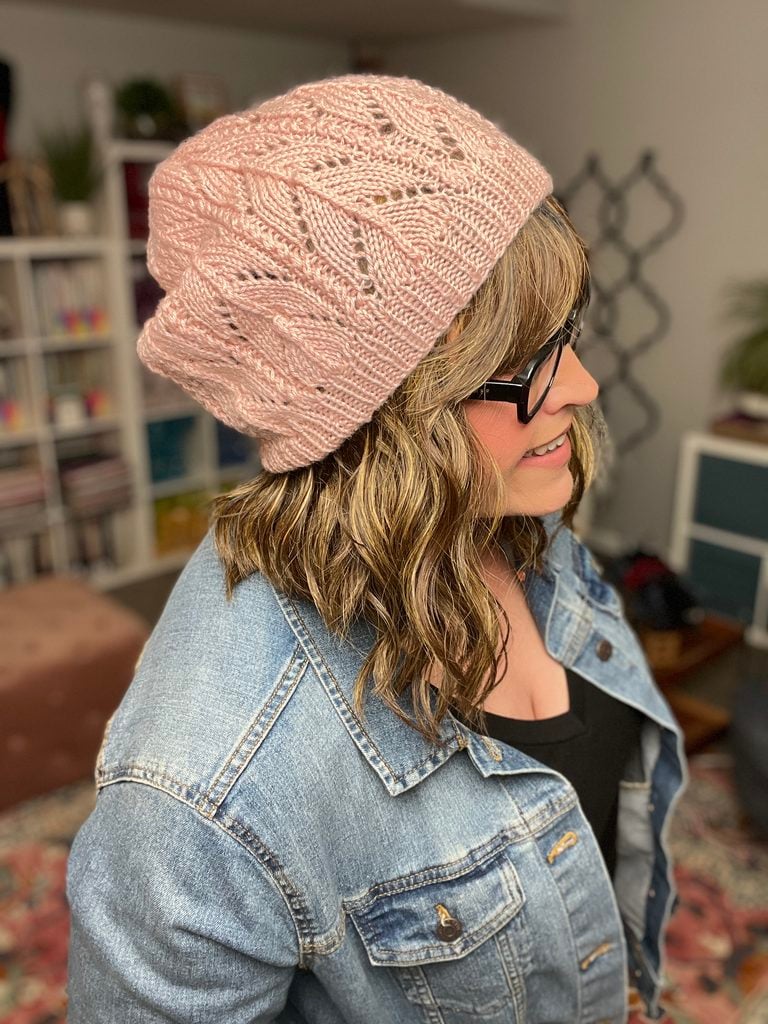
A cartoon avatar of a person with glasses and a brown bun smiles warmly. Their green shirt and black jacket add a stylish touch, while colorful hearts surround them like loving temperature blankets, stitching together an aura of love and positivity. -Marly Bird
🌸 Spring Fling Day 7 Spotlight 🌸

This pattern debuted as Day 7 of Spring Fling 2026 (Tue May 12), when the ad-free PDF of the Bluebonnet Crochet Lace Shawl was 65% off for 24 hours only. The pattern stays free forever right here on the blog.

👉 See the full Spring Fling 2026 lineup on the Hub

Share your finished Bluebonnet Shawl with the hashtag #SpringFling2026 + #BluebonnetShawl 💙

Filed Under: Crochet, Free Patterns, Marly Bird Premium Patterns, Our Free Patterns, Pattern Tagged With: crochet shawl, free crochet pattern, lace crochet, Marly Bird crochet pattern, Red Heart It's A Wrap, spring fling 2026, summer crochet

Lehabah Fire Sprite Shawl: A Free Knit Pattern for Crescent City Fans

May 11, 2026 By Meg Leave a Comment

The Lehabah Fire Sprite Right Triangle Shawl is a free intermediate knit shawl pattern inspired by the fire sprite character from Sarah J. Maas’s Crescent City series. Worked flat in fingering weight yarn on US 5 needles, this asymmetrical right triangle shawl features simple Columns of Lace stitching, an i-cord-style slipped edge, and a ribbed border. Finished piece measures 88 inches along the hypotenuse and drapes beautifully across the shoulders.

Woman with curly blonde hair showcases the orange Lehabah Fire Sprite knit shawl, highlighting stitch detail and drape.

If you love a shawl that wraps you up like a hug AND you love a bookish knit that connects to your favorite fantasy series, this one was made for you. The Lehabah Fire Sprite Right Triangle Shawl is a free knit shawl pattern featuring warm, flame-inspired lace columns that open up gorgeously when blocked. It’s perfect for indie fingering weight skeins and makes a stunning gift for the Crescent City reader in your life (even if that’s you 🔥).

🔥 Spring Fling 2026 Day 6 Pattern: The Lehabah Fire Sprite Knit Shawl debuted as Day 6 of Spring Fling 2026, my 20-day knit and crochet pattern celebration. Cast on, share your progress, and tag me @themarlybird with #LehabahShawl + #SpringFling2026 to be featured. Fire-sprite fans always welcome 🔥💛

Hey, bestie 💛

You know when you read a book and one character just completely steals your heart? That’s Lehabah for me. If you’ve read Sarah J. Maas’s House of Earth and Blood (Crescent City, Book 1), you already know the little fire sprite with the big personality… the one who lights up every scene she’s in, literally and figuratively. I finished that book and immediately started sketching a shawl in her honor. Warm, glowing, lace-like flames dancing up the fabric, stretchy enough to wrap around you like she deserves a giant hug.

This is that shawl. And whether you’re a fellow SJM reader or you just love a beautifully stretchy lace right triangle shawl… cast on. You’re going to love this one.

This post contains affiliate links. If you purchase through them, I may earn a small commission at no extra cost to you… and it helps keep these free patterns coming straight from my yarn-loving heart to yours. 💛

The Lehabah Fire Sprite Shawl in green, purple, and blue features bold colorwork and textured stitches.

What You Will Love About This Pattern 💖

🔥 It’s free here on the blog. The full pattern is right here, thanks to the ads. If you’d rather have an ad-free, printable PDF, you can grab one from Etsy, Shopify, or Ravelry.

📐 The right triangle shape drapes beautifully. At 88 inches along the long edge, it wraps across your shoulders without slipping, and the stretchy lace gives it tons of flex.

🧶 The stitch pattern looks fancier than it is. Columns of Lace is a 2-row repeat over 7 stitches. If you can count to seven and do a yarn over, you can knit this shawl.

📚 It’s named for a Crescent City character you already love. Lehabah is a fire sprite with the biggest heart, and this shawl is my little tribute to her. Bookish knitter energy at its finest.

💛 Perfect yardage for indie fingering skeins. Four 400-yard skeins of a hand-dyed fingering, and you’ve got yourself a heirloom-quality right triangle shawl.

A woman models an orange knitted shawl with fire-inspired details; close-ups highlight intricate stitch patterns and texture.

Quick Pattern Overview

🎯 Skill Level: Advanced Beginner to Intermediate. You need to be comfortable with basic lace (k2tog, ssk, yo) and following a written pattern.

📏 Finished Size: 47 inches across the top edge, 65 inches along the straight side edge, 88 inches along the hypotenuse. The piece is very stretchy and measurements are flexible.

🧶 Yarn: Destination Yarn Letter Plus (fingering weight / CYCA #1). 4 skeins, 1,600 yards total. Colorway: El Rosario Monarch Preserve.

🪡 Needles: US 5 (3.75 mm).

📐 Gauge: 21 sts (3 repeats) = 4 inches in Columns of Lace Pattern.

A woman wears an orange knit shawl with visible stitch detail; pattern preview pages and a “Buy Now” button shown.
Etsy
Shopify
Ravelry

Love the Pattern but Want an Ad-Free PDF?

The full pattern below is 100% free… thank you for supporting the site by reading through the ads! But I totally get it… sometimes you just want a clean, printable, ad-free PDF you can take to your knitting chair (or to the beach, or to the LYS, or to 30,000 feet).

🛒 Buy the ad-free PDF on Etsy
🛍️ Buy the ad-free PDF on Shopify
🧶 Buy the ad-free PDF on Ravelry

Join our Newsletter

Get Free Crochet & Knitting
Pattern Links & Coupons!

Hand-drawn bird with curling, detailed feathers and pink accents; cheerful pose showcases fine line and texture work.
>> Become An Insider <<
A woman with glasses and curly hair models a colorful crocheted scarf, showing textured stitches and vibrant yarn.

Lehabah in Other Colors 🎨

Not feeling the fiery orange? I get it… color is personal, and you should knit a shawl you’ll actually wear. Good news: Lehabah is striking in just about every colorway you can imagine. The Columns of Lace pattern shows beautifully in solids, tonals, and even subtle variegated yarns… so don’t let the original colorway scare you off.

Here are a few of the other colors I’ve think would look great knit up… pick the one that calls to your wardrobe and yarn stash.

Lehabah Fire Sprite knit shawl in multiple colors — free Crescent City inspired knit lace shawl pattern by Marly Bird

💡 Pro tip for picking your color: For maximum lace definition, choose a yarn with subtle tonal shifts or a solid… the Columns of Lace stitch pattern reads more clearly when the yarn doesn’t compete with it. High-contrast variegated yarns can hide the lace texture, so save those skeins for stockinette projects.

Personally, I am partial to the cobalt blue color and I think I need to make another sample pronto!

Marly Bird wears a bright blue textured knit shawl with intricate patterns, highlighting the Lehabah Fire Sprite Shawl design.

Is This Knit Shawl Right for You?

This pattern is a perfect fit if you’ve already done some basic lace work and you’re ready to take on a bigger, more satisfying project. If you can knit, purl, do a yarn over, and work a k2tog and ssk without looking at the tutorial every time, you are 100% ready for Lehabah.

It’s also a dream project for anyone who loves a long, drapey wrap you can really snuggle into. The right triangle shape means it stays on your shoulders instead of sliding off, and the Columns of Lace pattern is meditative without being boring.

If you’re brand new to lace knitting, I’d gently steer you toward my Super Simple Ribbed Lace Knit Scarf & Cowl first. It’s a confidence-building beginner pattern, and once you’ve got that under your belt, Lehabah will feel totally doable.

✨ Designer Tip: Lace looks scary until you realize every RS row is the same eight stitches. Columns of Lace is literally k2tog, yo, k3, yo, ssk, repeated across the row. Purl back. Repeat. If you can count to seven, you can knit this shawl.
Multicolored knit scarf and cowl with rib and lace stitches, blue buttons, displayed with “Super Simple Rib and Lace Scarf & Cowl” text.

Explore More Knit Shawl Patterns

The Lehabah Shawl is part of my growing collection of free knit shawls. If you love this one, you’ll want to browse the full Knit Shawl Patterns hub, where every free shawl is organized by shape, season, and skill level. It’s the easiest way to find your next project.

A few shawl-shaped friends that live near Lehabah:

  • Return To Me Boomerang Knit Shawl — a true boomerang shape (shaping on two edges) with cables and lace
  • Crazy Stripes Knit Crescent Shawl — different curved shape, mosaic colorwork
  • Mariposa Textured Triangle Shawl — similar skill level, worsted weight, triangle shape
  • Over 50 Free Knit Lace Patterns — the full knit lace collection, every skill level

What Is a Right Triangle Shawl, Anyway?

Great question. A right triangle shawl is a shawl shape created by increasing along ONE edge only, every other row, while the other edge stays straight (no spine increases, no second-edge shaping). That single-side growth gives the finished shawl its asymmetrical right-triangle silhouette… with one long top edge that runs across your shoulders and a single point that hangs down your back.

Purple triangular knitted swatch with clear stitch definition, showing start point, increased edge, and bind-off edge.

Right triangle shawls are different from boomerang shawls, which require shaping on TWO edges to get that curved, bent-wing silhouette. Right triangles keep it simple: increase on one side, knit straight on the other. That makes them incredibly beginner-friendly while still producing a long, dramatic drape that wraps beautifully across your shoulders.

A triangular knitted swatch showing labeled edges for a boomerang shawl, with visible garter stitch texture.

Compared to a traditional symmetric triangle shawl (which increases at both edges plus a center spine), a right triangle gives you a more flattering asymmetrical look that drapes naturally without sliding off. The long edge stays put across your shoulders, and the single point becomes a styling feature… you can let it hang, tuck it into your jacket, or wrap it once around your neck like a scarf. The shape is also a yarn-friendly choice for gradient or hand-dyed skeins… they show off their color shifts beautifully along the long edge.

An orange Lehabah Fire Sprite Shawl with textured stitches is displayed by a person in a colorful, book-filled room.

If you want to go deep on shawl shapes, I’ve got a full breakdown in the Knit Shawl Patterns guide. But for right now, just trust me… once you wear a right triangle, you won’t want to go back.


Build Your Skills with This Shawl

Even if you’re already comfortable with lace, Lehabah gives you a few skills worth locking in. You’ll practice working lace over a multi-stitch repeat while maintaining a consistent slipped edge… this is muscle memory you’ll use on every shawl and wrap you ever make.

You’ll also master right triangle construction (increasing on one side only), counting lace stitches between yarn overs and decreases, and blocking lace to fully open up the stitch pattern. That last one is where the magic happens… wet blocking transforms a good shawl into a gorgeous one.

Person models a bright orange knit Lehabah shawl; smaller photos show the same shawl pattern in red, teal, purple, and green.

Need a refresher on any of the abbreviations? My knitting definitions page has every knit term you’ll see in this pattern. Brand new to lace or want to build your foundation? Start with my BiCrafty Bootcamp: Learn to Knit… it’s where all my beginners start.

Want to take your shawl knitting deeper? My BiCrafty Stitch-Nite at Marly Bird House is where I teach shawl techniques like lace edgings, short row garter shaping, and advanced blocking… live, with me, alongside a full community of BiCrafty Besties. It’s the perfect next step after you finish Lehabah.

Marly Bird models a textured green knit boomerang shawl with bold stitch definition, worn over a black top in a cozy room.

Yarn & Materials

This shawl is designed for Destination Yarn Letter Plus, a fingering weight blend of 80% superwash merino wool and 20% nylon. Each skein is 400 yards / 100 grams, and you need 4 skeins total.

The colorway I used, El Rosario Monarch Preserve, was inspired by the monarch butterfly sanctuary in Mexico. But let me tell you… with the warm orange, gold, and flame tones, it could not be more perfect for a Lehabah tribute. It’s basically fire in yarn form.

Suggested Alternative Yarns

Want to substitute? Look for a fingering weight yarn with a bit of nylon (for durability), around 400 yards per 100g skein. Hand-dyed, single-ply indie fingerings also work gorgeously here… this is a great project to use that one skein (okay, four skeins 😅) you’ve been saving for something special.

  • Gloss Fingering
  • ❤️ Twill Fingering
  • Alpaca Cloud Fingering
  • Capretta Superwash Fingering
✨ Designer Tip: Because you’re knitting this at a looser gauge (US 5 with fingering yarn), you want a yarn that blooms beautifully when blocked. Superwash merino is exactly that kind of yarn. Avoid tightly-spun, heavy-twist fingerings for this project… you want drape, not structure.

Video Tutorials

If you’re a visual learner, I’ve got you. Here are my go-to videos for every technique you’ll use in the Lehabah Shawl:

  • Long-Tail Cast-On
  • Knit Stitch (Continental style)
  • Purl Stitch (Continental style)
  • How to Knit Lace
  • How to Add a Lifeline
  • How to Tink (un-knit) Lace
  • How to Bury Ends

Vibrant orange knit shawl with intricate stitch detail shown in two poses, modeled indoors; text: "LEHABAH.

Lehabah Fire Sprite Right Triangle Shawl — Pattern Details

Skill Level

Intermediate

Finished Measurements

Shawl measures 47″ [119.5 cm] across top edge, 65″ [165 cm] along straight side edge, and 88″ [223.5 cm] along hypotenuse.

Note: Piece is very stretchy and measurements are flexible.

Gauge

21 sts (3 repeats) = 4″ [10 cm] in Columns of Lace Pattern.

Materials

Yarn: Destination Yarn Letter Plus (80% superwash merino wool, 20% nylon, 400 yds / 365 m, 3½ oz / 100 g, CYCA #1 fingering)
4 skeins: El Rosario Monarch Preserve

Needle: US 5 [3.75 mm], or size required for gauge.

Notions:

  • Ball Winder and Swift 
  • Removable Stitch Markers
  • Tapestry needle 
  • Scissors
  • Tape measure
  • Notions Bag for Supplies
  • Blocking Squares
  • Blocking Pins 
  • Soaking Basin
  • Eucalan Wool Wash
  • Blocking Wires (ideal for lace work)
⭐️ Marly Bird Amazon Storefront ⭐️

Abbreviations

  • K – Knit
  • K2tog – Knit 2 Together
  • P – Purl
  • RS – Right Side
  • Sl – Slip
  • St(s) – Stitches
  • WS – Wrong Side
  • Wyif – With Yarn In Front
  • Yo – Yarn Over
A Lehabah Fire Sprite Shawl drapes over a black top, showing intricate knit stitches and vibrant colors in a cozy craft room setting.

Special Stitches

Ssk (Slip, Slip, Knit): Slip 2 stitches, one at a time, as if to knit. Insert left hand needle into the front of these two stitches and knit them together from this position (1 stitch decreased).

Pattern Stitches

Edge Pattern (used at the beginning and end of rows throughout shawl):

Row 1 and all RS rows: [Sl 1 wyif, k1] twice, work in pattern as indicated to last 3 sts, kfb, k2.
Row 2 and all WS rows: Sl 1 wyif, k2, work in pattern as indicated to last 4 sts, [sl 1 wyif, k1] twice.

Columns of Lace Pattern (worked over a multiple of 7 sts):

Row 1 (RS): * K2tog, yo, k3, yo, ssk; repeat from * to end.
Row 2: Purl.

Chart

✨ Following along with the free pattern on MarlyBird.com? You’ll have everything you need to make the shawl, but if you want the exclusive stitch charts, those are only available in the ad-free PDF version.

You’ll enjoy a clean, printable, ad-free experience while supporting Marly Bird’s free tutorials and patterns 💖

Etsy
Shopify
Ravelry
A woman wears an orange knit shawl with visible stitch detail; pattern preview pages and a “Buy Now” button shown.

Notes

Before You Begin

This shawl is one of those relaxing, “just one more row” kind of projects 😊 The simple lace repeat is easy to memorize after a few repeats, making it a wonderful travel or TV knitting project.

A few things to keep in mind before you cast on:

  • The shawl begins at one corner and grows outward into a right triangle shape.
  • You will increase 1 stitch every Right Side row to gradually widen the shawl.
  • The slipped-stitch edging gives the shawl a tidy, professional-looking finish while also helping the edges stay smooth.
  • The lace pattern is stretchy and airy, so your shawl may look smaller before blocking. Trust the process—wet blocking really brings this shawl to life!
  • Don’t stress about perfection. Because of the texture and drape of the fabric, small mistakes tend to disappear beautifully into the finished piece.
  • If you love a giant cozy wrap, keep knitting additional repeats before working the border. If you prefer a smaller scarf-style shawl, stop earlier.
✨ Designer Tip: Add a lifeline every few repeats of the lace pattern. It makes relaxing into the knitting so much easier!

GROW

To Unlock Exclusive Subscriber Content click the Box below and join for free by simply adding your email and creating a password! If you are having troubles, clear your cache or reset your password or login to the Grow Publisher Portal.

>> Learn More About Grow Here <<

I’m thrilled to share this amazing pattern with you, many patterns on my blog are absolutely free! I kindly request that you don’t copy and paste or distribute this pattern. Prefer an ad-free experience? Buy a digital PDF pattern for a small fee from one of my online stores for a seamless crafting journey. 

I appreciate your support and readership. You are the reason I can keep doing what I love and sharing it with others. So, thank you from the bottom of my yarn-loving heart! Disclosure: This post contains affiliate links, meaning I get a commission if you decide to make a purchase through my links at no cost to you.

Woman with curly blonde hair wears an orange knit Lehabah Fire Sprite Shawl, showing lace detail; bookshelves in background.

Lehabah Fire Sprite Right Triangle Shawl — Pattern Instructions

Cast on 5 sts using long tail cast-on (see Video Tutorials above).

Setup Rows

Row 1: Sl 1 wyif, k1, sl 1 wyif, kfb, k1 — 6 sts.
Row 2: [Sl 1 wyif, p1] 3 times.
Row 3: Sl 1 wyif, k1, sl 1 wyif, kfb, k2 — 7 sts.
Row 4: Sl 1 wyif, k2, [sl 1 wyif, k1] twice.
Row 5: [Sl 1 wyif, k1] twice, kfb, k2 — 8 sts.

Row 6: Sl 1 wyif, k3, [sl 1 wyif, k1] twice.
Row 7: [Sl 1 wyif, k1] twice, k1, kfb, k2 — 9 sts.
Row 8: Sl 1 wyif, k4, [sl 1 wyif, k1] twice.
Row 9: [Sl 1 wyif, k1] twice, k2, kfb, k2 — 10 sts.
Row 10: Sl 1 wyif, k5, [sl 1 wyif, k1] twice.
Row 11: [Sl 1 wyif, k1] twice, k3, kfb, k2 — 11 sts.
Row 12: Sl 1 wyif, k6, [sl 1 wyif, k1] twice.
Row 13: [Sl 1 wyif, k1] twice, k4, kfb, k2 — 12 sts.
Row 14: Sl 1 wyif, k7, [sl 1 wyif, k1] twice.
Row 15: [Sl 1 wyif, k1] twice, k5, kfb, k2 — 13 sts.
Row 16: Sl 1 wyif, k8, [sl 1 wyif, k1] twice.
Row 17: [Sl 1 wyif, k1] twice, k6, kfb, k2 — 14 sts.
Row 18: Sl 1 wyif, k9, [sl 1 wyif, k1] twice.

Begin Columns of Lace Pattern

Row 19: [Sl 1 wyif, k1] twice, work in Columns of Lace Pattern to last 3 sts, kfb, k2 — 15 sts.
Row 20: Sl 1 wyif, k3, work in Columns of Lace Pattern to last 4 sts, [sl 1 wyif, k1] twice.
Row 21: [Sl 1 wyif, k1] twice, work in Columns of Lace Pattern to last 4 sts, k1, kfb, k2 — 16 sts.
Row 22: Sl 1 wyif, k3, p1, work in Columns of Lace Pattern to last 4 sts, [sl 1 wyif, k1] twice.
Row 23: [Sl 1 wyif, k1] twice, work in Columns of Lace Pattern to last 5 sts, k2tog, yo, kfb, k2 — 17 sts.
Row 24: Sl 1 wyif, k3, p2, work in Columns of Lace Pattern to last 4 sts, [sl 1 wyif, k1] twice.
Row 25: [Sl 1 wyif, k1] twice, work in Columns of Lace Pattern to last 6 sts, k2tog, yo, k1, kfb, k2 — 18 sts.
Row 26: Sl 1 wyif, k3, p3, work in Columns of Lace Pattern to last 4 sts, [sl 1 wyif, k1] twice.
Row 27: [Sl 1 wyif, k1] twice, work in Columns of Lace Pattern to last 7 sts, k2tog, yo, k2, kfb, k2 — 19 sts.
Row 28: Sl 1 wyif, k3, p4, work in Columns of Lace Pattern to last 4 sts, [sl 1 wyif, k1] twice.
Row 29: [Sl 1 wyif, k1] twice, work in Columns of Lace Pattern to last 8 sts, k2tog, yo, k3, kfb, k2 — 20 sts.
Row 30: Sl 1 wyif, k3, p5, work in Columns of Lace Pattern to last 4 sts, [sl 1 wyif, k1] twice.
Row 31: [Sl 1 wyif, k1] twice, work in Columns of Lace Pattern to last 9 sts, k2tog, yo, k4, kfb, k2 — 21 sts.
Row 32: Sl 1 wyif, k3, p6, work in Columns of Lace Pattern to last 4 sts, [sl 1 wyif, k1] twice.

Repeat Rows 19–32 only 29 more times — 224 sts.

✨ Designer Tip: Pop in a lifeline every 10-15 pattern repeats. It takes about 30 seconds and it will save you an hour of tinking if something goes sideways. Past-you will thank future-you every single time. New to lifelines? Watch my quick tutorial here.
Bright orange lace shawl with intricate stitchwork, outstretched indoors, plant and patterned rug visible in the background.

Border

Row 1 (RS): [Sl 1 wyif, k1] twice, k2, p3, * k4, p3; repeat from * 29 more times, k5.
Row 2: K8, * p4, k3; repeat from * 29 more times, p2, [sl 1 wyif, k1] twice.

Repeat Rows 1 and 2 until Border measures 2″ [5 cm].

Bind off all sts loosely in rib pattern.

Finishing

Weave in all loose ends. Block to measurements as needed.


Blocking Tips

Okay, listen… if you skip blocking, you are literally leaving the magic on the table. Lace before blocking looks like crumpled fabric. Lace AFTER blocking looks like flames opening up across your shoulders. This is the single most important step in lace shawl knitting.

Soak the finished shawl in cool water with a splash of wool wash for about 20 minutes. No agitation, just let it drink. Squeeze out the water gently (don’t wring!), roll in a towel and press to remove excess moisture. Lay flat on blocking mats and stretch to finished measurements, pinning or using blocking wires along the long edge to really open up the lace. Let dry completely before removing pins… this is usually 24 hours. Be patient.

Because this shawl uses a superwash merino, be a little careful with how aggressively you block… superwash can over-relax. Want a deep dive on blocking superwash yarn specifically? I’ve got you: Steam Blocking vs Wet Blocking Superwash Yarn.

Colorful knit blockers in a clear box with one blocker out, showing metal pins for blocking knitted or Tunisian crochet pieces.

Love This Yarn? More Patterns Using Fingering Weight!

If you’ve fallen for fingering weight (and honestly… who could blame you), you’ve got plenty of other Marly Bird patterns to enjoy with that same gorgeous drape and stitch definition. Here are some of my favorite fingering weight knit patterns to cast on next:

A triangular crochet shawl features mosaic, striped, and geometric stitches in pinks, purples, white, and gray on a mannequin.

Anne Slip Stitch Mosaic Knit Shawl

If Lehabah taught you to love fingering weight and lace, the Anne Slip Stitch Mosaic Knit Shawl takes you in a completely different direction… mosaic colorwork with bold geometric patterns, worked corner-to-corner. Same fingering weight love, completely different visual energy. Great for knitters who want to explore slipped-stitch colorwork without the float-juggling of stranded knitting.

My First Toe-Up Knit Socks

Fingering weight sock yarn is basically magic in your hands… and if you’ve been thinking about knitting your first pair of socks, my Toe-Up Knit Socks free pattern with the German Short Row heel is a beginner-friendly place to start. Same fingering weight you’re already in love with from Lehabah, in a completely different (very practical) project.

Orange knit socks with wavy pink and white designs; one sock has a pink toe and cuff, the other white. Shown on wood surface.

Hint of Hazelnut Knit Socks

meg add something here

More Than Just Socks Fingerless Mittens

meg add something here

Fingerless gloves in pink speckled yarn shown on hands, highlighting stitch detail and texture. Dried leaves and flower add contrast.
Hand-knit socks with blue toes, heels, and cuffs, and a patterned center panel, shown on wooden blockers. Mini Madness Knit Helix Socks.

Mini Madness Knit Helix Socks

Meg add something here

Favorite & Queue on Ravelry

Please favorite and queue the Lehabah Fire Sprite Right Triangle Shawl on Ravelry and tag your finished projects #LehabahShawl or #mmmdi so I can see them! There is nothing I love more than watching your versions come to life… every color, every blocking shot, every glowing finished photo.

Favorite This Pattern on Ravelry - Marly Bird

More Knit Shawl Patterns You’ll Love

  • Make It Mine Easy Knit Triangle Shawl — beginner-friendly, customizable triangle
  • Stellar Stripes Hexagon Shawl — sport weight hexagon with bold stripes
  • Flirt Alert Knit Triangle Shawl — worsted weight, top-down triangle
  • 23 Free Knit Summer Shawls Roundup — the full collection for warm weather

Or browse the full Knit Shawl Patterns hub for every free shawl on the blog, sorted by shape, season, and skill level. Want to branch out beyond shawls? Check out my full library of free knit and crochet patterns… there is something here for every craft mood.

Woman models a hand-knit shawl with visible textured stitches; surrounded by crafting icons and pattern elements.

Frequently Asked Questions

What shape is the Lehabah shawl?

Lehabah is a right triangle shawl. That means it’s constructed by increasing on ONE edge only, row after row, while the other edge stays straight. The result is an asymmetrical right-triangle silhouette with a long top edge (about 88 inches) that runs across your shoulders and a single point that hangs down your back. It’s NOT a boomerang shawl… boomerangs require shaping on two edges to get that bent-wing curve. Right triangles like Lehabah are simpler to knit AND drape beautifully without sliding off your shoulders.

Can I substitute a different yarn?

Totally, yes. Just look for a fingering weight yarn (CYCA #1) with around 400 yards per 100g skein, and get 4 skeins for the full shawl. A little nylon content is nice for durability since superwash merino can relax a lot when blocked. Hand-dyed single-ply fingerings work beautifully here too.

Is this pattern really intermediate, or can a confident beginner try it?

Honestly… if you’ve done basic yarn overs and you can read a pattern with confidence, you can absolutely do this. The lace is a 2-row repeat and it’s literally the same 7 stitches over and over. The edge pattern takes a few rows to click, but once it does, it becomes muscle memory. If you’ve never done lace at all, start with my Super Simple Rib and Lace Scarf & Cowlfirst.

Do I need blocking wires to finish this shawl?

You don’t need them, but they make blocking a lace shawl so much faster and give you cleaner edges. If you don’t have blocking wires, use lots of T-pins along the long edge. Either way, don’t skip blocking… lace doesn’t look like lace until it’s opened up.

Why is it called Lehabah? Do I need to have read Crescent City?

Nope, you don’t need to have read the books at all… the shawl is stunning on its own. But if you have read Sarah J. Maas’s Crescent City series, you know Lehabah is the fire sprite with the biggest heart in Griffin Antiquities. The warm, flame-like lace and glowing colorway felt like the perfect tribute to her. Grab the book on Amazon and read while you knit… peak bookish-knitter energy.

What if I make a mistake in the lace section?

First… take a breath. It happens to all of us. If you’ve been using lifelines (please use lifelines 🙏 see video below), just rip back to your last one and re-knit. If you didn’t, you can carefully tink (un-knit) back stitch by stitch. My How to Tink video will walk you through it.

Can I make this shawl bigger or smaller?

Yes! The pattern repeats rows 19-32 thirty times total, so you can stop earlier for a smaller shawl or keep going for a bigger one. Just make sure you end on a Row 32 before starting the border, and adjust your yarn yardage accordingly. Each full 14-row repeat adds a few inches overall.

A person wears the Lehabah Fire Sprite Shawl, a large knit wrap in blue with rich texture and subtle stitch detailing.

Can I make my shawl in a different color?

Absolutely… the color is yours to choose! While the original Lehabah is a warm flame-orange to honor the fire sprite character, this shawl looks absolutely stunning in just about every color you can imagine. Solids, hand-dyed tonals, gentle gradients… they all let the Columns of Lace stitch pattern shine. Want to see Lehabah knit up in other colorways? Scroll up to the Lehabah in Other Colors section for inspiration. The only thing I’d skip is a high-contrast variegated yarn… the color shifts can fight with the lace and hide the texture. Stick with subtle color movement and your shawl will be a showstopper in whatever shade speaks to you.

Where can I get the ad-free PDF?

You’ve got three options: Etsy, Shopify, or Ravelry. Same pattern, same price, pick whichever shop you prefer. Your purchase supports me as an indie designer and keeps the free patterns coming. 💛

🛒 Buy the ad-free PDF on Etsy
🛍️ Buy the ad-free PDF on Shopify
🧶 Buy the ad-free PDF on Ravelry


Person wearing a bright orange knitted Lehabah Fire Sprite Shawl with eyelet stitch detail over a black top in a colorful room.

Final Thoughts

I love it when a book character crawls into my imagination and refuses to leave until I’ve made something in their honor. Lehabah did exactly that. This shawl is warm, a little dramatic, deeply snuggly, and it reminds me of her every time I wrap it around my shoulders.

If you cast it on, please please please share your progress… tag me @marlybird on Instagram or Facebook and use #MMMDI (Marly Made Me Do It), #MarlyBird, or #LehabahShawl so I can see it. I want every color, every blocking shot, every glowing finished photo. And if you’re sitting there thinking “I’ve got three WIPs already, I shouldn’t start another one”… friend, we both know the shawl wins. Cast on. 🔥

Happy knitting, bestie.

❤️ Your BiCrafty Bestie,
Marly Bird
A cartoon avatar of a person with glasses and a brown bun smiles warmly. Their green shirt and black jacket add a stylish touch, while colorful hearts surround them like loving temperature blankets, stitching together an aura of love and positivity. -Marly Bird

Filed Under: Free Patterns, Knit Shawl Patterns, Knitting, Marly Bird Premium Patterns, Our Free Patterns, Pattern, Uncategorized Tagged With: BiCrafty, bookish knitting, Columns of Lace, Crescent City knit pattern, fingering weight knit shawl, fire sprite shawl, free knit pattern, free knit shawl pattern, intermediate knitting, knit lace shawl, knit shawl, Lehabah shawl, Marly Bird, right triangle knit shawl, Sarah J Maas knitting, triangle shawl
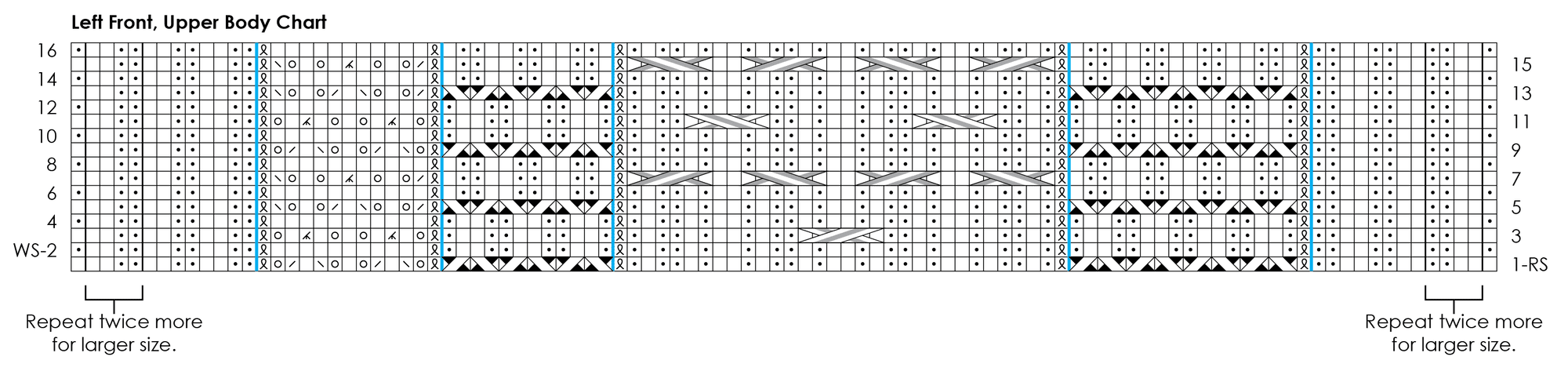
  • 1
  • 2
  • Next Page »

Let's Be Social

Join the Marly's Minions Facebook group to share, ask questions, or chat about all of your yarn related crafts!

Join the group
Cartoon of a smiling woman with brown hair in a bun, glasses, black jacket and green shirt, waving next to large "hi" text.

Quick Links

The Pattern Shop

Our Free Patterns

Blog

Marly Bird House
Learn to Knit & Crochet

About

Giveaway Terms and Privacy Notice

Find Us Everywhere

Join the Newsletter

YouTube Channel

Marly's Minions FB Group

Etsy Store

Ravelry Store


AN ELITE CAFEMEDIA HOME/DIY PUBLISHER

Information from your device can be used to personalize your ad experience. Do not sell or share my personal information.

Privacy Policy   Terms   Marly Bird Legal Documents Copyright © 2026