15 Free Knit Intarsia Patterns
Intarsia is a colorwork technique where the color is grouped in sections. You'll wind small balls of each color, and the color stays at the section instead of being carried along the length of the row. Now it's time to check out these free knit intarsia patterns. Read on…
Learn intarsia with Camp Colorwork!
Don't miss the free intarsia crochet projects!
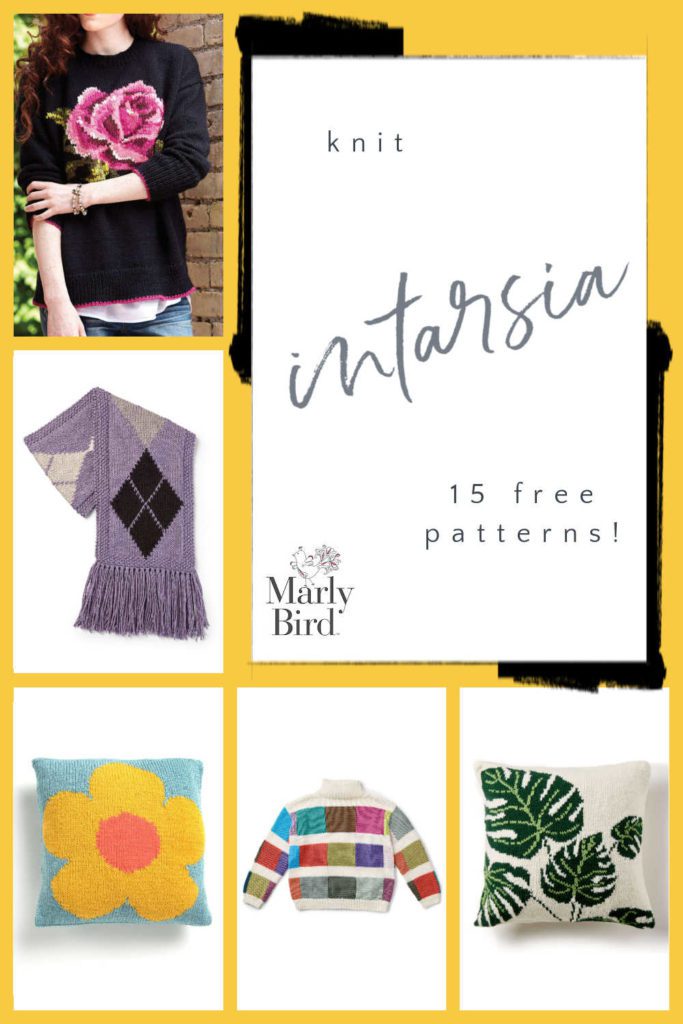
Remember Argyle socks? The contract color diamonds with diagonal lines crossing in the center? That distinct pattern is an eternal classic whether it's worked on socks, sweaters, scarves, or blankets. But other than this classic pattern, you'll find other blocks and diamonds, flowers, leaves, a snowman, and even the British flag.
- In Bloom Pullover
- Snowman Stocking
- Knit Argyle Scarf
- Peaceful Kiddo Pullover
- Love My Doll Sweater and Messy Bun Hat
- Knit Intarsia Mod Flower Pillow
- Knit Intarsia Smiling Starfish Baby Blanket
- Diamond Scarf
- Shifting Blocks Knit Scarf
- Monochrome Swatch Knit Sweater
- Color Swatch Knit Sweater
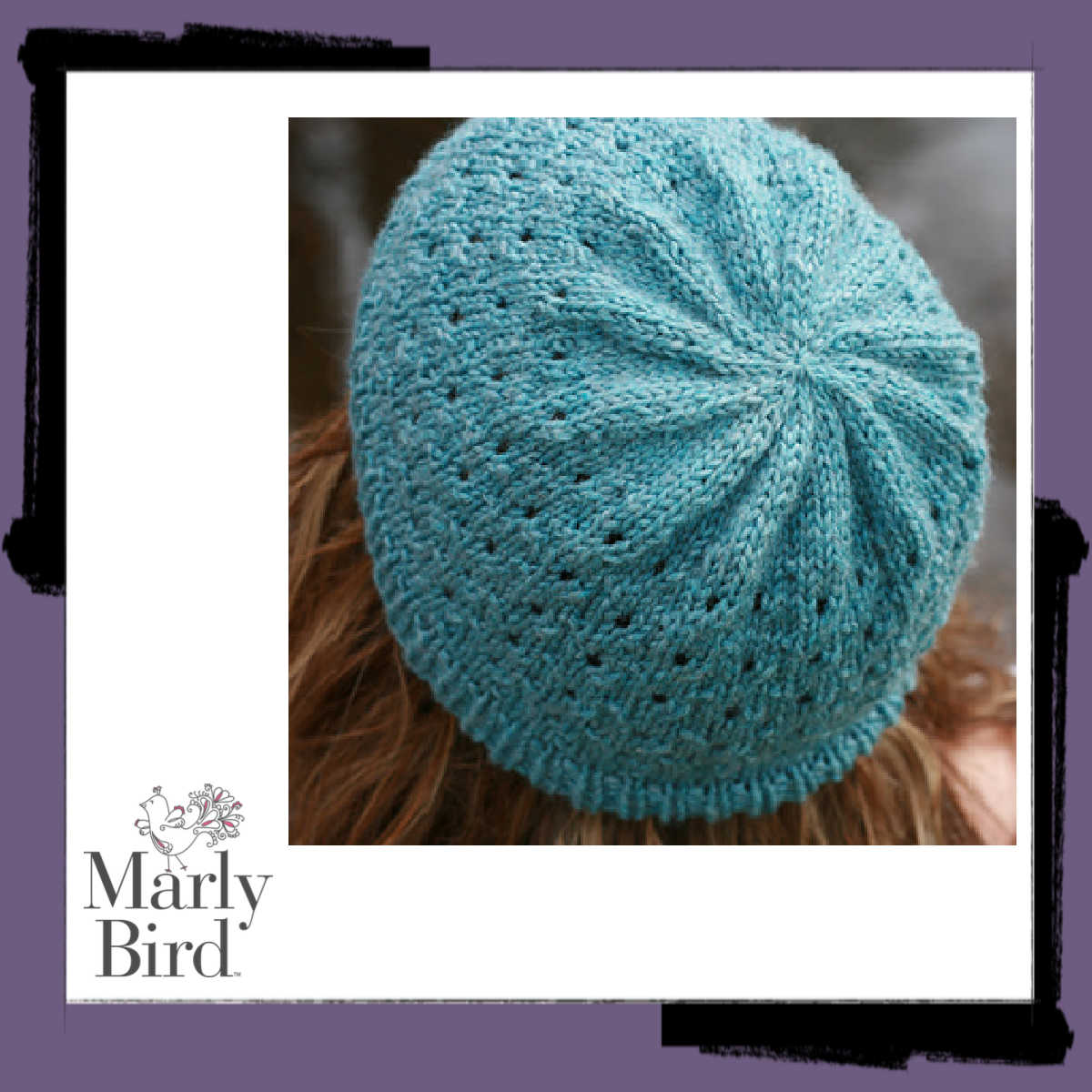
- Color Chip Knit Hat
- Union Jack Pillow
- Tropical Leaf Knit Pillow
- Colorblock Knit Washcloth
Intarsia knitting may take practice to get a really neat look with smooth color changes. If you want to learn more and perfect the technique, signing up for Camp Colorwork is well worth the investment. See the link below the color swatch knit sweater picture.
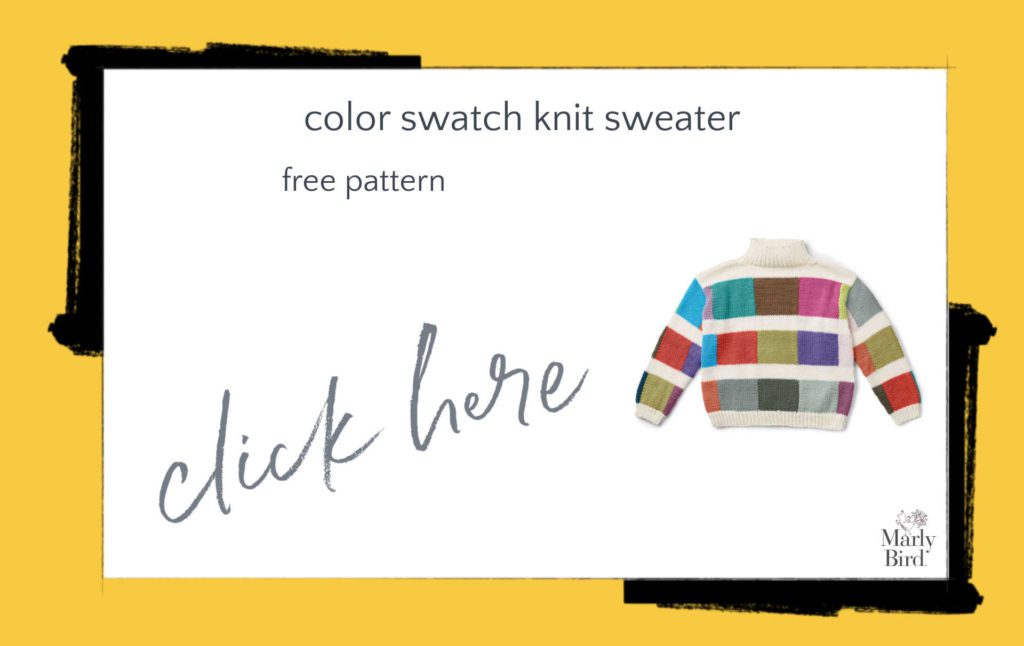
Learn intarsia with Camp Colorwork!
For more free knit intarsia patterns, click on the links below. We might just have exactly what you're looking for!
You May Also Like
- VOTE Sweater
- Video Tutorial-How to Finish Intarsia Perfectly
- Knit Intarsia Blocks
- Learn How to Knit Flat Intarsia with Anne Berk and Marly Bird
- Chic Sheep Dream Intarsia Knit Blanket || Free Intarsia Afghan Pattern by Anne Berk
Frequently Asked Questions
What is intarsia knitting?
Intarsia is a colorwork technique where you use separate balls or bobbins of yarn for each color section, rather than carrying the yarn across the row. Each section of color “lives” in its own little yarn supply. When you move from one color section to the next, you twist the yarns together at the join to prevent holes in your fabric. It's perfect for large isolated motifs like hearts, geometric shapes, letters, or picture designs in the middle of a sweater or blanket.
Is intarsia harder than Fair Isle colorwork?
They're different challenges! Fair Isle (stranded colorwork) requires managing floats and tension across the whole row. Intarsia requires managing multiple yarn bobbins and remembering to twist at each color join. Most knitters find the yarn management in intarsia a bit fussier, especially when there are many separate color sections. But the finished fabric is often easier to block and doesn't have the weight of floats behind it. Try both and see which clicks better for you.
How do I prevent holes at the color joins in intarsia?
Twisting! When you get to a color change, pick up the new color yarn from under the old color yarn. This locks the yarns together and closes the join. If you forget to twist, you'll have a gap between the color sections. It helps to think of it as “locking in” the new color before you start knitting with it. Once this becomes habit, the joins are invisible in the finished fabric and the color sections integrate seamlessly.
What projects are best for intarsia knitting?
Intarsia shines for isolated graphic motifs… a heart on a sweater front, a Christmas tree on a stocking, geometric shapes on a pillow, letters spelling out a name. Flat knitted objects (worked in rows) are generally easier for intarsia than circular knitting, though both are possible. Blankets, cushion covers, and flat garment pieces are popular. Because intarsia requires multiple yarn supplies, smaller concentrated motifs are more manageable than all-over colorwork patterns.
What's the easiest intarsia project for a beginner?
A dishcloth or small pillow cover with a simple two-color geometric motif… a heart, a diamond, or a simple chevron… is the perfect starting point. Keep it small (fewer stitches and rows) and use just two colors to minimize the number of yarn bobbins. Working at a larger gauge (worsted weight with size 7-8 needles) means bigger stitches and faster feedback on whether your joins are working. Small and simple first… the technique is learnable, it just takes some practice to get smooth.
Categories: Free Patterns, Knitting, Marly Bird Premium Patterns, Our Free Patterns, Pattern, Round Ups