
51 Free Crochet Corner-to-Corner Patterns (C2C + On the Bias)
Looking for free crochet corner-to-corner patterns? This collection covers 51 free C2C and crochet-on-the-bias patterns from blankets and throws to scarves, pillows, and dishcloths. Whether you're brand new to diagonal crochet or ready to tackle your first graphghan, there's something here for every skill level.
⚡ Quick Answer:
Best for beginners: the Striped C2C Crochet Blanket (simple color changes, no chart). Best graphghan: C2C Pop Art Flowers (bold pixel art, approachable chart). Best bias project: Daydreamer Diagonal Blanket (smooth fabric, stunning color gradients). All 51 patterns are free on Yarnspirations.
Hey, bestie 💛
Corner-to-corner crochet is one of those techniques that looks so impressive… but is honestly much more approachable than it appears. Once you get the rhythm of the blocks, it becomes almost meditative — and the pixelated results are absolutely stunning. Whether you want to make a cozy throw or a personalized graphghan with your family's name, this list has you covered. Let's dive in!
✨ Updated July 2026 with refreshed links and new framework formatting.
🧶 What Is Corner-to-Corner Crochet?
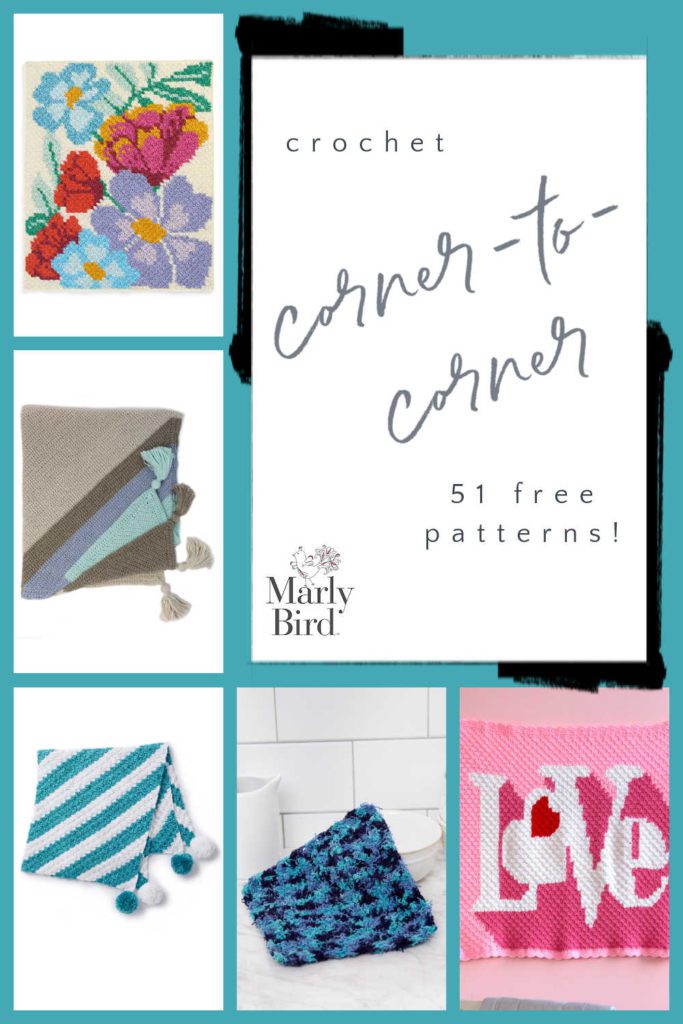
Most crochet patterns work in horizontal rows, moving from one side to the other. Corner-to-corner (C2C) flips that on its head — you start in one corner with a tiny block of stitches, increase diagonally until you reach the widest point, then decrease back down to the opposite corner.
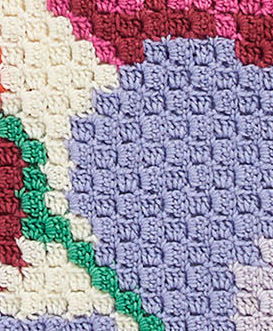
Each C2C “block” typically consists of 4 double crochet stitches grouped together. When those blocks stack up diagonally, you get that signature pixel texture that's perfect for graphghans, blankets with pictures or words, and graphic throws.
What About Crocheting on the Bias?
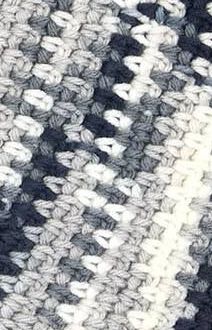
Crocheting on the bias creates a similar diagonal fabric but uses a completely different method. Instead of grouped blocks, you work regular single crochet, half double, or double crochet stitches in back-and-forth rows with consistent increases on one edge and decreases on the other.
The bias method creates a smoother fabric than C2C blocks — no pixel texture — making it ideal for scarves, shawls, and pillows where you want the yarn's color or texture to shine without the graphic block look.
🧶 Free C2C Crochet Blanket Patterns
These are the patterns that started it all for most C2C crocheters… blankets and throws. The graphic variety here is incredible — from simple stripes to full graphghan charts with animals, snowflakes, and geometric designs.
- Corner to Corner Guest Throw — Red Heart
- Crochet Corner-to-Corner Throw — Red Heart
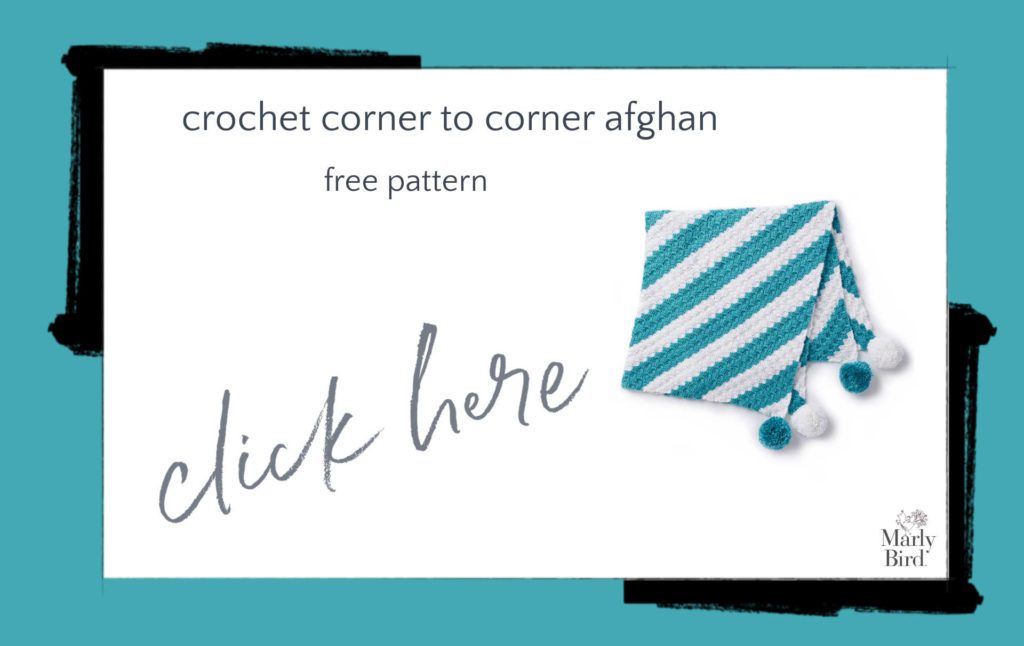
- Crochet Corner to Corner Afghan — Caron
- Corner to Corner Crochet School Bus Blanket — Bernat
- Corner-to-Corner Ombré Throw — Red Heart
- Crochet Corner to Corner Afghan — Bernat
- Corner-to-Corner Restful Throw — Red Heart
- Corner-to-Corner Crochet Throw — Red Heart
- Corner to Corner Pretty Florals Crochet Graphghan — Caron
- Block Party Crochet Blanket — Bernat
- Geometric C2C Crochet Blanket — Bernat
- Geo Folk C2C Crochet Afghan — Bernat
- Argyle C2C Crochet Baby Blanket — Caron
- C2C Pop Art Flowers Crochet Blanket — Caron
- Bias Panels C2C Chevron Crochet Blanket — Bernat
- Peak Your Interest C2C Crochet Tapestry — Red Heart
- Digital Snowflake C2C Crochet Blanket — Red Heart
- Solomon's Knot C2C Crochet Blanket — Red Heart
- C2C Crochet Lattice Blanket — Bernat
- Geometric Steps C2C Crochet Blanket — Red Heart
- Crochet C2C Nordic Motif Blanket — Bernat
- Daisy C2C Crochet Blanket — Bernat
- Striped C2C Crochet Blanket — Bernat ⭐ Great for beginners
- Fading Rainbow C2C Crochet Blanket — Bernat
- C2C Blast Off Crochet Baby Blanket — Bernat
- C2C Crochet Dreamy Clouds Baby Blanket — Bernat
- Crochet C2C Big Star Blanket — Bernat
- C2C Crochet Dino Blanket — Bernat
- Bias Blocks Baby Blanket — Bernat
- Heart Throb Blanket — Red Heart
- Corner-to-Corner Snowflake Blanket — Red Heart
🧶 Other C2C Crochet Patterns
C2C isn't just for blankets! These patterns take the same diagonal block technique and apply it to dishcloths, a bobble cowl, and stylish scarves.
- Scrubbing Stripes C2C Crochet Dishcloth — Red Heart
- Corner-to-Corner Dishcloth — Lily Sugar ‘n Cream
- Crochet Corner to Corner Bobble Cowl — Caron
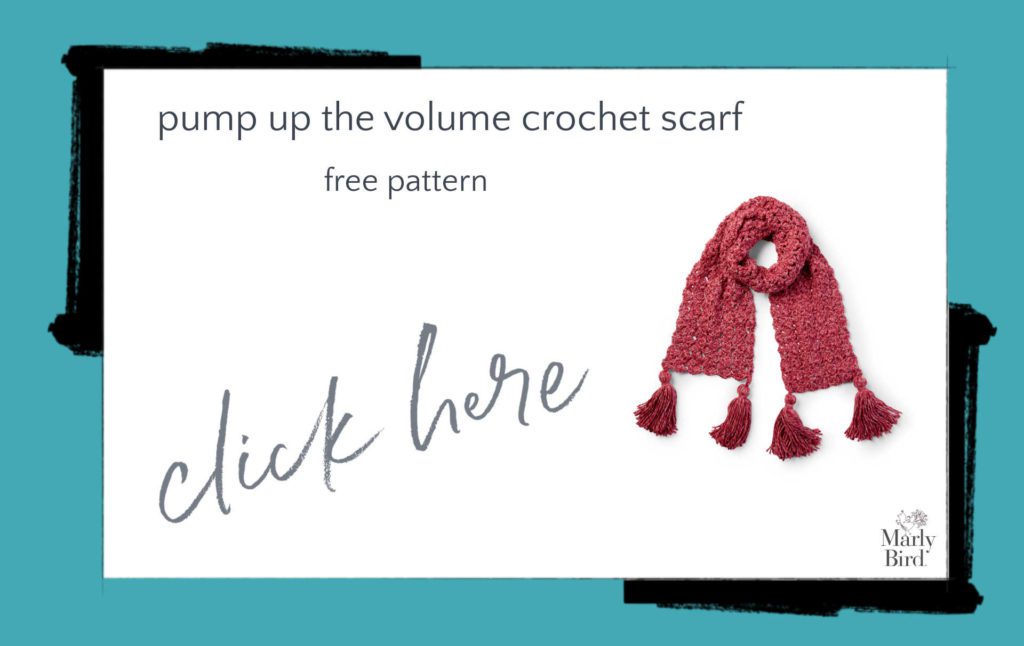
- Pump Up the Volume Crochet Scarf — Bernat
- Pump Up the Volume Crochet Super Scarf — Bernat
- On the Bias Crochet Scarf — Caron
- On the Bias Scarf — Patons
🧶 Free Crochet on the Bias Patterns
Crocheting on the bias gives you that beautiful diagonal drape without the block texture of C2C. These patterns are perfect if you love the look of stripes going diagonally, or want a smoother fabric for shawls, pillows, or home decor.
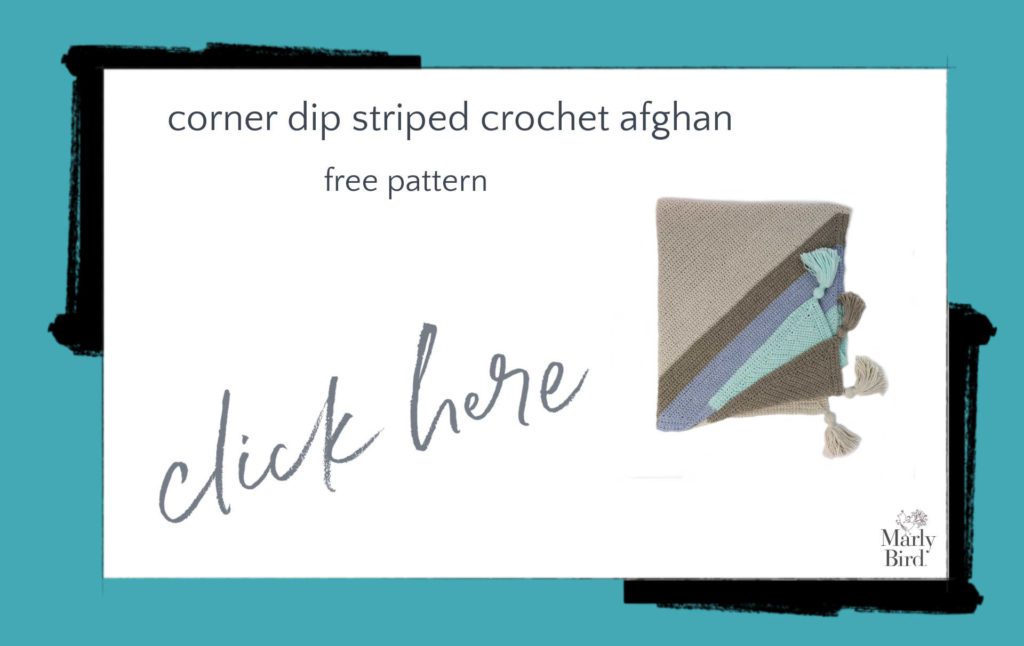
- Corner Dip Striped Crochet Afghan — Patons
- Daydreamer Diagonal Blanket — Red Heart ⭐ Best bias pick
- Earn Your Stripes Baby Blanket — Bernat
- Fur Trimmed C2C Crochet Blanket — Bernat
- Bias Striped Swirl Crochet Blanket — Caron
- Bias Loop Crochet Cushion — Caron
- Corner to Corner Crochet Pillow — Bernat
- Loopy Corner Crochet Pillow — Bernat
- Corner to Corner Crochet Dishcloth — Red Heart
- Crochet Shawl on the Bias — Caron
- Grays on a Bias Crochet Shawl — Caron
- Bias Color Block Crochet Scarf — Red Heart
- Stepping Diamonds Crochet Scarf — Caron
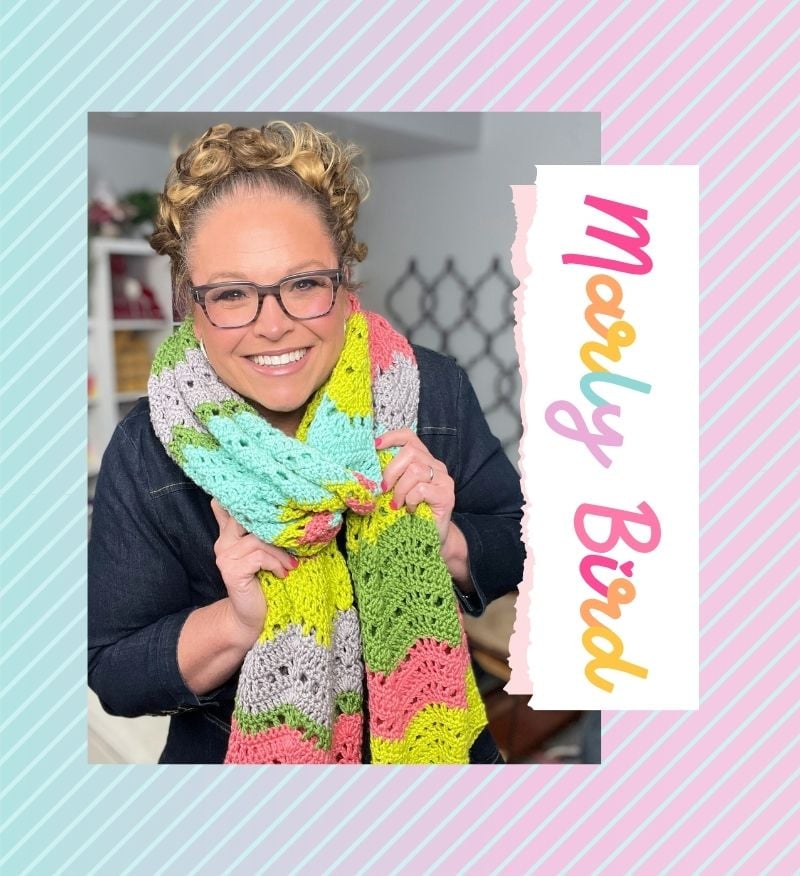
🎓 Learn C2C Crochet with Marly Bird
Want to learn the C2C technique before diving into the patterns above? I've got you covered with tutorials and full pattern walkthroughs right here on the blog.
- BiCrafty Bootcamp: Corner-to-Corner Crochet Lesson — Marly's step-by-step C2C tutorial for beginners
- Corner-to-Corner Rectangle Using Half Double Crochet
- Beginner Corner to Corner Crochet Blanket
- Corner to Corner Planned Pooling Crochet Chevron Throw Blanket
- Corner to Corner Single Crochet Entrelac 12” Square
- Heart Throb Baby Blanket — C2C Pattern Walkthrough
💛 More Free Crochet Patterns You'll Love
If you loved exploring diagonal crochet, here are more free crochet pattern collections to bookmark…
- Day Dream C2C Crochet Blanket — Marly's own colorful corner-to-corner throw pattern, free on the blog
- Modern Mosaic Blocks Throw — free mosaic crochet blanket perfect for color lovers
- Free Crochet Mitten Patterns — roundup of the best free crochet mitten patterns
- Free Knit and Crochet Holiday Patterns — perfect for seasonal C2C gift projects
Join our Newsletter
Get Free Crochet & Knitting
Pattern Links & Coupons!
❓ Frequently Asked Questions
What exactly is corner-to-corner crochet?
Instead of working in horizontal rows, corner-to-corner (C2C) crochet works on the diagonal. You start in one corner with a tiny block, increase until you hit the widest point, then decrease back down to the opposite corner. Each block is usually a small cluster of double crochet stitches… and when they come together, you get a cool pixelated look perfect for making pictures, words, and graphic designs.
What's the difference between C2C blocks and crocheting on the bias?
Both create diagonal fabric, but they look totally different! C2C uses little clusters (usually 4 double crochets per block) that stack on top of each other… giving you that signature pixel texture. Crocheting on the bias uses regular stitches in rows with increases and decreases at the edges to create the diagonal shape. The bias method gives you a smoother fabric. Both are fun… it just depends on the look you're going for.
Is corner-to-corner crochet good for beginners?
Yes! Once you understand the basic block structure, it's honestly very repetitive in the best way. You're doing the same stitch cluster over and over… the magic is in how you increase and decrease to shape the piece. If you can double crochet and chain, you can do C2C. Marly even has a BiCrafty Bootcamp lesson that walks you through the whole thing from scratch.
What kind of projects can I make with C2C crochet?
So many things! Blankets are the most popular… especially graphghan blankets where you follow a pixel chart to create pictures (think dinosaurs, flowers, snowflakes, even school buses!). But C2C also works beautifully for throws, baby blankets, pillow covers, scarves, and dishcloths. The technique is especially fun for personalized gifts because you can chart out names, images, or team logos.
How do I read a C2C crochet chart?
C2C charts are read diagonally, not left to right! Each square on the chart represents one block of stitches. You start in the bottom corner and work your way up diagonally. On increase rows you're adding blocks; on decrease rows you're dropping them. The color of each square tells you which yarn to use for that block. It feels odd at first but once you do a few rows, it clicks. Stitch markers between color sections are a lifesaver while you're learning.
💕 Final Thoughts
Corner-to-corner crochet opens up a whole new world of design possibilities… literally any image, word, or pattern you can chart can become a crochet project. And the best part? Once you get the rhythm of those increasing and decreasing blocks, it becomes one of the most satisfying makes you'll ever sit down with.
Whether you're making your first striped throw or attempting your first graphghan, I hope this collection gives you plenty of inspiration to cast on. Tag me @marlybird on Instagram and use #MMMDI and #MarlyBird when you finish — I love seeing your diagonal crochet projects! 🧶💛
❤️ Your BiCrafty Bestie,
Marly Bird

Categories: Round Ups


Just starting c2c crochet loving it
Been crocheting for almost 50years I really like c2c projects