Search
Close
  • The Pattern Shop
  • Our Free Patterns
    • Browse All Our Free Patterns
    • Our Free Knitting Patterns
    • Our Free Crochet Patterns
  • Blog
    • All Blog Posts
    • All Free Patterns
    • Dibble Dabble Inspiration
    • Giveaways
    • Make-Alongs
    • Product Reviews
    • Roundups
    • Tips, Tricks, Techniques for Knitting and Crochet
Stylized bird with pink and gray swirling tail above elegant “Marly” text, logo for crochet accessories and home decor.
  • Marly Bird House
  • Learn to Knit & Crochet
    • Newbie? Start Here
    • Video Tutorials
    • Knitting Definitions
    • Crochet Definitions
    • Common Techniques
    • Size Charts for Knitting and Crochet Projects
  • About
×
  • The Pattern Shop
  • Free Patterns
  • Blog
  • Marly Bird House
  • Learn to Knit & Crochet
    • Newbie? Start Here
    • Video Tutorials
    • Knitting Definitions
    • Crochet Definitions
    • Common Techniques
    • Size Charts for Knitting and Crochet Projects
  • About
Stylized bird with pink and gray swirling tail above elegant “Marly” text, logo for crochet accessories and home decor.
Search
Close

New Patterns NOW Available in Ad-Free PDF! Check out The Pattern Shop

Crochet Octopus Pattern? 10 Worthy Reasons!

July 15, 2021 By Marly Bird Leave a Comment

The crochet octopus pattern is trending. Honestly, this has been a hot trend for a while now. However, even trends go in ebbs and flows. And this one seems to be taking off again right now. So, we thought we’d share our top ten reasons to make a crochet octopus. Plus, we’ll link you up to all of the best crochet octopus patterns out there.

crochet octopus for preemies

#1 Reason to Make a Crochet Octopus

If you don’t know why the crochet octopus is a hot trend, then you need to learn about crochet octopi for preemie babies. In recent years, many hospitals have begun to accept these unique donations. Preemie babies struggle a lot in the hospital. They’re so young that really they’re biologically supposed to still be in the womb. They’re scared and overwhelmed. Hooked up to many monitors, they often try to pull out their tubes. However, research indicates that cuddling with a colorful crochet octopus can significantly help these tiny babies.

Why Crochet Octopus for Preemies

Here are some of the reasons that researchers and hospital staff believe that the crochet octopus pattern, in particular, helps preemie babies:

  • The soft tentacles remind the babies of the umbilical cord. Their bodies remember the comfort of the womb. Therefore, the toys help reduce their stress, induce calm, and thus aid in healing.
  • Playing with the octopus toy keeps the baby’s hands busy. Therefore, they’re less likely to pull out their tubes.
  • They fit safely inside incubators, keeping babies company when they can’t have a lot of physical human contact.
  • Overall, the babies are calmer. As a result, their heartbeat and breathing are regulated. This is critical for their health improvements since these are two of the biggest issues for preemie babies.

9 Other Reasons to Crochet Octopi

So, the best reason to work from a crochet octopus pattern is because you can donate the finished item to a preemie baby. But here are nine other reasons to crochet octopi:

  1. It’s a unique project. Obviously, it’s always fun to make something you’ve never made before.
  2. Creating the tentacles in different ways can invigorate your creativity.
  3. They’re a terrific gift for children of any age. They’re comforting for more than just babies.
  4. In fact, adults might like a crochet octopus as well. The film, “My Octopus Teacher,” has ignited people’s passion for this fantastic animal. You might even feel inspired by putting a small one on your desk.
  5. If you have a themed party to plan, the octopus fits perfectly for ocean/summer events.
  6. You can make them in any color. And depending on the recipient, you can make them in any yarn. Therefore, the crochet octopus pattern is an ideal stashbuster.
  7. It’ll stop the scroll. If you share your finished crochet octopus on social media, you’ll likely get good engagement on those posts. They’re just too cute to resist.
  8. Many of these projects work up quickly. It’s always satisfying to start and finish a project on the same day.
  9. It’s cute! Really, how could you be sad making a crochet octopus? It’ll brighten your day!

Best Crochet Octopus Patterns

Okay, so you’re sold. Now, where do you get a crochet octopus pattern to work with? First, head over to our roundup of 44 free ocean animal crochet and knit patterns. You’ll find more than half a dozen octopus patterns on the list.

Octopus for a Preemie is a UK organization that accepts donations for hospitals. They have patterns available on their site.

Octo Project on Ravelry is a worldwide project to donate crochet octopi to preemie babies in the NICU. They link to two patterns and a video tutorial.

Knitting for Charity has additional information about crochet octopus patterns for donation.

Or, if you want some good roundups for octopus crochet patterns, then check out DIY Craftsy, Derpy Monster, and The Spruce Crafts.

You Might Also Like:

  • 18 Free Crochet Charity Patterns
  • Knitting for Charity
  • Knitting as Occupational Therapy

Frequently Asked Questions

Why are crochet octopuses so popular right now?

Honestly, this has been a hot trend for a while now, but it seems to be taking off again! The biggest reason is actually for preemie babies in hospitals. The colorful octopuses can really help calm them and reduce stress…

How do crochet octopuses help preemie babies?

So here’s the thing… the tentacles remind the babies of the umbilical cord, which is super comforting since they’re supposed to be in the womb. It keeps their hands busy so they don’t pull out tubes, and it helps regulate their breathing and heartbeat…

Can I donate crochet octopuses to hospitals?

Yes! That’s actually the number one reason to make one. Many hospitals accept these unique donations for preemie babies. There are even organizations like Octopus for a Preemie and the Octo Project that help connect crafters with places to donate…

Are there specific patterns for preemie octopuses?

Absolutely! Organizations like Octopus for a Preemie have patterns right on their sites. Plus, the Octo Project links to a couple of patterns and even a video tutorial. You can find more rounded-up lists on sites like DIY Craftsy and The Spruce Crafts too…

Besides donating, why else should I crochet an octopus?

Well, they’re just plain fun and unique projects to make! You can get creative with the tentacles, they make super cute gifts for anyone (babies, kids, even adults!), and they’re fantastic stashbusters since you can use any color or yarn… Plus, they work up pretty quickly!

Filed Under: Crochet, Free Patterns

Jimmy Beans Wool SmartStix Interchangeables Knitting…

July 14, 2021 By Marly Bird Leave a Comment

We are so lucky to have so many wonderful sponsors for BiCrafty Bootcamp! We reached out and asked for the knitting needles that we really wanted to share with you and some great companies responded. In the past month, the Marly Bird team began working with Jimmy Beans Wool SmartStix Interchangeables. Team Marly member Cryssi especially loved these needles, which we mentioned briefly in yesterday’s Month Three Learning to Knit Thoughts from the team.

Tape Measure On Your Knitting Needle

Cryssi’s favorite thing about the Jimmy Beans Wool SmartStix Interchangeables is one of their most unique features: they’re a knitting needle and tape measure in one. The needles as well as the cords have marking at 1″ intervals. Therefore, you can use the needles / cords to measure your work as you go. You don’t need to carry a separate measuring tape with you. It’s so simple and yet so genius. This is one of those things that knitters create when they want to solve a problem that a non-knitter might not even realize is a problem.

Jimmy Beans Wool Is a Special Company

Jimmy Beans Wool SmartStix Interchangeables

We love working with small businesses and Jimmy Beans Wool really stands out. Laura Zander launched the company with her husband in 2002. They steadily, strategically added to the business and now employee about 75 people.

In addition to their own yarn and products, they’ve acquired Madelinetosh, della Q, and Namaste. As a fun fact, Laura was (and is) friends with all of their original owners. This is truly a family business even as it grows. Meet the team here.

They offer the Beans for Brains scholarship. This is a college scholarship for creative, artistic individuals.

They have a Broken Needle Exchange Program. In other words, in the unlikely even that you break one of their knitting needles – they will replace it for you at no charge.

And they support all kinds of great causes and beliefs.

Jimmy Beans Wool SmartStix Interchangeables + More

SmartStix Interchangeables knitting needles review

So you already know that Jimmy Beans Wool works with cool people to create interesting products. Laura Zander was on a trip to India with general manager Shannon Flores when she realized that she had forgotten her tape measure. They solved the problem by marking the needles every inch. Realizing the genius of this, they partnered together and SmartStix was born.

Jimmy Beans Wool SmartStix Interchangeables

Jimmy Beans Wool SmartStix Interchangeables

SmartStix is a line of products. It’s more than just the Jimmy Beans Wool SmartStix Interchangeables that we used here at the Marly Bird team. But let’s start by talking about those. The full set is color coded with 9 sizes of alluminum needles: 4 – 11 plus one 10.5 size.

Additionally, there are four cable cords: 1 20″, 2 24″ and 1 32″. Therefore, you could mix and match to have 24″ size 5 needles, 20″ size 10 needles, 32″ size 4 needles, etc.

In addition, the full Jimmy Beans Wool SmartStix Interchangeables set comes with cord keys and end stoppers. They’re all corralled neatly into a terrific fabric case that keeps everything really well organized. Kathryn, in particular, appreciated how easily so many materials stayed organized.

Other SmartStix Products

First of all, you don’t have to buy the SmartStix Interchangeables as a set. You can buy the needle sizes that you need and the cords that you want separately. The needles come in sizes 2.5 – 11. The cords come as aforementioned plus they have additional sizes. Finally, in addition to the aluminum needles that we used here at Marly Bird, they have wooden SmartStix Interchangeables.

Jimmy Beans Wool SmartStix Interchangeables wooden

You’ll also discover that there are SmartStix DPNs. They offer 5″ and 8″ DPNs in sets of five each. They range from US O (2 mm) to US 9 (5.5 mm).

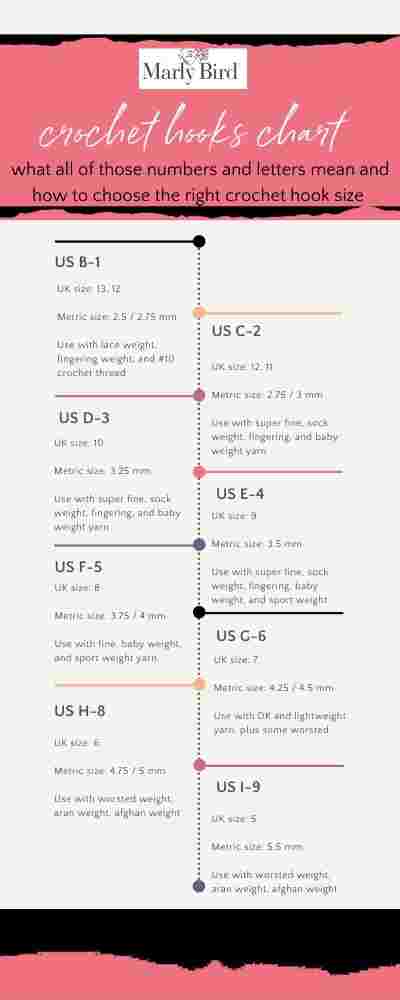
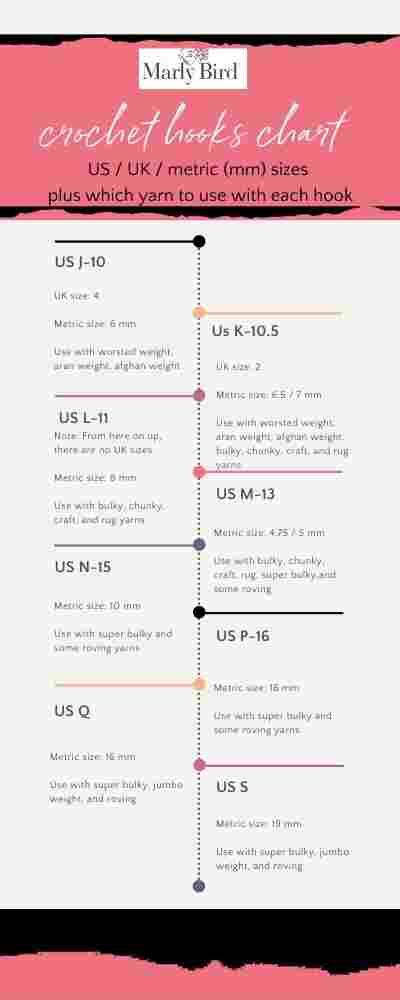
Moreover, there are even SmartStix crochet hooks! That’s right, you can measure your crochet work as you go, too. They have 5″ and 6″ crochet hooks. Each come in four sizes ranging from about B-D. See our crochet hooks chart here.

All in all, we think these are a really smart product. They work well. They store easily. And they’re truly made to solve a simple problem for knitters (and crocheters alike).

You Might Also Like:

  • Ultimate Guide to Knitting Needles
  • I’m New To Knitting. What Are The Best Knitting Needles for Beginners?
  • Prym Knitting Needles
  • ChiaoGoo Knitting Needles Review

Frequently Asked Questions

What’s so special about the Jimmy Beans Wool SmartStix needles?

Oh, honestly… the coolest thing is that they’re a knitting needle AND a tape measure all in one! The needles and cords have markings at 1-inch intervals, so you can measure your work as you go without grabbing a separate tape. It’s such a simple but genius idea…

Can I buy the SmartStix needles and cords separately, or do I have to get the whole set?

Yes! You totally don’t have to buy the whole set if you don’t want to. You can get just the needle sizes you need and the cords you want on their own. Plus, they have extra cord sizes you can snag too…

What kind of needles does the SmartStix interchangeable set come with?

So, the full set comes with 9 sizes of aluminum needles, from size 4 all the way up to 11, and even a size 10.5. They’re all color-coded too, which makes finding the size you need super easy…

Does Jimmy Beans Wool offer other types of SmartStix besides the interchangeable needles?

You bet! They have wooden SmartStix interchangeable needles, and even SmartStix DPNs in both 5-inch and 8-inch lengths. And get this… they even have SmartStix crochet hooks so you can measure your crochet projects as you work on them!

I love that Jimmy Beans Wool is a small business… tell me more about them!

Me too! They’re such a special company. Laura Zander started it with her husband back in 2002, and now they employ about 75 people! They’ve even acquired other great companies like Madelinetosh. Plus, they have a scholarship program and a Broken Needle Exchange Program where they’ll replace broken needles for free…

Filed Under: BiCrafty Bootcamp Learn to Knit, Knitting, Product Reviews

Learning to Knit Thoughts: Month Three Reflections on…

July 13, 2021 By Marly Bird Leave a Comment

Have you been following along with BiCrafty Bootcamp: Knitting Lessons for Crocheters? If so, then you know that Marly Bird team members Cryssi and Kathryn are learning to knit alongside everyone else. Every month, we try to share our learning to knit thoughts with you. We want to be honest about the ups, the downs, and the process. So, here we are with our month three reflections.
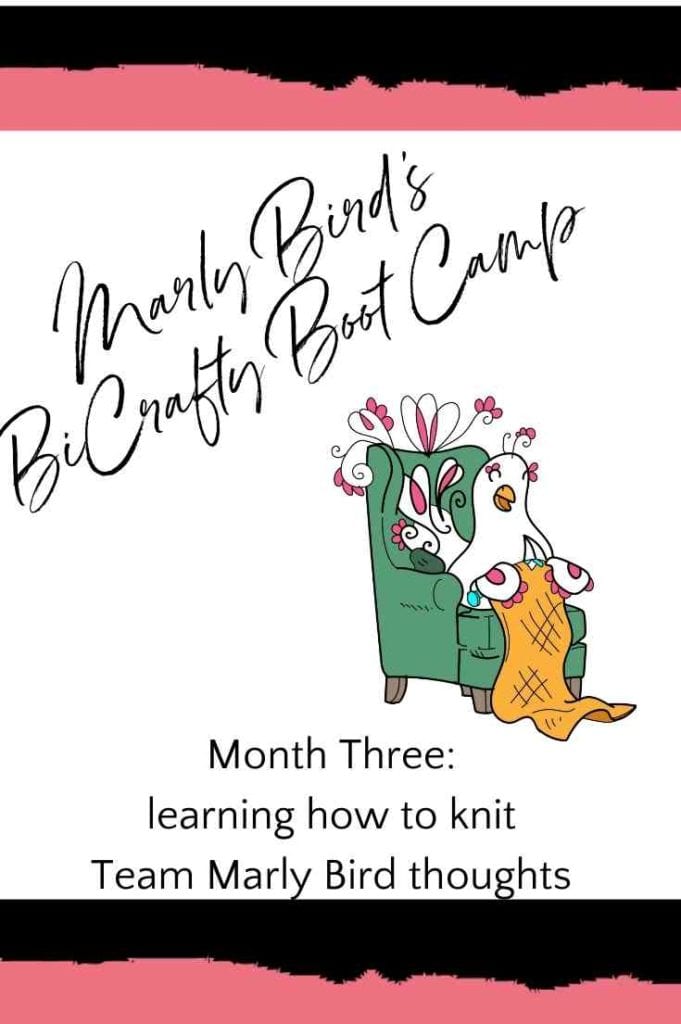
Learning How to Knit Thoughts From Team Marly Bird

Recap: Learning to Knit Thoughts So Far

Just in case you want to catch up, here was our:

  • Month One Update
  • Month Two Update

As you can see, we wrapped up month two learning how to knit a cowl in the round. Kathryn was struggling a lot by that point, although she was enjoying the process of learning how to knit. Cryssi struggled some, too, in the beginning. However, by the end of the month, she had completed her first knit cowl. And she loved it! She incorporated a lot of colorwork and was eager to begin month three.

BiCrafty Bootcamp: Month 3 Lessons

In the first week of June, we finished our first knit cowl.

Then we moved on to creating hats to match and/or complement that cowl. If you wanted to repeat the stitches you learned in the knit cowl pattern, then you were invited to make the matchy-matchy knit hat.

As a group, we went on to create a complementary knit hat. This allowed you to learn new skills while creating a hat that still goes well with your cowl. Those lessons were:

  • Starting the brim on smaller needles then switching to larger needles
  • Learning how to knit braids – specifically creating the Latvian Braid
  • Stranded knitting in the round
  • How to knit triangle lace
  • How to knit cables and finish your hat on DPNs

Wow, what a lot to learn in a month. Here over on the Marly Bird team we started our hats on Jimmy Beans Wool SmartStix Interchangeables. We’ll have a full review for this awesome sponsor up on the blog tomorrow.

Month Three: Kathryn’s Learning to Knit Thoughts

Kathryn had some moments of peace with knitting in month three. She also had a lot of frustrations. She hasn’t been able to catch up with the group’s lessons. Therefore, she’s finally resigned herself to returning to the lessons at her own pace in the future, when the timing is better for her. However, she’s still here … she’s reading every pattern, she’s there for as many of the live videos as possible, and she goes back and watches the videos over and over again. She knows that even though her hands aren’t doing the work, yet, she’s still picking up a lot by watching Marly knit.

Moreover, she really connected with a lot of your bootcampers in a recent live video when she shared her struggles. Many of you came out of the woodwork to say that you, too, are very far behind even though you’re still showing up for the lessons. You’re working on your garter stitch or your stockinette. Or maybe you’re reworking your cowl. And what we can all take away from this is, once again: there are no knitting police. There’s no wrong way to do this or right pace to take it on. You’re already knitting. The rest is gravy.

So, Kathryn has been working on knitting a chunky garter stitch scarf on straight needles. That’s what works for her right now. And she’s marveled at all of you in the Facebook group and on Instagram that have soared through the lessons and done amazing work. She’s here to say that she’s proud of each of you – whether you’re as behind as her or so far ahead you could almost teach the class. You’re doing awesome!

Month Three: Cryssi’s Learning to Knit Thoughts

Cryssi had some struggles getting her knit hat to work this month as well. We want to say that this isn’t a reflection on the lessons themselves. The lessons make sense, and we get them. It’s just that sometimes life gets in the way. We would love it if all we could do all day was knit but other things happen and sometimes it’s hard to keep up with learning new things in the process.

The first thing Cryssi wants you to know is that she’s loved working with the Jimmy Beans Wool needles that we started the knit hat on. (We’ll have our full review for them here on the blog tomorrow.) She started the hat off slowly but felt good about it and was especially excited to learn the Latvian braid. She said about this, “I’ve even heard seasoned knitters exclaiming at how awesome that is and that it is a skill they haven’t even learned! WE ARE MAKING SEASONED KNITTERS JEALOUS, Y’ALL! How awesome is that?!”

​From there, things fell off a little bit. Cryssi tried working on her hat when she was tired, and you know how that can go. Even as an experienced crocheter, you might find yourself making crochet mistakes when tired. So, she had to put her hat in time out for a bit, frog it and redo it. She’s determined to finish it soon.

Cryssi’s also been working at the challenge of learning to hold her yarn in her right hand instead of her left. She says, “Continental knitting has spoiled me and now throwing feels like I’m a baby giraffe learning to walk all over again! But 12 weeks ago, that’s what continental felt like, so I’m learning and determined to work on this muscle memory to build up my skills!”

Month Four Goals for BiCrafty Bootcamp

As you’ll see in tomorrow’s post, we’re going to learn how to knit mittens next! These will complement the hat and cowl that we’ve created.

Kathryn’s only goal is to keep up with paying attention to the lessons. She might not knit along, but she’s going to keep abreast of exactly what you’re all doing so that she at least has some working knowledge of it. She’ll continue working on her basic knitting skills as well.

Hopefully, Cryssi can wrap up her hat and jump right into those mittens. We’re going to work with Signature’s needles this month, and that’s something she’s been looking forward to throughout all of these lessons. We’ll keep you posted! And we look forward to continue seeing your work in the Facebook group as well as on instagram with #bicraftybootcamp.

Frequently Asked Questions

How far along are Cryssi and Kathryn in the BiCrafty Bootcamp knitting lessons?

Honestly… they’re reflecting on month three! They’ve both been learning to knit alongside everyone else, sharing their journey with the ups and downs. Cryssi actually finished her first knit cowl and is eager to keep going, while Kathryn is taking things a bit slower but still absorbing all the knowledge.

What kinds of new skills did the BiCrafty Bootcamp teach in month three?

So here’s the thing… month three was packed with learning! They learned how to start a brim on smaller needles, then switch to larger ones. Plus, they dove into Latvian braids, stranded knitting in the round, knitting triangle lace, and even cables, finishing hats on DPNs!

Is it okay if I’m falling behind in the BiCrafty Bootcamp lessons?

Yes! The biggest takeaway is that there are no knitting police… there’s no wrong way to knit or right pace to take it on. Kathryn has found comfort in knitting a simple scarf at her own pace and has seen so many others doing the same. Just keep knitting!

Did Cryssi have any challenges learning new knitting techniques?

Oh gosh, yes… Cryssi mentioned that learning to hold yarn in her right hand instead of her left felt like being a baby giraffe learning to walk all over again! Even as an experienced crocheter, she’s found that sometimes life gets in the way and you might need to frog and redo things. But she’s determined to build those muscle memory skills!

What’s next for the BiCrafty Bootcamp participants in month four?

Exciting stuff! The next lesson is learning how to knit mittens, which will perfectly complement the hats and cowls everyone has made. Kathryn plans to keep paying attention to the lessons even if she’s not knitting along, and Cryssi hopes to finish her hat and jump right into the mittens, especially since they’ll be working with Signature’s needles!

Filed Under: BiCrafty Bootcamp Learn to Knit, Dibble Dabble Inspiration, Product Reviews

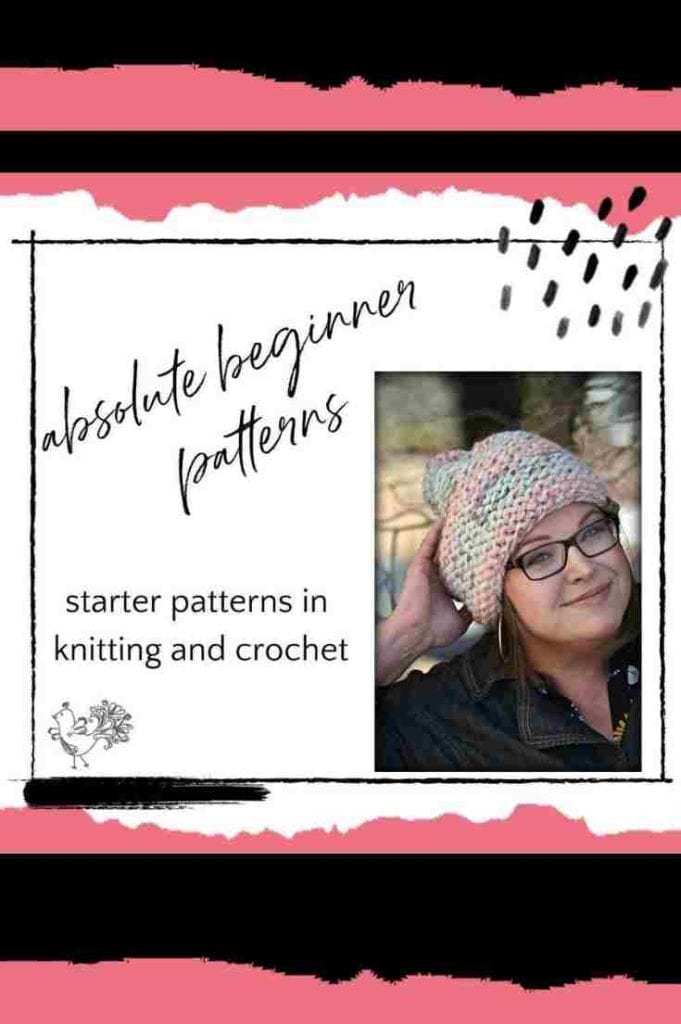
Absolute Beginner Patterns: Knit and Crochet

July 13, 2021 By Marly Bird Leave a Comment

Are you brand new to either knitting or crochet? Or maybe you have experience but you’re looking for a super simple project – either for yourself or to teach the craft to someone else. Whatever the case, you might want to check out these Absolute Beginner Patterns. They are written so that you can easily learn every step as you go. Plus they have supporting video tutorials to make the lessons even clearer.

beginner knit and crochet patterns

Absolute Beginner Crochet Throw

Would you believe that you can crochet a blanket as your very first project? It’s true. Throws don’t require shaping. Therefore, you just need to know a basic stitch or two in order to make one. You’ll find this to be true of the Absolute Beginner Crochet Throw Pattern. Use double crochet stitches and chunky yarn to quickly make this beautiful blanket. You’ll definitely be proud after completing this first of the Absolute Beginner Patterns. And I’ve created both right-handed and left-handed crochet tutorials to take you through this project:

DIY Crochet EMOJI Keychain

Although not designed as one of my Absolute Beginner Patterns series, this keychain pattern does fit nicely into the set. It’s a great starter project if you’re new to crochet and want to begin with something small. You’ll learn how to single crochet in a spiral. The video includes lots of tips for beginners.

Beginner Crochet Shells Blanket

Crochet shells look complicated. However, they’re really easy. Once you learn basic stitches, you can create them. And once you can create them, you can make blankets of any size using them. If you combine the lessons in the written pattern with the video below and some strong ambition, you can tackle this as a beginner.

Absolute Beginner Patterns: Chunky Knit Hat

Newbie knitters can easily make this hat as a first project. It’s the perfect bulky knit hat, which means that it’s cozy and beautiful but it’s also simple and works up super fast. Just like with my other Absolute Beginner Patterns, this one comes with full, detailed written instructions that help you work out exactly what to do at each step along the way. Plus, of course, there’s a video tutorial:

Make Your First Knit Hat for a Preemie Baby

Preemie knit patterns are great for a lot of reasons. First, they’re quick projects. You can tell right away if you’re getting it right or wrong. That’s really helpful as a beginner to any craft. Second, they’re adorable. Therefore, you’ll love seeing the work come to life in your hands. Finally, they’re useful. You can donate preemie baby hats and other preemie projects to charity. So, you might want to check out the Absolute Beginner Preemie Baby Hat knit pattern if you’re just getting started in knitting.

Make Yourself a Chunky Knit Scarf

My Absolute Beginner Patterns usually show you everything from how to read a yarn label through how to finish the project. That’s definitely true of this chunky knit scarf pattern. It’s a really great accessory. You’ll feel fabulous crafting and wearing it.

BiCrafty Bootcamp: Knitting Lessons for Crocheters

If you’re new to knitting (whether or not you’re a crocheter) then you can definitely start with our BiCrafty Bootcamp projects. These are designed for absolute beginners to knitting. If you know how to crochet, you’ll benefit from bonus tips that make learning knitting easier. First, if you complete lessons 1-5 then you’ll end up knitting a dishcloth, mug rugs, and a coffee cup sleeve. If you choose to continue on with the lessons, then you’ll also knit a matching cowl, hat, and mittens set.

You Might Also Like:

  • 30 Marly Bird Knit Hat Patterns for Every Style and Skill Level
  • Total Beginner’s Guide to Crochet Planned Pooling
  • Marly Bird Spring KAL Patterns – good for beginners

Frequently Asked Questions

Can I really crochet a blanket as my first project?

Yes! Honestly, you totally can… The Absolute Beginner Crochet Throw is designed for brand new crafters. It doesn’t require any shaping, so you just need to know a basic stitch or two. Plus, I have video tutorials to help you out!

I’m new to knitting… where should I start?

So here’s the thing… if you’re a total newbie to knitting, you should definitely check out the Chunky Knit Hat pattern. It’s simple, works up fast, and I have video tutorials to walk you through every step.

Are there any smaller projects for crochet beginners?

Oh, for sure! If you want to start with something super small, the DIY Crochet Emoji Keychain is a great option. You’ll learn how to single crochet in a spiral, and I share lots of tips for beginners in the video.

What if I know how to crochet but want to learn to knit?

Honestly… you’ll love the BiCrafty Bootcamp projects! They’re designed specifically for absolute beginners to knitting, and if you already crochet, you’ll get extra tips to make learning even easier. You’ll end up with a dishcloth, mug rugs, and a coffee cup sleeve!

Can I make a knit hat for a baby?

Yes! The Absolute Beginner Preemie Baby Hat knit pattern is perfect if you’re just starting out. They’re quick projects so you can see your progress right away, and they’re also super adorable and useful for charity donations.

Filed Under: Crochet, Free Patterns, Knitting

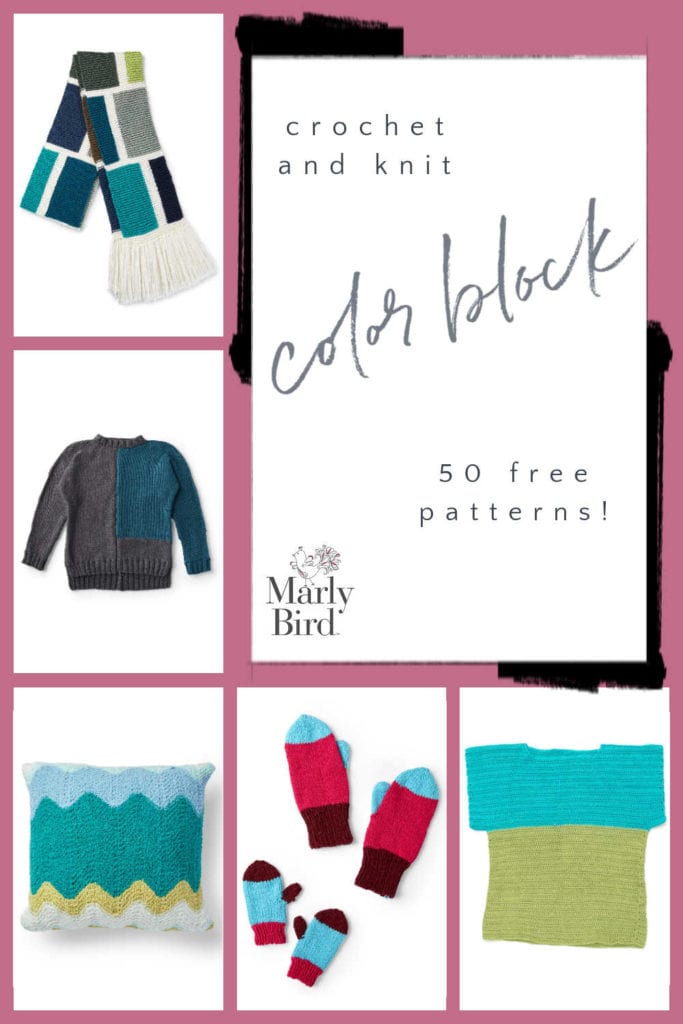
50 Free Color Block Projects to Knit and Crochet

July 8, 2021 By Marly Bird Leave a Comment

Color block your way to greatness with these free knit and crochet patterns! Each of these color block projects are designed to make it easy to achieve this effect. However, once you get the hang of it, you’ll see that color blog projects are easy to DIY as well. Basically, just use a different color on the ribbing on the next hat or sweater you make, and you have a good start. Or knit / crochet the last few inches of a scarf in a contrasting shade. We hope that you not only enjoy these free patterns but also get inspired to change up your own designs.

50 Free Color Block Projects to Knit and Crochet

What Are Color Block Projects?

The name really says it all. Color block projects have sections of different colors. According to Vogue, it was a popular fashion trend in the early aughts that made a recent revival. There are so many different ways to create combinations of color. So, this isn’t about putting squares together but rather combining strips and sections of different colors to create a sort of pattern of its own.

Color Block Projects for the Home

Decorate your house with bold pillows, bright baskets, and comfortable throws. No matter what color or texture you choose, knit and crochet patterns can easily add new life to any room in your home. When you make color block projects, you get the chance to add a bit of graphic pop along with that color. These also make great gifts as well as items to donate to various charities.

  • Big Statement Knit Pillow
  • Cloud Nine Knit Baby Blanket
  • Color Block Knit Pillows
  • Color Block Back Scrubber
  • Color Block Throw
  • Color Blocks Knit Throw
  • Color Block Crochet Basket
  • Color Block Baskets
  • Color Block Storage Baskets
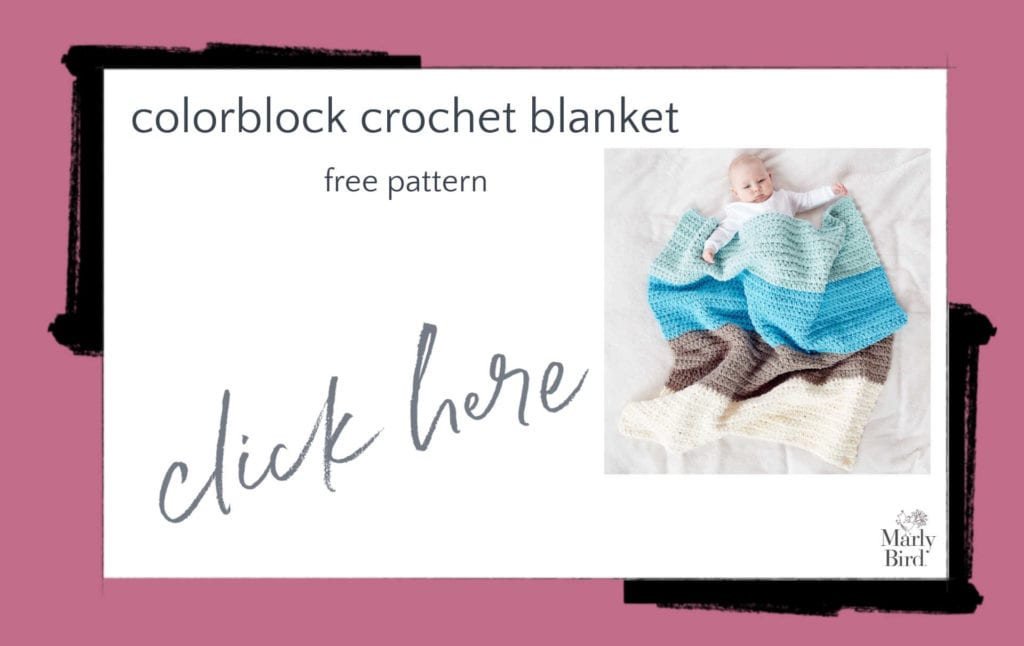
  • Colorblock Crochet Blanket
Colorblock Crochet Blanket Free Crochet Pattern
  • Stripes and Blocks Throw
  • Macrame Color Block Plant Hanger
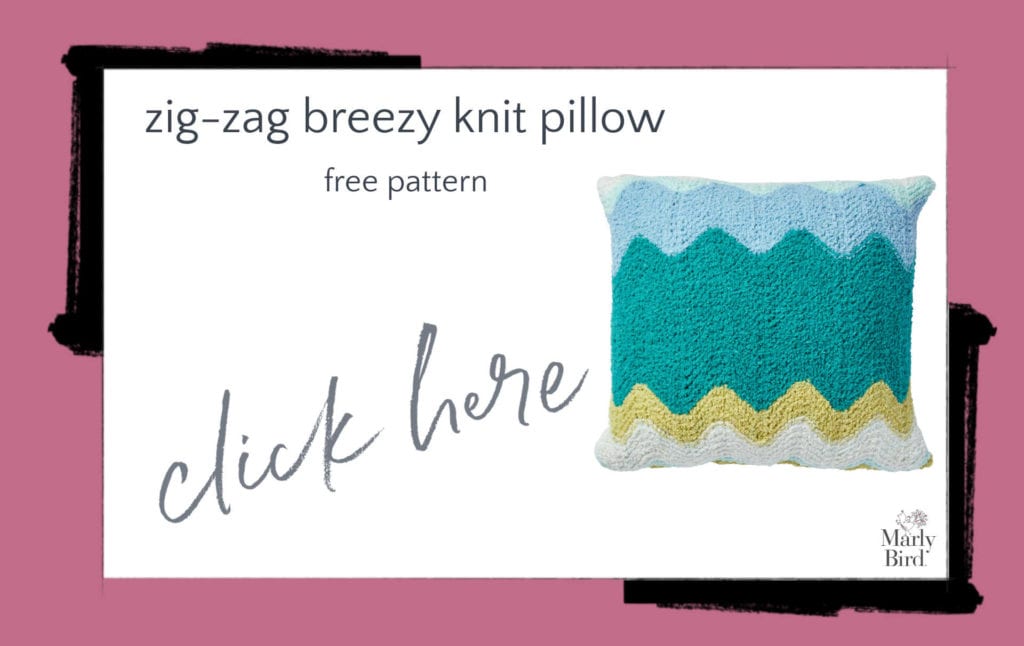
  • Zig Zag Breezy Knit Pillows
  • Tunisian Color Block Throw
  • Color Block Panels Blanket
  • Colorblock Knit Washcloth
  • Color Block Crochet Dishcloth
  • Crazy Corners Knit Pillow
  • Mighty Mitered Knit Pillow
Zig-Zag Breezy Knit Pillow Free Knitting Pattern

Color Block Sweaters and Accessories

Show off your love of color to everyone you meet! Mix neutrals and brights, or use the color wheel to create contrasting and coordinating colors. Either way, these color block projects embrace the opportunity to brighten your wardrobe and put a smile on the faces of those you come across throughout your day.

  • Color Swatch Knit Sweater
  • Color Block Hoodie
  • Color Block Cardi
  • Color Block Tunic
  • Color Block Crochet Cowl
  • Raglan Color Block Knit Sweater
  • Color Block Hat
  • Color Block Knit Tank
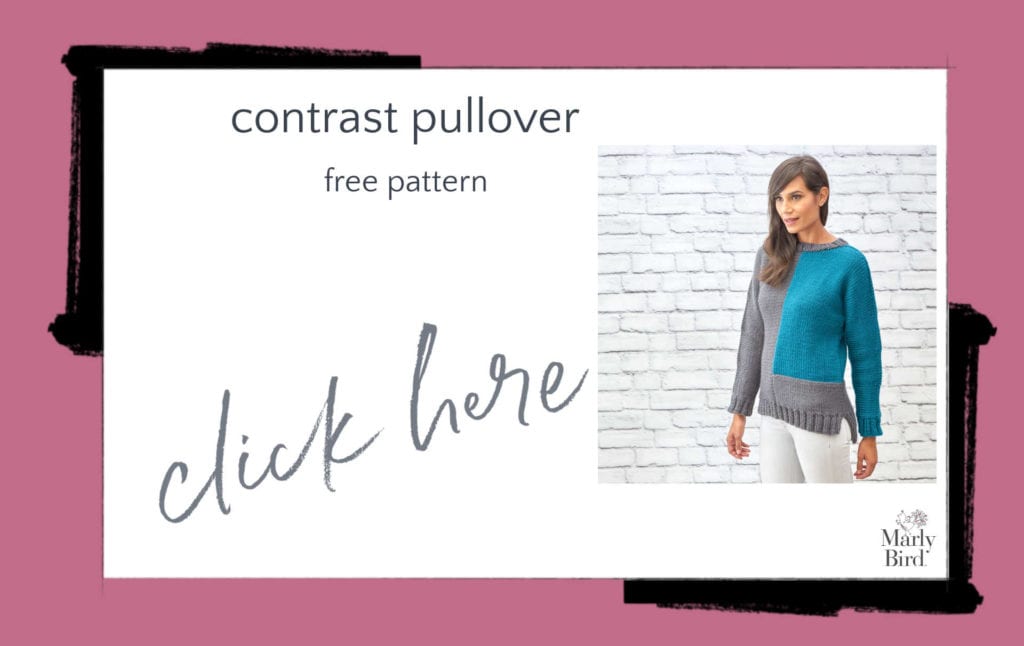
  • Contrast Pullover
  • Color Block Scarf
  • Color Block Crochet Scarf
  • Color Block Cowl
  • Color Block Crochet Scarf
  • Crochet Color Block Bobble Scarf
  • Color Block Shaker Rib Knit Scarf
Contrast Pullover Free Knitting Pattern
  • Color Block Crochet Smart Cowl
  • Modern Color Block Scarf
  • Color Block Tunic
  • Color Block Crochet Cardigan
  • Henley-etta Chic Sweater
  • Colorblock Top
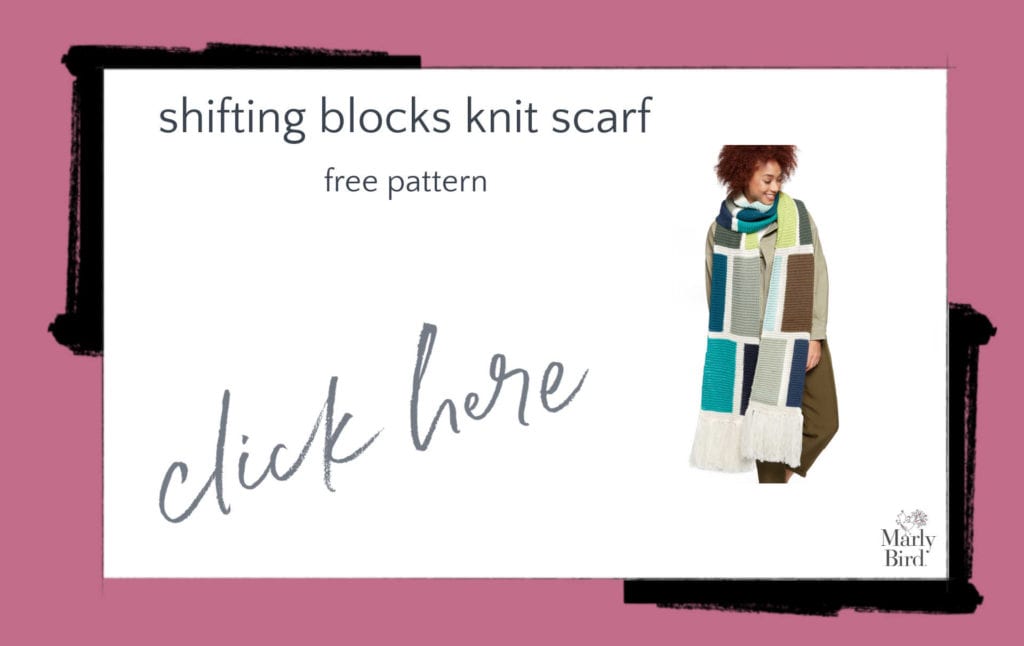
  • Shifting Blocks Knit Scarf
  • Colorblock Family Knit Mittens
  • Kimono Cardigan
  • Crochet Colorblock Hat
  • Color Dipped Top
  • Colorblock Ruffle Front Vest
  • Garter Stitch Scarf to Knit
  • Color Dipper Hat
Shifting Blocks Knit Scarf Free Knitting Pattern

You May Also Like

  • Book Review: Knit Color Block Blankets
  • Beginner Crochet Scarf-Modern Color Block Scarf
  • Beginner Crochet Scarf-Modern Color Block Scarf
  • How to Knit Red Heart Color Block Knit Back Scrubber
  • Beginner Crochet Sweater with Colorblock

Frequently Asked Questions

What is color blocking in knit and crochet?

Color blocking is a technique where large sections of a project are worked in solid, contrasting colors with clean dividing lines between them… creating a graphic, modern aesthetic. Instead of gradients or stripes, you get bold blocks of color that sit next to each other. Think of a sweater with a solid white front and solid black back, or a blanket divided into four quadrants of different colors. The clean geometric quality of color blocking creates a very contemporary, fashion-forward look that’s also much simpler to execute than colorwork patterns.

Is color blocking harder than regular single-color projects?

Just slightly! The main addition is managing multiple yarn tails (you’ll need to join new colors where the blocks change) and weaving in more ends than a single-color project. For intarsia-style color blocking within a row, you’ll have multiple yarn strands to manage. But many color blocked projects change colors between full sections rather than within rows, which is very manageable… you just join a new color at the start of a new section. The visual impact is way out of proportion to the technique complexity. Color blocking looks impressive for the amount of skill it actually requires.

What color combinations work best for color blocking?

High contrast is the key! Two or three bold, distinct colors with strong contrast between them creates the clearest color block effect. Classic combinations: black and white, navy and cream, red and camel, mustard and forest green. Monochromatic color blocking (different shades of the same color) is more subtle and sophisticated. Complementary colors (opposite on the color wheel) are bold and striking. For a contemporary look, choose colors that are trending in fashion… earth tones, dusty pastels, or bold saturated hues depending on the current season’s palette.

Can beginners do color blocking?

Yes! Simple color blocking where you complete one section and then join a new color for the next section is very beginner-friendly. You only need to know how to join a new yarn color… which is a basic skill that beginners learn early on. The finished result looks complex and intentional, but the execution is simple. For beginners, look for color block patterns where the color changes happen at row beginnings rather than within rows. Starting a new color at the beginning of a row is much easier than mid-row color changes for new crafters.

What types of projects are best for color blocking?

With 50 patterns in this collection, basically everything! Blankets are perfect for color blocking because the large scale really showcases the bold color sections. Bags and totes look modern and graphic. Sweaters and cardigans with color-blocked panels are striking. Shawls divided into color sections are beautiful. Even small accessories like hats and cowls can be color-blocked effectively. The key across all project types is planning your color placement before you start and making sure you have enough of each color for its section.

Filed Under: Free Patterns

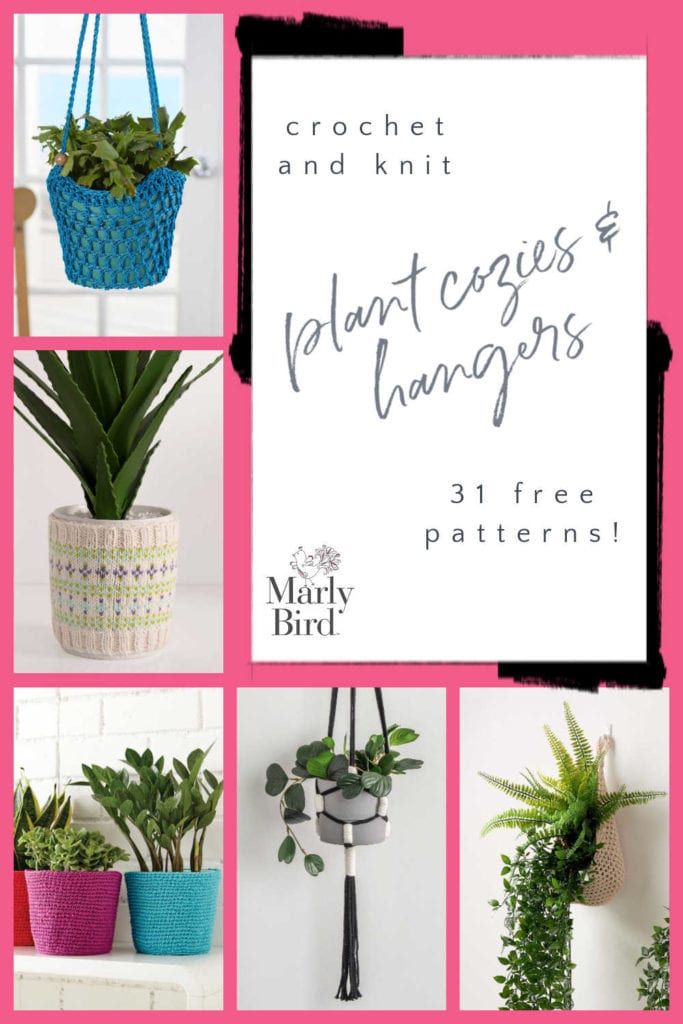
Plant Cozies and Hangers | 31 Free Patterns

July 7, 2021 By Marly Bird Leave a Comment

Houseplants are all the range! Make your plants even more colorful with these cozies designed for your plant pots, and if you run out of space hang them up with these fun hangers! There are designs to crochet, knit and craft in other ways. Therefore, you’re sure to find (at least) one pattern that works for you. Plant cozies work up quickly and add pizzazz to your space.

Plant Cozies and Hangers | 31 Free Patterns

The Benefits of Plants

The more time people have spent at home recently, the more many have realized how healing it is to have plants in the home. Whether you grow herbs and other edibles or flowers and decorative greenery, adding plants to the home really helps improve the quality of life. Benefits of houseplants include:

  • Reduced anxiety
  • Improved breathing / better air quality in the home
  • Better immunity, creating overall increased wellness
  • Improved self-esteem when taking care of another living thing
  • Better concentration and focus

Knitting and crochet also have many benefits including some of the same offered from houseplants. They reduce anxiety, increase concentration, and boost self-esteem. Therefore when you craft plant cozies, you boost the benefits of your houseplants.

Plant Cozies

Dress up your plant cozies with fun patterns and stripes, or just add some color to the outside of the plants. Most plant cozies are designed to go around the pot in which the plant sits. Of course, plants come in many different pots. Therefore, you’ll want to work with different sizes to suit your different houseplants. Remember that increasing or decreasing your knitting needle or crochet hook size is an easy way to make a pattern bigger or smaller. Likewise with changing yarn weights.

  • Bright Weave Plant Cozy
  • North Pole Pot Cozy
  • Crochet Pot Pals
  • Slouchy Plant Pot Cozy
  • Simple Flower Pot Cozy
  • Ridged Crochet Pot Cozy
  • Little Potted Plant Crochet Cozy
  • Large Potted Plant Crochet Cozy
  • Slouchy Crochet Plant Holders
  • Knit Plant Cozies
  • Dip Your Toe Crochet Plant Cozies
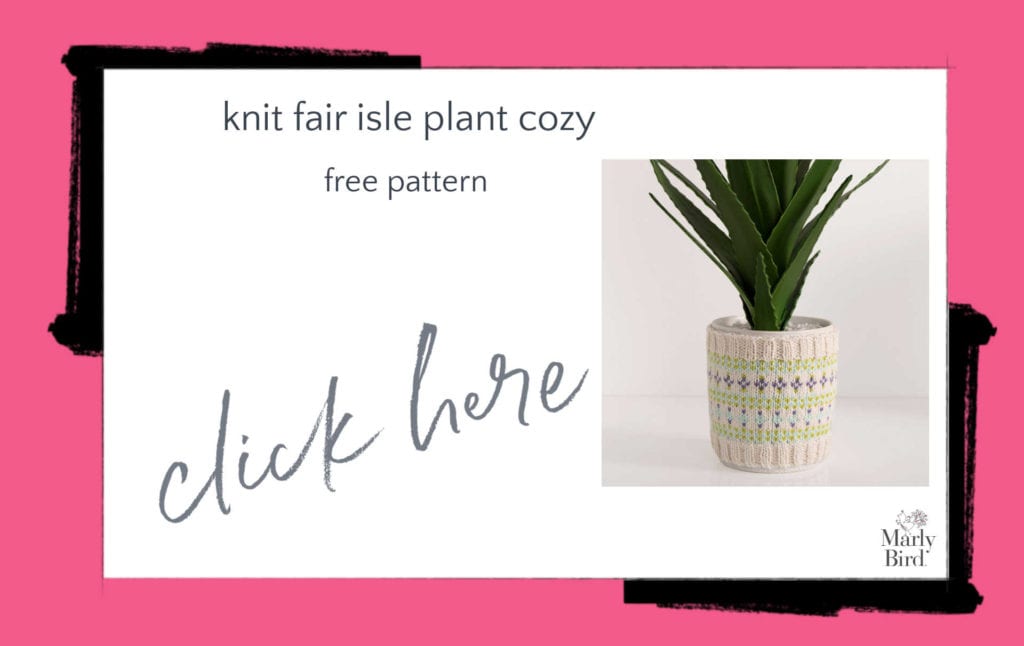
  • Knit Fair Isle Plant Cozy
  • Tapestry Flower Pot Cozy
  • Crochet Peppermint Twist Plant Pot Cozy
Knit Fair Isle Plant Cozy Free Knitting Pattern

Plant Hangers

Plant hangers free up your counters and allow you to have more plants! They can also help keep children and pets from bothering plants. Some plants are toxic to pets, making it especially important to hang them out of the way. Therefore, you might want plant hangers as an alternative to plant cozies. In addition to some beautiful crochet plant hangers, we’ve also included a bunch of macrame plant hangers here. Macrame is a great technique for hanging plants. If you don’t know this craft, it’s relatively easy to learn. The patterns will guide you along the way.

  • Macrame Simple Spiral Plant Hanger
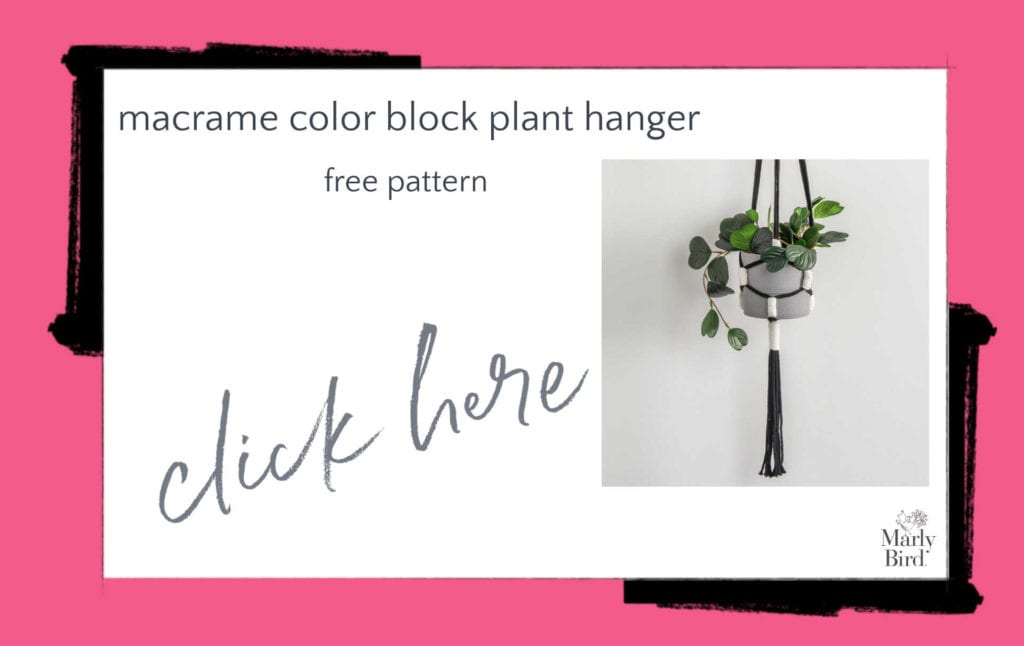
  • Macrame Color Block Plant Hanger
  • Macrame Big Fringe Plant Hanger
  • Blooming Beauty Plant Hanger
  • Crochet Plant Hanger
  • Macrame Plant Hanger
  • Crochet Hanging Plant Trio
  • Crochet Plant Hanger
  • Knotted Plant Hangers
  • Boho Fringed Crochet Plant Hanger
  • Macrame Plant Hanger
  • Crochet Hanging Pot Cozy
  • Macrame Wall Hanging Planter
Macrame Color Block Plant Hanger Free Pattern

More Plant-Related Patterns

Plant cozies and plant hangers aren’t your only options when it comes to plants. Complete your plant-related passion with these perfect projects!

  • Fringed Plant Mat
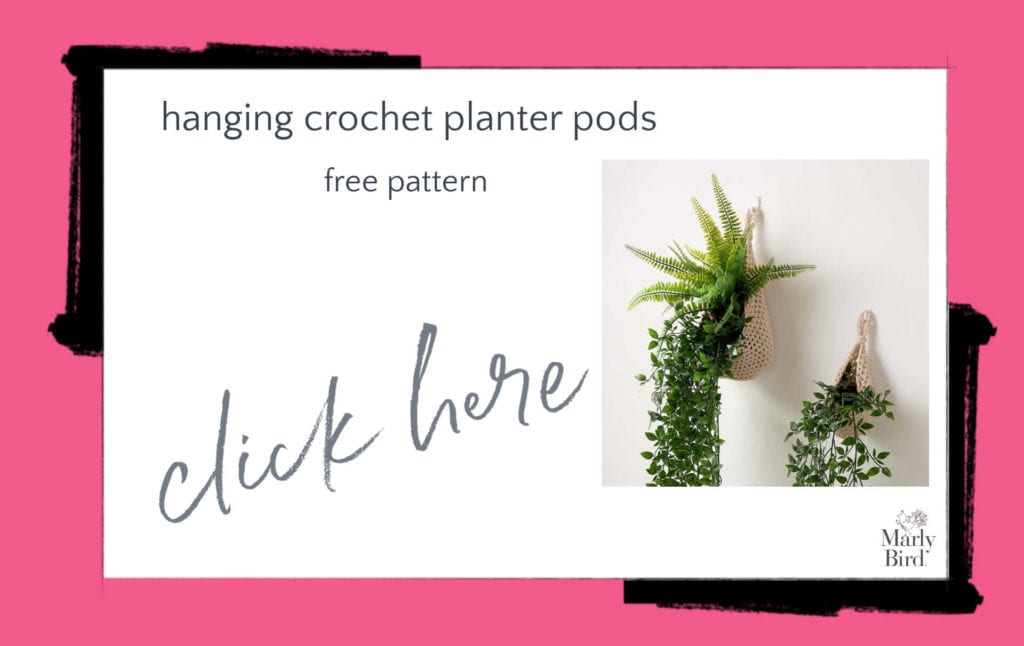
  • Hanging Crochet Planter Pods
  • Crochet Succulents
  • Crafty Flower Pots
  • Crochet Cacti
Hanging Crochet Planter Pods Free Crochet Pattern

You May Also Like:

  • 5 Eco-Friendly Yarn Options for Earth Day
  • Knit and Crochet Cozies Add Comfort to Your Home: Therapeutic Crafting Tips + Patterns for Cozies

Frequently Asked Questions

What’s the difference between a plant cozy and a plant hanger?

A plant cozy sits around the outside of a pot… it’s decorative, hiding the plain plastic nursery pot while adding a handmade, textural look. A plant hanger suspends the pot from above… using macrame-style knotted cords, crochet netting, or knitted fabric to create a hanging vessel for the plant. Both are beautiful home decor items that add a warm, artisan touch to any space. Plant cozies are generally quicker to make than hangers since they’re just cylinders around a pot.

Will water damage a crocheted or knitted plant cozy?

It can! A cozy placed directly under a pot with drainage holes can get wet and stay wet… which causes mildew and can stain or damage yarn over time. The easy fix: use a saucer or drainage tray between the pot and the cozy, or use the cozy as a purely decorative outer sleeve for a pot that doesn’t drain from the bottom. Alternatively, use a cozy for plants in pots without drainage holes (like succulents in sealed pots). Cotton yarn holds up better to occasional moisture than wool, though both need to dry out between waterings.

What yarn works best for plant cozies and hangers?

Cotton and cotton twine are the most popular and practical! Cotton doesn’t deteriorate with moisture the way wool does, it’s sturdy enough to hold the weight of a pot, and it has that natural, earthy aesthetic that looks so good with plants. Macrame cord (a twisted cotton twine) is specifically popular for hangers because it’s very strong. Jute twine is another natural option with a rustic, earthy look. For indoor decorative cozies where moisture isn’t a concern, any yarn you love works fine… wool, acrylic, linen, whatever matches your decor.

How do I know what size to make a plant cozy?

Measure your pot! You need the circumference of the pot at its widest point, and the height from the base to where you want the cozy to end. For a snug cozy, work to the exact circumference. For a relaxed fit, add an inch or two. Most cozy patterns are worked in the round and sized relative to common pot sizes… if your pot is a standard nursery size (4″, 6″, 8″ diameter), there will almost certainly be a pattern that fits it directly. For unusual pot sizes, a simple ribbed cozy is very easy to size up or down by adjusting stitch count.

Are plant hangers safe for heavy pots?

It depends on the construction and the yarn! For lightweight pots and small plants, crochet or knit hangers in worsted weight yarn are fine. For heavier pots or larger plants, use sturdy macrame cord or doubled cotton twine rather than regular yarn… it’s much stronger and specifically designed for weight-bearing applications. Always hang from a proper ceiling hook rated for the weight. Test by loading the hanger and checking for stretch before trusting it with a cherished plant. Safety first… pots falling are bad for everyone involved, including the plant!

Filed Under: Free Patterns

  • « Previous Page
  • 1
  • …
  • 68
  • 69
  • 70
  • 71
  • 72
  • …
  • 97
  • Next Page »

Let's Be Social

Join the Marly's Minions Facebook group to share, ask questions, or chat about all of your yarn related crafts!

Join the group
Cartoon of a smiling woman with brown hair in a bun, glasses, black jacket and green shirt, waving next to large "hi" text.

Quick Links

The Pattern Shop

Our Free Patterns

Blog

Marly Bird House

Learn to Knit & Crochet

About

Giveaway Terms and Privacy Notice

Find Us Everywhere

Join the Newsletter

YouTube Channel

Marly's Minions FB Group

Etsy Store

Ravelry Store


AN ELITE CAFEMEDIA HOME/DIY PUBLISHER

Information from your device can be used to personalize your ad experience. Do not sell or share my personal information.

Privacy Policy   Terms   Marly Bird Legal Documents Copyright © 2026