Search
Close
  • The Pattern Shop
  • Our Free Patterns
    • Browse All Our Free Patterns
    • Our Free Knitting Patterns
    • Our Free Crochet Patterns
  • Blog
    • All Blog Posts
    • All Free Patterns
    • Dibble Dabble Inspiration
    • Giveaways
    • Make-Alongs
    • Product Reviews
    • Roundups
    • Tips, Tricks, Techniques for Knitting and Crochet
Stylized bird with pink and gray swirling tail above elegant “Marly” text, logo for crochet accessories and home decor.
  • Marly Bird House
  • Learn to Knit & Crochet
    • Newbie? Start Here
    • Video Tutorials
    • Knitting Definitions
    • Crochet Definitions
    • Common Techniques
    • Size Charts for Knitting and Crochet Projects
  • About
×
  • The Pattern Shop
  • Free Patterns
  • Blog
  • Marly Bird House
  • Learn to Knit & Crochet
    • Newbie? Start Here
    • Video Tutorials
    • Knitting Definitions
    • Crochet Definitions
    • Common Techniques
    • Size Charts for Knitting and Crochet Projects
  • About
Stylized bird with pink and gray swirling tail above elegant “Marly” text, logo for crochet accessories and home decor.
Search
Close

New Patterns NOW Available in Ad-Free PDF! Check out The Pattern Shop

It’s Time for the 2021 JOANN Stitch Along with O’Go Yarn!!

September 17, 2021 By Marly Bird 2 Comments

If you’ve joined the JOANN Stitch Alongs in the past years, then you know that we always have a lot of fun with them. There are knit and crochet versions of the patterns so that everyone can participate. You know how much I love bicrafty options! This year, I’ll be doing the 2021 JOANN Stitch Along knit version as usual. And just like past years, Mikey of The Crochet Crowd is where you can find the crochet patterns. (And all my BiCrafty Bootcampers who always chose crochet can now opt for the knit version instead, if you want! Or vice versa) We’re all excited about the new O’Go Yarn. And I’m excited to make some new O’Go Yarn patterns with it for the 2021 JOANN Stitch Along. So here’s what you need to know!

JOANN Stitch Along 2021 with 4 donuts of O'Go Yarn Caron Colorama. Marly Bird Logo and Yarnspirations Logo

What Is The Annual JOANN SAL?

Starting in 2019, I began working with JOANN on an annual bicrafty stitchalong. Mikey from The Crochet Crowd does the crochet version of the SAL. I do the knit pattern. It’s a great opportunity for crocheters and knitters to work together on a fun project over the course of several weeks. You know how much I love make-alongs because of the way that they bring everyone together. And it’s so fun to see what unfolds as we make it from week to week isn’t it?! The 2021 JOANN Stitch Along will be no exception. Expect community, fun, and the excitement of working with new yarn!

You can join the dedicated stitch along facebook group and get extra help along the way as well as share progress with others who are doing the same projects! >> Join Here <<

✨ Get the free PDF pattern downloads for the 2019 and 2020 JOANN SAL knit blankets right here.✨

When Is The 2021 JOANN Stitch Along?

And now it’s almost time for the fun to begin again! The 2021 JOANN Stitch Along launches on September 27, 2021. We’ll have posts, social media shares, and videos to support you through the whole thing. And this year you’ll get the chance to use Caron Colorama, a #5 bulky weight yarn that comes out tangle-free thanks to the new O-Go yarn delivery format.

Yarnspirations O'Go Caron Colorama Yarn in Lippy Colorway

What Are We Making For This JOANN SAL?

This year we’re doing something a little bit different. Instead of making a blanket together like we did in past years, we’re going to work on smaller projects.

In fact, you’ll have the chance to make three different knit projects. Each works up quickly, can be made in multiple sizes, and will allow you to practice various techniques and skills. By the end of this SAL, you’ll have practice knit colorwork, short rows, and brioche.

At this time of year, we’re wise to start thinking about gifts to make for the holidays. After all, they’ll be here before we know it. By jumpstarting your holiday making with the 2021 JOANN Stitch Along, you’ll get ahead of the game. Each of the projects that you knit can easily be gifted to someone in your life. And if you’re bicrafty, you can make the three small crochet projects, too!

three knitting projects that will be taught for the 2021 Joann stitch along. Knit fair isle hat, short row colorful wrap, simple knit brioche cowl. All projects use O-Go Caron Colorama Yarn.

Do You Want To Become BiCrafty?

If you are interested in becoming bicrafty, then you have come to the right place. The Marly Bird team has put together two very comprehensive bootcamps for knitters and crocheters to learn each others crafts! It is never too late to join in the fun!

Fun Note: the cowl I am wearing in the introduction video for this SAL is the BiCrafty Community Cowl. That is one of the projects you learn to make in the BiCrafty Bootcamp Knitting Lessons for Crocheters!

Time to grab that yarn and learn to knit for crocheters, or learn to crochet for knitters! Get all the information about BiCrafty Bootcamp, click the links below:

➸ BiCrafty Bootcamp: Knitting for Crocheters

BiCrafty Bootcamp Beginner Crochet Lessons for Knitters Logo with Marly Bird

➸ BiCrafty Bootcamp: Crochet for Knitters

BiCrafty Bootcamp Beginner Knitting Lessons for Crocheters Logo with Marly Bird

What Do I Need For the 2021 JOANN SAL? Materials List

Each project has its own material requirement. Below you will find an image for each project + the materials.

Week 1 Project: Knit Go Around Fair Isle Hat

Yarn: Caron® Colorama™ O’Go™(6.4 oz/180 g; 228 yds/208 m)

  • Overboard (68016) 1 O’Go

Needles:

Set of 4 sizes U.S. 9 (5.5 mm) and U.S. 10 (6 mm) double-pointed knitting needles or size needed to obtain gauge.

Notions: Stitch marker, Yarn needle

Joann Stitch Along Materials List for project #1: Knit Go Around Fair Isle Hat.

Week 2 Project: KNIT FENANGLE THE ANGLES BLANKET SCARF

Yarn: Caron® Colorama™ O’Go™(6.4 oz/180 g; 228 yds/208 m)

  • Lippy (68004) 2 O’Gos
  • First Blush (68009) 2 O’Gos
  • Baja (68013) 2 O’Gos

Needles:

Size U.S. 10 (6 mm) knitting needles or size needed to obtain gauge

Notions: Stitch Markers, Yarn needle

Joann Stitch Along Materials List for project #2: KNIT FENANGLE THE ANGLES BLANKET SCARF

Week 3 Project: GOTTA SPLIT KNIT BRIOCHE COWL

Yarn: Caron® Colorama™ O’Go™(6.4 oz/180 g; 228 yds/208 m)

  • Contrast A Biker Jacket (68021) 1 O’Go
  • Contrast B First Blush (68009) 1 O’Go

Needles: Size U.S. 9 (5.5 mm) circular knitting needles 16″ [41 cm] long and 29″ [73.5 cm] longor size needed to obtain gauge. Optional: Size U.S. 10½ (6.5 mm) circular knitting needle 29″ [73.5 cm] long for looser cast on.

Notions: Stitch Markers, Yarn needle

Joann Stitch Along Materials List for project #3: GOTTA SPLIT KNIT BRIOCHE COWL

Get The Pattern Each Week & The Knitting Instructional Video from Marly Bird

Each week the pattern and video for the 2021 JOANN Stitch Along will be released starting September 27th. We will be sure to add the links here on this page and the video will be released on the Marly Bird YouTube Channel.

Best thing to do is bookmark this page (if you don’t know how, watch this video) and then be sure to subscribe to the Marly Bird YouTube Channel!

Marly Bird Logo in a YouTube Subscribe button replica

Project #1 Pattern Link: Knit Go Around Fair Isle Hat

Project #1 Video: https://youtu.be/Bg9xD-p1dQs

Project #2 Pattern Link: Finagle The Angle Knit Blanket Scarf

Project #2 Video: https://youtu.be/452daFSO1fM

Project #3 Pattern Link: Knit Gotta Split Brioche Cowl

Project #3 Video: https://youtu.be/Tdu_Wv4nSaA

SHARE ON SOCIAL MEDIA! #MARLYBIRD #YARNSPO #HANDMADEWITHJOANN

Frequently Asked Questions

What is the JOANN Stitch Along all about?

So here’s the thing… the JOANN Stitch Along is an annual event I started back in 2019 with JOANN. Mikey from The Crochet Crowd does the crochet version, and I handle the knit patterns. It’s all about bringing knitters and crocheters together for a fun, multi-week project… isn’t it neat?

When does the 2021 JOANN Stitch Along start?

Honestly… the 2021 JOANN Stitch Along kicks off on September 27, 2021! We’ll have tons of support with posts, social media shares, and videos to guide you through the whole thing.

What are we making in this year’s Stitch Along?

Yes! This year is a little different… instead of one big blanket, we’re making three smaller knit projects. You’ll get to practice colorwork, short rows, and brioche skills… perfect for getting a head start on holiday gifts!

What yarn do I need for the projects?

For all three projects, you’ll be using Caron Colorama O’Go yarn! Each project has specific colorways and quantities listed, like the “Knit Go Around Fair Isle Hat” needing one O’Go in Overboard, for example.

How do I get the patterns and videos each week?

The patterns and instructional videos will be released each week starting September 27th… the best way to stay updated is to bookmark this page and subscribe to my YouTube Channel! I’ll put all the links right here as they become available.

Filed Under: Knitting, Make-Alongs, Tips, Tricks, Techniques for Knitting and Crochet

23 Free Pirate, Skull and Skeleton Knit and Crochet Patterns

September 16, 2021 By Marly Bird Leave a Comment

Pirates often have skulls and crossbones on their flags, which go nicely with skeletons! Get your pirate, skeleton and skull patterns together.
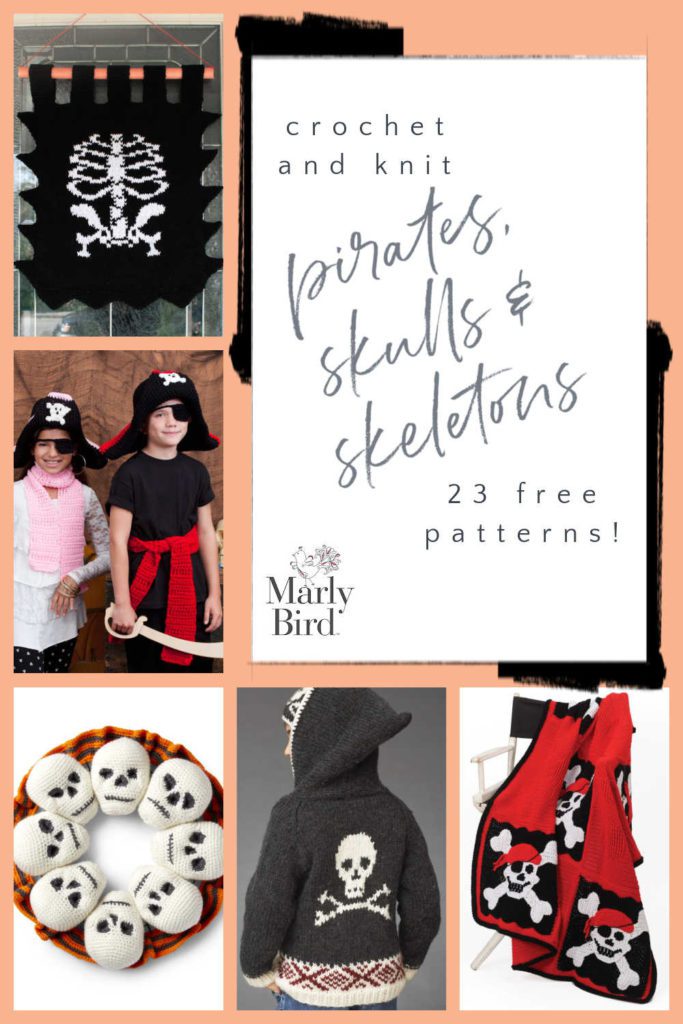
23 Free Pirate, Skull and Skeleton Knit and Crochet Patterns

Pirate

Pirates are a perennially popular costume! For people and puppies, here are pirate costumes and a blanket.

  • Puppy Pirate Hat
  • Halloween Pirate
  • Pirate Throw
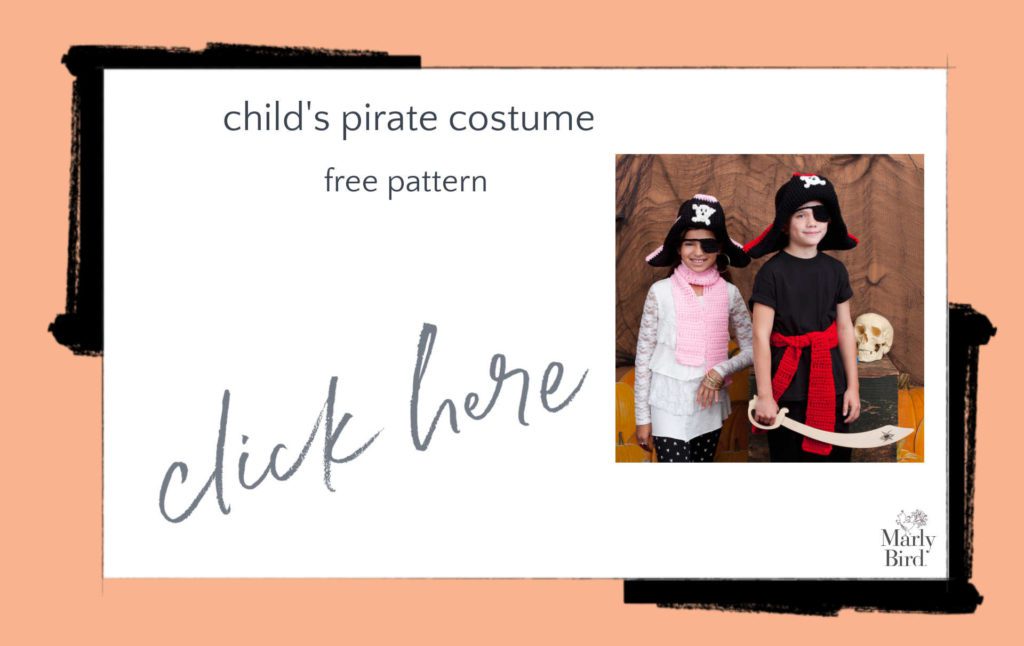
  • Child’s Pirate Costume
  • Pirate Feet
  • Jolly Roger Pirate Pumpkin
  • I-Matey Dog Coat
  • Halloween Wench
Child's Pirate Costume Free Crochet Pattern

Skulls and Skeletons

With full skeletons or just skulls, decorate your home and your clothing and your candy bag this Halloween!

  • Skull Hoodie
  • Skull Sweater
  • Fair Isle Skull Cap
  • Ski Skulls
  • Circle of Skulls Wreath
  • Scary Skull Bag
  • Skull Trick or Treat Bag
  • Skull Halloween Bottle Cozy
  • Skull Motif Dog Coat
  • Hanging Skeleton
  • Spooky Skeleton Applique
  • Skeleton Sweater
  • Spooky Skeleton Jar Cozy
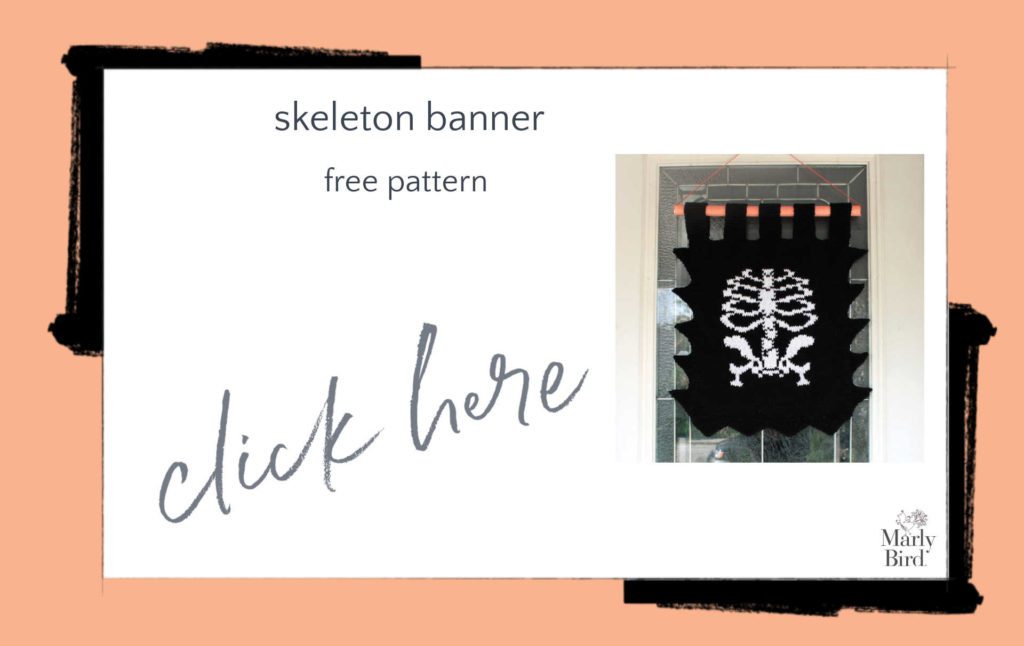
  • Skeleton Banner
  • Skeleton Mittens
  • Skulduggery Doily
Skeleton Banner Free Knitting Pattern

Also on the Blog

  • 18 Free Witch and Black Cat Patterns to Crochet and Knit
  • 10 Free Bats and Vampire Knit and Crochet Projects
  • 29 Free Knit and Crochet Pumpkin and Jack o’ Lantern Projects

Frequently Asked Questions

What kinds of pirate and skull patterns can I make?

Arrr, the collection is adventurous! Skull and crossbones dishcloths and colorwork projects (perfect for Halloween or a pirate-loving kitchen). Pirate-themed baby items… because a tiny skull-and-crossbones hat on a baby is basically maximum adorable. Skeleton amigurumi and Halloween decorations. Pirate hat and eyepatch accessories for costume purposes. Skull motif colorwork for sweaters and hats. And some wonderfully quirky household items featuring pirate imagery. The 23 patterns cover Halloween use, pirate-theme parties, and year-round skull aesthetic lovers.

Are skull and pirate patterns only for Halloween?

Not at all! The skull and crossbones aesthetic has a permanent place in fashion and home decor beyond October. Rockabilly, goth, and punk styles embrace skull motifs year-round. Baby pirate themes for nurseries and first birthdays are popular. Pirate party decorations for kids’ birthdays. And plenty of crafters just love the edgy, bold look of skull imagery regardless of season or holiday context. The Halloween timing of this collection makes sense, but these patterns are genuinely usable throughout the year for the right recipient or aesthetic.

What yarn colors work for skull and pirate projects?

Classic skull palette: black and white is the iconic combination. For a more complex look: black, white, and pops of red. For a friendlier, more Halloween-cute aesthetic: orange, black, and purple. For baby pirate items that aren’t too scary: navy and white with red accents feels more nautical than threatening. For goth or punk-inspired pieces: black with deep jewel tones (burgundy, forest green, midnight blue). For a Day of the Dead inspired take on skulls: bright florals and colorful sugar skull aesthetics on black background.

Are skull colorwork patterns difficult to make?

Dishcloths and small items with skull motifs are actually very beginner-friendly colorwork projects! A skull on a dishcloth uses only 2 colors and the shape is bold and simple enough to work from a basic chart. For larger colorwork projects like sweaters, the skull motif can be worked in stranded colorwork techniques at intermediate level. Amigurumi skulls use simple shapes (round head, simple face embroidery). Start with a simple 2-color skull dishcloth if you’re new to colorwork… it’s a quick, low-stakes introduction to the technique.

Can pirate and skull items be made as gifts for adults?

Absolutely! Adults who love pirate aesthetics, Halloween, goth culture, or just have a bold sense of style will appreciate pirate and skull handmade items tremendously. A skull colorwork cowl, a set of pirate dishcloths, or a gothic amigurumi figure are thoughtful gifts for the right recipient. The key is knowing your audience… these are perfect for people who already embrace this aesthetic and feel less appropriate for those who prefer traditional or neutral styles. When you know someone loves this look, a handmade skull-motif item is SO much more special than anything they could buy.

“`html

Tips for Making Spooky Creations

Whether you’re working on a pirate costume or a skeleton sweater, here are some game-changing tips to level up your project…

Yarn Choices for Halloween Vibes

Black, gray, and cream yarns are your bestie for these patterns. Look for worsted weight options in Red Heart, Bernat, or Caron for durability in wearables. If you’re making decorative pieces like the Circle of Skulls Wreath, don’t be afraid to experiment with metallic or sparkly yarn for extra spooky shimmer!

Working with Colorwork Patterns

The Fair Isle Skull Cap and Skull Sweater use intarsia or stranded colorwork. If you’re new to carrying yarn colors, start with a practice swatch first. Trust me… it makes a huge difference! Check out our guide to colorwork techniques for detailed walkthroughs on managing multiple colors without tension drama.

Pattern Pairing Ideas

Combine a skeleton appliqué with a simple sweater base for custom results. Mix and match the bag patterns… the Scary Skull Bag looks awesome paired with pirate costume pieces. Want amigurumi vibes? Stack a skull motif with stuffing techniques for adorable 3D ornaments.

Ready to stitch? Grab your hook or needles and explore more Halloween crochet projects while you’re here!

“`

Filed Under: Free Patterns

How to Crochet in Spaces and Stitches to Make Shells and…

September 15, 2021 By Marly Bird Leave a Comment

Can you believe how much we’ve already learned in BiCrafty Bootcamp: Beginner Crochet Lessons for Knitters? We’re only on lesson three and you’ve already learned all of the basic crochet stitches. Plus, you’ve made a crochet headband and facecloth. We’ve been crocheting one stitch into each stitch across a row. This week you’ll learn how to crochet in spaces and stitches. Moreover, you’ll learn how to use chain stitches in a row to create larger spaces. You’ll also learn how to crochet multiple stitches into a space or stitch. As a result, you’ll be able to crochet shell stitches and the granny stitch by the end of this lesson (and one more surprise stitch).

It’s not too late to join BiCrafty Bootcamp. Sign up free here.

camouflage background with Marly Bird Logo on top. BiCrafty Bootcamp Beginner Crochet Lessons for Knitters is written under the Marly Bird Logo.
Click here to get all the details about BiCrafty Bootcamp as a whole.

BiCrafty Bootcamp Recap

— Lesson One was to learn how to crochet basics. We gave you our Ultimate Guide to Crochet Hooks as well as chart about crochet hook sizes. Big shoutout to our sponsor WeCrochet where you can get terrific crochet hooks, the yarn for BiCrafty Bootcamp projects and more. You learned how to hold your hook and yarn, crochet a foundation chain, single crochet stitch, and use turning chains. If you followed the pattern, you crocheted a headband. Perhaps you even made a single crochet dishcloth if you were going for extra credit.

— Lesson Two expanded upon those basic skills and used them in a beginner crochet facecloth pattern. You learned how to half double crochet, double crochet, and treble crochet. Then you learned how to combine those stitches across the row to create the Long Wave Crochet Stitch. This gave you a chance to learn more about turning chains. Plus, you’ve now learned about reading crochet charts and patterns. You did so with two colors, so you also learned how to change colors in crochet. Finally, you learned how to count rows in crochet.

How to Read Crochet Charts

We’ve already shown you a lot about how to read crochet charts in the past two week’s videos. We’re going to continue showing you more of that in this week’s video lesson (which you’ll find below, underneath the two patterns). A lot of you are finding this helpful as a supplement or even alternative to reading the written instructions.

Counting Stitches and Rows

Last week’s video provided you with lots of great tips about how to count rows in crochet. If you missed that, it’s really helpful.

This week we touch a little bit on how to make it easier to count stitches within a row. You can use a stitch marker to mark every five or ten stitches in a row. You should put stitch markers on either end of the work anyway to help you keep it straight; this will easily tell you if your count is going awry. We discussed that tip in Lesson One. Someone in the chat also mentioned that there are stitch counters you can wear on your finger to count easily. And the main thing is that the more you get used to crochet, the easier it’ll be for you to keep count.

How to Crochet in Spaces

This week you’ll learn how to crochet in spaces. You can work into many different aspects of each stitch. We’ve been working through both loops of a stitch so far. We spoke briefly about how you can work in one loop only to create different texture. You can also learn how to crochet in spaces (between the stitches) rather than into the stitch itself.

You’ll work the same basic crochet stitches (such as single crochet or double crochet). However, you’ll insert the hook into the space between stitches. You’ll also learn how to use crochet chains within the row to create larger spaces.

How to Crochet Multiple Stitches Into One Space or Stitch

Once you learn how to crochet in spaces, you give yourself a lot of fresh options for variations on basic crochet stitches. You can expand this even more when you learn how to crochet multiple stitches into one space or stitch.

For example, you’ll learn how to crochet three double crochet into one space to create the granny stitch. (This popular stitch looks similar to the classic granny square, but is worked in rows instead of in the round. You’ll learn the granny square itself a few lessons down the road.)

Similarly this week, you’ll learn how to crochet 5 double crochet stitches together in one space or stitch. This allows you to create the crochet shell stitch. There are many variations on the shell stitch but this one is a very common option. You’ll use chains to create spaces as well as to keep your stitch count even across the entire row.

Here is a video Marly did for a cute shell stitch pattern used on a crochet baby blanket. Spoiler alert: she used stacked stitches in this pattern which we will talk about later.


Lesson 3 Crochet Bootcamp Patterns: Materials

When possible, we have provided affiliate links for items. Using these links does not cost you anything more but it does let the company know you came there from us and we get a portion of the sale.

We have two crochet patterns for homework this week. The granny stitch headband will help you practice how to crochet in spaces. Both it and the crochet shell facecloth pattern will allow you to practice crocheting multiple stitches into a space or stitch.

You’ll need:

Yarn: 1 ball of WeCrochet Dishie Yarn, any color (one ball is enough to complete both patterns)

Hook: 1 Size G (4.0mm) crochet hook (WeCrochet Hook, TooShay Crochet Hook)

Notions: Locking stitch markers from WeCrochet, Chenille and tapestry needles for weaving in ends

Pattern #1: Granny / Headwrap for Self Care

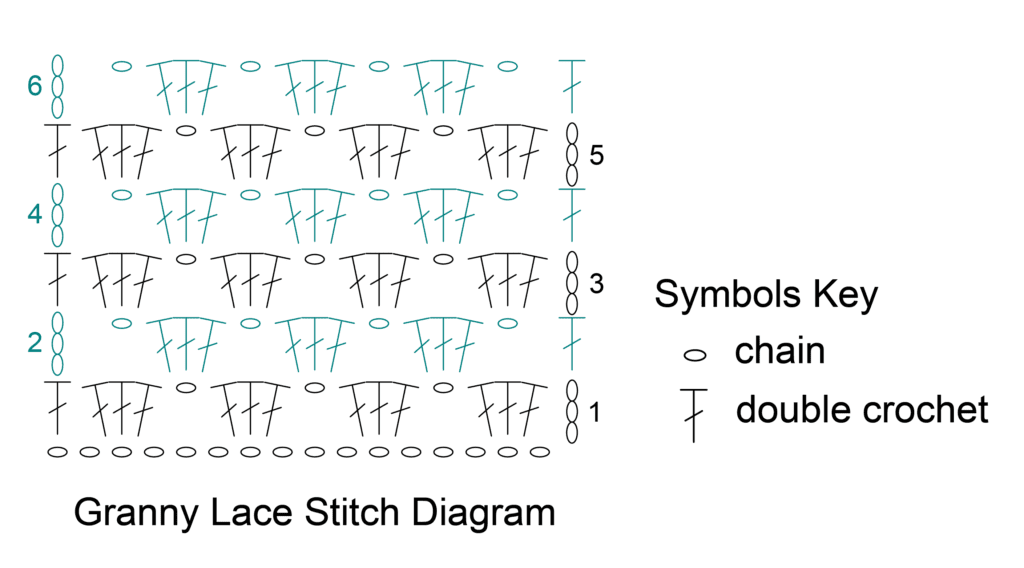
crochet stitch diagram of the Granny Lace Stitch pattern; sometimes called granny stitch pattern.

Ch 55

(Tip: In the video instruction, we discuss how you can actually chain extras to give yourself room to work in case you miss a chain, which is easy to do. Then you can either skip a chain at the end or undo the extra chains.) Stitch Multiple for Granny Lace Stitch is 4 + 3.

Row 1 (RS): 3 dc in 5th ch from hook, * ch 1, skip 3 ch, 3 dc in next ch; repeat from * to last 2 ch, skip 1 ch, dc in last ch, ch 4, turn — 13 granny sets.

Row 2 (WS): Skip 3 dc, *3 dc in next ch-1 space, ch 1, skip 3 dc; repeat from * to last st, dc in 3rd ch of tch, ch 3, turn — 12 granny sets.

Row 3 (RS): *3 dc in next ch-1 space, ch 1, skip 3 dc; repeat from * to last ch-1 sp, 3 dc in next ch-1 sp, dc in 3rd ch of tch, ch 4, do not turn, rotate the work 90 degrees to work along short edge — 13 granny sets.

????Stop here for headband.

If you wanted to continue in the pattern, repeat rows 2 and 3 (turning on row 3 if continuing) for desired length ending after a row 3.

Continue Pattern instructions for Headband

We’re going to make headband ties similar to those we made for the headband in Lesson One.

1st Side Edge

Working into the short edge,

Row 1 (RS): 2 sc into the edge of each row, 1 sc in foundation chain, ch 1, turn — 7 single crochet

Row 2 (WS): Sc2tog, sc in next 3 sc, sc2tog, ch 1, turn — 5 single crochet.

Row 3: Sc2tog, sc in next sc, sc2tog, ch 1, turn — 3 single crochet.

Row 4: Sc3tog — 1 single crochet

1st Finishing ties or no ties (see both options)

Option 1: After the single crochet 3 together, chain 50. Fasten off.

Option 2: Fasten off. Make I-cord 15″ (38 cm) long. Seam to edging.

2nd Side Edging

Turn 180 degrees to other short edge.

Row 1 (RS): Join yarn with a slip stitch in foundation chain edge, ch 1 and sc in same chain, 2 sc into the edge of each row, ch 1, turn — 7 single crochet

Row 2 (WS): Sc2tog, sc in next 3 sc, sc2tog, ch 1, turn — 5 single crochet.

Row 3: Sc2tog, sc in next sc, sc2tog, ch 1, turn — 3 single crochet.

Row 4: Sc3tog — 1 single crochet

2nd Finishing ties or no ties (see both options)

Choose same option as you did for the 1st side edging.

Option 1: After the single crochet 3 together, chain 50. Fasten off.

Option 2: Fasten off. Make I-cord 15″ (38 cm) long. Seam to edging.

Weave in all ends.

NOTE: You can also make a longer headband, then simply seam the two short ends together to create a headband without ties. Begin with a chain that’s a multiple of 4 + 2. Then do the same thing as above or the pattern. You’ll have to fiddle around to find the right size but you’ll get it! We also discussed in chat that this is a great stitch pattern to create a long garland, for example to wrap around a Christmas tree.

Pattern #2: Crochet Shell Facecloth to Match Headband

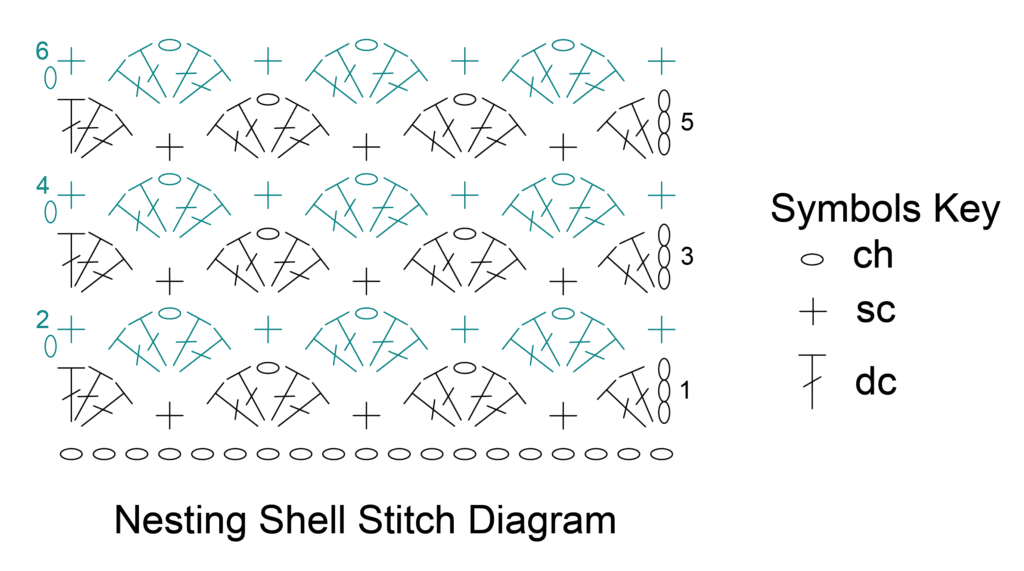
crochet stitch diagram of the Nesting Shell Stitch pattern

Chain a multiple of 6 + 4. You can make this facecloth as wide as you want with a starting chain length of your choosing.

Row 1 (RS): 2 dc in 4th ch from hook (skipped 3 ch count as dc), * skip 2 ch, sc in next ch, skip 2 ch, (2 dc, ch 1, 2 dc) in next ch; repeat form * to last 6 ch, skip 2 ch, sc in next ch, skip 2 ch, 3 dc in next ch, ch 1, turn — stitch count depends on how many you chained to begin with for the foundation chain.

Row 2 (WS): Sc in first dc, skip 2 dc, * (2 dc, ch 1, 2 dc) in next sc, skip 2 dc, sc in next ch-1 sp, skip 2 dc; repeat from * to last sc, (2 dc, ch 1, 2 dc) in last sc, skip 2 dc, sc in 3rd ch of tch, ch 3, turn.

Row 3 (RS): 2 dc in first sc (ch 3 counts as dc now and throughout), skip 2 dc, * sc in next ch-1 sp, skip 2 dc, (2 dc, ch 1, 2 dc) in next sc, skip 2 dc; repeat from * to last ch-1 sp, sc in last ch-1 space, skip 2 dc, 3 dc in last sc, ch 1, turn.

Repeats Row 2 and 3 to desired length. Recommended facecloth size is approximately 10″ x 10″ but this is flexible.

Once the facecloth is desired size, fasten off yarn.

Weave in ends.

BiCrafty Bootcamp Lesson 3 Video Instruction

Here’s our video instruction (originally LIVE but of course still available for replay on YouTube) for how to crochet in spaces and work multiple stitches into spaces and and stitches to create crochet shells and granny stitch:

Additional Videos and Patterns You’re Ready For

You can already complete so many different crochet patterns thanks to your knowledge of basic crochet stitches. In fact, we updated the links at the bottom of Lesson 2’s post to give you more to practice with. We also created a post about how to crochet lemon peel stitch. This post also has lots of crochet patterns that you can use. Now that you know how to crochet in spaces and crochet multiple stitches in one space or stitch, you can also enjoy the following:

  • Easy Crochet Shell Stitch Blanket Free Pattern *includes video tutorial
  • Crochet Beginner Shells Blanket With Thick Yarn *includes video tutorial
  • Caron X Pantone Striping Shells Crochet Shawl Free Pattern
  • Caron Crochet Shell Shawl Free Pattern
  • Caron Cheery Crochet Granny Stripes Baby Blanket Free Pattern
  • Crochet Stitch Sampler Blanket Pattern *includes video tutorial
  • Beginner Crochet Poncho Pattern
  • Jilly Bean Cowl with Linen Stitch *includes video tutorial
  • Feeling ambitious? Learn the Long Double Crochet Chevron Stitch Video Tutorial and make the Colorado Sunrise Cowl.
  • Shivering Chic Shawl — a granny stitch shawl that is fun to wear and is made with merino wool yarn AND has a video tutorial linked below for left handed crochet and right handed crochet.

➡️ Need a Left Handed Video for Shawl: https://youtu.be/HQ63G2EqNtE

Right Handed Video for Shivering Chic Shawl — Granny Stitch Shawl by Marly Bird

Frequently Asked Questions

What’s the main thing we’re learning in this lesson?

So here’s the thing… in this lesson, we’re diving into how to crochet in the spaces between stitches, not just into the stitches themselves! We’ll also learn how to use those chain stitches to make bigger spaces, which is super handy.

Can I really make shells and granny stitches after this?

Yes! Honestly, once you get the hang of crocheting into spaces and putting multiple stitches into one spot, you’ll totally be able to make those pretty shell stitches and the classic granny stitch. It really opens up a lot of new pattern possibilities!

Do I need any special yarn or hooks for these patterns?

You know, the patterns suggest using Dishie yarn from WeCrochet and a G (4.0mm) hook. But honestly… you can probably use what you have in your stash if it’s a similar weight! Just make sure your hook size is appropriate for the yarn you choose.

What if I’m not in the BiCrafty Bootcamp… can I still learn this?

Absolutely! While the lesson is part of the BiCrafty Bootcamp, the video tutorial is right there on the page. So, you can totally follow along and learn these awesome new techniques even if you’re not officially signed up!

What’s the difference between crocheting in a space versus a stitch?

Great question! Normally, we put our hook through both loops of a stitch… but when you crochet in a space, you just insert your hook into the gap between stitches. It feels a little different at first, but it makes for some really cool textures and stitch patterns!

Filed Under: BiCrafty Bootcamp Learn to Crochet, Crochet, Our Free Patterns, Tips, Tricks, Techniques for Knitting and Crochet

How to Seam Crochet: Mattress Stitch (Plus Lace-Up Stitch Variation), Slip Stitch and Single Crochet Join Video Tutorials

September 14, 2021 By Marly Bird Leave a Comment

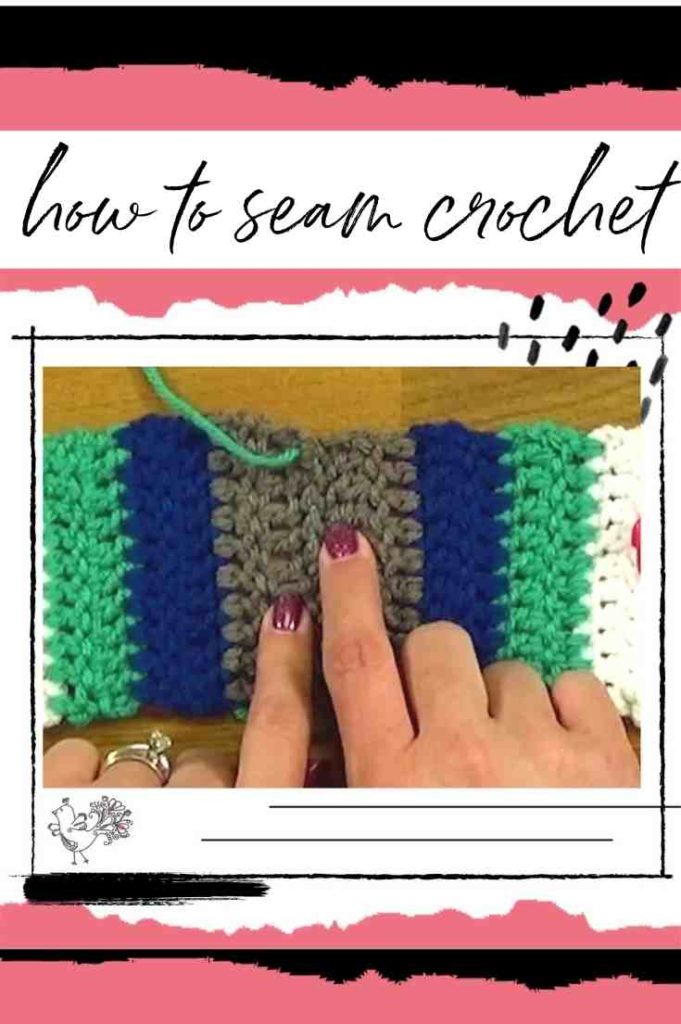
You put a lot of effort into creating a good crochet project. Therefore, you want to make sure that you know how to do the finishing touches correctly. After all, you don’t want your work to look shoddy or fall apart because you failed to put the attention into those details. Therefore, you want to learn how to seam crochet. In other words, you want to learn how to stitch together different pieces – to attach sleeves to the body of a sweater, join squares for a blanket, or stitch the short sides of a rectangle together to create a headband or cowl. You have several different options for how to seam crochet. I show you three of them in this video tutorial.

crochet seaming options

3 Ways for How to Seam Crochet with Mattress Stitch

Crochet seaming simply means attaching one piece of crochet to another. There are a variety of different ways that you can approaching seaming, also sometimes called joining. For example, some seams are designed to be invisible whereas others are designed as decorative details. Often times people will use a simple slip stitch join, a classic whipstitch join, or a more textured single crochet join.

Mattress Stitch for Seaming Crochet

The mattress stitch is a flat, nearly invisible crochet seaming option. People use this when they want a durable join on any type of project. Whether you want invisible seams between motifs on a blanket or you want to crochet a sweater without an obvious join between its body and arms, mattress stitch will work for you. In fact, I show you how to seam a crochet sweater with mattress stitch on my Xanadu Pullover free crochet pattern.

Mattress stitch, also sometimes called woven stitch looks a little bit like a lace-up stitch. Think about when you lace up your shoes. It looks like that. In fact, sometimes I’ll refer to it as the lace-up stitch. You’ll put two pieces of crochet together, right side up. Then you’ll stitch them together in lace-up fashion, working entirely on the right side of the work. And yet, because of the loops you use and the stitch you’re working with, you get a naturally invisible seam.

As you’ll see in the video below, there are different ways to work the mattress stitch. Which you choose often depends on the stitches that you’re working into on the pieces that you’re joining. Additionally, you may work in different parts of the stitch loops. I’ve explained in the video why I might choose one over the other. I’ve also shown which particular version I most often tend to call “lace-up stitch.”

Video Tutorial for 3 Ways to Seam Crochet with Mattress Stitch

How to Join Crochet 3 Ways for Seaming

As I said, you can also choose really simple seaming options such as the slip stitch or single crochet join. In this video, for seaming together my crochet stitch sampler baby blanket squares, I show you those two options. I also show you mattress stitch / lace-up stitch again. With all of these options for how to seam crochet at your disposal, you’ll be able to finish a variety of different project types to perfection.

You Might Also Like:

  • The First Five Basic Crochet Stitches to Learn
  • Learn to Bury in Ends for Knitting and Crochet
  • Planned Pooling Crochet Finishing Unused Foundation Chain

Frequently Asked Questions

What crochet seaming methods does this tutorial cover?

Three important techniques! Mattress stitch is worked with a tapestry needle and creates nearly invisible seams when done correctly on the right side of crochet fabric. The slip stitch join uses a crochet hook to join pieces together with a visible decorative ridge (beautiful as a design element or worked inside for a clean interior join). And the single crochet join creates a sturdy, visible seam that also adds a slight decorative effect. Each method has its best applications… and the video tutorials for all three make them much easier to learn than from written instructions alone.

When should I use each seaming method?

Mattress stitch for invisible seams on sweater side seams and anywhere you want the join to disappear. Slip stitch join on the right side for a decorative ridge… great for granny square blankets where the visible seams add design interest. Slip stitch join on the wrong side for a clean, mostly invisible seam in crochet garments. Single crochet join for sturdy bags and items needing a strong, thick seam. The video tutorials demonstrate each method’s specific applications so you can make the best choice for your project.

What is the lace-up stitch variation for crochet seaming?

The lace-up stitch variation creates a seam that looks like lacing… similar to the lacing on shoes or a corset. You thread yarn back and forth between edge stitches of two pieces in a zigzag pattern rather than a straight seam. This creates a decorative seam that’s intentionally visible and adds design interest. It’s beautiful for bags, garments where a visible embellishment is desired at the seam, and any project where you want the joining itself to be a design feature. It’s one of those techniques where the “seam” becomes part of the aesthetic.

How do I know which edge stitches to seam into?

This is where many new seamers struggle! For row edges (the side edges of flat crochet fabric), you typically work into the end-of-row stitches… sometimes both loops, sometimes just the edge loops depending on the technique. For stitch edges (the top/bottom of a flat piece or working edge), you insert your needle under both loops of each edge stitch. Mattress stitch specifically catches the same consistent loops on each side to create that invisible effect. Watching the video makes this much clearer than any written description can… the video shows exactly which loops to pick up and how to maintain even tension.

Does it matter whether I seam before or after blocking?

Yes! Block the individual pieces BEFORE seaming whenever possible. Blocking flat pieces lets you pin them precisely to matching dimensions, even out any uneven edges, and ensure the two pieces are actually the same size before you join them. Trying to seam unblocked pieces that are slightly different sizes creates a distorted, puckered seam. After seaming, a light final block of the assembled piece can smooth out any small irregularities at the seam and help everything settle into its final shape. Block first, seam second, final-block third.

Filed Under: Crochet, Tips, Tricks, Techniques for Knitting and Crochet

Seed Stitch Crochet Baby Blanket Pattern

September 14, 2021 By Marly Bird Leave a Comment

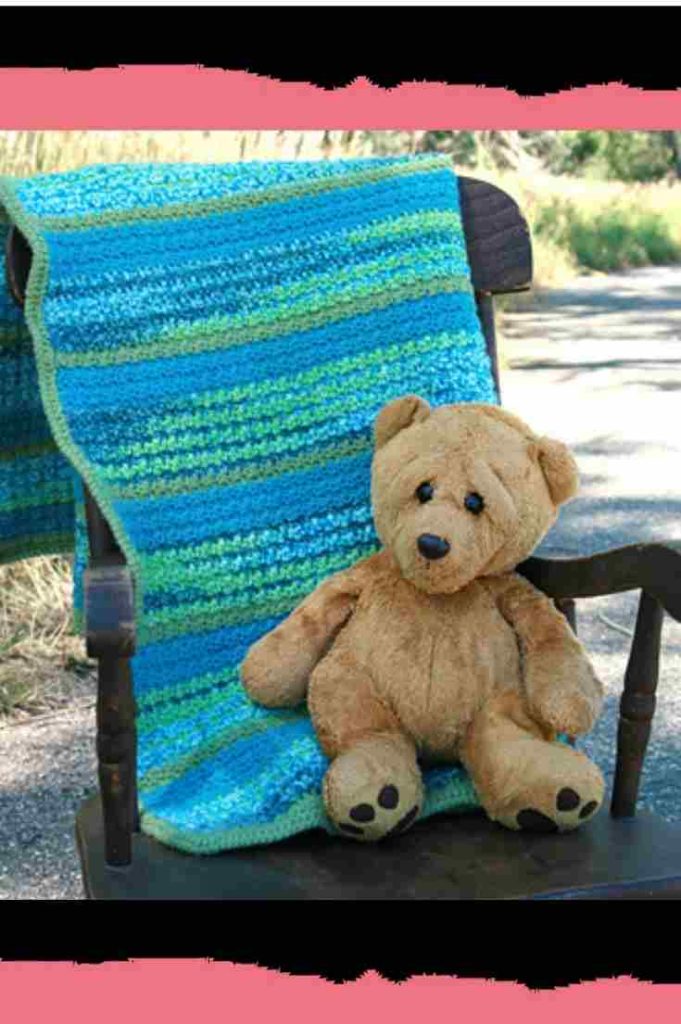
The Cuddles Baby Blanket is one of my favorite crochet patterns that I’ve designed. It’s a seed stitch crochet baby blanket pattern. Therefore, it’s got an interesting look and texture. However, it’s still easy enough for beginner crocheters to make. It’s a big enough project to keep you occupied but not so large that you get overwhelmed and bogged down. If you have any babies at all in your life, they need this blanket. And of course it also works as a lapghan for bigger folks.

Disclosure: This post contains affiliate links. I receive a percentage of sales from those links. Thanks for supporting my work in this way if you can.

seed stitch baby blanket crochet pattern

My Favorite Crochet Stitch Pattern

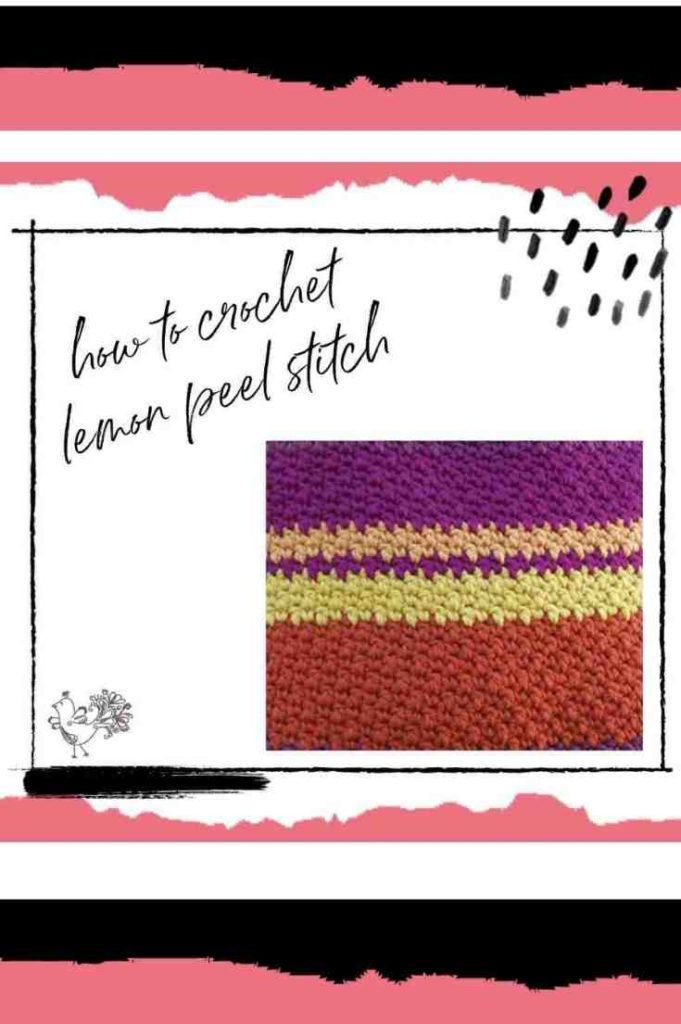
This seed stitch crochet baby blanket pattern uses my very favorite simple crochet stitch pattern. Obviously, it’s called seed stitch. However, you might know it by a different name as well: crochet lemon peel stitch, griddle stitch, waffle stitch, or single double combination crochet stitch, just to name a few. Whatever you call it, it’s a great, easy stitch pattern.

Basically, you alternate single crochet stitches and double crochet stitches across each row. You place them so that you always work opposite stitches into one another. In other words, if you see a double crochet, you work a single crochet into it. And vice versa, of course. This creates a fabulous texture. It’s not any harder than making a blanket entirely in single crochet stitches or entirely in double crochet stitches, both of which are super easy options. However, it looks and feels a lot more interesting when it’s complete. Babies will love to touch the blanket you create with this seed stitch crochet baby blanket pattern. And yet it’s dense enough fabric that their little fingers won’t poke through and get stuck.

Plymouth Yarn Encore Worsted

In terms of the stitch pattern, you could use almost any yarn for this seed stitch crochet baby blanket pattern. However, you always want to be careful when selecting yarn for baby blankets. After all, babies have sensitive skin. Moreover, mothers of babies often want durable, washable blankets. Therefore, you have to select the yarn carefully.

I chose Plymouth Yarn Encore for this baby blanket pattern. It’s a great worsted weight yarn that is nice and cuddly. It’s 75% acrylic and 25% wool. The wool makes it extra comfy without becoming scratchy. The acrylic makes it durable. This blanket will stand the test of time. It’s a machine washable yarn. Not only that; you can dry this blanket in the machine as well. Just tumble dry on low. This makes many moms happy.

Make The Blanket Bigger!

That said, feel free to swap out the yarn as you see fit. You’ll want a worsted weight yarn if you’re seeking to make the blanket the same size as the pattern intends. Worked to gauge, it’s about 40″ square. Of course, you could use a super bulky or jumbo yarn and create a much larger blanket with the exact same pattern. That’s a really cozy choice for a winter throw for older kids and even adults. You could also work the pattern double-stranded for a thicker, bigger blanket. Of course, you’ll use a larger crochet hook than the size H called for in the pattern. This is a very flexible pattern so have fun with it.

Get The Seed Stitch Crochet Baby Blanket Pattern

crochet lemon peel stitch baby blanket pattern

You Might Also Like:

  • Oliver and Olivia Crochet Baby Blanket Free Pattern
  • Easy Crochet Motif Baby Blanket
  • Check Out These Cute Crochet Baby Blankets Patterns

Frequently Asked Questions

What is the seed stitch in crochet?

The crochet seed stitch alternates single crochet and half double crochet stitches (or sometimes single crochet and double crochet) in a staggered pattern to create a bumpy, textured surface that looks like scattered seeds. It’s sometimes also called the moss stitch or granite stitch. The alternating stitch heights create a fabric that lies flat without curling and has a beautiful tactile quality… perfect for baby items where you want something visually interesting but still soft and gentle. It’s a great next step after basic single crochet for crafters ready for a bit more texture.

Is the seed stitch baby blanket good for beginners?

Yes! If you can single crochet and half double crochet, you can make this blanket. The stitch pattern is simple once you get the rhythm… the alternating sequence becomes second nature after a few rows. The challenge is remembering to offset the stitch placement on each row so the texture stays consistent. Stitch markers can help you keep track of the pattern. It’s a step up from a pure single crochet blanket in complexity, but still very accessible… and the textured result looks so much more interesting than plain sc that it’s well worth the small added attention.

What yarn is best for a seed stitch baby blanket?

Machine washable is absolutely essential for anything going to a baby! Soft acrylic in a gentle color… white, cream, sage green, soft yellow, dusty rose, sky blue… creates a beautiful, practical baby blanket. A cotton or cotton blend is lovely for a lighter, more breathable blanket appropriate for warmer climates or summer babies. The seed stitch texture shows best in a smooth yarn… textured or fuzzy yarns blur the beautiful alternating surface. DK weight creates a lovely fine blanket. Worsted weight works up faster and creates a slightly heavier, cozier result.

How big should a seed stitch baby blanket be?

The standard receiving blanket size (40 inches square) is the most versatile… it’s used for swaddling, stroller cover, play mat, and general snuggling. A slightly larger 45 by 45 inch blanket has even more coverage. If you want something that grows with the baby beyond infancy, a 45 by 60 inch “toddler blanket” size is wonderful. For a quick gift, a smaller 30 by 30 inch baby lovey size works up faster while still being useful. Whatever size you choose, the seed stitch texture makes it special… the visual interest elevates even a small blanket.

Can the seed stitch be adapted for other baby items?

Yes! The seed stitch works beautifully for: baby hats (just a tube in the round), baby booties, small security blankets, nursing covers, and car seat covers. Once you learn the stitch, it becomes a go-to texture for anything in the baby item category. The flat, non-curling quality of the seed stitch is particularly practical for baby items since you want clean, even edges without having to add border rounds to prevent rolling. It’s genuinely one of the most useful stitches in a baby-gift-crocheter’s repertoire.

Filed Under: Crochet, Marly Bird Premium Patterns, Pattern

Griddle Stitch Crochet Hat Pattern!

September 13, 2021 By Marly Bird Leave a Comment

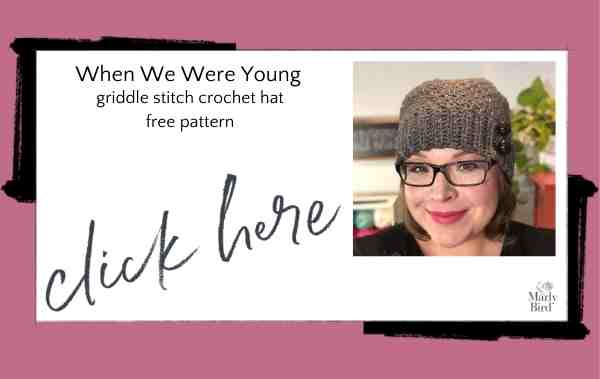
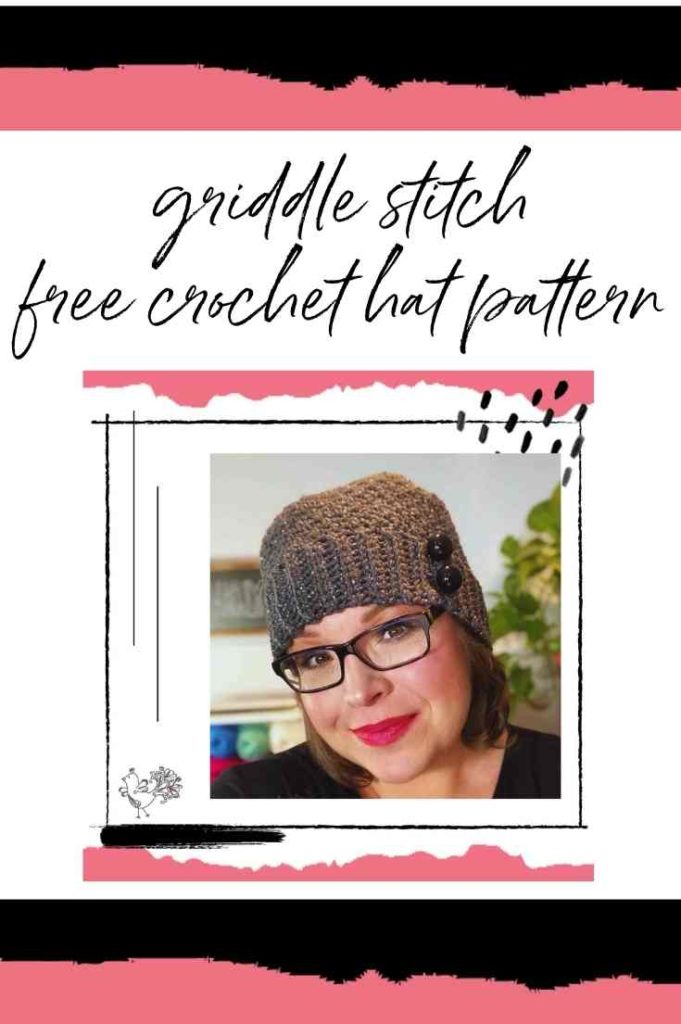
When We Were Young is a free griddle stitch crochet hat pattern. Using single crochet and double crochet stitches, it’s a perfect beginner crochet pattern. However, it’s also a great project for more advanced crocheters who want a simple project. Written for baby sizes 3-6 months through an adult large, it works well as a gift for anyone. Plus, you only need one ball of yarn to make. For a special decorative touch, attach your favorite buttons. See below for a messy bun hat variation on this griddle stitch crochet hat pattern.

Disclosure: This page may contain affiliate links that help me cover the cost of publishing my blog. Should you choose to make a purchase, at no additional cost to you, I may earn a small percentage of the sale.

Green circular fabric patch with stitched edge and a lowercase "r" in the center, shows clear thread detail.

Queue it up and Like the Pattern on Ravelry

About the Griddle Stitch Crochet Hat Pattern

griddle stitch crochet hat pattern

????GET THE FREE PATTERN HERE????

Like many of you, I have single skeins and balls of yarn around my craft room that would be perfect for a one-ball project. However, I can never find a project I like. Then, the other day I saw this cute ball of Red Heart Yarn With Love Metallic yarn sitting on my desk and I thought it would make a wonderful easy crochet hat pattern! After all, if you don’t see a crochet pattern you like, then it’s smart just to make one!

I picked up my hook and started with the single crochet ribbing stitch for the hat’s cuff. I really like this cuff because it doesn’t pull in too much and isn’t too terribly long to make. Once I had the cuff the perfect length (just long enough to go around my head a little snuggly), I had to choose the stitch pattern I wanted to use. 

What is the Griddle Stitch?

For those of you who don’t know, the Griddle Stitch (sometimes called the Lemon Peel Stitch or crochet seed stitch) is one of my favorite stitch patterns. I love the texture of the resulting fabric. Moreover, I think it is fairly easy to crochet without much extra effort. 

Basically, you just alternate single crochet and double crochet stitches across the row. In this griddle stitch crochet hat pattern, you use it for the body of the hat. It works really well in combination with that single crochet ribbed stitch; they complement one another nicely. It’s just really great texture all around.

If you are looking for more patterns where I used this stitch pattern, I used it on my Cuddles Baby Blanket and my Crochet Thrummed Mittens patterns. 

Once I decided on the griddle stitch, I knew I could make this hat absolutely perfect with a crown that has a fun shape due to the crochet decreases being paired up to maintain the stitch pattern. That’s what makes this griddle stitch crochet hat pattern a little bit special.

Can I Make The Griddle Stitch Crochet Hat Pattern a Messy Bun Hat?

Oh, are you a fan of the crochet messy bun hat patterns? This one can easily be made into a messy bun hat. I put the instructions for how to do that right into the pattern. After all, I really like to be able to give you a lot of options to vary up a crochet pattern. If you like the griddle stitch crochet hat pattern but want a messy bun hat, no problem at all.

Crochet hat in brown and gray tones featuring a griddle stitch and a decorative button. Cozy winter accessory.

Does It Come With a Crochet Chart?

Also, to make it even easier for you to do the decreases at the crown, I paid my tech editor to create a crochet chart for you to use. You’re welcome! It’s always great to have different ways to read a crochet pattern. That way, if you aren’t sure about a portion, you can check the chart or words as needed.

Making It a Bit More Special

Last but not least, I wanted to add that little something extra to this design. Therefore, I searched my button bin (yes, I have an entire bin of buttons just waiting for that perfect project…sort of like my yarn stash : ) and found some fun black buttons. Then, I quickly sewed those onto the hat’s cuff for added fun. You can do the same thing with any buttons that you love. Alternatively, you can keep it simple without the buttons.

There you have it: a wonderful free crochet hat pattern that is easy, fun, and cheap. It’s a perfect beginner crochet pattern. 

????GET THE FREE PATTERN HERE????

You Might Also Like:

  • Trinity Stitch One Ball Crochet Hat
  • FREE Crochet Hat by Marly Bird: Chic and Simple Perfect Hat
  • Crochet Hats Designed by Marly Bird
“`html

Frequently Asked Questions

Is this hat pattern good for beginners?

Yes! Honestly… this pattern is listed as advanced beginner, but it uses single crochet and double crochet stitches, making it a perfect beginner crochet pattern too. It’s great for anyone wanting a simple project.

Can I make this into a messy bun hat?

So here’s the thing… you totally can! The pattern instructions for how to make it into a messy bun hat are included right within the pattern itself. I love giving you options!

What stitch is used for the main part of the hat?

Honestly… the main body of the hat uses the Griddle Stitch. It’s one of my favorites because of the lovely texture it creates! It’s basically alternating single crochet and double crochet stitches across each row.

Do I need a lot of yarn for this hat?

Nope! You only need one ball of yarn to make this hat. It’s a great project for using up those single skeins or balls of yarn you might have stashed away.

Can I add buttons to the hat?

Yes! You can add buttons for a special decorative touch. I found some fun black buttons to sew onto the cuff of mine, but you can use any buttons you love or even leave them off if you prefer!

“`

Filed Under: Crochet, Our Free Patterns, Pattern

  • « Previous Page
  • 1
  • …
  • 60
  • 61
  • 62
  • 63
  • 64
  • …
  • 97
  • Next Page »

Let's Be Social

Join the Marly's Minions Facebook group to share, ask questions, or chat about all of your yarn related crafts!

Join the group
Cartoon of a smiling woman with brown hair in a bun, glasses, black jacket and green shirt, waving next to large "hi" text.

Quick Links

The Pattern Shop

Our Free Patterns

Blog

Marly Bird House

Learn to Knit & Crochet

About

Giveaway Terms and Privacy Notice

Find Us Everywhere

Join the Newsletter

YouTube Channel

Marly's Minions FB Group

Etsy Store

Ravelry Store


AN ELITE CAFEMEDIA HOME/DIY PUBLISHER

Information from your device can be used to personalize your ad experience. Do not sell or share my personal information.

Privacy Policy   Terms   Marly Bird Legal Documents Copyright © 2026