Search
Close
  • The Pattern Shop
  • Our Free Patterns
    • Browse All Our Free Patterns
    • Our Free Knitting Patterns
    • Our Free Crochet Patterns
  • Blog
    • All Blog Posts
    • All Free Patterns
    • Dibble Dabble Inspiration
    • Giveaways
    • Make-Alongs
    • Product Reviews
    • Roundups
    • Tips, Tricks, Techniques for Knitting and Crochet
Stylized bird with pink and gray swirling tail above elegant “Marly” text, logo for crochet accessories and home decor.
  • Marly Bird House
  • Learn to Knit & Crochet
    • Newbie? Start Here
    • Video Tutorials
    • Knitting Definitions
    • Crochet Definitions
    • Common Techniques
    • Size Charts for Knitting and Crochet Projects
  • About
×
  • The Pattern Shop
  • Free Patterns
  • Blog
  • Marly Bird House
  • Learn to Knit & Crochet
    • Newbie? Start Here
    • Video Tutorials
    • Knitting Definitions
    • Crochet Definitions
    • Common Techniques
    • Size Charts for Knitting and Crochet Projects
  • About
Stylized bird with pink and gray swirling tail above elegant “Marly” text, logo for crochet accessories and home decor.
Search
Close

New Patterns NOW Available in Ad-Free PDF! Check out The Pattern Shop

37 Crochet Animal Hats | Free Patterns

February 14, 2022 By Marly Bird Leave a Comment

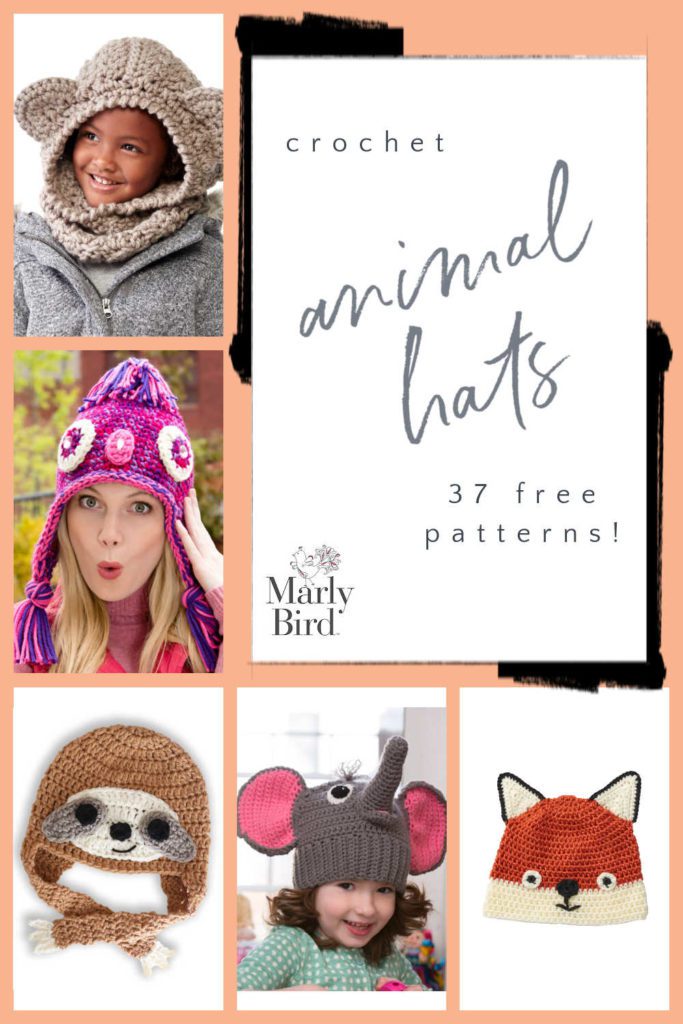
Crochet animal hats for yourself and everyone in your family with this free collection of Yarnspirations patterns! Bears, owls, dogs, cats, foxes, sloths, bunnies, pandas and more are represented!

Bonus: Don't miss knit animal hats!

Collection of colorful crochet animal hats, featuring designs like a monkey, owl, sloth, elephant, and fox.
  • Reindeer Crochet Hats
  • Snowy Owl Crochet Hat
  • Crochet Kitty Hat and Cowl
  • Crochet Sloth Hat
  • Bumblebee Hat
  • Picture Perfect Penguin Hat
  • Cutie Cub Crochet Hat
  • Kitten Hat
  • Crochet Bear Hat
  • Crochet Velveteen Rabbit Hat
  • Puppy Dog Hat
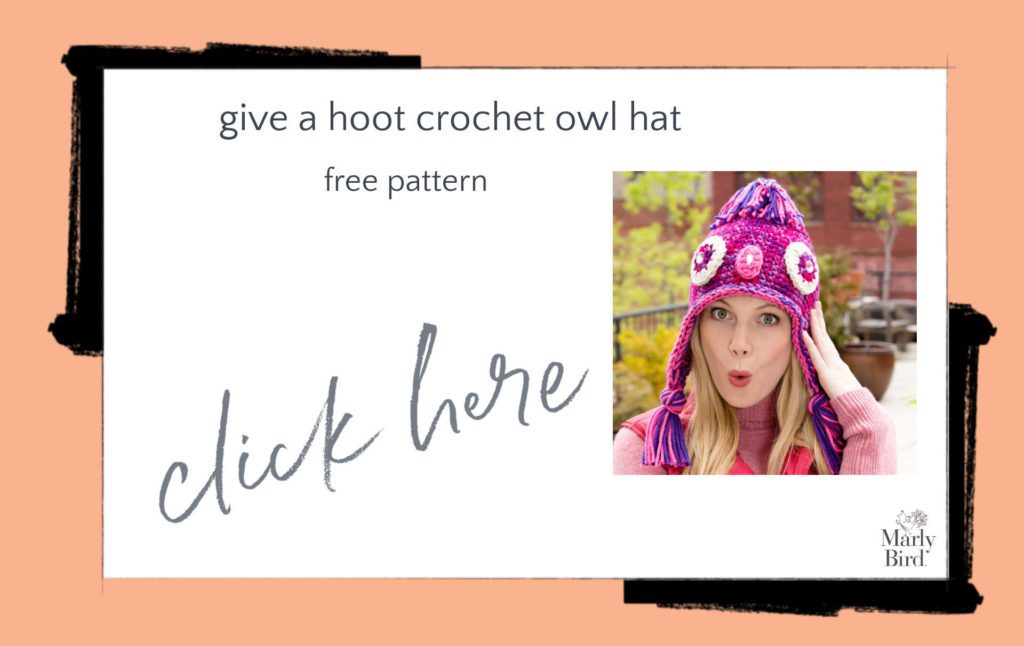
  • Give a Hoot Crochet Owl Hat
  • Panda Baby Hat
  • Bunny Hat
  • Baby Crochet Kitty Hat
  • Bunny Ear Up Crochet Hat
  • Hatosaurus
Bright pink crochet owl hat with pom-poms and button eyes, worn by a woman, promoting a free pattern on a blog.
  • Hootin' Owl Hat
  • Owl Baby Hat
  • Dino Stripes Hat
  • Baby Chick Hats
  • Fluffy Bunny Hat
  • Sweet Bunny Hat
  • Elephant Hat
  • Glam Black Cat Hat
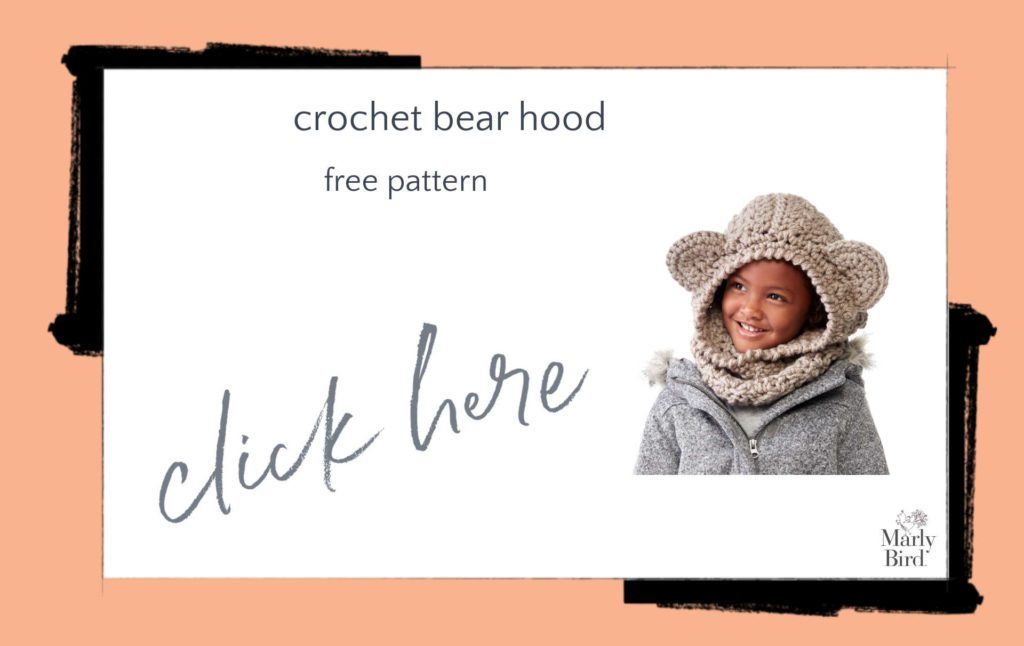
  • Crochet Bear Hood
  • Sweet Lamb Crochet Hat
  • Dragon Hat
  • Raccoon Hat
  • Ladybug Hat
  • Mousie Snood
  • Polar Bear Crochet Balaclava Hood
  • Kitty Hat
  • Koala-ty Hat
  • Fox Hat
  • Crochet Bear Hood
  • Crochet Dino Hat and Tail
  • Crochet Triceratops Hat
Crochet bear hood in beige with rounded ears, featured on a child wearing a gray jacket; free pattern link included.

You May Also Like

  • 44 Free Ocean Animal Projects to Crochet and Knit
  • 8 Free Llama Patterns to Crochet and Knit
  • 49 Free Knit & Crochet Cat Patterns

Frequently Asked Questions

Are crochet animal hat patterns good for beginners?

Most of them are! The hat body is usually a basic beanie worked in the round… single crochet, half double crochet, or double crochet depending on the pattern. The “animal” part is mostly in the ears and embellishments added at the end, which are simple shapes attached after the hat is done. If you can crochet in the round and do basic shaping, you can make most animal hats in this collection. They're fun, fast, and incredibly giftable.

What animals are in this collection?

There are 37 designs featuring a wide range of animals! Cats, dogs, foxes, bears, and bunnies are the most popular. But you'll also find owls, pandas, dinosaurs, sharks, and more. Animal hats are especially popular for kids, so many of these patterns focus on beloved kid-friendly creatures. The right animal hat for a child is basically magic… they will wear it everywhere.

Can I make crochet animal hats for adults too?

Absolutely! Animal hats aren't just for kids. Adults wear them to sports events, themed parties, and for Halloween costumes. A well-made adult animal hat is actually a fantastic accessory. Just size up to adult head measurements and you're good. Many patterns include both child and adult size options… check the pattern for the size range before you start.

What yarn is best for crochet animal hats?

Worsted weight acrylic is the go-to for animal hats… it's soft, machine washable (very important for kids' stuff!), holds its shape for ears and embellishments, and comes in every animal color you could need. For ears and 3D details, you want a yarn that keeps its shape without flopping. If you want extra fluffiness for a bear or rabbit hat, a small amount of fluffy or textured yarn for the ear lining is a cute touch.

How do I make the animal ears stand up straight?

A few tricks! Stuff small ears lightly with fiberfill before sewing them closed. Crochet through both layers of the ear base when attaching… this anchors them firmly. For floppy ears (like bunnies and dogs), a loose attachment is actually intentional! For pointed ears that need to stand up, use a slightly tighter gauge and make sure the base is wide enough to support the height. And placement matters… attaching ears too far apart or too close together affects how they sit on the hat.

Filed Under: Round Ups

Knit Happy With Self-Striping Yarn Book Review

February 11, 2022 By Marly Bird Leave a Comment

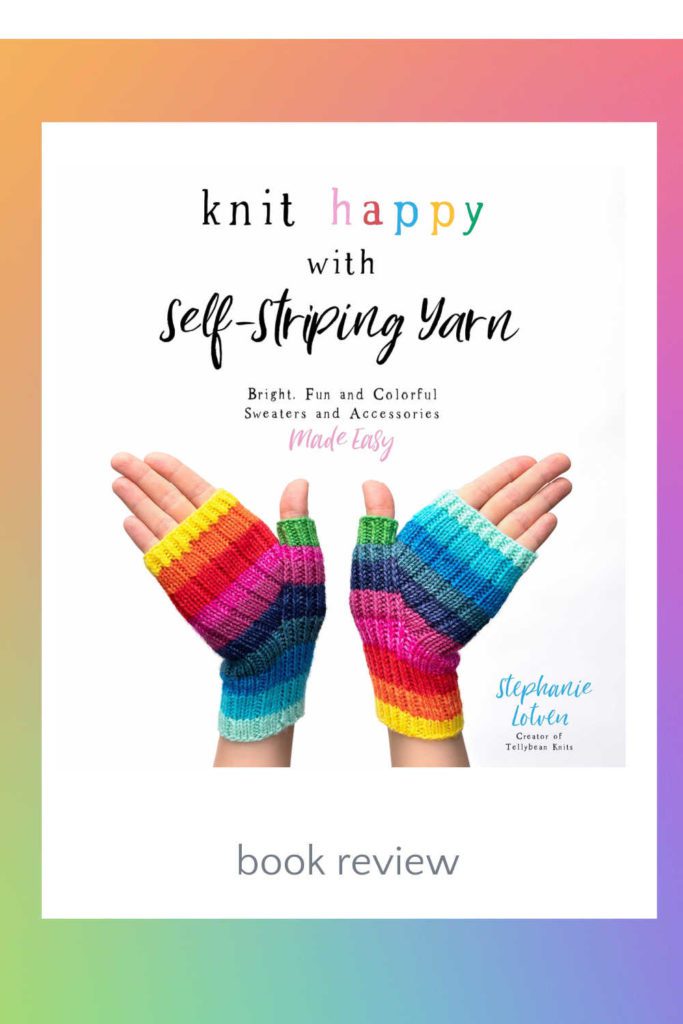
Book reviews on the Marly Bird site are written by team member Kathryn unless otherwise noted. This is her review of Stephanie Lotven's book “Knit Happy with Self-Striping Yarn: Bright, Fun and Colorful Sweaters and Accessories Made Easy.”

Disclosure: This post contains affiliate links. I receive commission from sales made using those links. Your price doesn't change in any way. Thank you for your support.

knitting book review

The Joy of Self-Striping Yarn

Many knitters love to play with color. And, of course, there are plenty of different ways to do that. That's half the fun of knitting. However, you aren't always in the mood to do complex colorwork yourself. Perhaps you want a more meditative, but still colorful, project. Or, maybe you're a new knitter who wants to see the joy of color without having to get into advanced knitting skills quite yet. This is where self-striping yarn comes in.

Self-striping yarn allows you to knit (or crochet) from one end of the yarn ball to the other. You don't have to stop to pick out new colors. The colors change like magic as you craft. And, just like magic, you get stripes of color as you do simple knit stitches. It's pretty amazing, whether you're a newbie or an advanced knitter. In “Knit Happy,” Stephanie Lotven has really celebrated this magic with twenty different patterns that use self-striping yarn to create knit accessories and garments.

stephanie lotven quote

Self-Striping Yarn Isn't Just For Knitting Socks

Lotven explains in her introduction why she was inspired to create Knit Happy. She had been working away on a pair of self-striping knit socks, thoroughly immersed in the joy of the color unfolding. And she did love those socks. But then, as she puts it, “I popped my toes into my new favorite socks, skipped done the stairs, put on my shoes, and just like that, my beautiful socks disappeared.” She was immediately inspired to use colorful self-striping yarn to knit accessories and garments that the world around her could see when she wore them.

Self-Striping Knit Accessories and Sweaters

This book contains 4-6 patterns in each of five different categories:

  1. Knit mittens (including one that is a fingerless pair)
  2. Hats (including one that is a bonnet)
  3. Cowls
  4. Shawls
  5. Sweaters

When she had seen her socks disappear, she immediately thought about creating “sock arms” which led to some of the knit sweater designs in this book. All in all there are twenty different super colorful knit patterns in this book.

Knit Patterns for Different Skill Levels

One of the things that I love about this book, although it is seemingly simple, is that it includes information about the skill levels of each pattern at the very start of the book. Sure many knit pattern books list the skill levels on the pattern. However, this actually tells you more about what each of the four levels (from beginner to advanced are). Moreover, the author lists which patterns in the book are best for each skill level. Therefore, you can go right here and see that if you're an adventurous beginner, for example, there are nine patterns best to start with.

Additional Information In Knit Happy

Knit Happy is one of those books that provides with a lot of information. You'll learn about self-striping yarn, including working with different stripe widths. You'll learn about color repeats, why swatching is especially important with self-striping yarn, and get tips for combining solid colors with your colorful yarn in projects.

Each knit pattern in this book includes all of the information you would expect (sizing, construction notes, written instructions, abbreviations, diagrams, charts where appropriate, bonus tips, and clear photos. Furthermore, each pattern begins with a fun introduction. This gives you insight into the designer as well as the pattern, making it a more personable book to work with than many on the market.

5 Beautiful Self-Striping Yarn Knit Patterns

It's really hard to pick favorites from this book. Honestly, if you love color, then you're going to like all twenty patterns. But here are five patterns from the book, as found on Ravelry, one from each category:

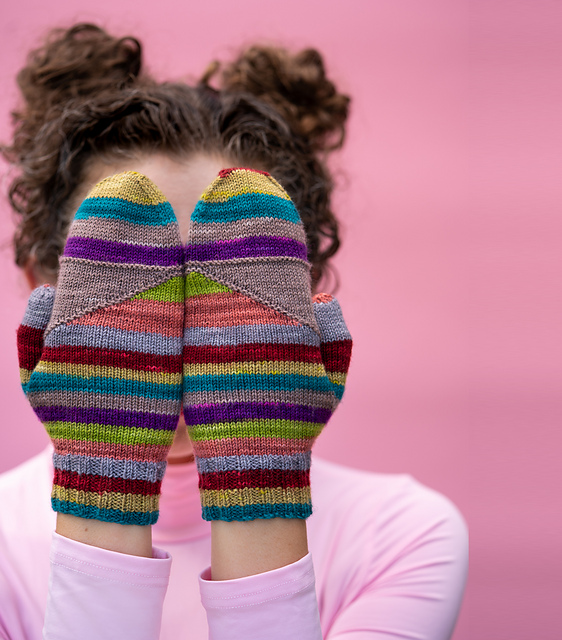
1. Leap Frog Mittens

Leap Frog Mittens in Knit Happy Book

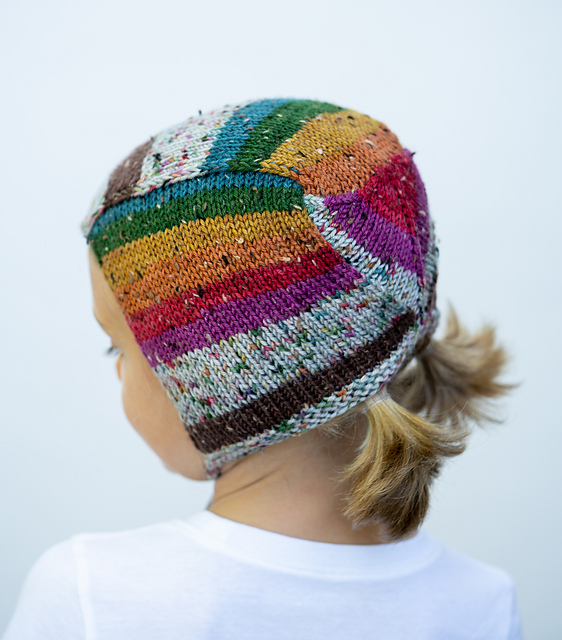
2. Everyday Magic Bonnet

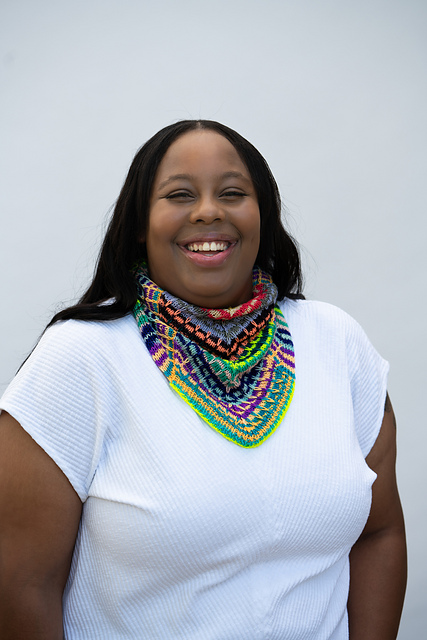
knit bonnet with self-striping yarn from Knit Happy

3. Slippery Cowl

colorful knit cowl with self-striping yarn in Knit Happy book

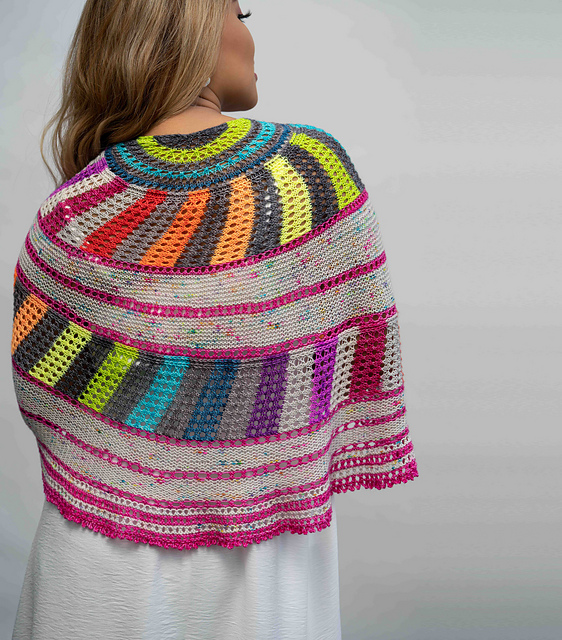
4. For The Thrill Knit Shawl

self striping knit shawl from Knit Happy

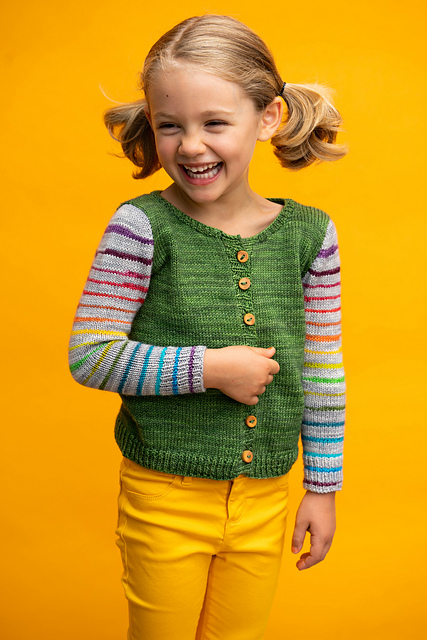
5. Little Sock Arms Cardigan

self striping knit cardigan by Stephanie Lotven

Get This Self-Striping Yarn Knitting Book

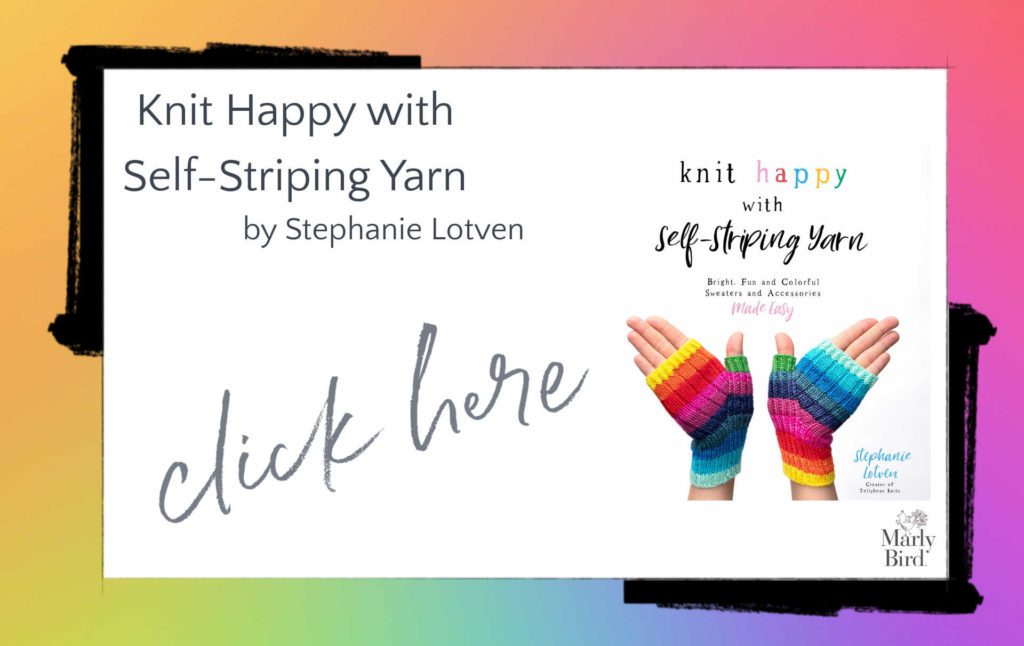
Knit Happy is available for sale through Amazon. You can get it as a paperback or as a spiral bound book. Alternatively, you can also get it on Kindle.

self striping yarn knitting book

You Might Also Like:

If you love to read about crochet, knitting, and yarn, then make sure to check out these lists:

  • 2022 Crochet and Knit Books to Pre-Order for Your Craft Library Now
  • The Best 2021 Knitting Books
  • The Best 2021 Crochet Books
  • Granny Square Books
  • The Best Craft Planners and Journals
  • Marly’s Craft Books at Leisure Arts

Love Self-Striping Knit and Crochet? Check out:

  • Striped Beginner Crochet Basket
  • Fair Isle Knit Pullover
  • 20 Stashbusting Knitting Patterns

Frequently Asked Questions

What is “Knit Happy With Self-Striping Yarn” all about?

So here's the thing… this book is all about celebrating the magic of self-striping yarn! It's got twenty different patterns for knit accessories and garments that really showcase how these yarns can create amazing color effects without any extra effort from you.

I'm a beginner knitter, can I use this book?

Honestly, yes! The author, Stephanie Lotven, is super thoughtful and includes information about skill levels for each pattern right at the start. She even explains what each level means and suggests which patterns are best for different skill levels, including adventurous beginners!

What kinds of things can I make from this book?

You'll find a great mix of projects! There are patterns for knit mittens (even fingerless ones!), hats (including a bonnet!), cowls, shawls, and sweaters. It's a really nice variety, with about 4-6 patterns in each of those five categories.

Why did Stephanie Lotven write this book?

Well, it all started when she made some amazing self-striping socks and realized that while they were beautiful, they disappeared when she put on her shoes. She was inspired to create knit items like sweaters and accessories that the world could actually see and enjoy!

Does the book give me tips on using self-striping yarn?

Oh yes! You'll get lots of helpful info… like how to work with different stripe widths, understand color repeats, why swatching is a must-do with these yarns, and even tips for combining them with solid colors. It's a really comprehensive guide!

Filed Under: Uncategorized

Crochet Stitch Anatomy: (BiCrafty Bootcamp: Beginner…

February 10, 2022 By Marly Bird 1 Comment

Welcome back to BiCrafty Bootcamp: Beginner Crochet Lessons for Knitters! We hope that you had a nice holiday break. Hopefully you continued working on the skills that we began developing in the first half of bootcamp. Now we're ready to dive right back in, brush up on those skills, and keep on growing! We have a few things going on this week, the focus of which is learning crochet stitch anatomy. You can work into different parts of each stitch, creating different crochet fabric like magic. This should be a fun lesson!

BiCrafty-Bootcamp-Crochet-landing-copy

Refreshing Our Memories

Let's get back in the swing of things! You can access the main BiCrafty Bootcamp Crochet page any time to see links to all of the lessons and videos. We've also shared the MATERIALS LIST for part two of bootcamp, so you should go order your yarn now if you haven't done so already.

We wrapped up part one by working on the Confetti Dots Blanket, our JAYGO granny motif crochet blanket project. We're going to chat today about finishing that completely by adding a simple border.

This Week's Materials

Today we're working on learning skills, rather than creating a specific project. We're heading into more projects next, so order your yarn at the link above. For today, you can practice with any size worsted weight yarn and a suitable crochet hook.

Crochet Stitch Anatomy: Loops and Posts

Back in Lesson 3, we learned that you can crochet into the top of a crochet stitch or into the spaces between crochet stitches. Now we're ready to learn about a few other options related to working into the stitch. This involves looking at crochet stitch anatomy.

Each crochet stitch has two key parts: the loops and the post. When you work into the top of the crochet stitch as we've done so far, you're working through “both loops.” (Look closely, you'll see that there are two loops sitting on top of the stitch, if you look down at them from above, they look like a “v” – you insert your hook through both of them.) When we've worked into the spaces instead of the stitches, as with the granny stitch, we've worked between the posts, or the body, of the stitches.

Now we're going to learn that you can also crochet through different parts of the loops as well as around the posts! You use basic stitches to make entirely different fabric thanks to different placement. For example, you can work a double crochet stitch into both loops (which you've already learned how to do) or through the front loop only (FLO), back loop only (BLO), or around the front or back of the post. Let's explore.

Crochet Stitch Anatomy: Parts of the Loop

Almost every crochet stitch has the same two loops that sit on top of the stitch. If a crochet pattern does not specify otherwise, you insert the hook through both loops when creating your stitch. Alternatively you can:

Front Loop Only (FLO)

In front loop only crochet, (FLO), you insert the hook only through the front loop of the stitch. As you can see in the vide above, you can hold your work vertical to see the “v” that the two loops form. The stitch closest to you is the front loop.

To work FLO crochet, you insert your hook from the front of the work to the back, but through only that front loop. So you insert the hook between the front and back loop. You otherwise complete the stitch as normal.

Back Loop Only (BLO)

Similarly, you can work in the back loop only (BLO). You insert the hook front to back between the two loops, working into the back loop.

NOTE: the front and back loops are defined by which loop is closest to you as you work. When working in rows, you turn your work every row. Therefore, what was the front becomes the back. Don't worry about this. FLO and BLO are defined only by the stitches closest to and furthest from you as you are looking at them on that row.

NOTE: You might work into the same loop across an entire row or even an entire project. However, some patterns will ask you to alternate between the two from stitch to stitch. There are SO many different fabrics that you can make using the same stitch worked in these different ways.

Crocheting Into the Third Loop in HDC

Most crochet stitches have two loops – front and back. However, some crochet stitches are unique. For example, the half double crochet actually has three loops instead of two. If you think about how the HDC is created, this makes sense. In both single and double crochet, your final step is “pull yarn through both loops on the hook.” That's why there are two loops. However, in half double crochet, your final step is “pull yarn through all three loops on the hook.” Therefore, there's a third loop in half double crochet. It's just slightly different crochet stitch anatomy, that you only really notice when you're working in specific loops.

Therefore, yes, you can choose to crochet only into the third loop in HDC. This creates a very knit-like texture. We'll cover how to do this in the live lesson for this session.

Crochet Stitch Anatomy: Front and Back Posts

Now you know how to crochet in the front, back, and third loops. However, there's also the post in crochet stitch anatomy. A crochet stitch has a post, which varies in height. In knitting, of course, all stitches are the same height. However, in crochet, you can build stitches taller and taller. The single crochet is shorter than the double which is shorter than the treble. The post is the height part of the stitch.

You can crochet around the posts instead of into the loops. This is a great way to add texture and dimension to a piece. We use front and back post crochet to create ribbing for projects. We also use them to create basketweave crochet and crochet cables.

Unlike with the loops, there is only one post. However, you can still work it as a front post stitch or a back post stitch. In front post, you insert the hook from the front to the back, around the post. As a result, the stitch pops out slightly towards you. In back post, you insert the hook from the back to the front, around the post. As a result, the stitch pops out slightly away from you.

Again, you can create post stitches using any basic crochet stitch. Double crochet is very common. So you have front post double crochet (FPDC) and back post double crochet (BPDC).

Crochet Ribbing

As a knitter, you know the value of ribbing for your projects. We often use it to create cuffs, hat brims, etc. and of course ribbing also creates beautiful texture for any fabric. In crochet, ribbing can be made in a variety of different ways.

Slip Stitch Ribbing

Slip stitches are one of my favorite techniques for crochet ribbing. You get a stretchy comfortable fabric that works for a variety of different projects. It's especially good for hat brims. There's a video below but read all about this here.

Post Stitch Ribbing

You can also alternate front and back post stitches to create ribbing for certain projects.

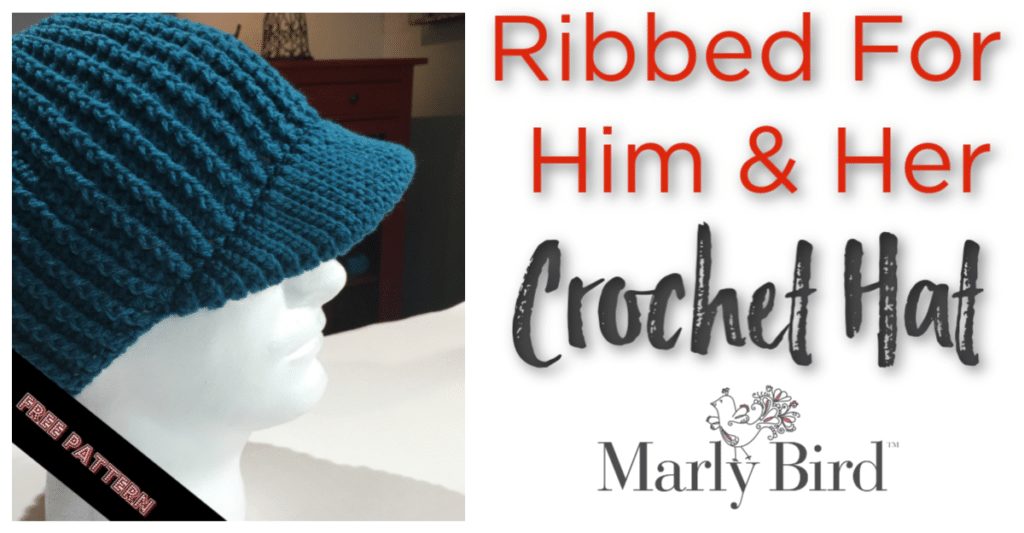
PRACTICE: RIBBED FOR HIM AND HER HAT

Now you've learned the crochet stitch anatomy. However, you have to practice in order to build your skills. The Ribbed for Him and Her Hat is the perfect project to practice. It uses all of these skills in one project, and you end up with a great hat. We use slip stitch ribbing for the hat brim. You'll work FLO and BLO stitches and also work FPDC and BPDC. It's truly a great practice opportunity.

HOMEWORK FOR NEXT LESSON

You'll need to make a faux cable square without the faux cables so we can learn on that next week.

And order your yarn!

Frequently Asked Questions

What is “crochet stitch anatomy” and why does it matter?

Stitch anatomy means understanding the physical structure of each stitch… which loops make up a stitch, where the hook inserts, how the yarn wraps and pulls through, and what each resulting loop does in the fabric. This knowledge is the foundation of deeper crochet skill. When you understand why a stitch looks and behaves the way it does, you can troubleshoot problems, modify techniques, understand new stitches faster, and work with intentionality rather than just mechanically following instructions.

This is BiCrafty Bootcamp Lesson 9… what's covered?

By Lesson 9 of the BiCrafty Bootcamp knitting series for crocheters, you've built significant foundational skills. Stitch anatomy at this point represents the deeper understanding of what's happening structurally in crochet fabric… the “why” behind the techniques you've been learning. Understanding crochet stitch anatomy at this stage of the series prepares you to better comprehend how crochet and knit fabric relate to each other, which is the BiCrafty goal. If you haven't done earlier lessons, they provide essential foundation.

What are the key parts of a crochet stitch?

Every crochet stitch has a few key components. The top two loops (the “V” at the top of each stitch) are what you normally insert your hook through. The front loop is the loop closest to you. The back loop is furthest from you. The “third loop” is a horizontal bar on the back of half double crochet stitches. The post (or bar) is the vertical section of taller stitches like double crochet. The chain at the base connects stitches in the foundation row. Understanding which part of a stitch you're working into is fundamental to all the “special stitch” techniques.

How does knowing stitch anatomy help me troubleshoot crochet problems?

Enormously! If your edges are uneven, understanding stitch anatomy tells you to look at whether you're consistently working into the top loops vs. accidentally skipping or adding stitches at row ends. If your gauge is off, anatomy understanding helps you see whether your hook is going through both loops or just one. If a “special stitch” isn't working, anatomy helps you identify exactly which loops the technique requires. Understanding the physical structure of your stitches transforms troubleshooting from guessing to diagnosis.

Do I need to understand stitch anatomy to just follow basic patterns?

Not necessarily… you can follow basic patterns mechanically without this knowledge. But understanding stitch anatomy dramatically accelerates your skill development and makes you a more confident, autonomous crafter. Instead of being dependent on patterns always telling you exactly what to do, you develop the foundation to understand WHY patterns are written the way they are, which lets you adapt them, fix problems, and eventually create your own. It's the difference between reading by sounding out individual letters versus understanding language. Both produce reading… but one gives you much more capability.

Filed Under: BiCrafty Bootcamp Learn to Crochet, Crochet

33 Free Polka Dot Patterns | Crochet and Knit

February 9, 2022 By Marly Bird Leave a Comment

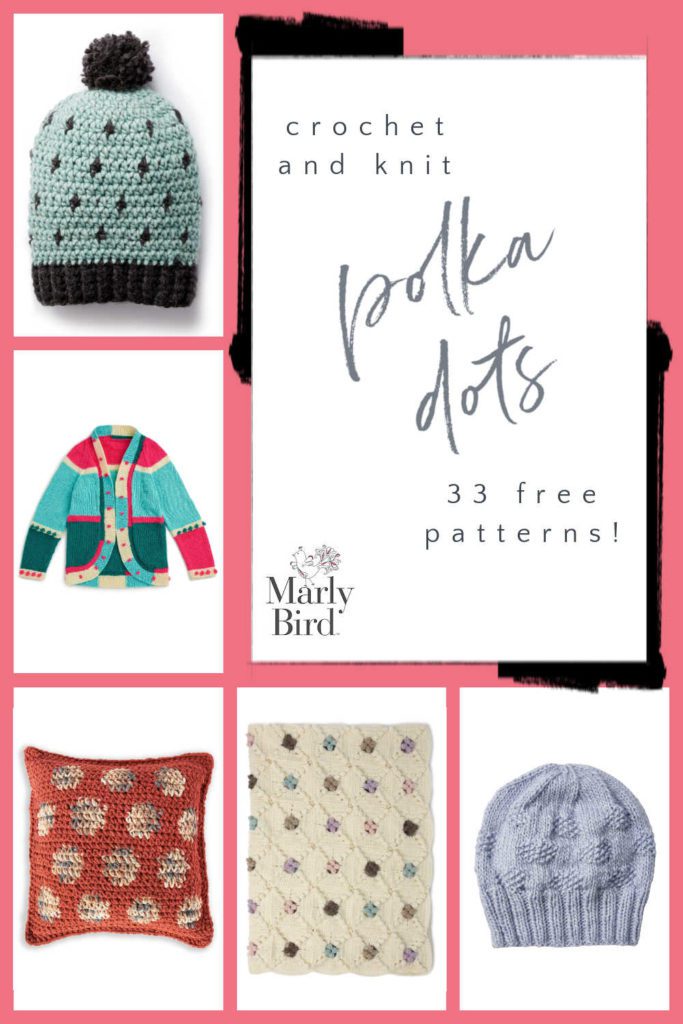
Polka dots add a fun accent to any pattern! Switch up colors to make them using colorwork techniques, add them using embroidery, use a textured stitch, or sew on polka dots as appliques. No matter which way you make them, you can add polka dots to any pattern you'd like!

33 Free Polka Dot Patterns | Crochet and Knit

Polka Dots on Home Decor

Blankets are a natural fit for polka dots, but you can also add them on dishcloths, tote bags, stockings, and other items for your home.

  • Polka Dot Mushroom Ornaments
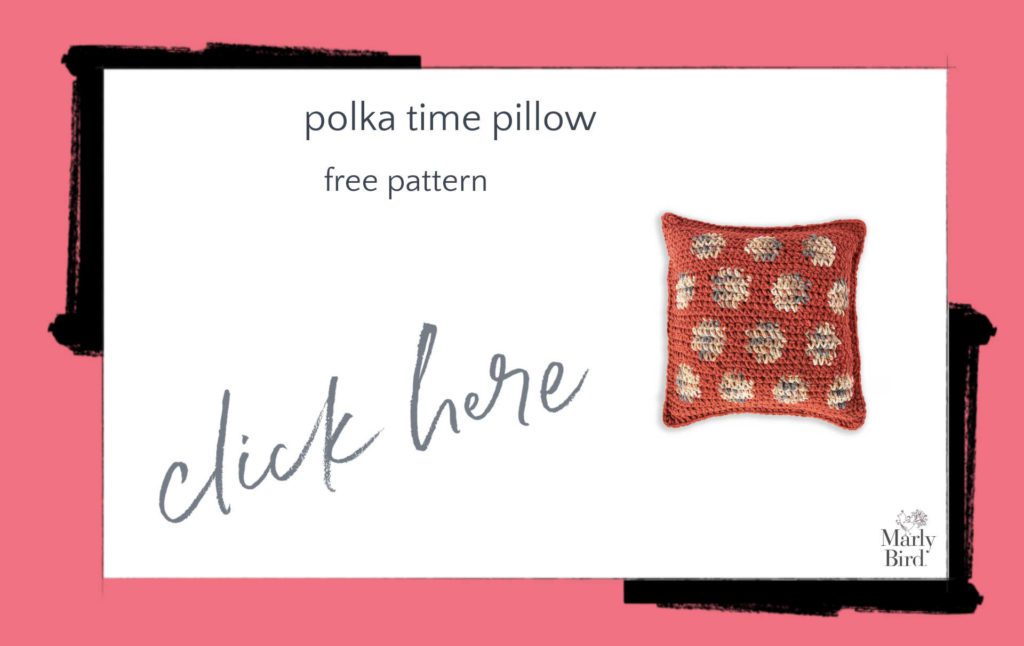
  • Polka Time Pillow
  • Polka Dot Baby Blanket
  • Polka Dot Dishcloth
  • Pretty Polka Dot Knit Pillow
  • Loopy Dots Crochet Blanket
  • Crochet Colorful Polka Dot Baby Blanket
  • Three Tangy Juggling Balls
  • On the Dot Stocking
  • Dots and Ridges Knit Blanket
  • Mossy Dots Knit Pillow
Polka Time Pillow Crochet Pillow
  • Crochet Bobble Stocking
  • Fading Shades Crochet Tote Bag
  • Little Dots Crochet Baby Blanket
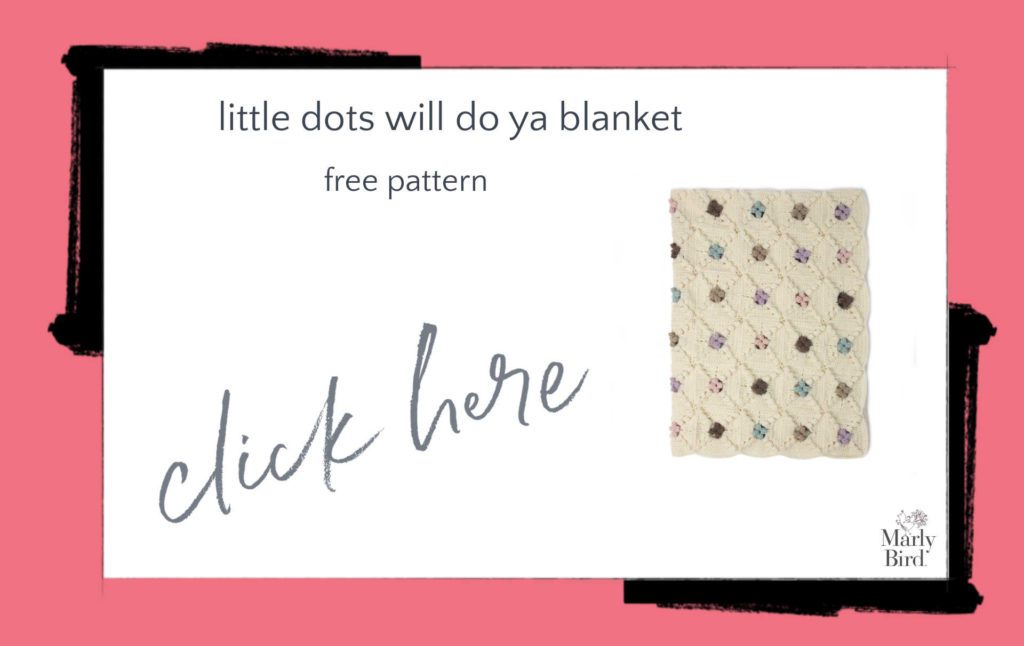
  • Little Dots Will Do Ya Crochet Blanket
  • Polka Dot Chair Pad
  • Toddler Blanket
  • Dots and Ridges Knit Blanket Sparkle
  • Circling Accent Pillow
  • Circles in Octagons Throw
  • All That Chic Throw
  • Mud Cloth Inspired Throw
  • Tiny Dots Knit Blanket
Little Dots Will Do Ya Blanket Free Crochet Pattern

Polka Dots to Wear

Add polka dots to your hats, cowls, and even sweaters for an added bit of fun.

  • Polka Dot Hat and Mittens
  • Polka Dotty Crochet Hat
  • Santa's Baby Elf
  • Cozy Crochet Hat
  • Polka Dot Knit Hat
  • Ribbon and Bow Cowl
  • Crochet Colorwork Hat
  • Snow Speckled Hat
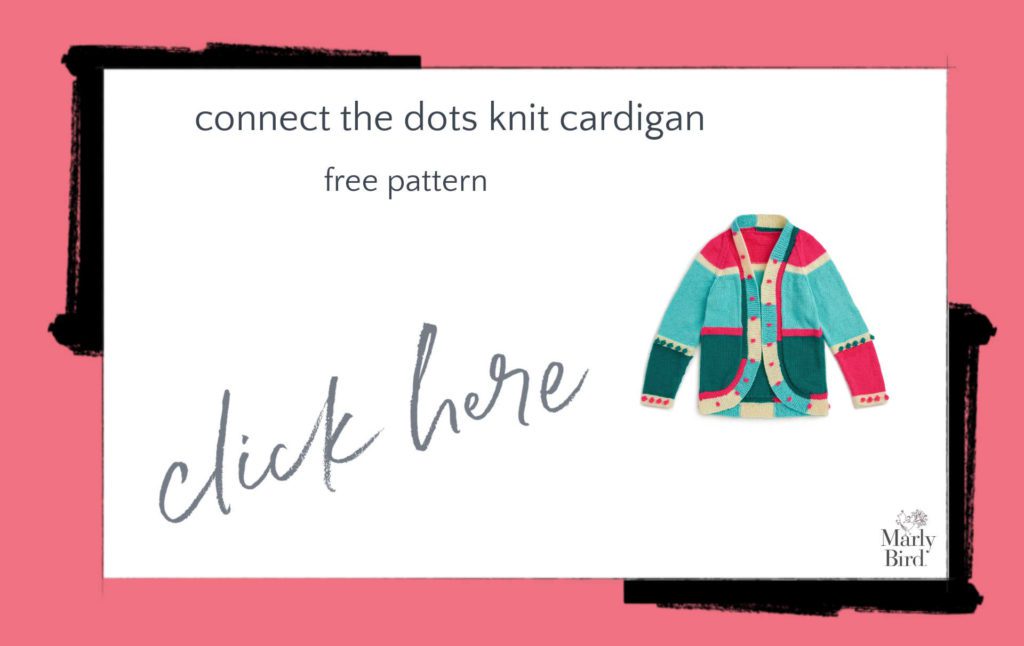
  • Connect the Dots Knit Cardigan
  • Bobble Pop Crochet Cowl
Connect the Dots Knit Cardigan Free Knitting Pattern

Bonus: Circle in Square

All of these projects are circles that turn into squares — and they're all polka dots! Click on the image to see these polka dot patterns.

You May Also Like

  • 74 Free Happy at Home Patterns to Crochet and Knit
  • Free Triangle Patterns to Crochet and Knit
  • 41 Free Seamless Patterns to Crochet and Knit

Frequently Asked Questions

How do you create polka dots in crochet or knitting?

Several techniques! In knitting, simple colorwork dots can be worked in stranded knitting or duplicate stitch added after. Bobbles and puffs create dimensional raised dots in the fabric. In crochet, circular motifs (small granny-square style circles) can be joined together or appliqued for a dot effect. C2C crochet with circles in the grid creates polka dot graphghans. Surface crochet circles on a finished background create dots. And mosaic crochet can create dot patterns through slip stitch colorwork. The 33 patterns in this collection explore different dot-creating approaches.

What color combinations make the best polka dots?

High contrast makes the dots pop! Classic polka dot combos: white dots on black or navy, black dots on red, multi-colored dots on a neutral background. For something more modern: cream dots on a dark base, or a single bold color dot on a light background. Pastel polka dots on white are sweet for baby items. Rainbow dots on a dark or neutral base is joyful and colorful. The dots need to be clearly visible against the background… if background and dot are too similar in value, the pattern gets lost. The fun is in choosing color combos that feel like YOU.

Are polka dot patterns good for beginners?

Some are! Crochet dishcloths with simple dot patterns in basic single crochet are beginner-accessible. Slip stitch colorwork dot patterns in knitting use simple techniques. Applique dot projects (making separate circle motifs and attaching them) are very approachable. More complex polka dot graphghans or intricate colorwork dot sweaters require intermediate to advanced skills. The 33 patterns span this range… start with the simpler ones and work up to the more complex designs as your confidence grows.

Can I add polka dots to a plain project after finishing?

Yes! This is actually one of the easiest ways to add dots to any project. Surface crochet circles or slip-stitched circles on a finished piece create dot embellishments. Small crocheted flat circles sewn onto bags, blankets, or clothing add handmade polka dot style. Duplicate stitch in knitting lets you add colorwork after the fact, including simple dot motifs. These post-project embellishments mean you can take a plain piece and personalize it with dots without remaking the whole thing. Great for refreshing older projects or customizing gifts.

Are there polka dot patterns for home decor, not just clothing?

Yes! Polka dot dishcloths and kitchen items are popular. Polka dot blankets for home decor. Dot-pattern pillow covers. Children's room decor in polka dot patterns. Bags with dot motifs. The polka dot pattern is versatile across project types because it's graphic, playful, and works in any color scheme. For a contemporary home, neutral polka dot patterns (white circles on natural, or grey dots on cream) look sophisticated rather than childish. The dot motif is genuinely timeless in home decor.

How to Add Polka Dots to Any Pattern

Here's the fun part… you don't need to find a polka dot pattern to have polka dot style! Let me share my favorite techniques for adding dots to projects you already love.

Colorwork Method

This is perfect if you're comfortable with stranded crochet or fair isle knitting. Work your base color, then carry your contrast yarn inside and switch colors when you hit the dot section. It's clean, integrated, and super durable for items that get lots of wear and wash.

Surface Embroidery

My go-to for quick customization! Once your piece is done, use embroidery floss and a tapestry needle to stitch French knots or satin stitch circles right onto the surface. Check out my guide to embroidery on crochet for detailed techniques that'll have your dots looking professionally placed every time.

Appliqué Dots

Crochet small circles using fingering weight yarn, then sew them on. This gives beautiful dimension and lets you experiment with color combos before committing.

Pro tip: Bobble stitches and popcorn stitches create textured dots that pop without any colorwork at all… perfect if you're working with a single yarn!

Filed Under: Round Ups

Inspiration! Start Your Free Trial for Creativebug Art and Craft Classes

February 8, 2022 By Marly Bird Leave a Comment

Creativebug has a free seven day trial for any of its subscription levels. Honestly, Creativebug is one of the best platforms for art and craft classes because they have a lot of great teachers but also a HUGE variety of different things that you can learn. I teach both knitting and crochet through Creativebug, and I love that I've been able to offer instructional techniques to people on this platform. They regularly offer varied discounts to new members. Therefore, you have the opportunity to check them out at no or low cost at any time. It's well worth it!

Full disclosure: This post contains affiliate links. If you click the link and take advantage of the deal, I make a little bit of money off of the sale. In fact, it benefits me even if you just sign up for the free trial. I honestly think you'll like the platform. But if after 60 days you decide that you don't, you can cancel, pay nothing, and it still helps me out a lot. So please consider checking out the free trial.

What is Creativebug?

If you aren't familiar with Creativebug then you're missing out. It's a platform for artists, makers, crafters and other creative people. It's a place where you can learn new crafts. You can also learn new techniques in a craft that you already love, such as knitting or crochet. If you sign up for a membership, then you get unlimited access to their art and craft classes. Classes are go-at-your-own pace and never expire. It's a great season to learn something new, so why not check it out?

Creativebug Free Trial

They offer different deals all of the time. However, you can pretty much always at least get a free trial. For seven days, you can access the entire website for free. After that, you determine whether you want to get the Unlimited or Unlimited Plus membership. Even the most expensive membership is less than $10 per month. And you can get it for practically half that if you pay a full year in advance. This is a really low price for unlimited online art and craft classes across diverse disciplines.

Check Out the Daily Practice Craft Sessions

Creativebug has been around for nine years so they've got a lot of amazing content. Five years ago, Creativebug started launching an inspirational series called Daily Practice. Just as the name suggests, they send members a daily dose of creative inspiration almost every single day.

Why Sign Up For Daily Practice:

  • It's a great way to get inspired to be creative. Those little inspirational reminders, tips, and ideas can really get your crafty juices flowing.
  • You'll get the chance to explore a wide range of creative practices. Even if you love to knit and crochet, you might find that trying your hand at other crafts is fun as well.
  • This is a terrific way to jumpstart your craft energy. Daily Practice is a way to develop the habit of crafting. It's a way to remind yourself to make space for craft every day. That is so valuable for us on so many levels.
  • WHY NOT? GET ACCESS NOW. You can try it and see if you like it.

What Else Creativebug Offers

You get an amazing amount of stuff with your Creativebug account. Creative experts across a range of different industries produce new classes for your daily. In addition to knitting, and crochet, you can find craft classes for other fiber arts including macrame, weaving, and embroidery. You can also explore other art and craft classes from painting to paper projects.

Plus Creativebug gives you access to:

  • CBTV featuring documentary-style insight into artists and their processes
  • Community galleries for inspiration
  • Community forums for connecting and sharing
  • Downloads: patterns, recipes, and templates
  • Lookbooks for inspiration and ideas

Marly Bird's Creativebug Classes

Learn how to knit and crochet with Creativebug classes by Marly Bird

You can learn more about Creativebug by listening to the YarnThing podcast episode we did. As you'll see when you click over to that post, I've got a variety of classes that you can take through Creativebug.

You can use my classes to learn how to make a colorblock crochet sweater or a crochet shawl, knit or crochet cardigans, make Christmas stockings with cables, or practice Entrelac knitting. Since the time of that podcast post, I've added another six classes to Creativebug. You can join me to learn cabled crochet, beaded knitting, broomstick lace and so much more.

MarlyBird craft classes

And, of course, those are just my classes. There are lots of other great instructors as well teaching a wide range of art and craft classes. It's a terrific chance to try something new, which expands your brain and makes you feel good about yourself. Sign up to try Creativebug now!

You Might Also Like:

  • Listen to Marly on Creativebug's Stitch and Chat video
  • Meet Ursula Morgan, CEO of Creativebug

Frequently Asked Questions

What exactly is Creativebug?

Honestly, Creativebug is a super neat platform where artists and crafters can learn all sorts of new things! You can learn brand new crafts or just pick up some fresh techniques in crafts you already love, like knitting or crochet. They have tons of classes that you can take at your own speed, and they never expire once you're a member.

Can I really try it out for free?

Yes! They almost always have a free trial going on, usually for seven whole days. It lets you explore the whole website and all its amazing classes without paying a thing. After the trial, you can decide if you want to sign up for a membership… it's a really great deal for all the classes you get!

What kind of classes does Marly teach on Creativebug?

So here's the thing… Marly teaches quite a few! You can learn to make things like a colorblock crochet sweater, a crochet shawl, knit or crochet cardigans, Christmas stockings with cables, and even practice Entrelac knitting. She's also added classes on cabled crochet, beaded knitting, and broomstick lace, just to name a few!

Besides knitting and crochet, what else can I learn?

Oh, you'll be surprised! Creativebug has classes in tons of other fiber arts like macrame, weaving, and embroidery. Plus, you can dive into painting, paper projects, and so much more. They really do have a HUGE variety of things to explore!

What is this “Daily Practice” thing I keep hearing about?

It's such a fun idea! Daily Practice sends you a little dose of creative inspiration almost every single day. It's a great way to keep your crafty juices flowing, discover new creative practices, and help build a daily crafting habit… which is so good for the soul!

Filed Under: Crochet, Knitting

Crochet Market Bags Book Review

February 7, 2022 By Marly Bird Leave a Comment

Book reviews on the Marly Bird site are written by team member Kathryn unless otherwise noted. This is her review of Salena Baca's book “Crochet Market Bags: 10 Fresh Fun Handbags and Totes.”

Disclosure: This post contains affiliate links. I receive commission off sale from those links. Your support is appreciated.

crochet market bags book

Crochet Market Bags

There are so many great reasons to make crochet market bags. The primary reason, of course, is that they're fun to craft. It's the kind of project that's small enough for a little bit of instant gratification and yet large enough that you feel like you've really accomplished something.

Another great thing about crochet market bags is that you really can't ever have too many of them. You can use them to carry all different types of things. Moreover, you can use them as pretty storage for different items in your home. Additionally, they make terrific gifts – or gift bags – so they're an easy thing to give away.

Of course, handmade tote bags are far better for the environment that disposable bags – plastic, especially, but paper as well. So, there are a lot of good reasons to check out Salena Baca's book “Crochet Market Bags: 10 Fresh Fun Handbags and Totes.”

Salena Baca's Crochet Market Bags

This is a short and sweet crochet book published by Stackpole Books. It features ten different crochet bag patterns. Each pattern includes:

  • Photos of the finished crochet market bags
  • Written pattern for the body of the bag
  • Additional instructions for stitches that aren't the basic crochet stitches
  • Additional notes that will help you write the pattern
  • At least one option for creating a strap for the crochet bag

In other words, each pattern is a well-written, thought-out, concise but complete crochet pattern that tells you exactly how to make and adapt the bag.

Types of Crochet Bags

Each of these bags truly is unique from the others. That's what makes it worth it to invest in the book rather than just finding random crochet market bags patterns online. There are ten different bags with a variety of different construction techniques. Some are crocheted in the round. Others are worked in rows. Still others are motif-based bags. There are different types of straps. Some have tassel details, fringe, or drawstring closures.

Although they're all called market bags, you can use them for a variety of different things. There's even an adorable “Very Vintage Purse” that works for a night out. Four of them are named totes, three are bags, one is specifically a bucket bag, another a handbag.

These are primarily worked using cotton yarn, but one is a cotton-hemp blend. They are mostly worsted weight yarn projects worked with a size G crochet hook.

Get The Book

Salena Baca's crochet book is available on Amazon. It's available in paperback or as a Kindle book.

crochet market bags

You Might Also Like:

If you love to read about crochet, knitting, and yarn, then make sure to check out these lists:

  • 2022 Crochet and Knit Books to Pre-Order for Your Craft Library Now
  • The Best 2021 Knitting Books
  • The Best 2021 Crochet Books
  • Granny Square Books
  • The Best Craft Planners and Journals
  • Marly’s Craft Books at Leisure Arts

Love market bags? Check out an additional 44 crochet tote and market bag patterns

.

Frequently Asked Questions

How many patterns are in the Crochet Market Bags book?

Honestly… the book has ten different crochet bag patterns! They're all pretty unique, too, which makes it totally worth checking out.

What kind of yarn and hooks are usually needed for these patterns?

So here's the thing… most of these market bags are made with cotton yarn, and one even uses a cotton-hemp blend. They're mostly worked up using worsted weight yarn and a size G crochet hook, so pretty standard stuff!

Can I make more than just market bags with these patterns?

Yes! While they're called market bags, you can totally use them for all sorts of things. There's even a super cute “Very Vintage Purse” that would be perfect for a night out!

Are the patterns in the book easy to follow?

Totally! Each pattern is written out really clearly and includes photos of the finished bags, instructions for stitches that aren't basic, and extra notes to help you out. They're concise but complete.

Where can I get Salena Baca's Crochet Market Bags book?

You can grab a copy of Salena Baca's book, “Crochet Market Bags: 10 Fresh Fun Handbags and Totes,” over on Amazon! It's available as both a paperback and a Kindle version.

Filed Under: Crochet, Product Reviews

  • « Previous Page
  • 1
  • …
  • 43
  • 44
  • 45
  • 46
  • 47
  • …
  • 98
  • Next Page »

Let's Be Social

Join the Marly's Minions Facebook group to share, ask questions, or chat about all of your yarn related crafts!

Join the group
Cartoon of a smiling woman with brown hair in a bun, glasses, black jacket and green shirt, waving next to large "hi" text.

Quick Links

The Pattern Shop

Our Free Patterns

Blog

Marly Bird House

Learn to Knit & Crochet

About

Giveaway Terms and Privacy Notice

Find Us Everywhere

Join the Newsletter

YouTube Channel

Marly's Minions FB Group

Etsy Store

Ravelry Store


AN ELITE CAFEMEDIA HOME/DIY PUBLISHER

Information from your device can be used to personalize your ad experience. Do not sell or share my personal information.

Privacy Policy   Terms   Marly Bird Legal Documents Copyright © 2026