17 Knit Animal Hats | Free Patterns
Whether for yourself or a loved one, animal hats are always popular! They're an easy way to create a costume, or just add a bit of whimsy to your everyday cold weather clothes.
Bonus: Don't miss the crochet animal hats!
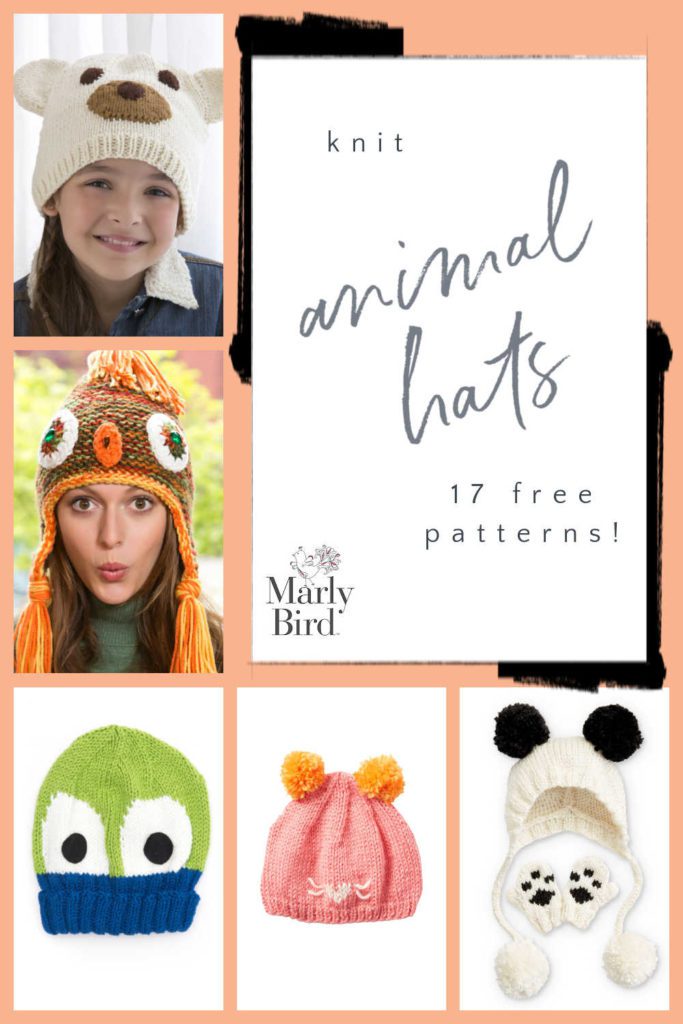
- Costume Hats
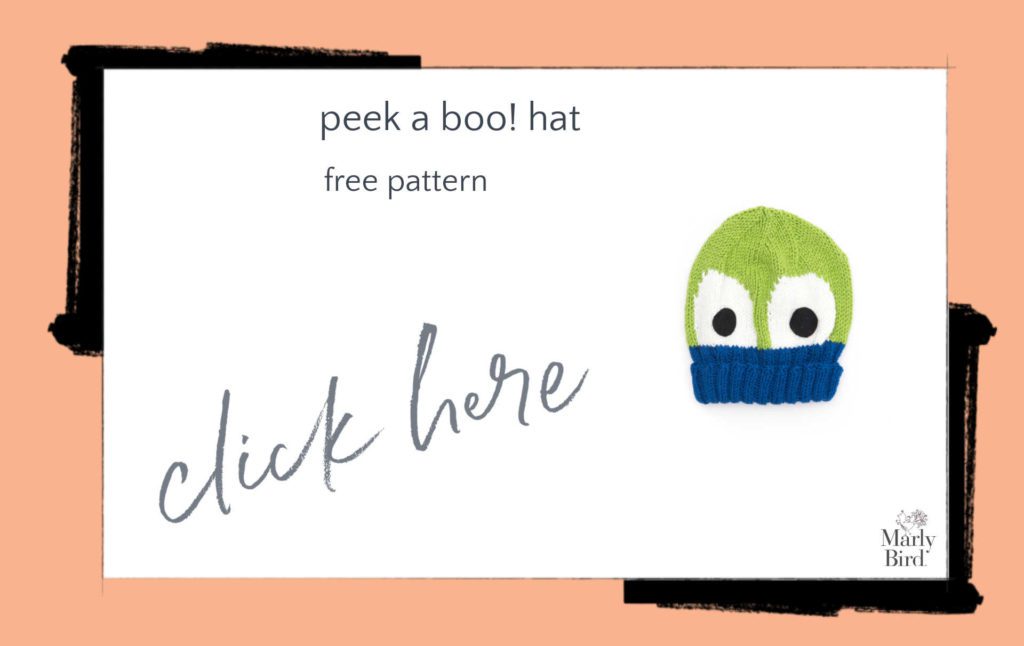
- Dino Stripes Knit Hat
- Man's Best Friend Knit Hat
- Bashful Bear
- Child's Scoodie
- Panda-Monium Hat
- Polar Bear Hat
- It's a Hoot Knit Owl Hat
- Teddy Love Hat
- Make Me An Owl Hat
- Lil Polar Bear Hat
- Cute as a Kitten
- Knit Hats with Ears
- Character Knit Balaclava
- Speckled Fawn Hat
You May Also Like
- 17 Free Monkey Patterns to Knit and Crochet
- 13 Free Dinosaur Projects to Crochet and Knit
- 6 Free Racoon Patterns to Crochet
Frequently Asked Questions
What animals are featured in knit animal hat patterns?
This collection of 17 has a great variety! Bears, foxes, raccoons, owls, cats… many of the beloved woodland and domestic animal themes that translate so beautifully into knitted ear-adorned beanies. Animal hats are incredibly popular for children but adults wear them too! Sports events, costume parties, and just general “life is short, wear the bear hat” occasions are all valid reasons to have one. The knitted versions have a more textured, sophisticated look than crochet animal hats, which appeals to knitters who want character without it looking too crafty.
Are knitted animal hats harder to make than plain beanies?
The hat body itself is usually the same construction as any basic beanie… just knit in the round. The “animal” part comes from ears, sometimes a face, and sometimes textural details worked into the hat or added after. Knitted ears are typically simple shapes made separately and seamed or picked up from the hat. The complexity depends on how many details the specific design has. A basic fox hat with pointed ears is very accessible. A detailed owl hat with multiple colors, textured feathers, and embroidered face is more advanced.
What yarn makes the best knitted animal hats?
Worsted weight wool or wool blend for warmth and good stitch definition… the ears need to hold their shape. Acrylic is practical for machine washability, especially for children's hats. For animal-specific colors: warm tans and browns for bears and foxes, grey for wolves and elephants, white for polar bears and owls. A contrasting color for the ear linings adds realism and visual interest. Look for yarn that's smooth enough to show colorwork or texture details, and soft enough to wear against a face without irritation.
How do I make the ears on a knit animal hat stand up properly?
Knitted ears hold their shape better than crochet ears because the knit fabric is denser. For pointed ears (fox, cat, wolf), work a simple triangle shape on a few stitches using increases then decreases. For rounded ears (bear, mouse), work a small circle or oval. Stuff lightly with fiberfill before closing for extra structure. Attach by seaming or picking up stitches directly from the hat surface… sewing through multiple layers at the base creates a sturdy anchor. For ears that need to stand very tall, a tiny bit of wire (wrapped in yarn so it's not exposed) inside can help.
Can I make an adult-sized animal hat from children's patterns?
You'll need to size up! Children's patterns use a smaller stitch count and fewer rounds for the hat height. To make an adult version, calculate how many more stitches you need based on your gauge (stitches per inch) and the adult head circumference you want. Add proportionally more rows for the hat body height. Keep the ear construction roughly the same… adult heads need bigger ears too, but the ratio should be similar. If you're comfortable with basic gauge math, scaling up a knit animal hat is very doable.
Tips for Knitting Animal Hats Like a Pro
Ready to tackle one of these adorable patterns? Here are some things I always keep in mind when working animal hats…
- Pick the Right Yarn Weight: Most of these patterns call for worsted weight yarn like Red Heart Super Saver or Bernat Blanket. These budget-friendly options are perfect for experimenting, and they work up quickly on larger needles (usually US 8-10).
- Master Your Cast-On: Animal hats typically use a stretchy cast-on for the brim, so the hat actually fits comfortably. I always reach for a long-tail cast-on for the best results.
- Use Stitch Markers: Trust me… when you're adding ears or eyes in the round, stitch markers are your best friend. They keep you from accidentally increasing in the wrong spot.
- Block Before Seaming: If your pattern requires you to sew on features (like eyes or ears), give those pieces a quick wet block first. It makes seaming SO much cleaner.
Want more guidance on working in the round? Check out my complete guide to knitting in the round for all the details on circular needles and DPNs.
Pattern Difficulty Breakdown
Most of these patterns are beginner to intermediate level… but some require more skills! The character balaclava and scoodies involve working longer tubes, while simpler hats like the polar bear use basic increases and decreases. Pick based on your comfort level, and don't hesitate to check out dinosaur patterns if you want fun alternatives!
Categories: Round Ups