Search
Close
  • The Pattern Shop
  • Our Free Patterns
    • Browse All Our Free Patterns
    • Our Free Knitting Patterns
    • Our Free Crochet Patterns
  • Blog
    • All Blog Posts
    • All Free Patterns
    • Dibble Dabble Inspiration
    • Giveaways
    • Make-Alongs
    • Product Reviews
    • Roundups
    • Tips, Tricks, Techniques for Knitting and Crochet
Stylized bird with pink and gray swirling tail above elegant “Marly” text, logo for crochet accessories and home decor.
  • Marly Bird House
  • Learn to Knit & Crochet
    • Newbie? Start Here
    • Video Tutorials
    • Knitting Definitions
    • Crochet Definitions
    • Common Techniques
    • Size Charts for Knitting and Crochet Projects
  • About
×
  • The Pattern Shop
  • Free Patterns
  • Blog
  • Marly Bird House
  • Learn to Knit & Crochet
    • Newbie? Start Here
    • Video Tutorials
    • Knitting Definitions
    • Crochet Definitions
    • Common Techniques
    • Size Charts for Knitting and Crochet Projects
  • About
Stylized bird with pink and gray swirling tail above elegant “Marly” text, logo for crochet accessories and home decor.
Search
Close

New Patterns NOW Available in Ad-Free PDF! Check out The Pattern Shop

17 Free Fair Isle Cardigan Patterns

September 5, 2022 By Marly Bird Leave a Comment

These Fair Isle cardigan patterns from Yarnspirations include projects for all ages! This is really the type of sweater that works for anyone. Fair Isle cardigans can have the traditional yoke or an all-over or banded pattern. In other words, you can have tons of color and design across the whole sweater or maybe just a pop of that unique use of Fair Isle design. Use these patterns to make a beautiful sweater and practice your Fair Isle knitting technique.

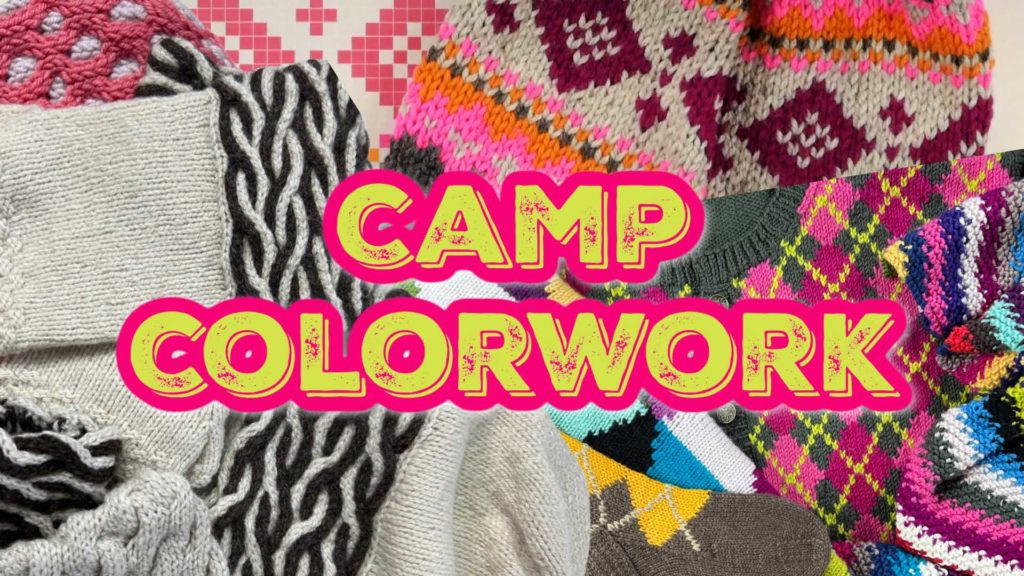
Don't know Fair Isle? Learn all about how to do it at Camp Colorwork!
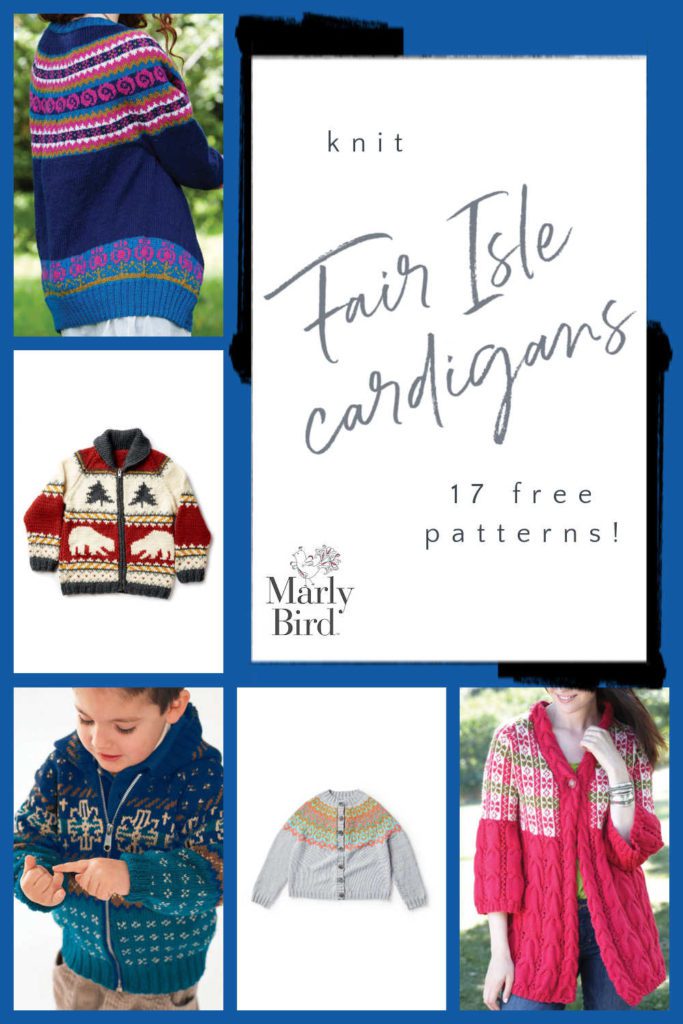
Fair Isle cardigan patterns
🧶 Affiliate Disclosure: This post contains affiliate links. If you purchase through them I may earn a small commission at no extra cost to you… and it helps support free patterns and content from my yarn-loving heart 💛 See my privacy policy here.

Table of Contents

Toggle

  • What Are Fair Isle Cardigan Sweaters?
  • Knit Fair Isle Cardigan Sweaters Free Pattern
  • Helpful Instruction:
  • You May Also Like
  • Frequently Asked Questions
  • Tips for Choosing Your Fair Isle Cardigan Pattern

What Are Fair Isle Cardigan Sweaters?

Fair Isle is one specific type of colorwork knitting. There are many different ways to knit with color, including different ways to make bold colorful designs. We cover lots of them in Camp Colorwork, including Fair Isle. Fair Isle is one of the most classic popular techniques. Once you know what it is, you'll always be able to recognize it.

The technique is named for a type of knitting that originally comes from the Fair Isle, which is a small Scottish island. In true Fair Isle, you work with two colors per row. You might change which two colors you use from one row to another, so you can have a very colorful overall design. People often use common motifs or design shapes when creating Fair Isle cardigan sweaters and other patterns in this technique.

Although the technique is very specific, people today often use the term to refer to various types of knit colorwork. In particular, if you create stranded colorwork, people might say you are working Fair Isle. If you're using more than two colors per row, longer strands and repeats, and other changes, then you might not be using traditional Fair Isle but rather another type of knit colorwork design. The general idea is the same, though – color is used to make interesting designs on a beautiful sweater or other item.

Knit Fair Isle Cardigan Sweaters Free Pattern

So, now that you're ready to make your own, here is our roundup of free patterns for you. These are all Fair Isle Cardigan sweaters. As you'll see, though, there is so much variety among them. You'll find sweaters for children and adults of any gender. You'll find super colorful all-over designs and sweaters with only small bands of the design. Have fun exploring these options.

  • I'm the Dude Jacket
  • Softly in Fair Isle
  • Fair Isle Plaid Cardigan
  • Fair Isle Classic
  • Fair Isle Cardigan
  • Fair Isle Sweater Coat
  • Fair Isle Border Cardigan
  • Fair Isle Knit Yoke Cardigan
  • True North Knit Jacket
  • Swingy Cardigan
  • Nordic Cardigan
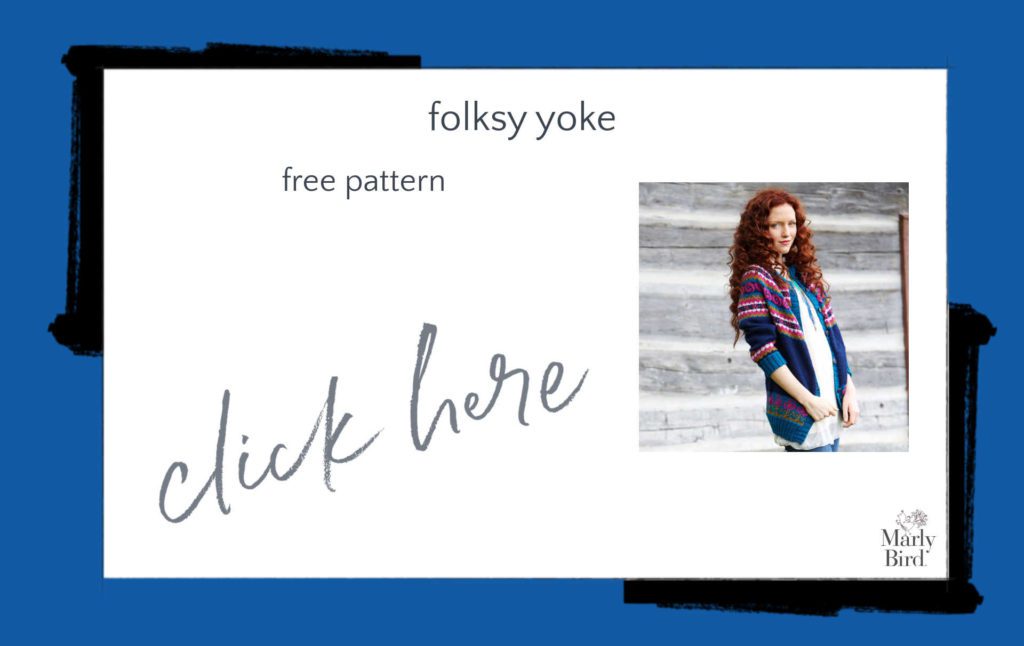
  • Folksy Yoke
  • Country Jacket
  • Five a Day Knit Cardigan
  • Nordic Stag Knit Jacket
  • Stranded and Steeked Knit Cardigan
  • Nordic Hooded Jacket
Folksy Yoke free cardigan pattern

Helpful Instruction:

Learn how to tuck Fair Isle floats as you knit! This video shows you how to advance your skills when working on these patterns. Learn more tips and techniques like this – SO MANY MORE – by signing up for Camp Colorwork, a knit and crochet colorwork course you can take online at your own pace.

You May Also Like

  • My Favorite Knit Sweater Pattern
  • 53 Free Knit Fair Isle Accessory Patterns
  • 3 Colors, 20+ Crochet Techniques, 1 Crochet Squares Blanket

Frequently Asked Questions

Is a Fair Isle cardigan harder to make than a plain one?

It's more complex, yes… but not impossibly so! The colorwork sections are the main added challenge. However, Fair Isle yoke cardigans have one big advantage over all-over colorwork: you're typically only doing colorwork on the yoke section while the body and sleeves are plain. That means the majority of knitting is straightforward, with the beautiful colorwork concentrated where it shows most. If you've done a colorwork hat or cowl, you have the skills for a Fair Isle yoke cardigan.

What yarn works best for Fair Isle cardigans?

Wool is traditional and really does work best for Fair Isle… it has the natural elasticity that keeps colorwork even and it blocks beautifully to set the stitches. The colorwork section especially benefits from wool because the fibers “bloom” together slightly during blocking, filling in any gaps between stitches. DK or worsted weight are most popular for cardigans. Smooth, plied yarns show the colorwork pattern most crisply. And choose colors with good value contrast… light vs. dark is what makes the pattern readable.

How do I choose my size for a Fair Isle cardigan?

Measure your bust and check the pattern's finished measurements and ease recommendations. Fair Isle cardigans are often designed for positive ease (looser fit) to accommodate the slight thickness added by colorwork floats. The colorwork section itself doesn't stretch much, so fit through the body is important. When between sizes, consider going up slightly since Fair Isle fabric has less stretch than plain stockinette. And always check the sleeve length and body length measurements too… those affect fit just as much as the bust.

What's the best button to use on a Fair Isle cardigan?

Natural materials complement Fair Isle beautifully… wooden buttons, horn buttons, or natural shell buttons all look gorgeous. Choose a button size that matches the buttonhole size in the pattern and is proportional to the weight of the yarn. For a more rustic or outdoorsy Fair Isle, a wooden toggle closure is charming. For something more polished, a pearlescent button in a neutral tone lets the colorwork shine without competing. Buy your buttons before you knit the button bands so you can make the buttonholes the right size!

Can I modify a Fair Isle pullover pattern to be a cardigan?

Yes, but it requires some math! The main change is adding a steek (a sacrificial column of stitches in the center front that you cut open and finish after knitting), or reworking the front opening into your knitting from the start. Cutting a steek is a common technique in Fair Isle knitting and not as scary as it sounds… but it does require understanding the process before you dive in. Alternatively, some knitters work the front in two separate pieces, which avoids steeking entirely but changes the construction significantly.

“`html

Tips for Choosing Your Fair Isle Cardigan Pattern

So many gorgeous options, right? Here's how to pick the perfect pattern for YOU. Think about your colorwork comfort level first. If you're newer to Fair Isle, start with a pattern that has a yoke design or just a banded section of colorwork. This gives you practice without the commitment of an all-over pattern. Patterns like the Fair Isle Knit Yoke Cardigan or Fair Isle Border Cardigan are BiCrafty Bestie approved for beginners!

Next, consider your yarn stash and the yardage required. Fair Isle typically uses worsted or sport weight yarn, and you'll want high contrast colors so your pattern pops. Check the pattern's yardage needs before falling in love… some of these beauties use quite a bit of yarn for all those color changes!

Pattern Recommendations by Experience Level

  • First-time Fair Isle: Look for banded or yoke-only designs with 2-3 colors max
  • Intermediate colorwork: Try all-over patterns with traditional motifs like the Nordic Cardigan or Folksy Yoke
  • Advanced knitters: Go bold with complex multi-color designs and larger yoke sections

Want to brush up on your colorwork basics before diving in? Check out our guide to colorwork knitting techniques for all the stranding and tension tips you need!

“`
Filed Under: Free Patterns, Knitting, Our Free Patterns, Pattern, Round Ups

Tunisian Crochet Resources

September 5, 2022 By Marly Bird Leave a Comment

What's a little bit like crochet, a little bit like knitting, and a lot of fun? Tunisian crochet, of course! You use a special crochet hook, sometimes even a double-ended one, and pull loops onto it like you might with knitting. The fabric is totally unique, and people who enjoy either or both crafts also often love all of the possibilities that open up with this niche craft. We wanted to share our roundup of Tunisian crochet resources with you today.

What Is Tunisian Crochet?

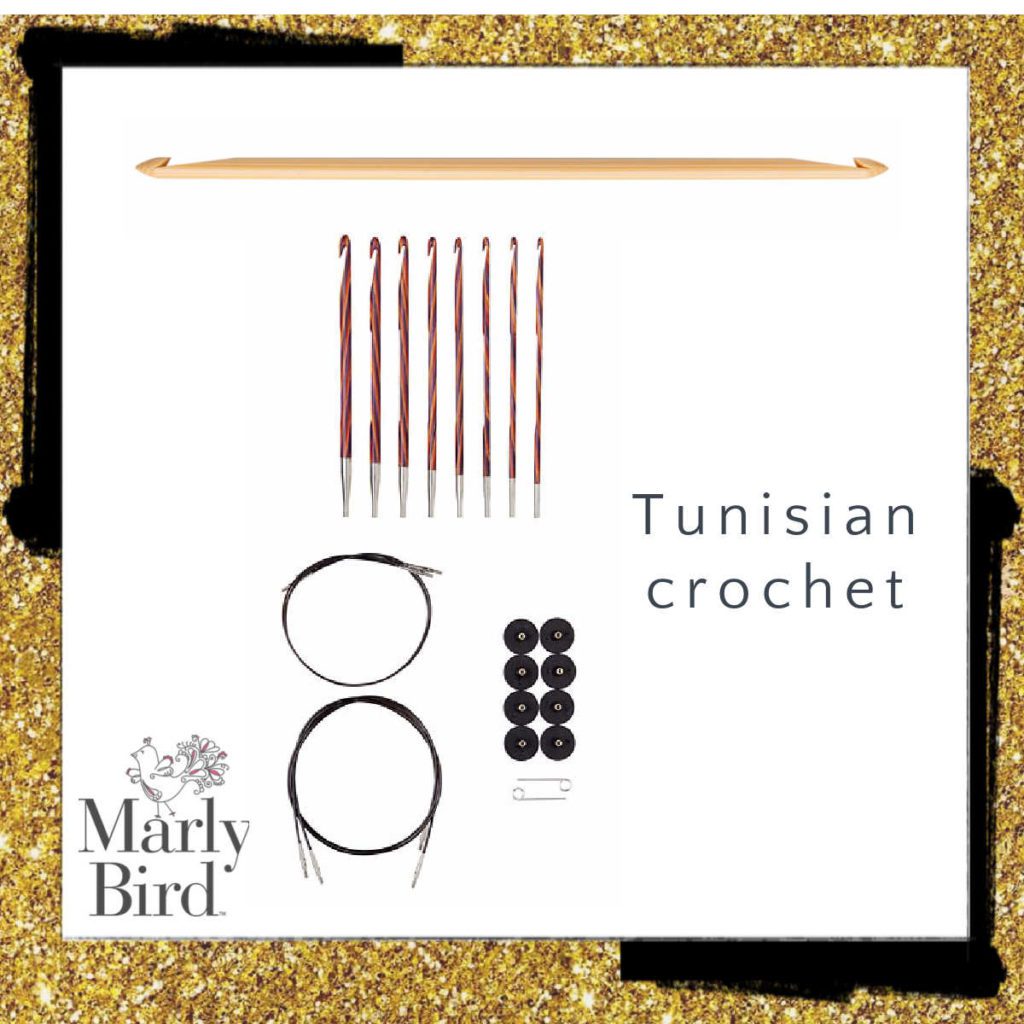
Tunisian crochet resources - hooks, stoppers, and tools - Marly Bird
🧶 Affiliate Disclosure: This post contains affiliate links. If you purchase through them I may earn a small commission at no extra cost to you… and it helps support free patterns and content from my yarn-loving heart 💛 See my privacy policy here.

In this post, we tell you all about Tunisian crochet and why it's the ultimate bicrafty craft. You learn to take the skills you already have from either or both crafts (crochet and knitting) and use them in a new way. This allows you to create new fabrics compared to the other crafts. For example, you could use a crochet color chart with Tunisian crochet and get a similar, but much more elongated, design. If you like the look of knitting but the technique of looping with your hook, you might really enjoy this technique.

Tools For Tunisian

What do you need for Tunisian crochet? To start learning the basics, you don't need anything different than your usual crochet hooks. However, you'll want to get a set of Tunisian crochet hooks for most projects. These are the same as regular crochet hooks in terms of size. For example, your go-to might be a size G Tunisian crochet hook. However, the Tunisian crochet hook shaft is longer than usual, allowing you to hold your loops on the hook as needed. In some instances, you might also want a double-ended Tunisian crochet hook. We'll be creating a brand new post about this for you soon.

Where To Learn This Crochet Technique

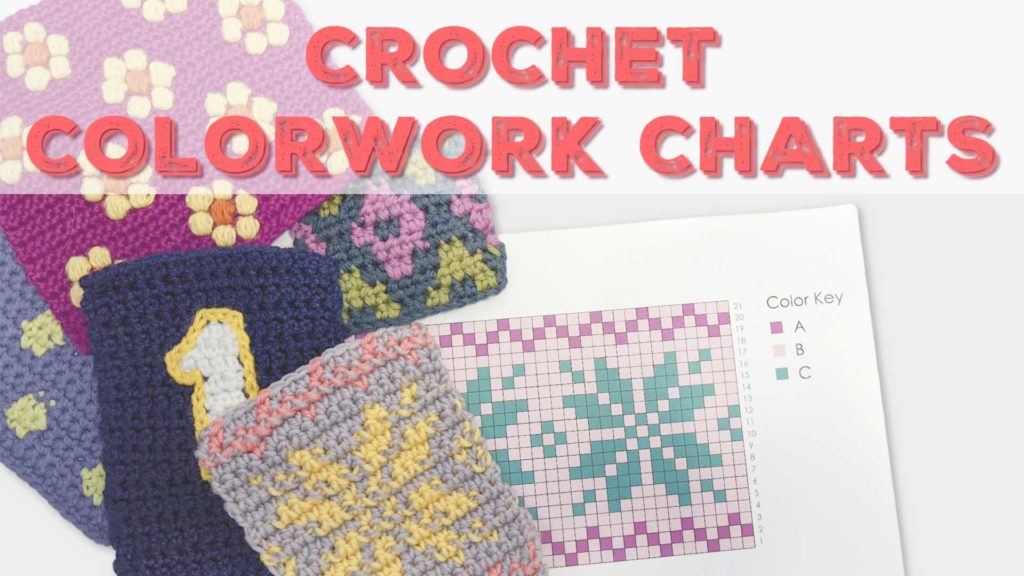
Camp Colorwork - Crochet Colorwork Charts - sample in 2 colors

Keep your eyes peeled (or sign up for our newsletter) for the chance to dive deep into Tunisian crochet soon. In the meantime, though, one of the best ways to start learning Tunisian crochet is to check out the related modules in Camp Colorwork.

Tunisian Crochet Patterns

A roundup of Tunisian crochet resources would be incomplete without patterns you can use to explore the possibilities of the craft. Here are some of our favorites:

Tunisian crochet cap sleeve tank pattern

Tunisian crochet clothing and accessories patterns allow you to elevate your wardrobe with this technique. Make yourself things that you can wear!

Tunisian crochet baby blanket pattern

Tunisian crochet blanket patterns offer the chance to really sink your teeth into this great technique.

Cushion cover pattern

These Tunisian crochet home patterns allow you to utilize the technique to dress up your decor. There are small projects as well as larger ones.

I also have a couple of Marly Bird CALs that use Tunisian crochet:

  • Tournament of Stitches 2022
  • Game Day 2022

Tunisian Crochet Books

Tunisian crochet books

Of course, some people love to learn and get patterns from books. That's why we have a Tunisian crochet books roundup. We also have some specific reviews for Tunisian Crochet Projects and Tunisian Crochet Workshop.

Frequently Asked Questions

What exactly *is* Tunisian crochet anyway?

Honestly… it's like crochet and knitting had a crafty baby! You use a special hook, and you pull loops onto it like knitting, but then you work them off like crochet. The fabric it creates is totally unique and super fun to work with.

Do I need special hooks to get started with Tunisian crochet?

So here's the thing… for the very basics, your regular crochet hooks will work just fine! But as you get into more projects, you'll want to grab some Tunisian crochet hooks. They're just like regular hooks but with a longer shaft to hold all those loops… it makes a big difference!

I love colorwork! Can I do that with Tunisian crochet?

Yes! You absolutely can. The page mentions that you can use a crochet color chart with Tunisian crochet. You'll get a similar look to what you might see in regular crochet colorwork, but it will be much more elongated… which is a neat effect!

Where's the best place to learn more about Tunisian crochet?

Well, I'm planning on having some great resources for you soon, so keep an eye out for that! In the meantime, though… I'd really recommend checking out the related modules in Camp Colorwork. It's a fantastic place to dive deep into the technique.

I want to make something with Tunisian crochet… where can I find patterns?

Oh, I'm so glad you asked! You can find lots of fun Tunisian crochet patterns… I have roundups for clothing and accessories, blankets, and even home decor. They're a great way to explore all the possibilities this craft offers!

Filed Under: BiCrafy Bootcamp Tunisian Crochet, Crochet, Free Patterns, Fun Finds and Tools, Tips, Tricks, Techniques for Knitting and Crochet

Our Favorite Crochet and Knit Color Techniques

September 3, 2022 By Marly Bird Leave a Comment

There are so many different aspects of crochet and knitting to love. The feeling of the fiber. The relaxing nature of stitching. Learning new things. But of all of the things that people love, color is the one that's cited most often. The pure joy of choosing your colors and mixing them together in a new creation just can't be overstated. Perhaps that's why designers and artists over the years have come up with so many different crochet and knit color techniques. Some people like all of them but most of us have a few favorites. We thought we'd share some of our favorites here on the Marly Bird Team.

Be sure to let us know what your favorite crochet and knit color techniques are, too, by posting in the Marly's Minions Facebook Group or tagging @themarlybird on Instagram. And learn as much as you can about your options when you sign up for Camp Colorwork classes!

camp colorwork crochet and knit color techniques
🧶 Affiliate Disclosure: This post contains affiliate links. If you purchase through them I may earn a small commission at no extra cost to you… and it helps support free patterns and content from my yarn-loving heart 💛 See my privacy policy here.

Robyn's Favorite Crochet Color Techniques

If you have already joined Camp Colorwork then you know that Robyn gets really excited about colorful crochet. She teaches so many different options in that online course, and she gets excited about all of them. You'll hear her say in class: “Just have some fun. Color is fun! It is bright, vibrant, and wonderful!”

In addition to being a great crochet teacher, Robyn always likes learning new things in crochet. So, it's no surprise that she says, My favorite colorwork technique is always the next oddball one that I learn. I love anything unusual, and once you see it, you say OH! that's so fun and not hard.” But here are some more specific favorites:

Interlaced Crochet

interlaced crochet

Robyn says, “When I have lots of mini balls left, I go to Interlaced Crochet. This technique has many different names, but that's what I call it most often. It is a simple way of threading your foundation chain through the previous row and then crocheting into it. So, it interlaces the foundation chain in the work you have done. It looks complicated, but once you see it, you realize that it's so easy. It's a great way to play with color, especially working with lots of different colors that you have in small amounts.

Tunisian Mosaic Crochet

tunisian mosaic crochet

When Robyn picked Interlaced Crochet as her favorite, she added, “Granted, I can say the same things about mosaic crochet too! The magic that happens when it forms is incredible. It's so much fun.” Robyn loves all crochet, but she's particularly skilled at Tunisian crochet. So, she especially loves Tunisian Mosaic crochet. She notes that it sounds really hard, but as soon as you learn a few tricks (which she teaches you in Camp Colorwork), you find that it's not that hard at all. And it's so beautiful.

Meg's Favorite Knit Color Techniques

Social media support team member Meg doesn't think of herself as someone who does a lot of colorwork. But after thinking about it, she realized she has a favorite: Knit Fair Isle. She had been working for a site doing a cowl of the month project. To be able to write about the cowls, she knit a bunch of them, and she came to really like working with crochet and knit color techniques specifically Knit Fair Isle.

Meg says, “Doing that project helped me improve at English style knitting since I grew up knitting continental style. It was fun to use both hands and work with color. It is almost like ‘color by numbers' because you're following a picture. In Camp Colorwork, you'll learn many ways to use the same grid chart with different crochet and knitting techniques to play with color creatively!”

Kathryn's Favorite Crochet Color Techniques

Double crochet in back loop only using two yarn colors held together

Blogging team member Kathryn learned to knit in BiCrafty Bootcamp, but she still loves crochet first and foremost. She really loves the healing aspects of crochet, so she likes meditative, repetitive projects – large granny squares and big blankets made in ribbed half double crochet. She loves color, but she likes to let the yarn do the work. So she's in love with variegated yarns, self-striping yarns, and other color-rich yarns.

She also really likes using double-stranded crochet to create new effects with color. In other words, she'll work a very simple stitch pattern holding together two different yarn colors. She might combine a variegated yarn with a solid or even with another variegated. It's fun to see how the colors meld and pop over the course of this kind of project. And it's an easy way for even a beginner crocheter to play with color.

Cryssi's Favorite Knit Color Technique

Team member Cryssi says, “Honestly…I really like stranded knitting because I love how I don’t have to weave in so many ends! ???????????? I know that’s really unromantic but it’s true – the fact that I can switch colors multiple times and carry along others and not have to cut my yarn each time is a dream for me.” And we know she's not the only one who feels this way. Many crocheters and knitters love color but don't want to weave in tons of ends, so they prefer techniques like stranded knitting that reduce that problem. And that's totally okay!

crochet and knit color work

Marly Bird's Favorite Crochet and Knit Color Techniques

Over in Camp Colorwork, Robyn shares all of the crochet techniques, and Marly shares all the stuff for knitters. But we're all BiCrafty around here and love celebrating color in every stitch. So, what are Marly's favorite crochet and knit color techniques?

Like Cryssi, Marly really loves two-handed stranded knitting. If you went by the total number of knit colorwork projects she's ever completed, stranded knitting might come up number one. However, even though it might sound slightly cliche, Marly has no favorite. She loves ALLLLL the colorwork. Marly immediately thinks of planned pooling, entrelac, and mosaic as a few options. She says, “I love anything where I can combine colors to get a unique-looking fabric. THAT IS MY JAM!”

And really, that's why Camp Colorwork came about. Robyn and Marly especially just love all that there is to know about different color techniques and wanted to share them all with everyone so that you can love them, too.

SO, TELL US YOUR FAVORITES!!!! And if you haven't checked out Camp Colorwork yet, be sure you do!

Frequently Asked Questions

What's Robyn's go-to crochet technique when she has lots of small yarn scraps?

So here's the thing… Robyn loves Interlaced Crochet when she has a bunch of mini balls of yarn left! It's a super simple way to thread your foundation chain through the previous row, making it look really intricate but being totally easy once you see it. It's perfect for playing with lots of different colors you might have lying around.

Is Tunisian Mosaic Crochet really as hard as it sounds?

Honestly… Robyn says it sounds really hard, but once you learn a few tricks – which she totally teaches you in Camp Colorwork – you'll find it's not that difficult at all! She absolutely loves it and thinks the magic that happens when it forms is incredible and so much fun.

How can I get better at using color in my knitting projects?

Yes! Meg found that working on a cowl project helped her improve her English style knitting and using color… it was almost like a ‘color by numbers' activity because she was following a picture. Camp Colorwork teaches you lots of ways to use the same grid chart with different techniques to get creative with color!

What's Kathryn's favorite way to play with color if she likes simple stitches?

Kathryn loves to let the yarn do all the work! She's a big fan of variegated and self-striping yarns… and she also really enjoys using double-stranded crochet. She'll hold two different yarn colors together when working a simple stitch pattern, and it's so fun to see how the colors blend together!

Why does Cryssi love stranded knitting so much?

Honestly… Cryssi really likes stranded knitting because she doesn't have to weave in as many ends! She says being able to switch colors multiple times and carry others along without cutting her yarn each time is a dream. It's a great technique if you love color but don't want to spend ages weaving in ends.

Filed Under: Crochet, Fun Finds and Tools, Knitting, Round Ups, Tips, Tricks, Techniques for Knitting and Crochet

53 Free Knit Fair Isle Accessory Patterns

August 29, 2022 By Marly Bird Leave a Comment

Yarnspirations has dozens of free stranded knitting patterns for you to make, showing off traditional and modern patterns in projects ranging from simple to complex designs. Even non-crafters can see the love and care that goes into making Fair Isle patterns, and these small projects are perfect for establishing a new skill. This roundup of knit Fair Isle accessory patterns includes mittens, hats, cowls, capes, and more.

Learn Fair Isle and many other crochet and knit colorwork techniques at Camp Colorwork!

53 Free Knit Fair Isle Accessory Patterns
🧶 Affiliate Disclosure: This post contains affiliate links. If you purchase through them I may earn a small commission at no extra cost to you… and it helps support free patterns and content from my yarn-loving heart 💛 See my privacy policy here.

Table of Contents

Toggle

  • Ponchos and Capes
  • Cowls and Scarves
  • Knit Fair Isle Accessory Patterns: Mittens
  • Socks and Slippers
  • Knit Fair Isle Accessory Patterns: Sets
  • Hats
  • You May Also Like
  • Frequently Asked Questions

Ponchos and Capes

Ponchos and capes add a layer on top of your current outfit, with fewer worries about fit — making them great for gifts!

  • Fair Isle and Flowers Poncho
  • Fair Isle Poncho and Arm Warmers
  • Fair Isle Knit Capelet
  • Reverse Fair Isle Knit Poncho
Fair Isle Knit Capelet Free Pattern

Cowls and Scarves

Cowls let you work the stranded design in a circle — some Fair Isle scarves are also knit to be double thick, so the pattern is on the right side on both sides.

  • Fabulous Fair Isle Cowls
  • Fair Isle Knit Cowl
  • Fair Isle Scarf
  • Fair Isle Stranded Cowl
  • Fleur Isle Knit Cowl
  • Bright Diamonds Cowl
  • Fair Isle Knit Scarf with Pockets
Fair Isle Knit Cowl Free Pattern

Knit Fair Isle Accessory Patterns: Mittens

Everyone will admire your hands when wearing these elaborate stranded knit mittens!

  • Fox in the Snow Mittens
  • Nordic Pop Mitts
  • Tri-Color Mittens
Nordic Pop Mitts Pattern

Socks and Slippers

Colorwork patterns on your socks and slippers make a fun treat!

  • Fair Isle Twist Knit Slipper Socks
  • Fair Isle Sock
  • Fair Isle Slippers
  • Adirondacks Slipper Socks
Fair Isle Twist Knit Slipper Socks Free Knitting Pattern

Knit Fair Isle Accessory Patterns: Sets

Coordinate different accessories with these sets, mixing hats and mittens, hats and cowls, and more for an easy casual but pulled-together look.

  • Snowflake Hat and Mittens Set
  • Northern Fair Isle Knit Hat and Mittens
  • Fair Isle Knit Hat and Mittens Set
  • Fair Isle Ski Hat and Mittens
  • Fair Isle Knit Hat and Cowl
  • Nordic Yoke Set
  • Fair Isle Ski Band and Mittens
Northern Fair Isle Knit Hat and Mittens Free Knitting Pattern

Hats

Hats are a classic Fair Isle project, and for good reason! Working in the round is perfect for stranded knitting, and here you'll find a variety of gorgeous designs.

  • Fair Isle Tam
  • Vivid Fair Isle Hat
  • Celtic Fair Isle Beret
  • Lattice Fair Isle Hat
  • Favorite Knit Fair Isle Hat
  • Baby Fair Isle Hat
  • Graphic Knit Fair Isle Hat
  • Color Fusion Cap
  • Color Rules Knit Fair Isle Hat
  • Fair Isle Ice Cap
  • Knit Fair Isle Hat
  • Frosted Fair Isle Knit Hat
  • Fair Isle Skull Cap
  • Check Mate Fair Isle Hat
  • Patons Hats
  • Gimme a Hug Headband
  • Cap It Off
  • Man's Best Friend Knit Hat
  • Ski Skulls (hat)
  • Snow-Speckled Hat
  • Love to Knit Fair Isle Hat
  • Nordic Hat
  • Nordic Flake Hat
  • Family Knit Fair Isle Adult Hat
  • Knit Go Around Fair Isle Hat
  • Guildwood Knit Hat
  • Easy Knit Fair Isle Baby & Kids Hats
Favorite Knit Hat Free Knitting Pattern

You May Also Like

  • This or That: Fair Isle and Nordic Knit Sweater Patterns with Complete Video Tutorials
  • Chill Out Winter Hat; Fair Isle Hat with Latvian Braid
  • Fair Isle Knit Pullover

Frequently Asked Questions

What's the best first Fair Isle project for a beginner?

A hat or a cowl… hands down! They're worked in the round (so you're always looking at the right side of your colorwork), they're small enough to finish quickly, and if your tension isn't perfect, it still looks great. Mittens are another fantastic option. Save the sweater for after you've got a couple of accessories under your belt. The patterns in this collection range from simple to more complex, so start with one that has a smaller color motif and work your way up.

Do I need to know how to hold two yarns at once?

It helps, but there's no one “right” way to do it! Some knitters hold one color in each hand (one Continental, one English). Others drop one color and pick up the other. And some people use yarn guides or tension rings. Try a few methods and see what feels natural to you. The goal is keeping both yarns accessible and your tension even. Don't overthink it at the start… you'll develop your own rhythm as you practice.

What are floats and how do I manage them?

Floats are the strands of yarn that travel behind your work when a color isn't being used. If a float spans more than about 5 stitches, it can snag on fingers or pull the fabric. The fix? Catch your floats! Twist the unused yarn around the working yarn every few stitches to tack it down on the wrong side. It takes a little practice but it keeps your fabric neat and your floats manageable. Marly has video tutorials on float management if you want a visual walkthrough.

Can I use any yarn for Fair Isle knitting?

Technically yes… but wool is really the gold standard for Fair Isle. Wool fibers have a slight “grab” to them that keeps your colorwork neat and prevents the colors from sliding around. It also blocks beautifully, which is huge for Fair Isle because blocking is what evens out your tension and makes the pattern really pop. Avoid slippery yarns like bamboo or silk blends for your first Fair Isle project. Save those for when you've got your tension dialed in.

Are Fair Isle accessories good for gifting?

They are THE gift knitting. Seriously… a handmade Fair Isle hat or pair of mittens is the kind of gift people treasure. They look incredibly impressive (people assume it's way harder than it is), they're practical, and they knit up faster than a sweater. Plus, accessories are one-size-fits-most, so you don't have to stress about getting measurements. Start one now and you'll have holiday gifts handled months ahead of time.

Filed Under: Free Patterns, Knitting, Pattern, Round Ups

A Temperature Project SAL…

August 26, 2022 By Marly Bird 1 Comment

…For Everyone Who Has Never Actually Finished a Temperature Blanket or Scarf

My team and I have shared many ideas with you over the years about how to crochet a temperature blanket or other similar temperature projects. We've discussed choosing a pattern, figuring out the temperatures, picking the right yarn, and more. We've even talked about taking the idea of a temperature blanket and using it to track habits instead. Like many of you, I think the concept of a temperature blanket is terrific. But I HAVE A CONFESSION. I have never actually finished a temperature blanket before. That's why we thought a temperature project SAL was the perfect idea to urge you all to actually complete something!

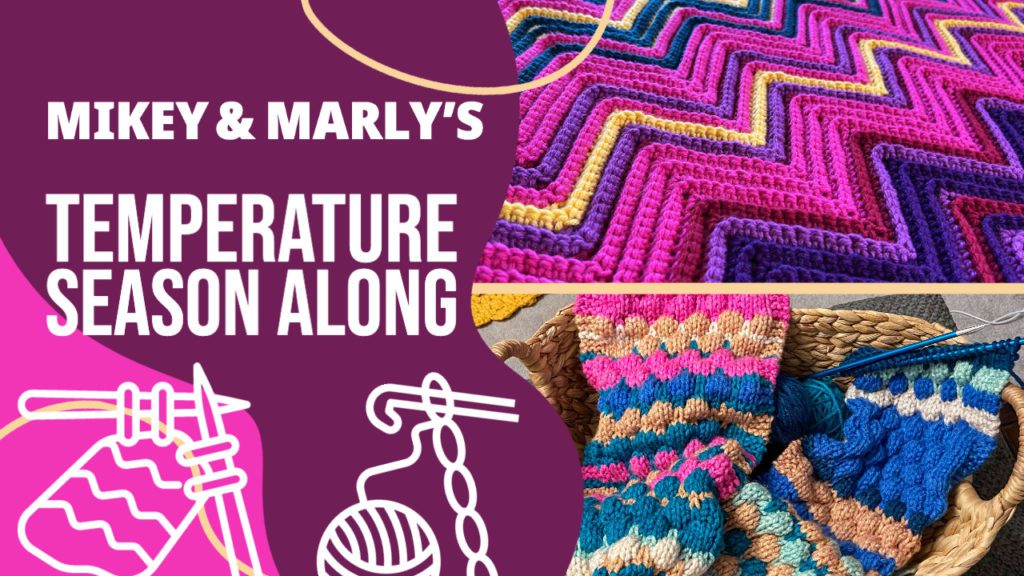
Mikey and Marly's Temperature Project SAL banner
🧶 Affiliate Disclosure: This post contains affiliate links. If you purchase through them I may earn a small commission at no extra cost to you… and it helps support free patterns and content from my yarn-loving heart 💛 See my privacy policy here.

I know I'm not alone. I checked with my team, and Kathryn, Robyn, and Cryssi haven't ever finished one either! So, I'm thrilled to let you know that I'm joining forces with Mikey of The Crochet Crowd for a make-along that turns the usual temperature blanket project on its head and makes it a doable bite-sized project that we can all do together.

Why Don't People Finish Knit or Crochet Temperature Blankets?

As Mikey points out in his post, there are so many reasons that people don't finish temperature blankets. We all love the idea. That's why the posts about them go viral in January. But just like every diet and exercise plan that's over by February, most temperature blankets sit there unfinished.

A Year Is Too Long For One Project

For me, it's just too daunting to think about starting a project that's supposed to go on for an entire year. I don't have the time for that. And I lose interest over those twelve months. I do like long projects where I get a great finished item at the end, but a year is just way too long. Even though we've talked about how to stay in love with your blanket for a whole year, it really is just too long for most of us.

That's why what Mikey and I have in mind is a temperature project SAL that still tracks a nice chunk of time in the same way but for not nearly as long. It'll be meaty and have a great end product, but it also has a shorter time limit. That's much more manageable and appealing. We'll have more details for you in a few weeks, but a single season sounds like just the perfect amount of time.

Celebrating And Counting Down

One of the twists on temperature blankets I love is choosing a specific time period that means a lot to you. You might track the temperature during the baby's first three months or throughout pregnancy or use the blanket to count down the days until school starts or the holidays are here. For the temperature project SAL I'm working on, the season will include some of the most important dates in my life, which all come in the last few months of the year. John Bird decided he wanted to marry me during those months and we did get married on December 22nd. We also discovered we were pregnant with our daughter Ally during those months. So every year, those are special months for me. It's motivating to work on a project that celebrates those memories. I used Weather Underground to find the temperatures from those past important years!

Marly's Temperature scarf - various yarn balls

Other Reasons People Don't Finish Temperature Blankets

Here are some of the other common reasons that people rarely finish their temperature blankets and some solutions I've found over the years:

The original blanket asks you to crochet daily.

You end up with 365 rows, which is a HUGE blanket. And you can fall behind so fast. The season-long temperature project SAL is one solution. Alternatively, you can crochet just once per week or even one square per month.

The original blanket design was single crochet only.

While that can be meditative, I know that I immediately get bored at the idea of working one single crochet row every day. That's why we're totally changing it up for both crocheters and knitters. We've also previously published other temperature blanket patterns for different ideas. And we've shared some other crochet stitches to use.

Some areas don't have big temperature changes.

As a result, you get a blanket that's mostly the same color throughout the year. We'll be addressing how to deal with this in the stitch-along. We've also talked previously about choosing your time period. Alternatives to year-long projects include tracking the school year, a single birthday month, or a holiday or special occasion countdown. But you can also tweak how you assign the colors to temperatures, which we will share with you, too.

It's all about rainbows.

There's nothing wrong with rainbows, of course. But most original temperature blankets use the ROYGBIV color palette, and we don't all want to work with that. So, Mikey has devised a unique new color strategy for these projects. We've discussed choosing colors for temperature blankets before, and I'm adapting that with his color strategy. I know which yarn I have in mind and think it will be perfect.

Too many ends to weave in.

If you've followed me for long, you know I DO NOT CROCHET or KNIT OVER MY ENDS! I take the time to weave in all my tails. Well, with an ever-changing temperature blanket or scarf, that can mean a LOT of ends to weave in, and sometimes people just don't want to deal with that.

https://www.instagram.com/reel/CgksQrwpc6D/?igshid=YmMyMTA2M2Y=

It's More Fun to Stitch Along (SAL) Projects in a Community

I haven't finished a temperature blanket, and I know I never will in the traditional way. Some people love to set up an ambitious project like that and do it week to week by themselves. I'm not one of those people. I get distracted by other things.

The whole doing it alone thing, accountable only to yourself, is a big part of the problem for many people. Sure, everyone starts sharing their ideas for temperature blankets in January. However, it tapers off quickly. You aren't generally all working together, so nobody ends up paying attention.

That's why we think a temperature project SAL season-along is a better idea. It's more motivating to consider joining a group each week to build upon the work you've done in the previous weeks. And yes, it will be a season stitch-along because temperature projects aren't just for crocheters.

What Will We Make In This Temperature Project SAL?

Mikey designed a crochet blanket that is just beautiful. He went with non-traditional colors in a chevron stitch pattern that keeps the crocheter interested AND is absolutely stunning.

Mikey's temperature blanket
Mikey of The Crochet Crowd Crochet Study of Temperature Blanket

Like most knitters, I'm not interested in knitting a blanket, so I designed a knit temperature scarf with bulky yarn! This means the project is quick, low time commitment, and completely giftable! Plus, I used alternative colors for my climate, so I have a scarf full of colors I absolutely LOVE!

Marly's Temperature project SAL - scarf
Marly Bird Capricious Temperature Scarf

The knit temperature scarf pattern I did is beginner-friendly. It might not look like it initially, but with my help, you'll have no trouble making this fun scarf!

Tell Me More About The Knit Temperature Scarf

I chose the Tuck Stitch technique using a Blister Check Stitch. The stitch multiple for the Blister Check is 4+1, and it has a 12-row repeat.

The color sequence is 4 rows, change color, 2 rows, change color, 4 rows, change color, 2 rows, change color; then repeat. Working more than just one row for a day's temperature allows the stitch pattern to really pop and fends off boredom!

➸ Even if the color doesn't really change for days, the resulting fabric is still interesting and fun!

Knit tuck stitches
Learn all about Tuck Stitches and MORE in Camp Colorwork Online Course!

How Many Days, You Ask?

So, most of you savvy people will notice that Mikey is using 110 days for his blanket, and I used 112 for my scarf. Can you guess why?

No, it is not because I am so extra. LOL.

The reason is that in each 12-row sequence there are 4 days, so having a day count that is divisible by 4 makes for the beginning and the end of the scarf match 🙂

Can I Change The Size of My Temperature Project SAL?

To help with the curling (and to have a place to easily weave in the ends), I added a 3-stitch garter on each side of the scarf. If you want to add more, you can.

As a matter of fact, if you want to make your piece larger or smaller or adjust the stitch count for your preferred gauge, you can! All you need to do is add or subtract 4 stitches from the body of the scarf (if you maintain the garter stitches on the outside).

What about that +1, well, if you are using the numbers already given in the pattern then the +1 has already been accounted for, so you only have to add 4 to increase or decrease between the markers.

Where do I get the Knit Temperature Scarf and Crochet Blanket Pattern?

Don't worry, there is a pattern! There's an entire workbook that Mikey put together! It is wonderful, and you get both the Knit Temperature Scarf, the Crochet Temperature Blanket, Tips for working a Temperature Blanket, a Worksheet to plan out your own numbers, and a worksheet to plan your colors!

Temperature-Season Along Workbook and PatternsDownload
Capricious-Knit-Temperature-ScarfDownload
Temperature scarf front and back - Marly Bird - temperature project SAL
#temperaturescarf #marlybird #mmmdi

Let's Actually Do This Together

Starting a completing a big project builds self-esteem. Doing it in the community through a Temperature Project SAL builds connections. Let's actually do this together in a way that really works for all of us!

Starting September 1, 2022 through December 22nd, join Mikey and I as we work on these fun projects together.

Now, I have to ask…”Have you ever actually completed a temperature blanket?“

I'd love to see it! Share it in the Marly‘s Minions Facebook group or tag me on Instagram @themarlybird.

Camp Colorwork bundle
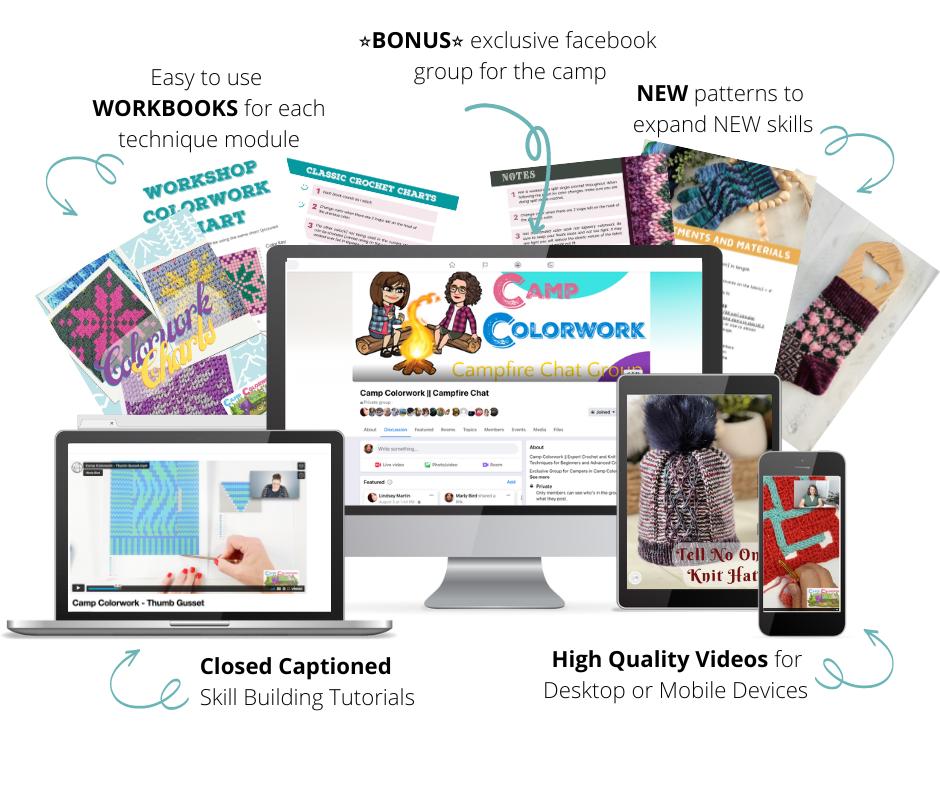
Camp Colorwork Course for Knitters and Crocheters — The Ultimate Colorwork Course!

Are You Part of Camp Colorwork?

First, if you don't know what Camp Colorwork is, please check it out, as IT'S AMAZING!

Second, I've added a new module to the Camp Colorwork Course for the Knit Temperature Scarf pattern. In that module, you'll find a PDF for the knit scarf pattern and any and all video tutorials specific to the pattern.

Sure, this is a free pattern for everybody, but that doesn't mean I can't add it to the carefully curated collection of colorwork patterns inside this amazing course!

Would You Like To Be A Colorwork Camper?

Frequently Asked Questions

What is a SAL (Stitch-A-Long)?

A SAL (Stitch-A-Long) is a community event where crafters work on the same project or type of project together during a set time period. Unlike a make-along where there's a specific pattern, a SAL for temperature projects means everyone is working on their own temperature project but doing it together… sharing progress, motivating each other, troubleshooting, and celebrating milestones as a community. It's the accountability and camaraderie that makes the SAL format so powerful for longer-term projects like temperature blankets!

Why do so many people start temperature blankets but never finish them?

Honestly… it's a long project that requires daily consistency for an entire year. Life happens! People start strong in January, miss a few days in March, feel guilty, miss more days, and eventually the project lives in a basket in the corner. The fact that you MUST do it every day to stay current creates pressure that many crafters find hard to maintain. Community accountability through a SAL helps enormously. So does giving yourself grace to catch up… a few missed days isn't failure, it's life. Batch those rows when you can and keep going.

What if I start a temperature project mid-year?

Start whenever you want! Your temperature blanket or scarf records YOUR year of weather… it doesn't have to start on January 1st. Starting in April, June, or October is totally valid. Some people even do non-calendar year temperature projects (birthday year, school year, etc.). The key is just committing to a consistent period going forward from your start date. A mid-year start also means you'll hit at least one seasonal transition in your project… which creates those beautiful color shifts that make temperature projects so visually interesting.

What's a good alternative to a full blanket for a temperature project?

Temperature scarves! A row or two per day in a scarf is much less yarn, much faster to work, and still creates that beautiful color record of the year. Fingerless mitt temperature projects are another option… one round per day on a small circumference is very quick. Temperature afghans worked in stripes rather than full blanket scale. A small temperature swatch (not intended to become a finished object, just a visual record) is also valid. The point is choosing a format you can realistically maintain… a finished temperature scarf is infinitely more satisfying than an abandoned temperature blanket.

How do I get back on track with a temperature project I've fallen behind on?

Look up past temperatures and batch the rows! Most weather apps and websites let you look up historical temperature data. Set aside an evening to catch up on missed rows all at once… put on a podcast or your favorite show and knock them out. Some crafters batch a whole week's worth every Sunday. Accept that you might not do it perfectly every day and that's fine… the goal is the completed project at the end of the year, not perfect daily adherence. Join a community group (like the SAL in this post) for accountability and encouragement when you're struggling to keep up.

Filed Under: Crochet, Free Patterns, Knitting, Make-Alongs, Our Free Patterns, Pattern

6 Crochet Techniques To Use With Grid Color Charts

August 23, 2022 By Marly Bird Leave a Comment

You can learn many different knit and crochet colorwork techniques at Camp Colorwork. One thing we spent a lot of time on is showing you how to use grid color charts. You can use them in both knitting and crochet. And you can use the same chart with different techniques. That's right, one chart, both crafts and multiple techniques in each craft. At a glance, here are half a dozen crochet techniques to use with grid color charts.

JOIN CAMP COLORWORK NOW!

What Is a Knit or Crochet Grid Color Chart?

Grid color charts - Marly Bird
🧶 Affiliate Disclosure: This post contains affiliate links. If you purchase through them I may earn a small commission at no extra cost to you… and it helps support free patterns and content from my yarn-loving heart 💛 See my privacy policy here.

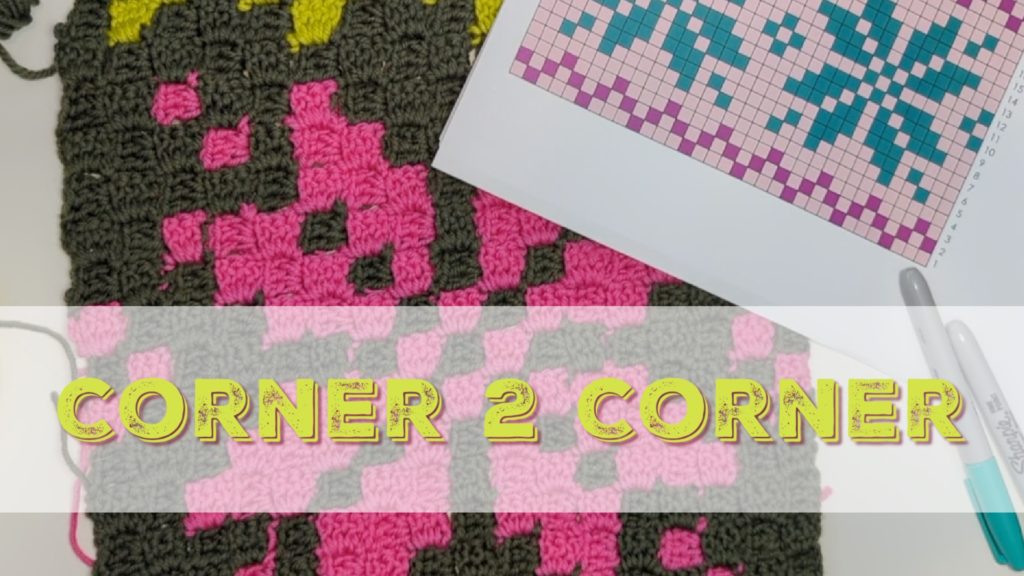
Before we look at the specific crochet techniques you can use with color charts, let's look at what we mean by grid color charts. You've probably seen these included in various patterns. Some designers share only the color chart for a pattern. For example, designers known for C2C colorwork will share their patterns as just grids.

Did you know you can take any grid color chart and use it with various crochet techniques to make all different kinds of things? In Camp Colorwork, Robyn reviews four of these crochet techniques. I cover how to use them for knitting. And then, you can use any of the charts in the course with any of the techniques to make ALL THE THINGS.

You can also make your own designs. Take a piece of grid paper. Color it in with the design that you want to use. Select the knit or crochet technique you'll use. Then follow the grid to complete the pattern. You begin with the block in the bottom right corner of the grid. Then, depending on the technique, you will either work along the bottom row towards the left and then back, row by row, or you'll work corner-to-corner. Either way, the grid's block color determines the color you use.

“Just have some fun. Color is fun! It is bright, vibrant, and wonderful!” – Robyn Chachula, Camp Colorwork

6 Crochet Techniques To Use With Grid Color Charts

Here are half a dozen crochet techniques that you can use to make different-sized items using grid color charts:

1. Tapestry Crochet

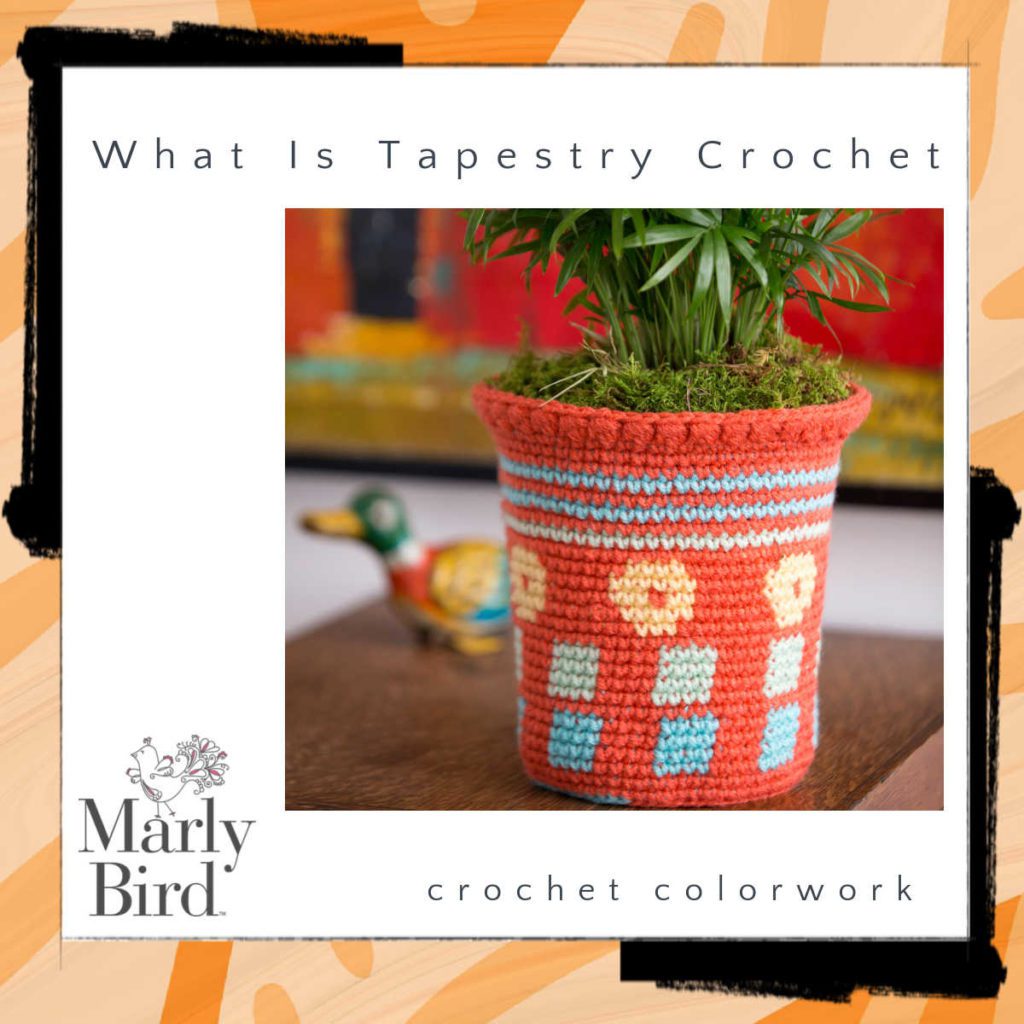
tapestry crochet plant pot cover

This classic single crochet uses tapestry techniques to avoid stranding on the back. It creates a mostly reversible design. Each row is worked in two colors. Each block on the color grid represents one single crochet stitch in that color.

2. Split Single Crochet

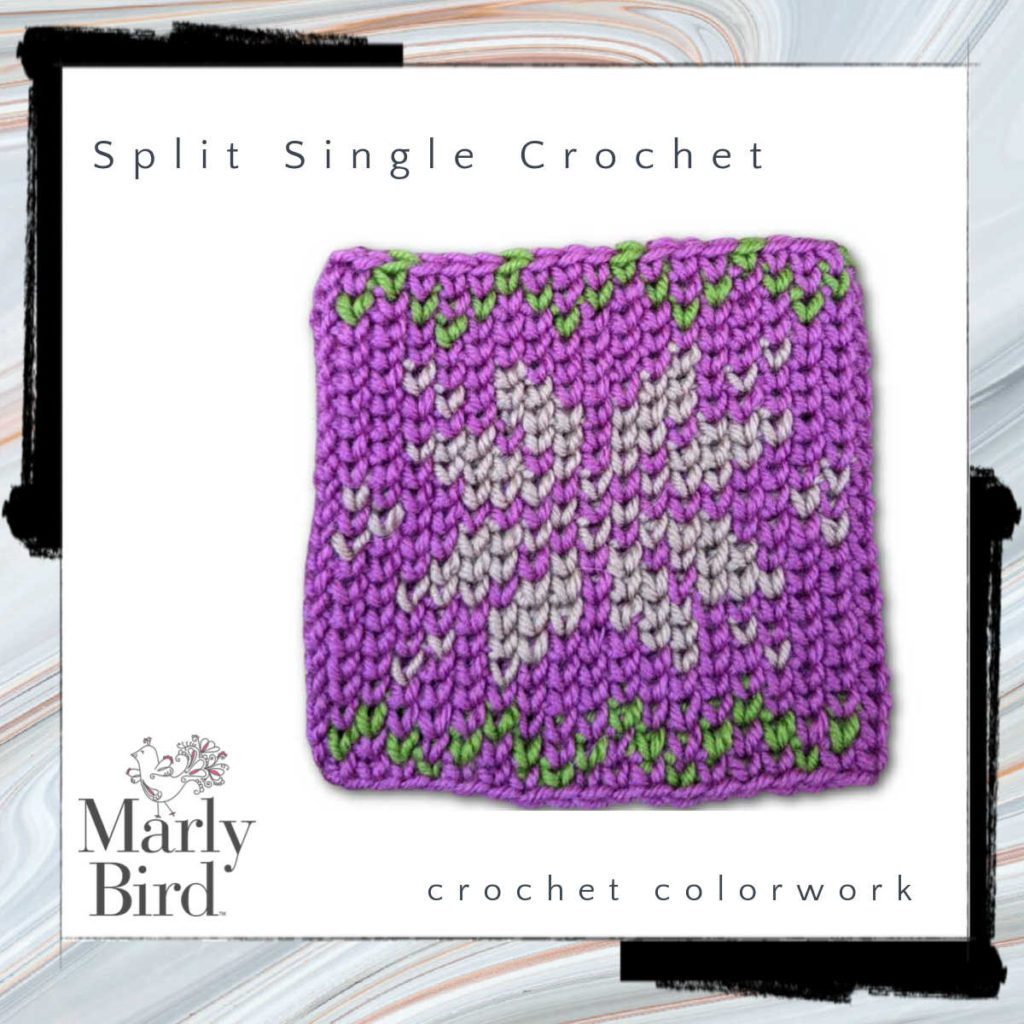
split single crochet looks almost like knitting

Work in the round to create beautiful colorwork designs using the knit-like stitch of split single crochet, also known as waistcoat stitch.

3. Corner to Corner Colorwork

Camp Colorwork - Corner to Corner - Marly Bird

Use C2C crochet to create a beautiful pattern. Instead of each block in the grid being one stitch, each block in your project will be a square block of 3 stitches. You’ll read the color chart from the bottom right to the top left. The color of the block is the color it shows on the grid.

4. Single Crochet Entrelac Corner to Corner

This is similar to C2C colorwork. However, you'll use single crochet entrelac instead of the traditional “granny stitch” design for C2C.

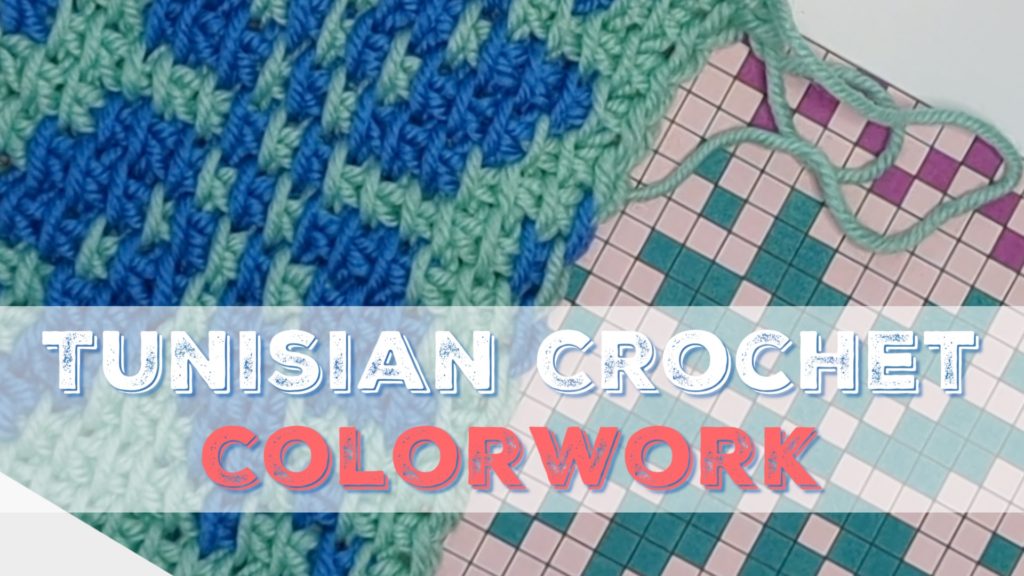
5. Tunisian Crochet

Tunisian Crochet - Marly Bird

Robyn covers this in-depth in Camp Colorwork. You can use any color grid chart with Tunisian crochet, even if it wasn’t originally designed for the technique. However, do note that the design will be elongated compared to the chart itself. So, you might have a short squat square on the page that becomes a vertical rectangle with an elongated design. Keep that in mind when playing with color charts and Tunisian crochet.

To work Tunisian colorwork, you have to strand yarn in the back of the work. You’ll have floats in the back. Make sure you don’t pull too hard on any of those. They should be nice and even but not pulling and causing your fabric to pucker.

Other than that, working with colorful Tunisian crochet is no more difficult than learning the basic Tunisian Simple Stitch. You can easily learn how to do this fun colorful technique! And if you love Tunisian crochet and want to take it further, you can apply what you learn to working with many other Tunisian crochet stitches, too.

For example, you could use Tunisian Knit Stitch instead. It will create a slightly thicker fabric. You might also want to use a larger hook size, making the overall project size a bit bigger. However, it also has a much cleaner look. If you like the look of stockinette or even crochet waistcoat stitch, you’ll probably like the colorwork of Tunisian Knit Stitch better than that of Tunisian Simple Stitch.

6. Granny Squares

In this example, each grid in the block is a single granny square. You might make a three-round granny square, for example. The color chart shows you which color each square should be to get the desired final pattern.

What's your favorite crochet technique for working with color charts? What's one that you want to try? Join us in Camp Colorwork to try them all at your own pace!

Frequently Asked Questions

What is a grid color chart in crochet?

A grid color chart is a square-by-square diagram where each square represents one stitch and is colored to show which yarn color to use. They're essentially pixel art translated into crochet… if you follow the chart, you recreate that image in your stitching. Grid charts are used for graphghans (graphic blankets), tapestry crochet designs, and any project where you want to create pictures, words, or geometric patterns in your work. Reading one is like reading a map… each square tells you exactly what stitch to make and what color to use.

What are the 6 crochet techniques that work with grid color charts?

This post covers six main approaches! Corner-to-corner (C2C) works each square diagonally. Tapestry crochet carries both colors and works them as shown in the chart. Surface crochet adds color on top of a finished base. Interlocking crochet creates reversible designs. Planned pooling uses self-striping yarn. And colorwork using the overlay mosaic technique. Each gives a different look and texture to the same chart design… your choice depends on the look you want, your skill level, and whether you want both sides to look nice.

Which grid chart technique is best for beginners?

C2C (corner-to-corner) is one of the most popular for beginners because the blocks of the grid translate directly to the blocks of the C2C construction… it's very visual and intuitive. Tapestry crochet is also very accessible once you understand how to carry the unused yarn. Surface crochet (adding lines on top of a finished piece) is actually the simplest because you work the base in whatever stitch you like and add the design after. Start with whichever of these matches how you like to work… they're all very learnable.

How do I read a grid color chart while crocheting?

Work bottom to top, right to left on odd rows and left to right on even rows (for most flat work). Use a chart holder or print the chart and mark off rows as you complete them. Stitch markers between design sections help you track placement. Some crafters use magnetic board chart holders where you cover each row as you work it so you can only see the current row. For very large charts, zooming in on one section at a time (rather than trying to track the whole chart at once) reduces overwhelm significantly.

Can I create my own grid color charts for crochet?

Yes! Any image can be converted to a grid chart using pixel art tools or crochet graphing software. StitchFiddle is a popular free tool specifically designed for this. You can also use graph paper and color in squares by hand. The key is understanding the proportions… crochet stitches are usually wider than they are tall, so a square grid chart often needs to be adjusted to account for that rectangular stitch shape (otherwise your image will look stretched). Marly's site has several chart resources and Stitch Fiddle tutorials to help you create your own designs.

Filed Under: Uncategorized

  • « Previous Page
  • 1
  • …
  • 25
  • 26
  • 27
  • 28
  • 29
  • …
  • 96
  • Next Page »

Let's Be Social

Join the Marly's Minions Facebook group to share, ask questions, or chat about all of your yarn related crafts!

Join the group(opens in new tab)
Cartoon of a smiling woman with brown hair in a bun, glasses, black jacket and green shirt, waving next to large "hi" text.

Quick Links

The Pattern Shop

Our Free Patterns

Blog

Marly Bird House

Learn to Knit & Crochet

About

Giveaway Terms and Privacy Notice

Find Us Everywhere

Join the Newsletter

YouTube Channel

Marly's Minions FB Group

Etsy Store

Ravelry Store


AN ELITE CAFEMEDIA HOME/DIY PUBLISHER

Information from your device can be used to personalize your ad experience. Do not sell or share my personal information.

Privacy Policy Terms of Use Marly Bird Legal Documents Copyright © 2026

Manage your privacy
We use technologies like cookies to store and/or access device information. We do this to improve browsing experience and to show (non-) personalized ads. Consenting to these technologies will allow us to process data such as browsing behavior or unique IDs on this site. Not consenting or withdrawing consent, may adversely affect certain features and functions.
Functional Always active
The technical storage or access is strictly necessary for the legitimate purpose of enabling the use of a specific service explicitly requested by the subscriber or user, or for the sole purpose of carrying out the transmission of a communication over an electronic communications network.
Preferences
The technical storage or access is necessary for the legitimate purpose of storing preferences that are not requested by the subscriber or user.
Statistics
The technical storage or access that is used exclusively for statistical purposes. The technical storage or access that is used exclusively for anonymous statistical purposes. Without a subpoena, voluntary compliance on the part of your Internet Service Provider, or additional records from a third party, information stored or retrieved for this purpose alone cannot usually be used to identify you.
Marketing
The technical storage or access is required to create user profiles to send advertising, or to track the user on a website or across several websites for similar marketing purposes.
  • Manage options
  • Manage services
  • Manage {vendor_count} vendors
  • Read more about these purposes
Manage options
  • {title}
  • {title}
  • {title}