6 Crochet Techniques To Use With Grid Color Charts
You can learn many different knit and crochet colorwork techniques at Camp Colorwork. One thing we spent a lot of time on is showing you how to use grid color charts. You can use them in both knitting and crochet. And you can use the same chart with different techniques. That's right, one chart, both crafts and multiple techniques in each craft. At a glance, here are half a dozen crochet techniques to use with grid color charts.
What Is a Knit or Crochet Grid Color Chart?
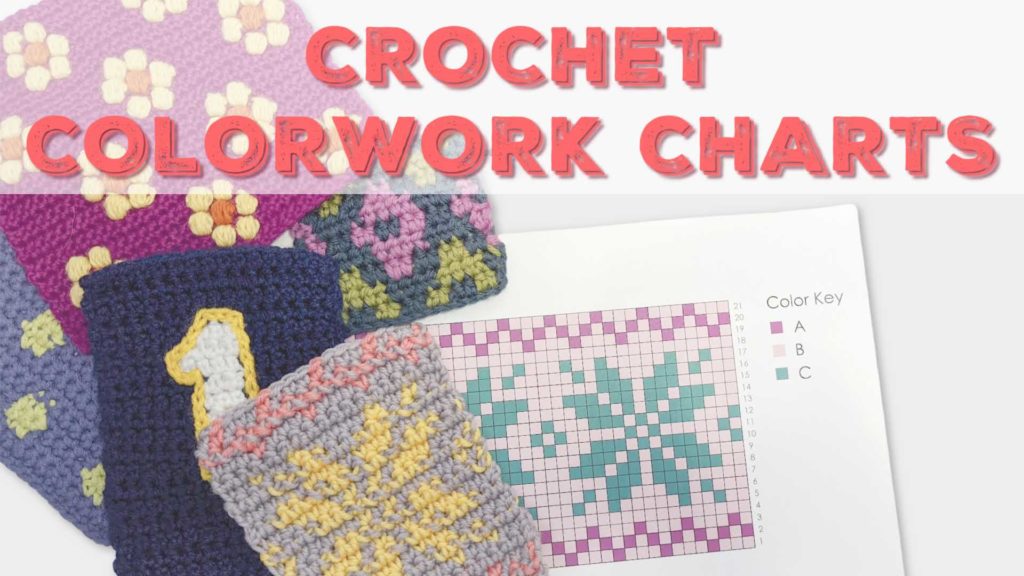
Before we look at the specific crochet techniques you can use with color charts, let's look at what we mean by grid color charts. You've probably seen these included in various patterns. Some designers share only the color chart for a pattern. For example, designers known for C2C colorwork will share their patterns as just grids.
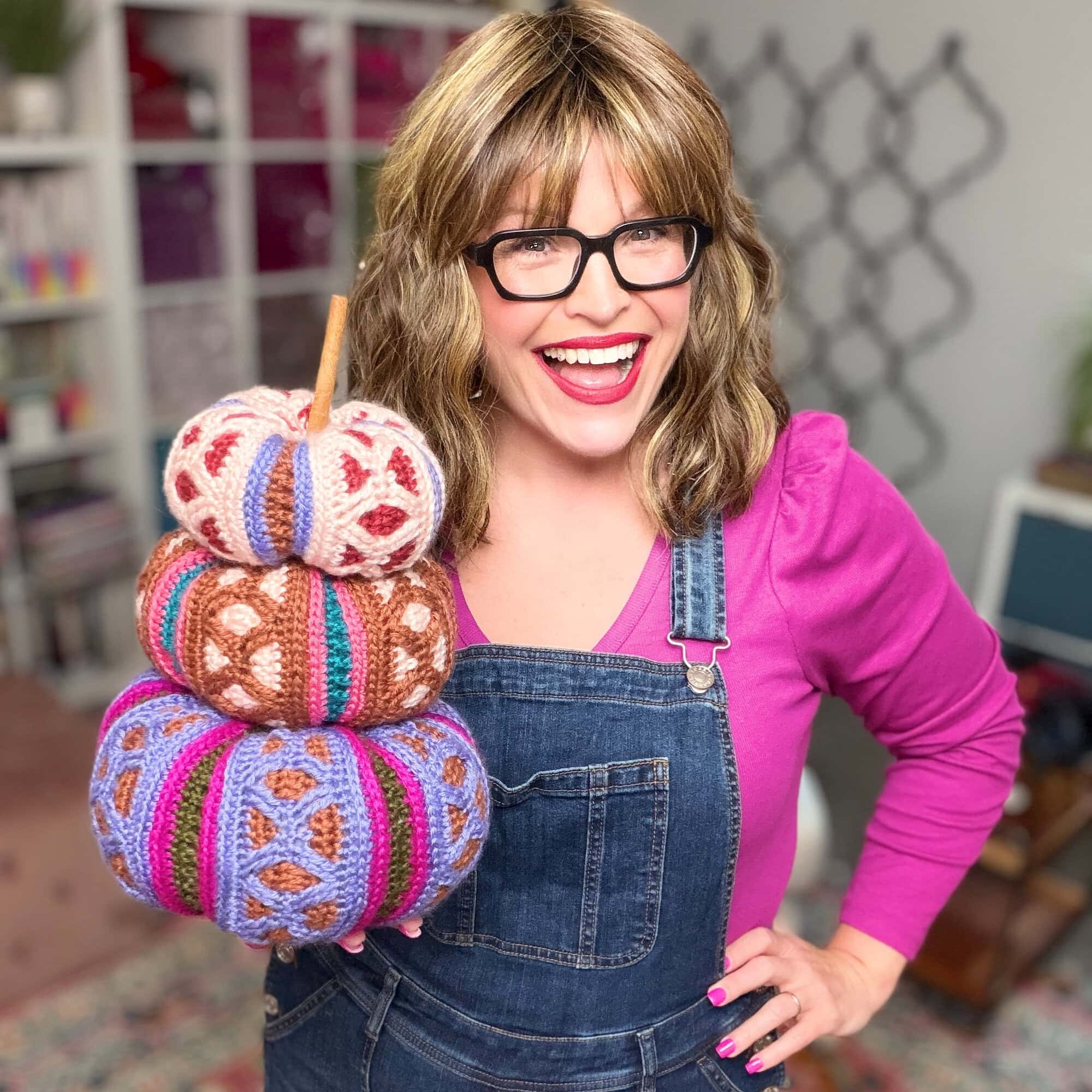
Did you know you can take any grid color chart and use it with various crochet techniques to make all different kinds of things? In Camp Colorwork, Robyn reviews four of these crochet techniques. I cover how to use them for knitting. And then, you can use any of the charts in the course with any of the techniques to make ALL THE THINGS.
You can also make your own designs. Take a piece of grid paper. Color it in with the design that you want to use. Select the knit or crochet technique you'll use. Then follow the grid to complete the pattern. You begin with the block in the bottom right corner of the grid. Then, depending on the technique, you will either work along the bottom row towards the left and then back, row by row, or you'll work corner-to-corner. Either way, the grid's block color determines the color you use.
“Just have some fun. Color is fun! It is bright, vibrant, and wonderful!” – Robyn Chachula, Camp Colorwork
6 Crochet Techniques To Use With Grid Color Charts
Here are half a dozen crochet techniques that you can use to make different-sized items using grid color charts:
1. Tapestry Crochet
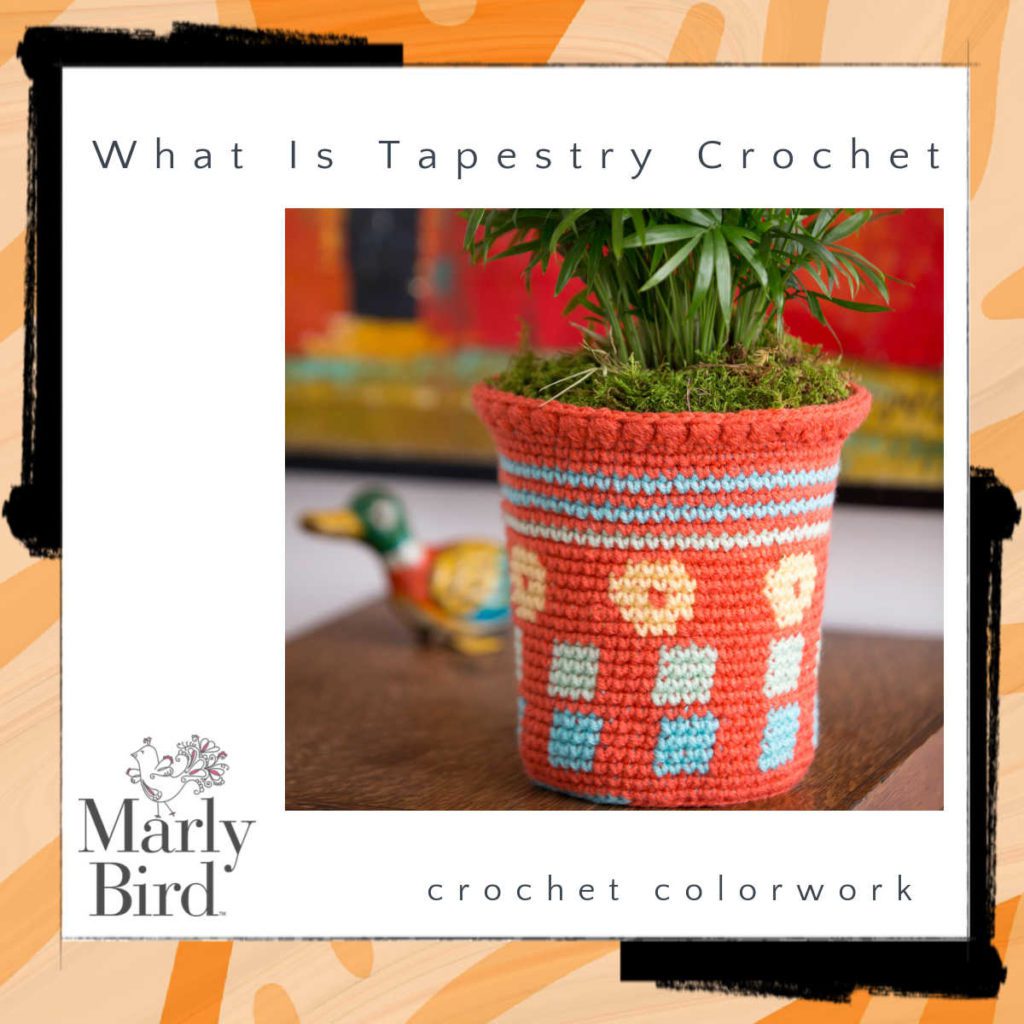
This classic single crochet uses tapestry techniques to avoid stranding on the back. It creates a mostly reversible design. Each row is worked in two colors. Each block on the color grid represents one single crochet stitch in that color.
2. Split Single Crochet
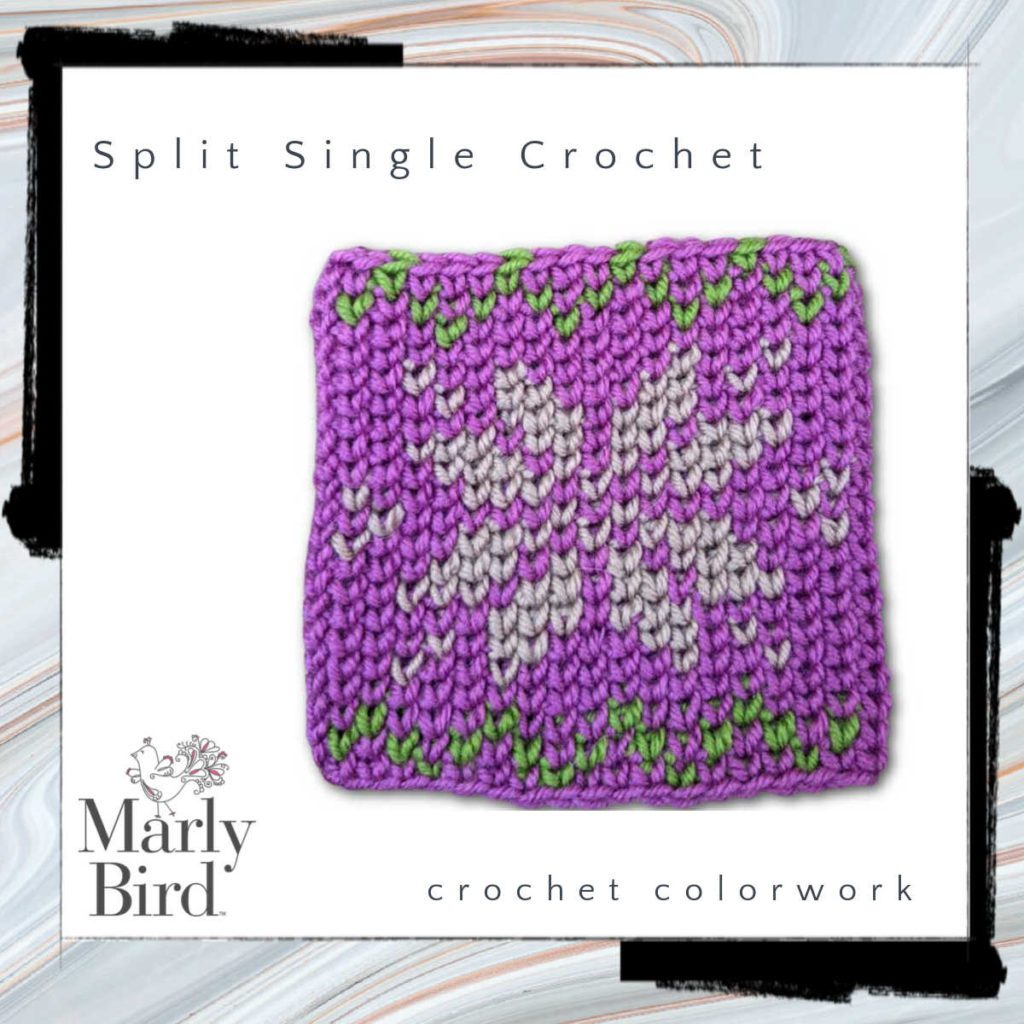
Work in the round to create beautiful colorwork designs using the knit-like stitch of split single crochet, also known as waistcoat stitch.
3. Corner to Corner Colorwork
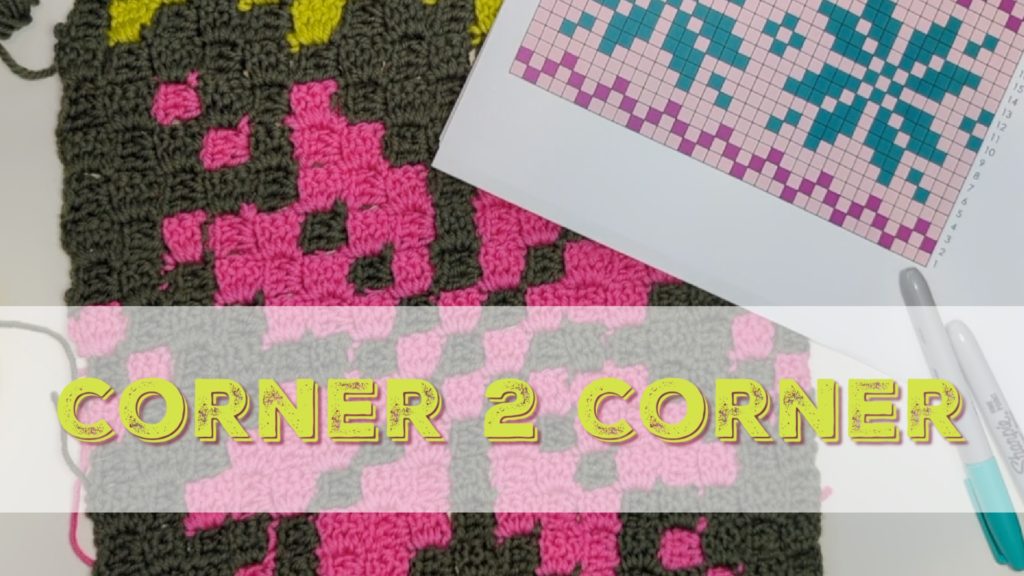
Use C2C crochet to create a beautiful pattern. Instead of each block in the grid being one stitch, each block in your project will be a square block of 3 stitches. You’ll read the color chart from the bottom right to the top left. The color of the block is the color it shows on the grid.
4. Single Crochet Entrelac Corner to Corner
This is similar to C2C colorwork. However, you'll use single crochet entrelac instead of the traditional “granny stitch” design for C2C.
5. Tunisian Crochet
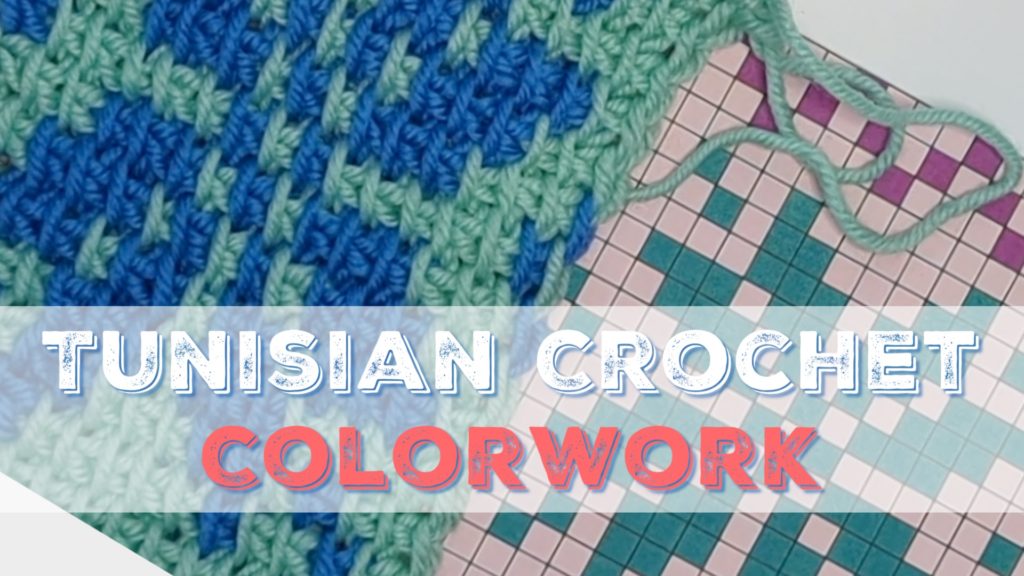
Robyn covers this in-depth in Camp Colorwork. You can use any color grid chart with Tunisian crochet, even if it wasn’t originally designed for the technique. However, do note that the design will be elongated compared to the chart itself. So, you might have a short squat square on the page that becomes a vertical rectangle with an elongated design. Keep that in mind when playing with color charts and Tunisian crochet.
To work Tunisian colorwork, you have to strand yarn in the back of the work. You’ll have floats in the back. Make sure you don’t pull too hard on any of those. They should be nice and even but not pulling and causing your fabric to pucker.
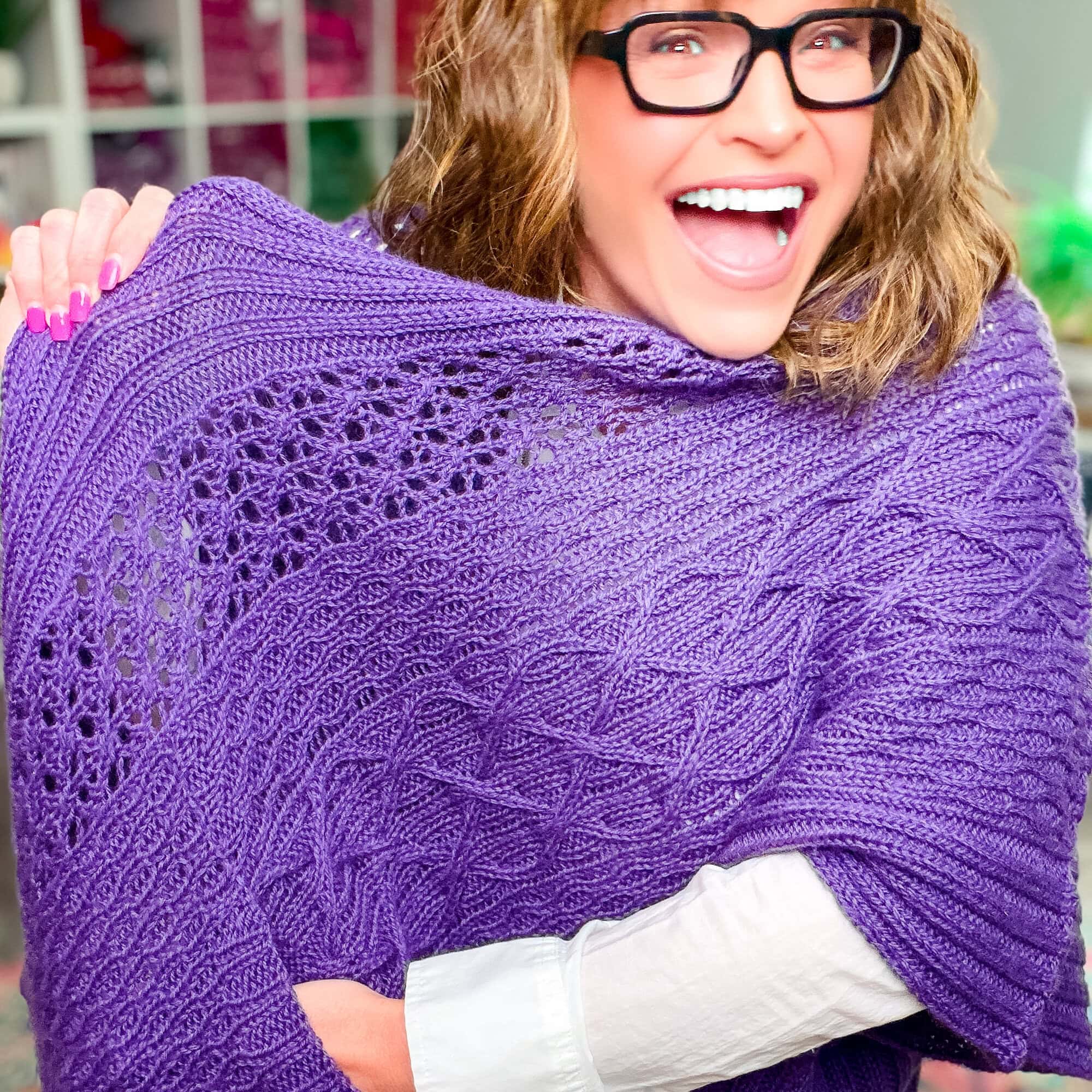
Other than that, working with colorful Tunisian crochet is no more difficult than learning the basic Tunisian Simple Stitch. You can easily learn how to do this fun colorful technique! And if you love Tunisian crochet and want to take it further, you can apply what you learn to working with many other Tunisian crochet stitches, too.
For example, you could use Tunisian Knit Stitch instead. It will create a slightly thicker fabric. You might also want to use a larger hook size, making the overall project size a bit bigger. However, it also has a much cleaner look. If you like the look of stockinette or even crochet waistcoat stitch, you’ll probably like the colorwork of Tunisian Knit Stitch better than that of Tunisian Simple Stitch.
6. Granny Squares
In this example, each grid in the block is a single granny square. You might make a three-round granny square, for example. The color chart shows you which color each square should be to get the desired final pattern.
What's your favorite crochet technique for working with color charts? What's one that you want to try? Join us in Camp Colorwork to try them all at your own pace!
Frequently Asked Questions
What is a grid color chart in crochet?
A grid color chart is a square-by-square diagram where each square represents one stitch and is colored to show which yarn color to use. They're essentially pixel art translated into crochet… if you follow the chart, you recreate that image in your stitching. Grid charts are used for graphghans (graphic blankets), tapestry crochet designs, and any project where you want to create pictures, words, or geometric patterns in your work. Reading one is like reading a map… each square tells you exactly what stitch to make and what color to use.
What are the 6 crochet techniques that work with grid color charts?
This post covers six main approaches! Corner-to-corner (C2C) works each square diagonally. Tapestry crochet carries both colors and works them as shown in the chart. Surface crochet adds color on top of a finished base. Interlocking crochet creates reversible designs. Planned pooling uses self-striping yarn. And colorwork using the overlay mosaic technique. Each gives a different look and texture to the same chart design… your choice depends on the look you want, your skill level, and whether you want both sides to look nice.
Which grid chart technique is best for beginners?
C2C (corner-to-corner) is one of the most popular for beginners because the blocks of the grid translate directly to the blocks of the C2C construction… it's very visual and intuitive. Tapestry crochet is also very accessible once you understand how to carry the unused yarn. Surface crochet (adding lines on top of a finished piece) is actually the simplest because you work the base in whatever stitch you like and add the design after. Start with whichever of these matches how you like to work… they're all very learnable.
How do I read a grid color chart while crocheting?
Work bottom to top, right to left on odd rows and left to right on even rows (for most flat work). Use a chart holder or print the chart and mark off rows as you complete them. Stitch markers between design sections help you track placement. Some crafters use magnetic board chart holders where you cover each row as you work it so you can only see the current row. For very large charts, zooming in on one section at a time (rather than trying to track the whole chart at once) reduces overwhelm significantly.
Can I create my own grid color charts for crochet?
Yes! Any image can be converted to a grid chart using pixel art tools or crochet graphing software. StitchFiddle is a popular free tool specifically designed for this. You can also use graph paper and color in squares by hand. The key is understanding the proportions… crochet stitches are usually wider than they are tall, so a square grid chart often needs to be adjusted to account for that rectangular stitch shape (otherwise your image will look stretched). Marly's site has several chart resources and Stitch Fiddle tutorials to help you create your own designs.
Categories: Uncategorized