Search
Close
  • The Pattern Shop
  • Our Free Patterns
    • Browse All Our Free Patterns
    • Our Free Knitting Patterns
    • Our Free Crochet Patterns
  • Blog
    • All Blog Posts
    • All Free Patterns
    • Dibble Dabble Inspiration
    • Giveaways
    • Make-Alongs
    • Product Reviews
    • Roundups
    • Tips, Tricks, Techniques for Knitting and Crochet
Stylized bird with pink and gray swirling tail above elegant “Marly” text, logo for crochet accessories and home decor.
  • Marly Bird House
  • Learn to Knit & Crochet
    • Newbie? Start Here
    • Video Tutorials
    • Knitting Definitions
    • Crochet Definitions
    • Common Techniques
    • Size Charts for Knitting and Crochet Projects
  • About
×
  • The Pattern Shop
  • Free Patterns
  • Blog
  • Marly Bird House
  • Learn to Knit & Crochet
    • Newbie? Start Here
    • Video Tutorials
    • Knitting Definitions
    • Crochet Definitions
    • Common Techniques
    • Size Charts for Knitting and Crochet Projects
  • About
Stylized bird with pink and gray swirling tail above elegant “Marly” text, logo for crochet accessories and home decor.
Search
Close

New Patterns NOW Available in Ad-Free PDF! Check out The Pattern Shop

15 Free Knit Intarsia Patterns

September 26, 2022 By Marly Bird Leave a Comment

Intarsia is a colorwork technique where the color is grouped in sections. You'll wind small balls of each color, and the color stays at the section instead of being carried along the length of the row. Now it's time to check out these free knit intarsia patterns. Read on…

Learn intarsia with Camp Colorwork!

Don't miss the free intarsia crochet projects!

free knit intarsia patterns

Remember Argyle socks? The contract color diamonds with diagonal lines crossing in the center? That distinct pattern is an eternal classic whether it's worked on socks, sweaters, scarves, or blankets. But other than this classic pattern, you'll find other blocks and diamonds, flowers, leaves, a snowman, and even the British flag.

  • In Bloom Pullover
  • Snowman Stocking
  • Knit Argyle Scarf
  • Peaceful Kiddo Pullover
  • Love My Doll Sweater and Messy Bun Hat
  • Knit Intarsia Mod Flower Pillow
  • Knit Intarsia Smiling Starfish Baby Blanket
  • Diamond Scarf
  • Shifting Blocks Knit Scarf
  • Monochrome Swatch Knit Sweater
  • Color Swatch Knit Sweater
  • Color Chip Knit Hat
  • Union Jack Pillow
  • Tropical Leaf Knit Pillow
  • Colorblock Knit Washcloth

Intarsia knitting may take practice to get a really neat look with smooth color changes. If you want to learn more and perfect the technique, signing up for Camp Colorwork is well worth the investment. See the link below the color swatch knit sweater picture.

Color Swatch Knit Sweater Free Knitting Pattern

Learn intarsia with Camp Colorwork!

For more free knit intarsia patterns, click on the links below. We might just have exactly what you're looking for!

You May Also Like

  • VOTE Sweater
  • Video Tutorial-How to Finish Intarsia Perfectly
  • Knit Intarsia Blocks
  • Learn How to Knit Flat Intarsia with Anne Berk and Marly Bird
  • Chic Sheep Dream Intarsia Knit Blanket || Free Intarsia Afghan Pattern by Anne Berk

Frequently Asked Questions

What is intarsia knitting?

Intarsia is a colorwork technique where you use separate balls or bobbins of yarn for each color section, rather than carrying the yarn across the row. Each section of color “lives” in its own little yarn supply. When you move from one color section to the next, you twist the yarns together at the join to prevent holes in your fabric. It's perfect for large isolated motifs like hearts, geometric shapes, letters, or picture designs in the middle of a sweater or blanket.

Is intarsia harder than Fair Isle colorwork?

They're different challenges! Fair Isle (stranded colorwork) requires managing floats and tension across the whole row. Intarsia requires managing multiple yarn bobbins and remembering to twist at each color join. Most knitters find the yarn management in intarsia a bit fussier, especially when there are many separate color sections. But the finished fabric is often easier to block and doesn't have the weight of floats behind it. Try both and see which clicks better for you.

How do I prevent holes at the color joins in intarsia?

Twisting! When you get to a color change, pick up the new color yarn from under the old color yarn. This locks the yarns together and closes the join. If you forget to twist, you'll have a gap between the color sections. It helps to think of it as “locking in” the new color before you start knitting with it. Once this becomes habit, the joins are invisible in the finished fabric and the color sections integrate seamlessly.

What projects are best for intarsia knitting?

Intarsia shines for isolated graphic motifs… a heart on a sweater front, a Christmas tree on a stocking, geometric shapes on a pillow, letters spelling out a name. Flat knitted objects (worked in rows) are generally easier for intarsia than circular knitting, though both are possible. Blankets, cushion covers, and flat garment pieces are popular. Because intarsia requires multiple yarn supplies, smaller concentrated motifs are more manageable than all-over colorwork patterns.

What's the easiest intarsia project for a beginner?

A dishcloth or small pillow cover with a simple two-color geometric motif… a heart, a diamond, or a simple chevron… is the perfect starting point. Keep it small (fewer stitches and rows) and use just two colors to minimize the number of yarn bobbins. Working at a larger gauge (worsted weight with size 7-8 needles) means bigger stitches and faster feedback on whether your joins are working. Small and simple first… the technique is learnable, it just takes some practice to get smooth.

Filed Under: Free Patterns, Knitting, Marly Bird Premium Patterns, Our Free Patterns, Pattern, Round Ups

10 Free Crochet Intarsia Projects

September 26, 2022 By Marly Bird Leave a Comment

While intarsia may be more associated with knitting, you can also work it in crochet! You'll make small balls of each color and work on the colors in sections. This works instead of carrying the colors along the length of the row the way many colorwork techniques do. Try these free crochet intarsia projects today!
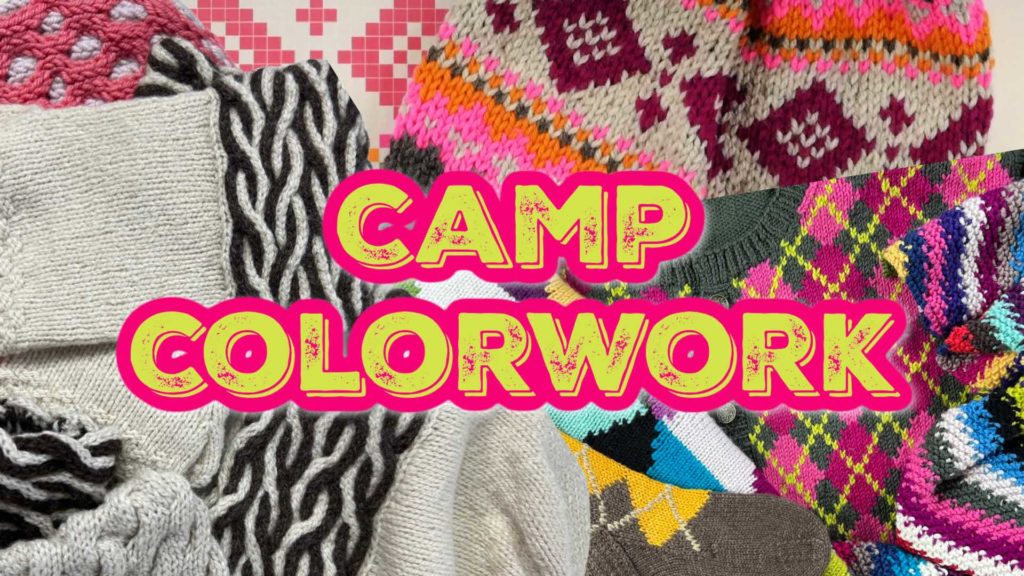
Learn how to work crochet intarsia with Camp Colorwork!

Don't miss the free knit intarsia projects too!

But for now…

Check Out These Free Crochet Intarsia Projects!

10 Free Crochet Intarsia Projects
  • It's Gonna Be a Good Day Intarsia Crochet Blanket With bright yellow sun, rippling sand, and bright blue waves; this blanket will take you on a journey to distant shores!
  • Shadow Box Crochet Blanket Check out this intriguing blend of triangles and squares in this cozy blanket.
  • Flower Power Crochet Blanket One huge five-petal flower decorates this solid color background for this back-to-nature design.
  • Rocketship Crochet Baby Blanket Shoot for the stars with this amazing blanket adorned with a fanciful rocket ship!
  • Corner to Corner Crochet School Bus Blanket Bright yellow against a fabulous turquoise blue background shows this school bus driving away. Choose your own background color to relate to where you live.
  • Pop Art Flowers Crochet Blanket Psychedelic floral squares join harmoniously with this throwback style.
  • C2C Blast Off Crochet Baby Blanket Another rocket ship design to send the kiddos into outer space!
  • Crochet C2C Big Star Blanket Crochet a single five-point star on this blanket destined for greatness!
  • Corner-to-Corner Pretty Florals Crochet Graphghan A gathering of brightly colored flowers brings happiness to this corner-to-corner (C2C) design.
  • Gray Shades Tartan Scarf Take a trip across the pond to Scotland with this tartan scarf in shades of grey.
Bernat Pop Art Flowers Crochet Blanket Free Pattern

Learn intarsia with Camp Colorwork!

You May Also Like

  • Have you heard of Interwoven Crochet?
  • What about Interlaced Stitches Crochet?
  • Crochet Fair Isle Projects and Patterns

Frequently Asked Questions

What is crochet intarsia?

Crochet intarsia is a colorwork technique where separate yarn supplies are used for each distinct color section within a row or across the fabric. Unlike tapestry crochet (where you carry unused yarns across the back), intarsia uses individual yarn bobbins or balls for each color section that you switch between as the design requires. When you move from one color section to the next, you drop the current yarn and pick up the next. This creates clean, sharp color boundaries between sections without the density of tapestry crochet.

What kinds of projects use crochet intarsia?

The 10 patterns in this collection show the range! Garments with large color-blocked sections or graphic motifs on the front panel. Bags with bold geometric or pictorial designs. Blankets with large-scale colorwork. Wall hangings with abstract color design. The key is that intarsia works best for isolated, large color sections… a big heart on a sweater front, bold geometric blocks in a blanket. For small repeating colorwork motifs (like stranded Fair Isle), tapestry crochet or mosaic is better. Intarsia shines for graphic, high-impact isolated designs.

Is crochet intarsia the same as knit intarsia?

The same principle but different execution! Both use separate yarn supplies for each color section and twist yarns at color joins to prevent holes. In knitting, intarsia is worked flat in rows and the yarn management involves letting yarn bobbins hang at the back. In crochet, the technique adapts to crochet fabric properties… the stitches lock differently and the fabric drape is different. Crochet intarsia can create beautiful geometric results but the fabric has more body than knit intarsia. Both produce that characteristic clean color boundary without floats.

How do I manage multiple yarn bobbins in intarsia crochet?

Organization is key! Small plastic bobbins wound with each color section's yarn keep the supplies tidy and prevent tangling. Only unwind enough yarn to work the current section… don't let all the yarn loose at once. Let bobbins hang freely below your work as you stitch. When you finish a color section and move to the next, the bobbins hang in order below the fabric. Going slowly and checking that each bobbin stays untangled before starting a new section prevents the yarn avalanche that makes intarsia frustrating for some crafters. Some people use small zip-close bags instead of bobbins.

What's the most important technique in crochet intarsia?

Locking the yarns at color joins! Every time you switch from one color to another, you need to lock the yarns together by picking up the new color from under the old color before working the first stitch of the new section. This prevents holes and gaps at the color boundaries. If you just drop one yarn and grab the next without locking them, you'll have visible gaps between every color section. It takes a bit of mindful attention at first, but becomes automatic with practice. Clean, secure color joins are what separates beautiful intarsia from sloppy colorwork.

Filed Under: Crochet, Free Patterns, Pattern, Round Ups

Mosaic Knitting and Mosaic Crochet Resources

September 22, 2022 By Marly Bird Leave a Comment

Mosaic designs are intricately patterned designs, often worked in two colors, that you can create using knitting, crochet, or Tunisian crochet. You can use different stitches and techniques in these crafts to achieve the desired effect. If you want to learn them all, you should sign up for Camp Colorwork, where we teach you various types of mosaic knitting and crochet, with patterns to boot.

Camp Colorwork knit and crochet class banner and link - Marly Bird
[Read more…]

Filed Under: Crochet, Free Patterns, Knitting, Marly Bird Premium Patterns, Our Free Patterns, Pattern, Round Ups, Tips, Tricks, Techniques for Knitting and Crochet, YouTube Video Tutorial

13 Knit and Crochet Fox Patterns

September 17, 2022 By Marly Bird Leave a Comment

Friendly foxes are fabulous to make and to wear! With accessories and toys, plus ornaments and even a pillow, there's a project for the fox-lover in your household. Check out these cute and cuddly knit and crochet fox patterns today!

13 Knit and Crochet Fox Patterns - Marly Bird

Knit And Crochet Fox Toys

Foxes are known for being sly and cunning. But with their adorable dark eyes and thick puffy tails, you can't help but be enchanted by their sleek looks. Check out these cute fox toy patterns and hatch a cunning plan yourself to make a few as gifts. Or keep one for yourself!

  • Felix the Fox – Apricot Lane Amigurumi
  • Crochet Fox
  • Knit Foxy Toy
  • Francis the Fox Doll

Crochet And Knit Fox Accessories And Clothing

Instead of the real thing, why not craft a fox scarf to drape around your neck. You know it'll be cozy! And, we found some mittens and a hat for you too. Bet your little one can't wait to get their hands inside these cute foxy mittens. So, stalk your stash for some suitable yarn, pounce on the right choice, and get to work on your foxy project now.

  • Fox in the Snow Mittens
  • Fox Hat
  • Fox Mittens
  • Child's Foxy Tunic

Knit And Crochet Fox Patterns For Home Decor

Go ahead and wrap your wee one in this cute foxy blanket. Made from chunky yarn it'll work up quickly. This pillow is a great addition to a woodland animal theme kid's bedroom. And, Oh My!!! The stash basket! You knwo how many of these I'd need to house my stash? It's also great as a gathering spot for kid toys or even dog toys. Download the pattersn from the links and get crafting today!

  • Like a Fox Blanket
  • Foxy PJ Pillow
  • Foxy Stash Basket
  • Fox Ornament
  • Sly Fox Scrubby
Apricot Lane character Felix the Fox in four different sizes - Marly Bird

Also on the Blog

  • 6 Free Crochet Pig Patterns
  • 9 Free Panda Crochet and Knit Patterns
  • 13 Free Dinosaur Projects to Crochet and Knit

Frequently Asked Questions

What kind of fox projects can I make?

So here's the thing… you can make a whole bunch of different fox projects! There are toys, accessories like scarves and mittens, and even home decor items like blankets and pillows. It's a real mix of fun things!

Are these patterns just for crochet?

Honestly… no! The great thing about these fox patterns is that they're for both knitters and crocheters. So no matter your crafting preference, you can whip up some adorable fox goodies.

Can I make a fox for my little one?

Yes! There are definitely projects suitable for kids, like the Child's Foxy Tunic and cute fox toys. They'd make such adorable gifts!

What if I just want something small?

Oh, for sure! If you're looking for something a little quicker or smaller, there are patterns for fox ornaments and even a sly fox scrubby. Perfect for a little pop of foxy fun!

Where can I find these patterns?

All the links to the specific patterns are listed right there under each section on the page! Just click on the one that catches your eye, and it'll take you right to it.

Filed Under: Crochet, Free Patterns, Knitting, Marly Bird Premium Patterns, Our Free Patterns, Pattern, Round Ups

Galileo Yarn: Bamboo-Wool Sport weight

September 15, 2022 By Marly Bird Leave a Comment

Galileo Yarn is a beautiful lightweight yarn made from 50% soft merino wool and 50% bamboo. This means it's so luxurious for knit and crochet. You'll want to hand wash and flat dry anything you make with this yarn. It's well worth it, though, because the drape you get allows you to create the most magnificent garments.

Disclosure: This post includes affiliate links. I receive a commission when sales are made through those links. Your price remains unaffected. Thank you for your support.

galileo yarn

Why Is It Named Galileo Yarn?

Galileo di Vincenzo Bonaiuti de' Galilei was a 16th-century astronomer and physicist known best for realizing that the Earth orbits the sun. He has many other credits to his name, but essentially, when we think of him, we think of the sky. And that's where Galileo Yarn gets its name. The 19 colors in this yarn line are all inspired in some way by the night sky. The sheen from the bamboo fiber might even make you think of the stars.

Galileo Yarn Colors

This yarn comes in 19 luscious colors, including many that are also named after features of the sky. For example, some blue hues are Aquarius, Lunar, and Skydust. Lunar is midnight blue blended with other shades and a silvery finish. This is a complex, nuanced yarn.

Additionally, you have the alternative option of purchasing Bare Galileo. That means you get this yarn in a natural, undyed, unbleached state, so you can dye it whatever color you desire.

What Is a Wool-Bamboo Blend?

There are so many different yarns to choose from, it can be tough to know what makes one better than another. The more you work with different options, the more you understand their unique properties. As such, you can learn which fibers are best for the techniques you want to work with and the effects you want to achieve.

Galileo Yarn is a wool-bamboo blend, meaning it has the best properties of both fibers. It's a 50-50 blend, so neither one stands out more than the other. It's a merino wool blend, a common, soft wool that's a favorite with many crocheters and knitters. You might turn to merino wool when you want something soft on your hooks or needles.

Bamboo, on the other hand, is silkier. It's also very strong. It's also soft, but whereas the merino wool is fluffy, this is more of a silky softness. Combined, this wool-bamboo blend is soft, lustrous, and strong, with terrific elasticity and great drape.

Best Projects for Galileo Yarn

It's particularly perfect for:

  • Heirloom quality baby products. Since it's a handwash item, you probably don't want to make everyday baby stuff with this. However, you can use it to make a soft, special item such as a christening gown.
  • Lightweight soft shawls such as knit and crochet prayer shawls, especially for people with sensitive skin.
  • Projects where you want to showcase stitch detail and texture, such as when working with cables

What Is Sportweight Yarn?

This is a sport weight yarn. It is also called baby weight yarn, as well as fine yarn. It's a #2 on the 0-7 yarn weight scale. You'll typically want to use size #3-5 knitting needles (3.25 mm-3.75 mm) or size E-7 crochet hooks when working with sportweight yarn, including this yarn. Of course, check your patterns and play with larger or smaller size hooks to get the required gauge as needed for your projects.

Buy Galileo Yarn Now

wool bamboo blend yarn

You can buy this yarn at WeCrochet or KnitPicks.

You Might Also Like:

  • The Best Cotton Yarn in Every Weight
  • The Best Super Chunky Yarn for Cozy Crafting
  • Why You Should Use Luxury Yarn

Frequently Asked Questions

What makes Galileo Yarn so special?

So here's the thing… Galileo Yarn is a super luxurious blend of 50% soft merino wool and 50% bamboo. It's got this amazing drape that's perfect for gorgeous garments, and the bamboo gives it a lovely sheen, almost like starlight!

How should I take care of my Galileo Yarn projects?

Honestly… you'll want to hand wash and flat dry anything you make with this yarn. It might sound like a bit of work, but trust me, the beautiful results and that amazing drape are totally worth it!

Why is it called Galileo Yarn?

Yes! It's named after the astronomer Galileo Galilei because all 19 colors are inspired by the night sky. Think of celestial bodies and starry nights… and that sheen from the bamboo really makes you think of the stars, doesn't it?

What kind of projects are best for this yarn?

Oh, this yarn is perfect for special things! Think heirloom quality baby items like a christening gown, or lightweight, soft shawls especially for folks with sensitive skin. It's also wonderful for projects where you want to really show off those intricate stitch details and textures.

What exactly is sportweight yarn?

So, sportweight is a #2 on the yarn weight scale, sometimes called baby weight or fine yarn. You'll usually use knitting needles around a size #3-5 or crochet hooks like an E-7, but always check your pattern and feel free to play around with sizes to get your gauge just right!

Filed Under: Product Reviews, Yarn Review

Honeycomb Cable Stitch Free Knit Hat Pattern

September 14, 2022 By Marly Bird Leave a Comment

Intermediate knitters can use this free knit hat pattern to learn to integrate the beautiful honeycomb cable stitch with knitting colorwork techniques. The result is an eye-catching two-tone design. You can make it in any combination of colors to celebrate holidays, show school or team spirit, or simply create a beautiful accessory. Moreover, if that's new for you, you'll have so much fun learning the honeycomb cable stitch. A video tutorial supports you if you get lost along the way.

Disclosure: This page may contain affiliate links that help me cover the cost of publishing my blog. Should you choose to make a purchase, at no additional cost to you, I may earn a small percentage of the sale.

honeycomb cables hat knit pattern - Marly Bird

About the Capriciously Chic Hat

The Capriciously Chic hat is one of the patterns I designed as part of the second collection of Chic Sheep yarn. In other words, I took my knowledge of this yarn and designed a free knit hat pattern to perfectly showcase what I love most about it.

I designed the hat using two colors that are close together to give a two-tone look. I think it's a nice bold choice for an accessory. However,  you can pick any two of your favorite colors. Pick something with a high contrast, Alternatively, work the whole thing in one color for a subtle all-over look. 

What Is Honeycomb Cable Stitch?

Designed to start at the brim, I switched it up a little and worked a twisted rib brim. After that, we go into the pattern, combining honeycomb cable stitch and fair isle colorwork. The video tutorial, which you'll find below, shows how to work this.

But what exactly is a honeycomb cable stitch? This knit stitch uses very simple cable stitches in a unique manner. The result is a thick, dense, textured design that resembles a honeycomb. The hexagonal repeating pattern makes a powerful impact. Because it's such a dense stitch with a lot of texture but not a lot of drape, honeycomb cable stitch works particularly well for making a thick and cozy knit hat like this one.

Yarn Choice

Chic Sheep, the yarn that I created, is a 100% merino wool yarn. It's so soft and great for warm accessories like hats. I was so sad when my yarn was discontinued. You can still pick some up here and there, so grab it when you can. However, you might also use these alternative choices for this hat:

  • Swish Worsted
  • Twill Worsted
  • Brava Worsted
  • Wool of the Andes

Capriciously Chic Hat With Honeycomb Cable Stitch: Materials

If you're ready to make this honeycomb cable stitch and fair isle knit hat pattern, then here's what you'll need:

  • Yarn used in the sample was discontinued, and the Swish Worsted by WeCrochet / KnitPicks is a great alternative yarn to Chic Sheep Yarn.
    • Red Heart® Chic Sheep by Marly Bird™: 1 ball each 5673 Fairy Tale A and 5622 Dragon Fruit B (see note above about yarn)
  • Susan Bates® Circular Knitting Needles: 4.5mm [US 7] and 5mm [US 8], 16″ (40.5 cm)
  • Susan Bates® Double Pointed Needles: One set 5mm [US 8]
  • Cable Needle
  • Yarn needle
  • Susan Bates® split lock stitch markers
  • FREE Capriciously Chic Hat Pattern
  • Optional: video tutorial (below)

Get the Capriciously Chic Hat Free Knit Pattern

Get the hat pattern here or click the image below:

honeycomb knit cable hat pattern-2

Honeycomb Cable Stitch: Video Tutorial

Here is the Capriciously Chic Hat video tutorial. This shows you how to work the unique twisted brim as well as the honeycomb cable stitch:


You Might Also Like:

  • Sophisticated Chic Lace Knit Hat Free Pattern
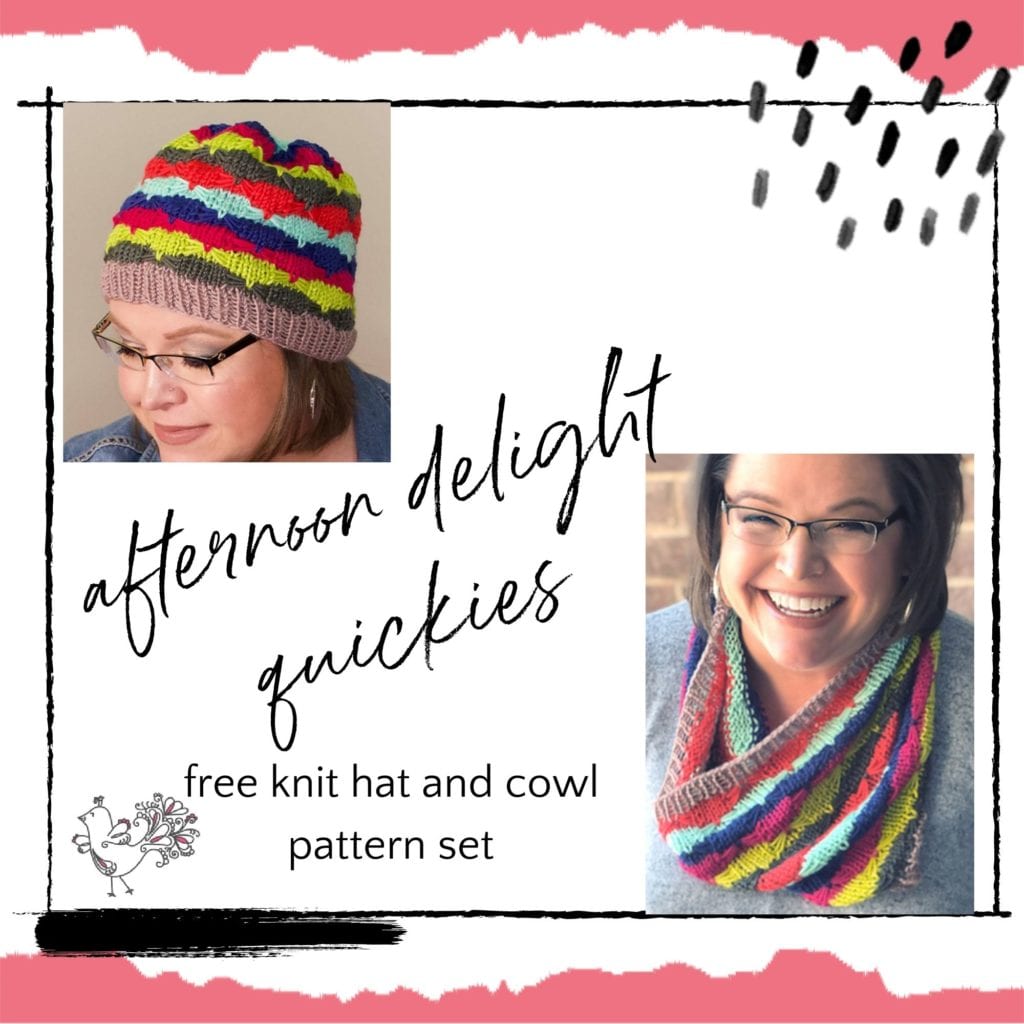
  • Afternoon Delight Quick Knit Hat and Cowl Pattern Set
  • Fair Isle Knit Hat Free Pattern with Latvian Braid

Frequently Asked Questions

What is the honeycomb cable stitch?

The honeycomb cable creates a beautiful interconnected diamond pattern that resembles… well, a honeycomb! It's worked by alternating cable crosses on different stitch groups across rows, creating a fabric where cables weave in and out of each other to form those characteristic hexagonal cells. It's one of the most visually satisfying cable patterns because the all-over geometric texture creates such a cohesive, dramatic fabric. Unlike single prominent cable columns, the honeycomb fills the entire fabric with interlocking structure.

Is the honeycomb cable appropriate for beginner cable knitters?

It's intermediate… a step up from simple individual cables. You should already be comfortable with basic cable crosses (C4F or C4B) before attempting the honeycomb. The challenge with honeycomb is tracking which cables cross on which rows and in which direction, since the pattern alternates the cross direction to create the interlocking effect. The hat pattern in this post is a good first honeycomb project because the smaller scale means you work through the full repeat several times and build the rhythm before you've run out of hat.

Why is a hat a good first honeycomb cable project?

Great reasons! The short circumference of a hat means you see the full honeycomb pattern coming together quickly… you'll see the interlocking diamond cells forming within the first few inches. The commitment is modest… if you hate the technique or make mistakes, you haven't invested weeks. And the finished hat is genuinely beautiful and wearable. By the time you've knitted the full hat, the honeycomb cable rhythm is completely familiar and you're ready to tackle it in a larger project like a sweater panel or scarf.

What yarn shows honeycomb cable best?

Smooth, slightly elastic yarn with excellent stitch definition is essential for cables! Wool and wool blends are traditional and ideal… the natural elasticity allows the cables to look plump and defined rather than flat. The twist and structure of the cable needs to stand up clearly in the fabric, so avoid very soft, drapey fibers that let the cables sink in. Worsted weight is the most common choice for cable hats. Avoid fuzzy yarns that obscure the stitch definition. A classic worsted weight wool or wool-blend gives you the clearest, most satisfying honeycomb result.

How do I keep track of which cable crosses happen on which rows?

A row counter and a printed (or clearly visible) chart are your best tools for honeycomb cables! The alternating cross pattern means you need to track whether you're on a “left cross” or “right cross” round, and which groups of stitches get crossed on each round. Many knitters use a sticky note on the chart to mark their current row. Color-coding with highlighter (left crosses in one color, right in another) helps visually. And stitch markers between cable groups help you find your place if you lose count. Don't rely on memory for honeycomb cables… always know which row you're on.

Filed Under: Chic Sheep by Marly Bird Patterns, Free Patterns, Knitting, Our Free Patterns, Pattern

  • « Previous Page
  • 1
  • …
  • 22
  • 23
  • 24
  • 25
  • 26
  • …
  • 97
  • Next Page »

Let's Be Social

Join the Marly's Minions Facebook group to share, ask questions, or chat about all of your yarn related crafts!

Join the group
Cartoon of a smiling woman with brown hair in a bun, glasses, black jacket and green shirt, waving next to large "hi" text.

Quick Links

The Pattern Shop

Our Free Patterns

Blog

Marly Bird House

Learn to Knit & Crochet

About

Giveaway Terms and Privacy Notice

Find Us Everywhere

Join the Newsletter

YouTube Channel

Marly's Minions FB Group

Etsy Store

Ravelry Store


AN ELITE CAFEMEDIA HOME/DIY PUBLISHER

Information from your device can be used to personalize your ad experience. Do not sell or share my personal information.

Privacy Policy   Terms   Marly Bird Legal Documents Copyright © 2026