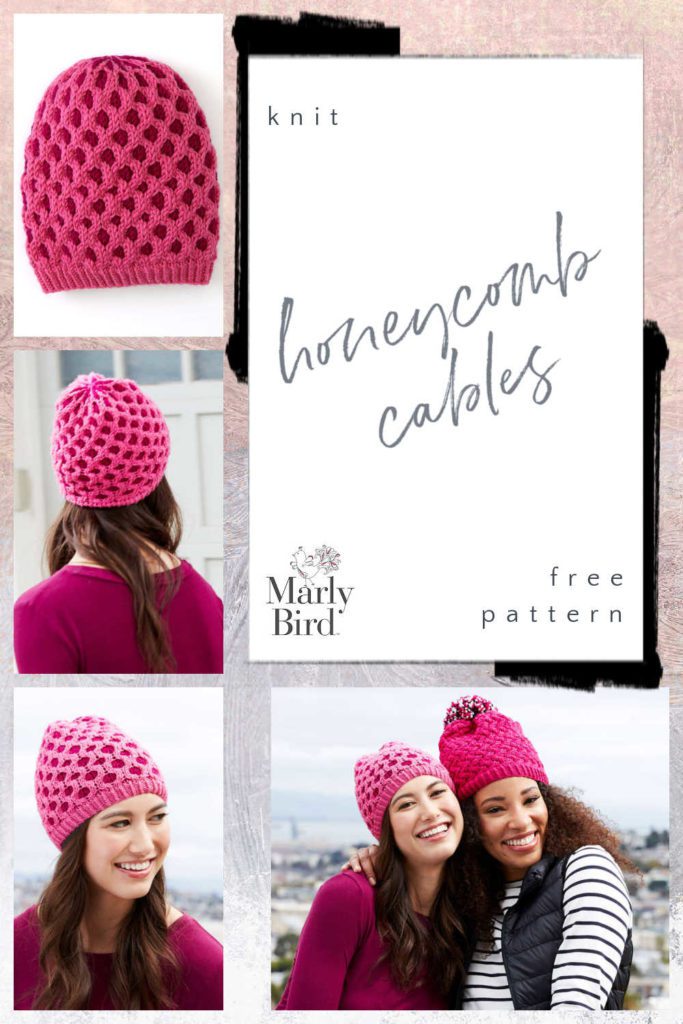
Honeycomb Cable Stitch Free Knit Hat Pattern
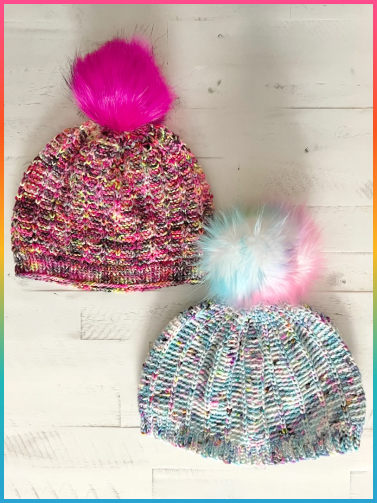
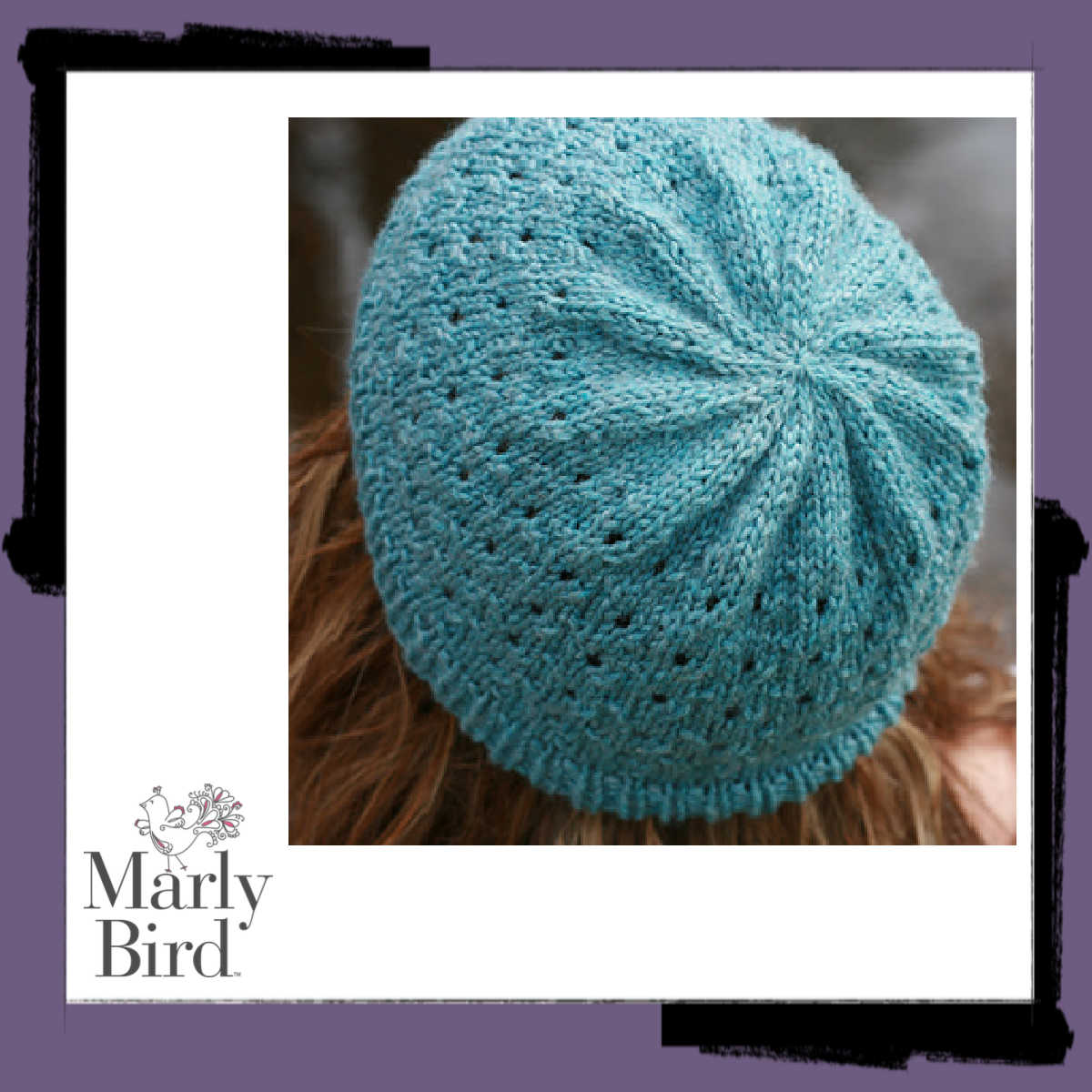
Intermediate knitters can use this free knit hat pattern to learn to integrate the beautiful honeycomb cable stitch with knitting colorwork techniques. The result is an eye-catching two-tone design. You can make it in any combination of colors to celebrate holidays, show school or team spirit, or simply create a beautiful accessory. Moreover, if that's new for you, you'll have so much fun learning the honeycomb cable stitch. A video tutorial supports you if you get lost along the way.
Disclosure: This page may contain affiliate links that help me cover the cost of publishing my blog. Should you choose to make a purchase, at no additional cost to you, I may earn a small percentage of the sale.
About the Capriciously Chic Hat
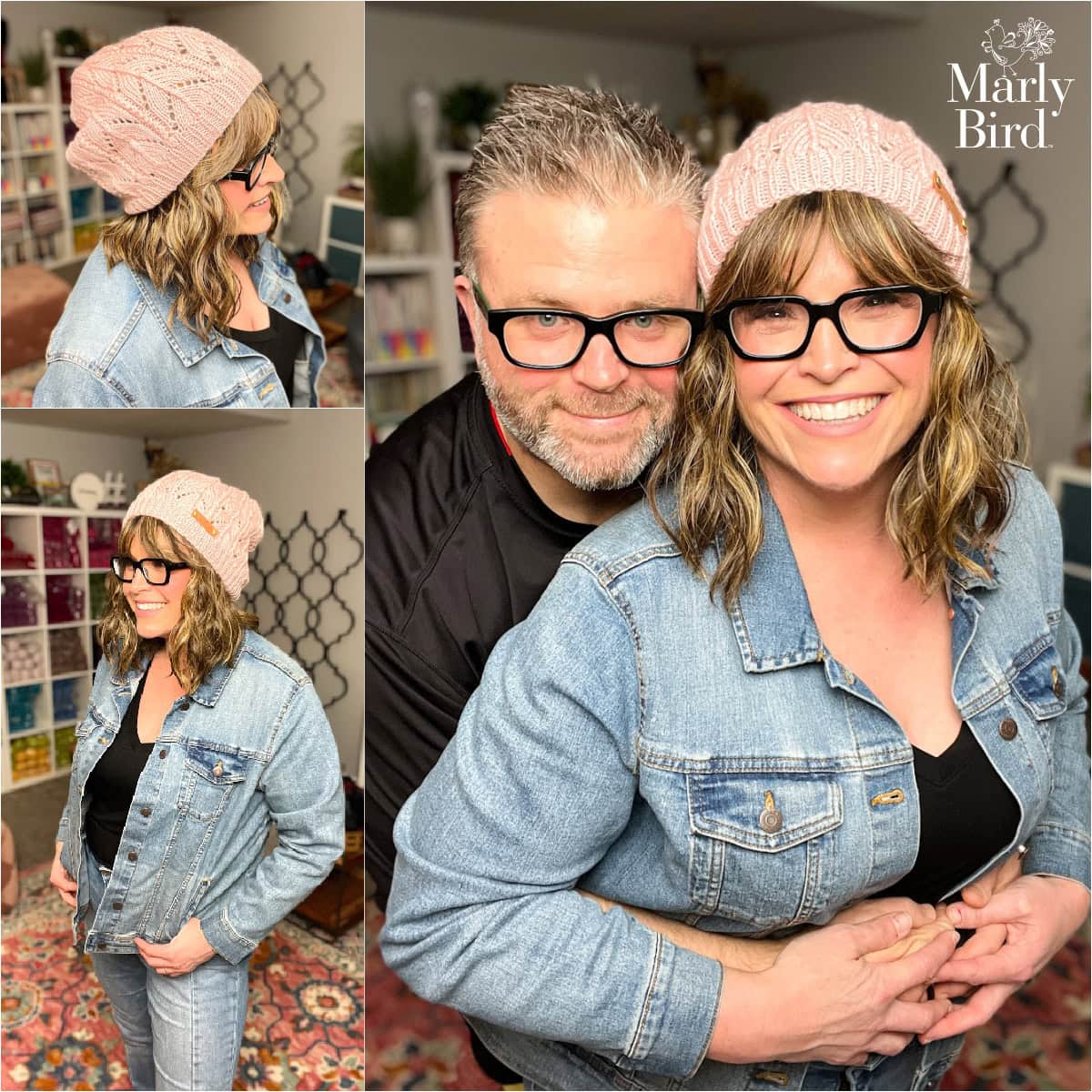
The Capriciously Chic hat is one of the patterns I designed as part of the second collection of Chic Sheep yarn. In other words, I took my knowledge of this yarn and designed a free knit hat pattern to perfectly showcase what I love most about it.
I designed the hat using two colors that are close together to give a two-tone look. I think it's a nice bold choice for an accessory. However, you can pick any two of your favorite colors. Pick something with a high contrast, Alternatively, work the whole thing in one color for a subtle all-over look.
What Is Honeycomb Cable Stitch?
Designed to start at the brim, I switched it up a little and worked a twisted rib brim. After that, we go into the pattern, combining honeycomb cable stitch and fair isle colorwork. The video tutorial, which you'll find below, shows how to work this.
But what exactly is a honeycomb cable stitch? This knit stitch uses very simple cable stitches in a unique manner. The result is a thick, dense, textured design that resembles a honeycomb. The hexagonal repeating pattern makes a powerful impact. Because it's such a dense stitch with a lot of texture but not a lot of drape, honeycomb cable stitch works particularly well for making a thick and cozy knit hat like this one.
Yarn Choice
Chic Sheep, the yarn that I created, is a 100% merino wool yarn. It's so soft and great for warm accessories like hats. I was so sad when my yarn was discontinued. You can still pick some up here and there, so grab it when you can. However, you might also use these alternative choices for this hat:
Capriciously Chic Hat With Honeycomb Cable Stitch: Materials
If you're ready to make this honeycomb cable stitch and fair isle knit hat pattern, then here's what you'll need:
- Yarn used in the sample was discontinued, and the Swish Worsted by WeCrochet / KnitPicks is a great alternative yarn to Chic Sheep Yarn.
- Red Heart® Chic Sheep by Marly Bird™: 1 ball each 5673 Fairy Tale A and 5622 Dragon Fruit B (see note above about yarn)
- Susan Bates® Circular Knitting Needles: 4.5mm [US 7] and 5mm [US 8], 16″ (40.5 cm)
- Susan Bates® Double Pointed Needles: One set 5mm [US 8]
- Cable Needle
- Yarn needle
- Susan Bates® split lock stitch markers
- FREE Capriciously Chic Hat Pattern
- Optional: video tutorial (below)
- Sophisticated Chic Lace Knit Hat Free Pattern
- Afternoon Delight Quick Knit Hat and Cowl Pattern Set
- Fair Isle Knit Hat Free Pattern with Latvian Braid
Get the Capriciously Chic Hat Free Knit Pattern
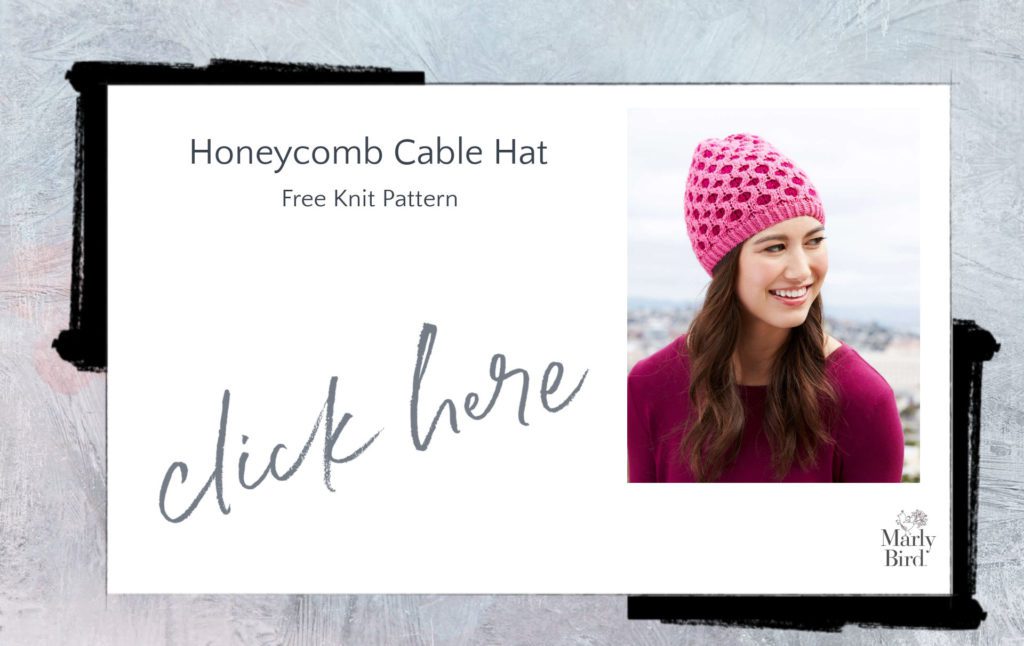
Get the hat pattern here or click the image below:
Honeycomb Cable Stitch: Video Tutorial
Here is the Capriciously Chic Hat video tutorial. This shows you how to work the unique twisted brim as well as the honeycomb cable stitch:
You Might Also Like:
Frequently Asked Questions
What is the honeycomb cable stitch?
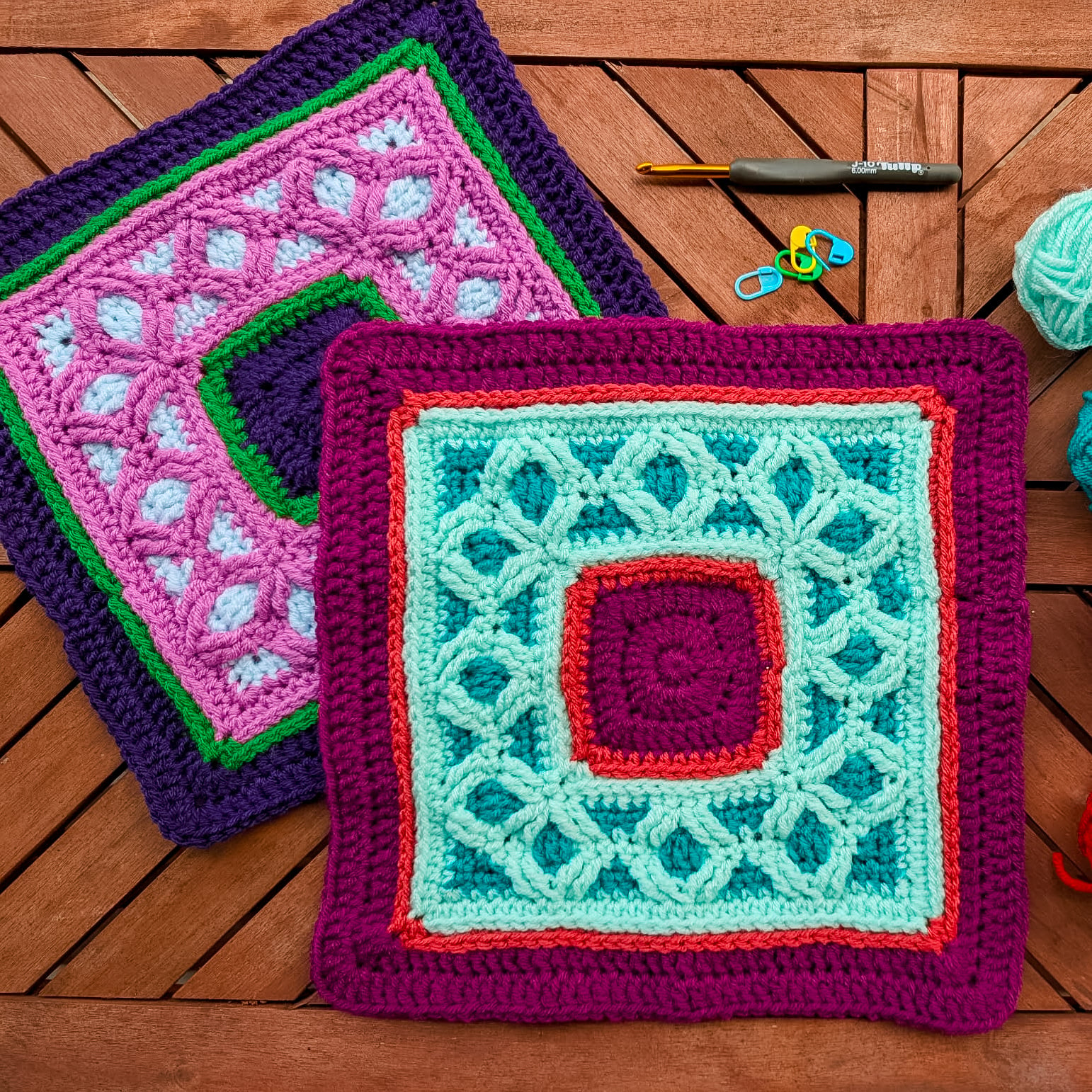
The honeycomb cable creates a beautiful interconnected diamond pattern that resembles… well, a honeycomb! It's worked by alternating cable crosses on different stitch groups across rows, creating a fabric where cables weave in and out of each other to form those characteristic hexagonal cells. It's one of the most visually satisfying cable patterns because the all-over geometric texture creates such a cohesive, dramatic fabric. Unlike single prominent cable columns, the honeycomb fills the entire fabric with interlocking structure.
Is the honeycomb cable appropriate for beginner cable knitters?
It's intermediate… a step up from simple individual cables. You should already be comfortable with basic cable crosses (C4F or C4B) before attempting the honeycomb. The challenge with honeycomb is tracking which cables cross on which rows and in which direction, since the pattern alternates the cross direction to create the interlocking effect. The hat pattern in this post is a good first honeycomb project because the smaller scale means you work through the full repeat several times and build the rhythm before you've run out of hat.
Why is a hat a good first honeycomb cable project?
Great reasons! The short circumference of a hat means you see the full honeycomb pattern coming together quickly… you'll see the interlocking diamond cells forming within the first few inches. The commitment is modest… if you hate the technique or make mistakes, you haven't invested weeks. And the finished hat is genuinely beautiful and wearable. By the time you've knitted the full hat, the honeycomb cable rhythm is completely familiar and you're ready to tackle it in a larger project like a sweater panel or scarf.
What yarn shows honeycomb cable best?
Smooth, slightly elastic yarn with excellent stitch definition is essential for cables! Wool and wool blends are traditional and ideal… the natural elasticity allows the cables to look plump and defined rather than flat. The twist and structure of the cable needs to stand up clearly in the fabric, so avoid very soft, drapey fibers that let the cables sink in. Worsted weight is the most common choice for cable hats. Avoid fuzzy yarns that obscure the stitch definition. A classic worsted weight wool or wool-blend gives you the clearest, most satisfying honeycomb result.
How do I keep track of which cable crosses happen on which rows?
A row counter and a printed (or clearly visible) chart are your best tools for honeycomb cables! The alternating cross pattern means you need to track whether you're on a “left cross” or “right cross” round, and which groups of stitches get crossed on each round. Many knitters use a sticky note on the chart to mark their current row. Color-coding with highlighter (left crosses in one color, right in another) helps visually. And stitch markers between cable groups help you find your place if you lose count. Don't rely on memory for honeycomb cables… always know which row you're on.
Categories: Chic Sheep by Marly Bird Patterns, Free Patterns, Knitting, Our Free Patterns, Pattern