Free Textured Crochet Patterns
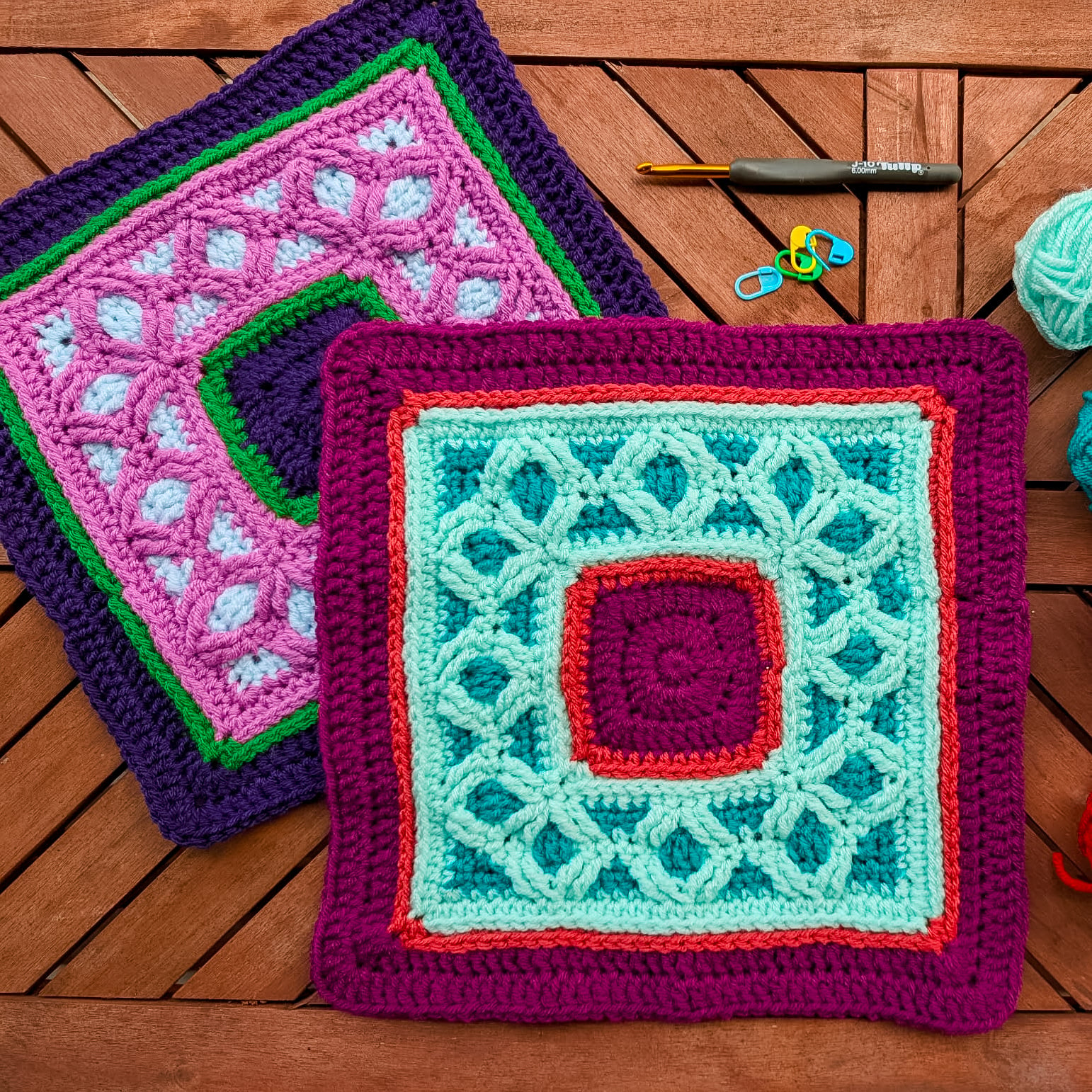
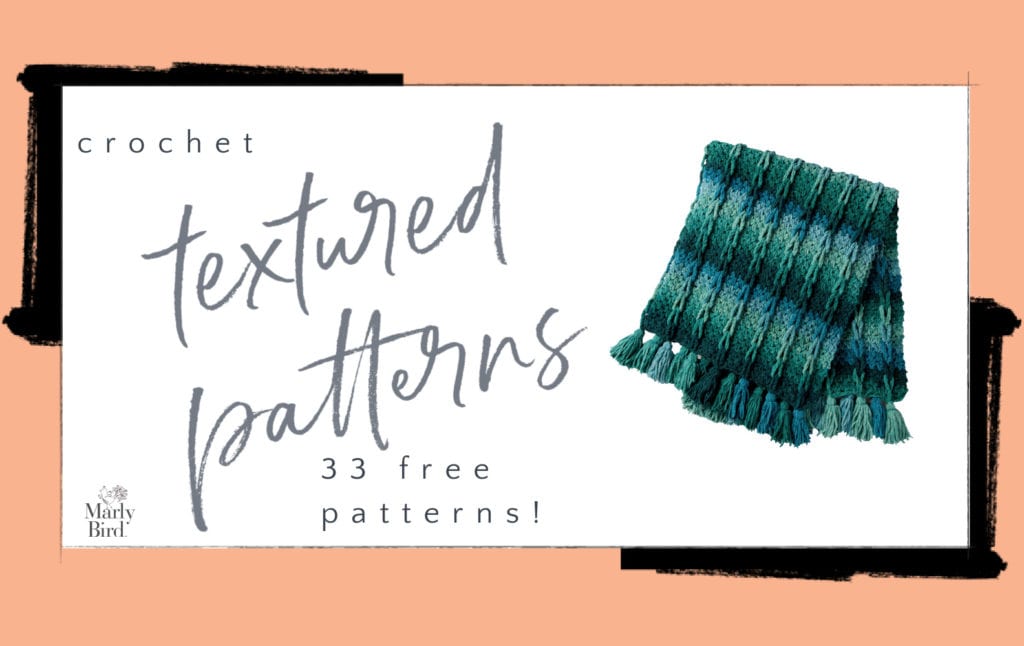
Textured patterns are any patterns that aren't smooth. There are many ways to create textured patterns, but they all involve varying the type of stitch you do. Bobbles and popcorns are common ways to add texture: they make little balls on the surface of your fabric. Post stitches, which are used in crochet cable patterns, are another option. You can also do all over textured such as seed stitch.
Additionally, textured patterns are fun to crochet! You can expand your skills when you stitch them, and have something interesting to touch when you're done. Textures are a great way to add interest to a project in a single color of yarn. Solid colors help the textures stand out.
Below are free crochet texture patterns from some of your favorite bloggers and from Yarnspirations. They're all ready for you to download and get stitching!
Textured Patterns to Wear
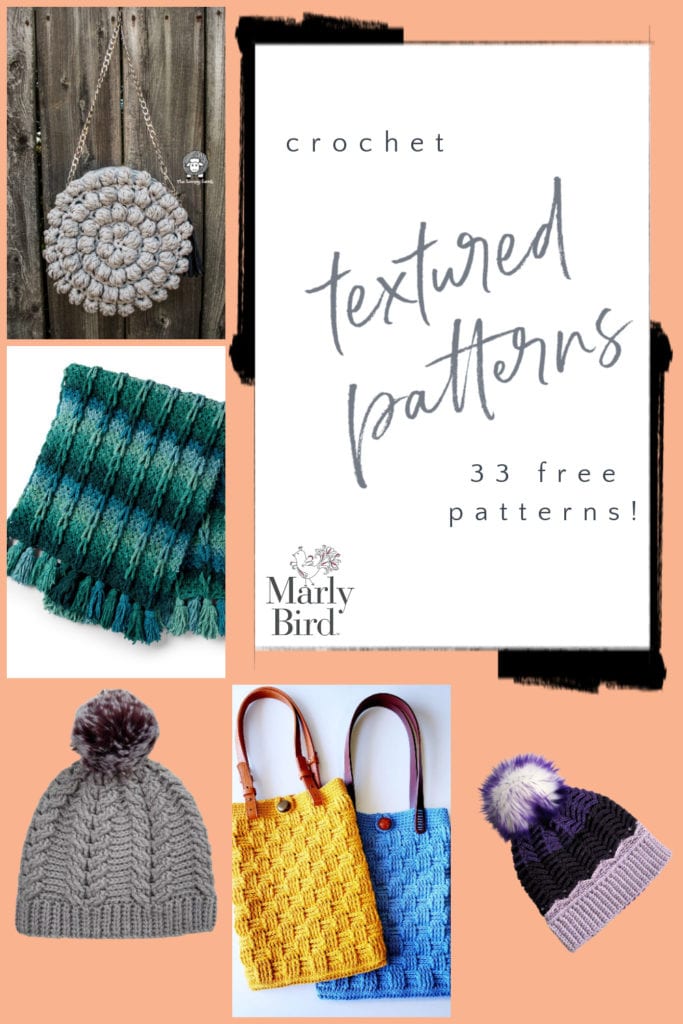
Hats and scarves are great for texture! Make a beanie pop with rows of post stitches, or have bobbles all over a scarf.
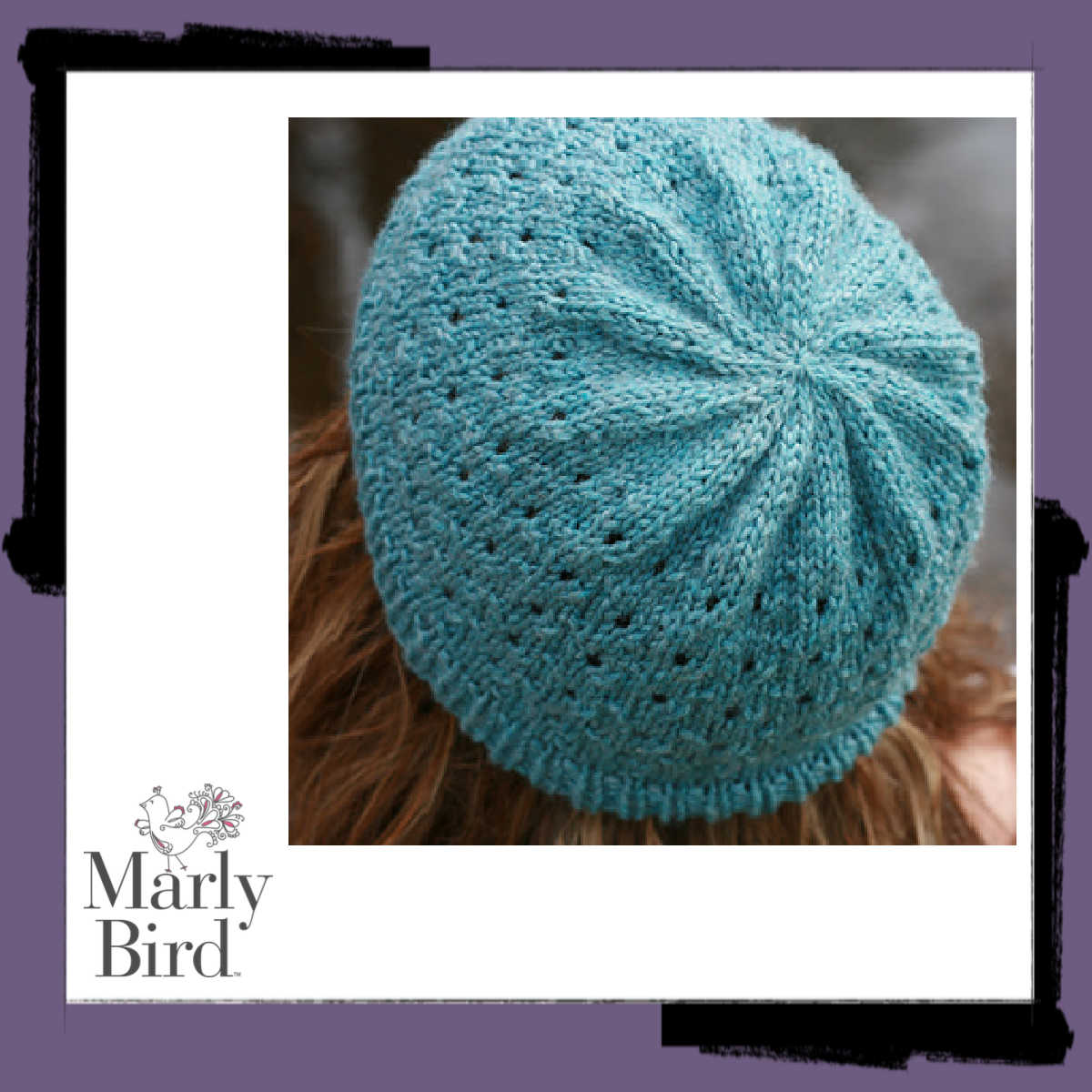
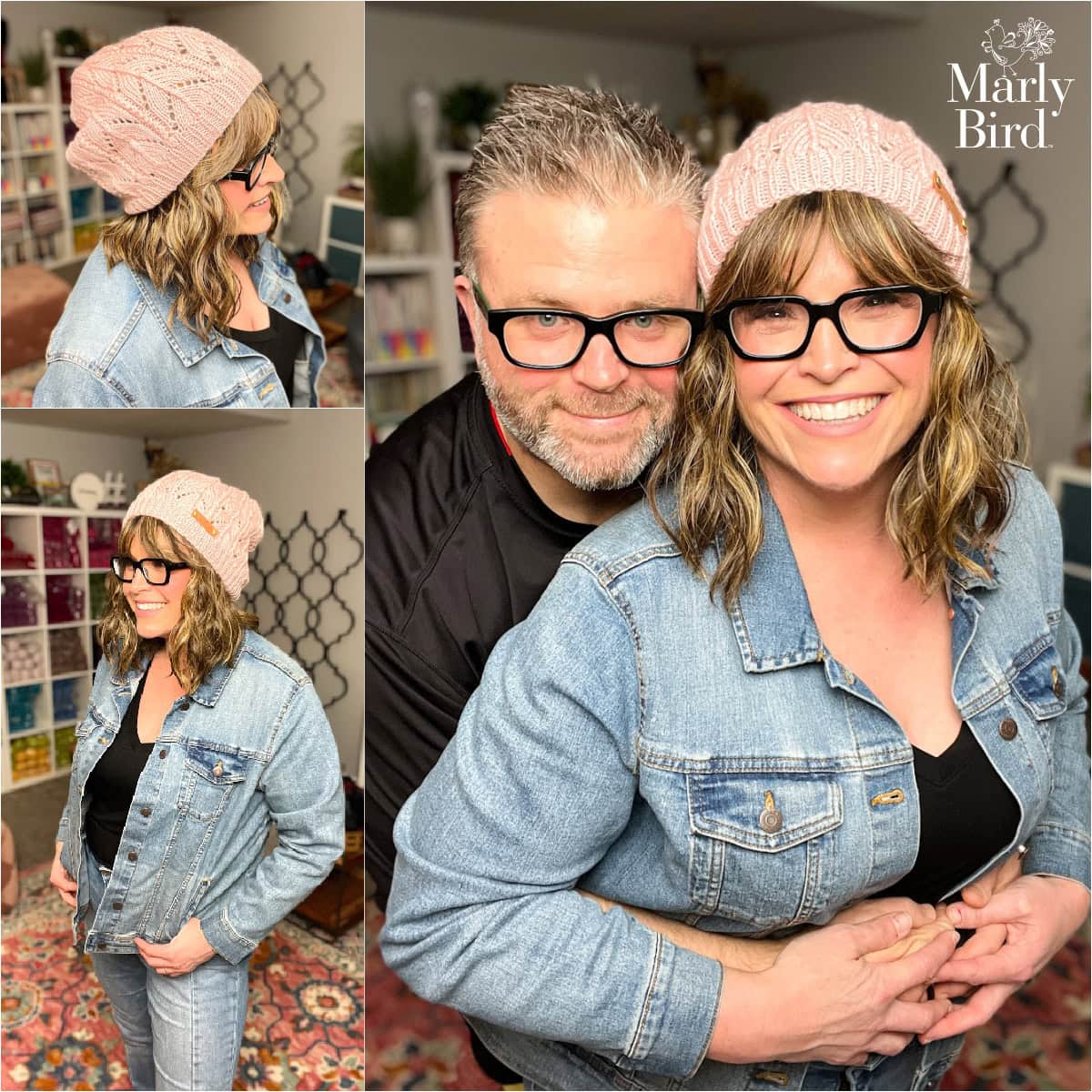
- Wings of Hope Hat by Marly Bird
- The Heather Super Scarf by The Loopy Lamb
- Jelly Beanie by Loops and Love Crochet
- Bold Lines Beanie by The Purple Poncho
- Winter Rays Hat by Ned & Mimi
- Edgewater Hat by Two Brothers Blankets
- Pineapple & Pine Headband by A Plush Pineapple
- Sheridan Ridge Slouchy Hat by Through The Loop Yarn Craft
- Chic Cable Beanie by My Hobby is Crochet
- Crochet Hat with Bobbles by Marly Bird
- Twisted Bliss Pocket Scarf by Twisted Crochet
- The Sideways Jumper by Blue Star Crochet
- Autumn Crunch Fingerless Gloves by Pine Tree Crochet
- Chunky Textured Pocket Scarf by Hooked On Patterns
- Avery Hat by Edie Eckman
- Scrap Yarn Scarf by Noors Knits
Textured Items for Your Home
Blankets and pillows are common items to add texture to. Using textured stitches means you'll want to display them front and center in your living area. Texture on other items, such as bags or a trivet, add an unusual twist that will delight those who see it.
- Bobble Chevron Striped Crochet Blanket by Yarnspirations
- Tunisian Crochet Beehive Baby Blanket by Raffamusa Designs
- Bobbleberry Washcloth by Emma Wilkinson Designs
- Mock Cable Crochet Blanket by Yarnspirations
- Misty Morning Throw by The Graceful Tangle
- Fidget/Sensory Blanket by Loopingly Made
- Textured Life Crochet Blanket by Yarnspirations
- Leaf Wiggle Trivet by Moogly
- Yarn Ball Stress Reliever by Blackstone Designs
- Bobbly Fringe Crochet Blanket by Yarnspirations
- Laptop Bag by Handmade by Raine
- Checkerboard Textures Throw by Yarnspirations
- Blooming Granny Square Baby Afghan by Marly Bird
- Loop Stitch Chevron Crochet Pillow by Yarnspirations
- The Bobblelicious Bag by The Loopy Lamb
- Bobble-Licious Pillows by Yarnspirations
Also on the Blog
- 14 Seed Stitch Patterns: Texture in Both Knitting and Crochet
- Marly Bird Feature in Happily Hooked Magazine PLUS 5 FREE Textured Crochet Patterns
- 17 Free Ribbed Patterns to Crochet and Knit
- 11 Free Crochet Cable Patterns
- 10 Free Knit and Crochet Bobble Patterns
Frequently Asked Questions
What makes a crochet pattern “textured”?
Textured crochet patterns create dimensional, raised, or tactile surface effects rather than flat, uniform fabric. Texture comes from combining different stitch heights (mixing single and double crochet), using post stitches (front and back post work) to create raised ridges, working into different loops (third loop for hdc, back loop only), or using special stitches like bobbles, puff stitches, popcorns, and cluster stitches that create raised bumps. The result is fabric with visual depth and a wonderful tactile quality that's beautiful to touch and wear.
What are the most popular textured crochet stitches?
Bobble stitch creates satisfying round bumps. Puff stitch makes softer, rounder texture. Popcorn stitch stands up dramatically from the fabric. Shell stitch creates wave-like scalloped texture. Broomstick lace creates large loop-based texture. Crocodile stitch creates scale-like overlapping triangles. Basketweave using post stitches creates a woven look. The seed stitch alternates heights for a pebbled texture. Each stitch creates very different visual and tactile results… exploring them is one of the most fun parts of developing your crochet skills.
Are textured stitches harder than basic stitches?
Some are and some aren't! Simple textured stitches like seed stitch or the half double crochet in the third loop are accessible for advanced beginners. Bobbles and puffs are intermediate… they require working multiple partial stitches and closing them together, which takes a bit of practice. Complex stitches like crocodile scale stitch or broomstick lace are more advanced. The good news is that textured stitches usually work in regular repeating patterns… once you learn one repeat, you understand the whole pattern. They look harder than they are!
What projects benefit most from texture?
Blankets love texture… it creates visual interest across a large surface area that would be boring in plain single crochet. Bags in textured stitches are eye-catching and show off the craftsmanship. Garment accents and accessories use texture for visual interest and to highlight specific design elements. Baby items often use soft textural stitches for a cozy, interesting surface. Home decor items… pillow covers, baskets, pot holders… all benefit from texture that makes them more interesting than mass-produced equivalents. Basically, any project you want to elevate beyond the ordinary is a candidate for textural interest.
How do textured stitches affect yarn requirements?
Textured stitches generally use MORE yarn than plain stitches! Bobbles, puffs, and popcorns pack multiple partial stitches into one stitch's space… all that extra yarn creates the raised texture. Post stitches wrap around existing stitches rather than adding new ones, so they don't dramatically change yardage. As a rough estimate: a project in bobble stitch might use 15 to 25% more yarn than the same project in plain double crochet. When substituting textures in a pattern, buy extra yarn to accommodate this. When a pattern specifies a textured stitch, its yardage calculation already accounts for the extra usage.
Categories: Free Patterns, Round Ups