Crochet Stitch Dictionary-learn 200 stitches
Stitch dictionaries, whether for crochet or knitting, are a great staple in all of our home libraries. This is a great place to turn when you need to add a border to a project or if you are feeling ambitious and want to design something for yourself. Looking for your first, or next, crochet stitch dictionary then check out this new book by Tracey Todhunter.

*This post contains affiliate links. By clicking one of these links and making a purchase a small portion of that purchase will go to support the blog. The price that you pay does not change. The small commission I make allows me to keep bringing you free patterns like this. Thank you for your continued support.*
Why a Crochet Stitch Dictionary:
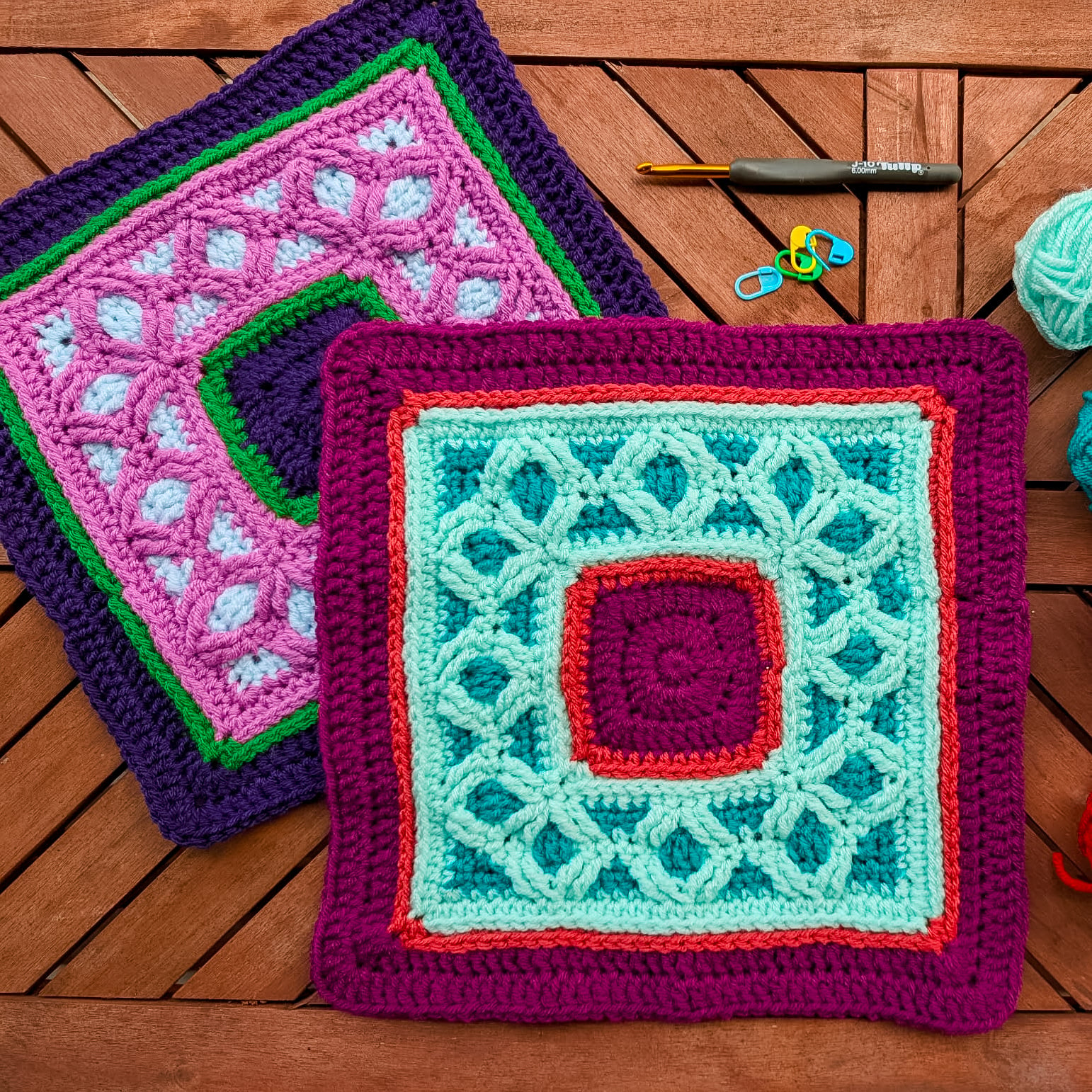
Stitch dictionaries offer you something different from regular pattern books. In most cases, there are some exceptions, there aren't any patterns in the book. You will find that the book is made up of swatch images, directions and usually charts.
The biggest benefit of stitch dictionaries, in my opinion, is that you have a chart for each of the stitch patterns. You may wonder how a ‘regular' crocheter can use a stitch dictionary or question if they are really only for designers. The answer is that everyone can use a stitch dictionary and they are a great addition to your personal library.

Stitch Dictionaries for Designers:
If you are considering starting to work up your own designs a stitch dictionary can be your best friend. Inside you will find a plethora of ideas along with the important details about the stitch pattern.
For example, in this book (200 Crochet Stitches), you will find that each stitch comes with a brief description, the multiple of the stitch, as well as the directions and chart for the stitch. This is a great starting point when designing.

Making it easier to find the stitch patterns in this book the author, Tracey Todhunter, has separated the stitches into sections. Within the book you will find the following categories.
- Fans & Shells
- Bobbles & Custers
- Spikes
- Relief Stitches
- Mesh & Filet
- Waves
- Crossed Stitches
- Decorative Stitches & More
Stitch Dictionaries for the Hobby Crocheter:
Not a designer? That is okay, stitch dictionaries are still useful for you as well. I love the section in the book that talks about borders. Sometimes you will be working on a pattern but not love the board. This gives you an opportunity to change things up a little and get what you want.
Stitch dictionaries are also helpful when you are trying to learn a new stitch. You can look through the book to get a different way of explaining the stitch and test it out.

Another great way to use a stitch dictionary is to use it for practice. We are always improving our skills as a crocheter and sitting down with a stitch dictionary is a great way to get more practice and learn new stitches.
Don't think that because you aren't a designer that stitch dictionaries aren't helpful. There is so much that you can learn from them and they typically all include a section in the back to teach you how to make stitches, change colors, read charts and more.
Purchase 200 Crochet Stitches:
Grab a copy of 200 Crochet Stitches for yourself and expand your library.
Also on the Blog:
- Yarn Thing Podcast
- 10 FREE Crochet Valentine Patterns
- Video Tutorial and FREE Pattern for the Long Crochet Cardigan
Frequently Asked Questions
What is a crochet stitch dictionary?
A stitch dictionary is a reference book (or resource) that catalogs a large collection of crochet stitch patterns, each with written instructions, a chart/diagram, and often a photo of the stitch in action. Think of it like a vocabulary book for crochet… each “entry” is a different stitch you can learn and incorporate into your projects. The stitch dictionaries referenced in this post contain 200 stitches, giving you an enormous repertoire to draw from when designing or modifying patterns.
Why would I need 200 crochet stitches?
You probably don't need all 200 at once! But having a large stitch dictionary is incredibly useful for design inspiration, problem-solving, and expanding your skills gradually over time. If you're creating your own patterns, a comprehensive stitch dictionary lets you browse for textures that would work for your project. If you're modifying an existing pattern, you might find a more suitable stitch than what was specified. And there's genuine joy in leafing through a stitch dictionary and thinking “ooh, I want to try that!”
What's the best way to learn from a stitch dictionary?
Don't try to learn all 200 at once! Dip in strategically. When starting a new project, browse the relevant sections (texture stitches for a blanket, lace for a shawl). When you see a stitch that catches your eye, make a small swatch to practice it before using it in a full project. Organize your favorites with sticky notes or bookmarks. Some crafters work through a dictionary systematically, making one swatch per stitch, which is a wonderful structured way to build technique. The dictionary is a resource to return to repeatedly, not a book to read once.
Are crochet stitch dictionaries available online for free?
Many stitch tutorials are available online for free! Marly Bird's own crochet definitions section on the blog is a reference resource. Ravelry has technique wikis. YouTube has video tutorials for hundreds of individual stitches. If you want a book specifically, good stitch dictionary books provide curated, well-photographed, and well-tested collections that go far beyond random online results. Both resources have value… free online tutorials for learning specific stitches, physical books for browsing and inspiration.
What are the most useful sections of a crochet stitch dictionary?
The texture stitches section (bobbles, puffs, post stitches) for blankets and home goods. Lace and openwork for shawls and summer garments. Colorwork stitches for accessories and garments with visual interest. Edging patterns for finishing any project beautifully. Basic stitch variations (the many ways to work into different loops or positions) for expanding your fundamental toolkit. Shell and cluster variations for beautiful wave-based patterns. Whichever category you gravitate toward in your making, that section will pay for the book on its own.
Categories: Product Reviews