Yarn Weight Chart + Recommended Yarns for Each Weight
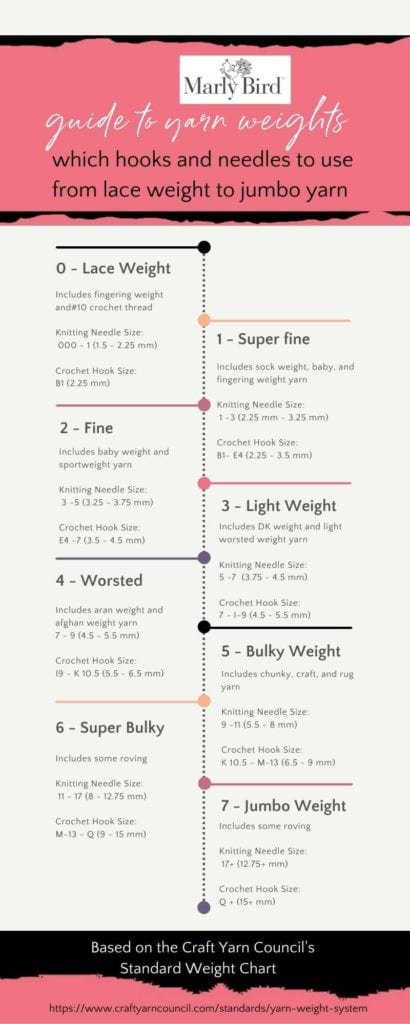
There are many different features to each yarn including the fiber and the color. However, one of the most important features to know is the yarn weight. There are seven different yarn weights, ranging from 0 (lace) to 7 (jumbo). Generally speaking, you use a certain size of crochet hook or knitting needle with each yarn weight. Here is a basic yarn weight chart to guide you in choosing the right hook and needle sizes for your projects. Below that you'll find examples for each of them.
Note: This post contains affiliate links. I get a percentage of sales made from those links. Your price doesn't change. I appreciate your support.
Basic Yarn Weight Chart
Popular Yarns For Each Yarn Weight
Here are some examples of popular yarns in each yarn weight.
Popular Options for 0 – Lace
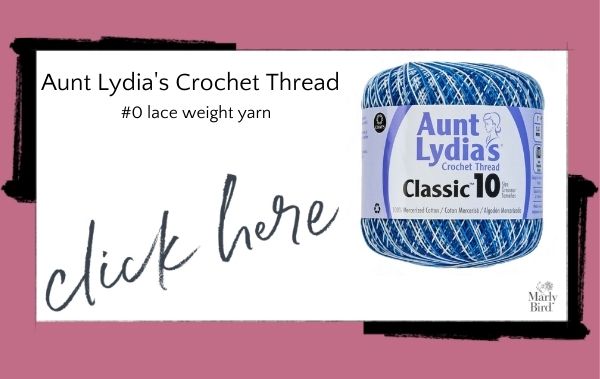
Crochet thread is labeled differently than yarn weights. A #10 crochet thread is comparable to a #0 lace weight yarn. Check out the metallic version of Aunt Lydia's too. There's also Red Heart Classic Crochet Thread.
Looking for something more special? Check out Darn Good Yarn's Silk Fingering Weight Yarn. There's an ombre version too.
Popular Options for 1 – Super Fine
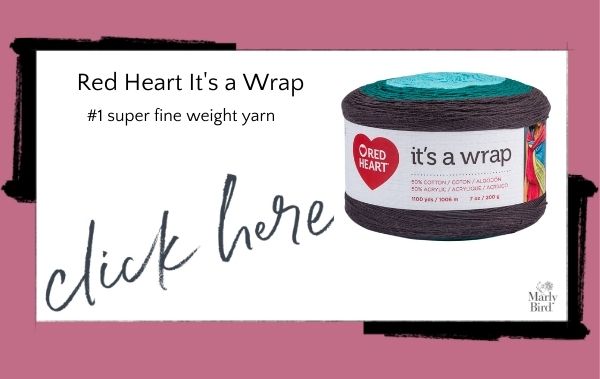
Red Heart It's a Wrap is an acrylic-cotton blend that's easy to work with. Other good super fine yarns include:
- Patons Kroy Sock Yarn
- Mulberry Silk Fingering Weight from Darn Good Yarn
- Red Heart Amigurumi Yarn
- Malabrigo Sock Yarn
- Malabrigo Mechita
- Sugar Bush Drizzle
- Red Heart Croquette
- Atma Prema Super Wash Wool
- Bernat Baby Yarn
Popular Options for 2 – Fine
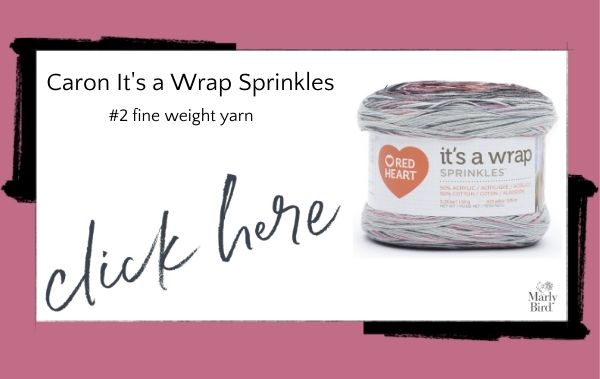
Caron It's a Wrap Sprinkles Yarn is one of our Top 7 Affordable Yarns That Give a Lot of Bang for Their Buck. Here are some other good choices for #2 yarn:
- Sugar Bush Bliss
- Sari Silk Handspun Yarn
- Red Heart It's a Wrap Hues
- Darn Good Yarn Sport Weight Silk
- Single Ply Hemp Yarn
- Bhakti Superwash Wool
Popular Options for 3 – Light Weight Yarn
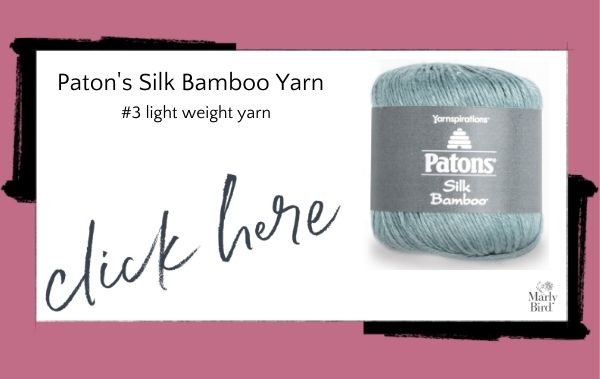
If you are seeking luxury yarns without a luxury price then try Paton's Silk Bamboo Yarn. Here are some other good #3 lightweight / DK weight yarns:
- Bernat Softee Cotton
- Malabrigo Caprino
- Waves of Cotton
- Cabot Yarn
- Patons Grace
- Snuggle Buggle
- Recycled Silk DK by Darn Good Yarn
- Red Heart Fashion Soft
- Patons DK Superwash
- Sugar Bush Crisp
- Patons Hempster
- Caron Cupcakes
Popular Options for 4 – Worsted
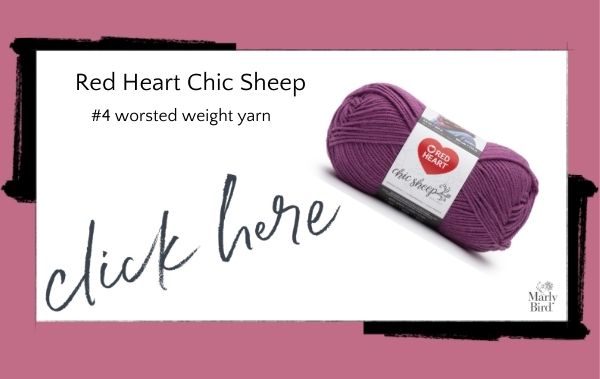
Obviously my favorite worsted weight yarn is Chic Sheep. But of course worsted is probably the most popular yarn weight for patterns, especially crochet patterns. Therefore, there are a lot of good yarn choices in this category. Some other terrific options include:
- Darn Good Yarn Worsted Silk
- Red Heart Super Saver including Stripes and Ombre
- Red Heart With Love
- Caron Simply Soft
- Lily Sugar ‘n Cream
- Bernat Super Value Yarn
- Kaleidoscope Banana Fiber
- Macrame Yarn
- Red Heart Fleece Hugs
- Bernat Satin Sparkle
- Red Heart Unforgettable
- Red Heart With Love Metallic
- Caron Cotton Cakes
- Red Heart Hello Gorgeous
- Red Heart Comfort
- Bernat Handicrafter
- Red Heart Soft Baby Steps
- Hygge Charm
- Patons Classic Wool
- Red Heart Scrubby
- Sugar Bush Bold
Popular Options for 5 – Bulky
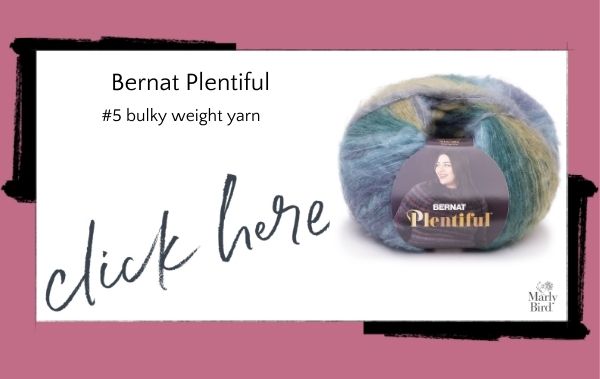
Bernat Plentiful is unique because it's a lightweight brushed wool blend but it's still a thick #5 bulky yarn. Some other good bulky weight yarns include:
- Caron Latte Cakes
- Meringue Chunky Acrylic
- Red Heart Hygge
- Hygge Fur
- Malabrigo Mecha
- Windswept Sari Ribbon Yarn
- Patons Alpaca Blend
- Red Heart Dreamy
- Bernat Freesia Yarn
- Patons Lincoln Fog
- Red Heart Reflective
- Bernat Symphony
- Roll With It Melange
Popular Options for 6 – Super Bulky
Check out our previous roundup of 20 best super bulky and jumbo weight yarns for more options.
Also check out 10 things to do with super bulky yarn.
Popular Options for 7 – Jumbo
Check out our previous roundup of 20 best super bulky and jumbo weight yarns for more options.
Frequently Asked Questions
What do the yarn weight numbers mean?
So the Craft Yarn Council uses a numbering system from 0 to 7 to categorize yarn thickness. 0 is lace (super thin, think doilies and delicate shawls) and 7 is jumbo (that big chunky stuff you can arm knit with). The most common weights you'll see are 3 (DK), 4 (worsted), and 5 (bulky). Each number corresponds to a recommended hook or needle size range… but those are guidelines, not rules. Your gauge is what actually matters.
Can I substitute one yarn weight for another in a pattern?
You can… but it changes everything! Going up a weight makes the project bigger and denser. Going down makes it smaller and more delicate. If you substitute, you'll need to adjust your hook or needle size and recalculate how much yarn you need. For things like shawls and scarves where exact size doesn't matter as much, substituting is easier. For fitted garments, you really need to swatch and do the math. It's doable… just go in with your eyes open.
What's the most popular yarn weight for beginners?
Worsted weight (#4) is the sweet spot for beginners… and honestly, for a lot of experienced crafters too! The stitches are big enough to see clearly, it works up at a nice pace, and there are SO many patterns available in worsted weight. It's the most commonly used yarn weight by far. If you're just starting out, grab a smooth worsted weight acrylic and a size H/8 crochet hook or size 8 knitting needles and you're ready to go.
How do I know what yarn weight a pattern calls for?
Every pattern should list the yarn weight, usually right in the materials section. Look for the number (0 through 7) or the name (lace, fingering, sport, DK, worsted, bulky, super bulky, jumbo). The pattern will also list a specific yarn brand and name… if you look up that yarn, you can see its weight category. And the recommended hook or needle size is another clue. When in doubt, check the yarn label… that little skein symbol with the number tells you everything.
What's the difference between DK and worsted weight yarn?
They're neighbors on the weight chart but they do feel different! DK (weight #3) is a little thinner and lighter than worsted (weight #4). DK gives you a fabric with more drape and finer stitch definition… it's popular for garments, baby items, and lightweight accessories. Worsted is thicker, works up faster, and creates a sturdier fabric… great for blankets, hats, and everyday projects. Some patterns specify “light worsted” which falls right between the two. Just check your gauge and you'll be fine either way.