Swiss House Tunisian Crochet Hat — Free Colorwork Hat Pattern
Originally published September 2025 · Updated October 2026 with full framework refresh, enhanced structure, and comprehensive SEO optimization.
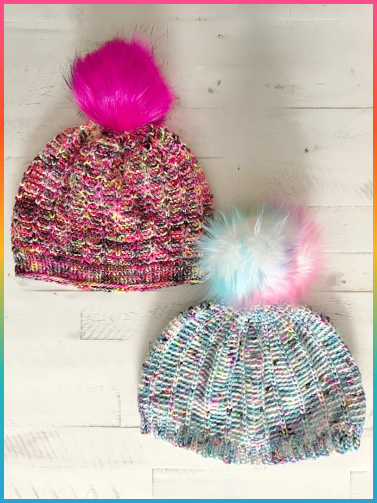
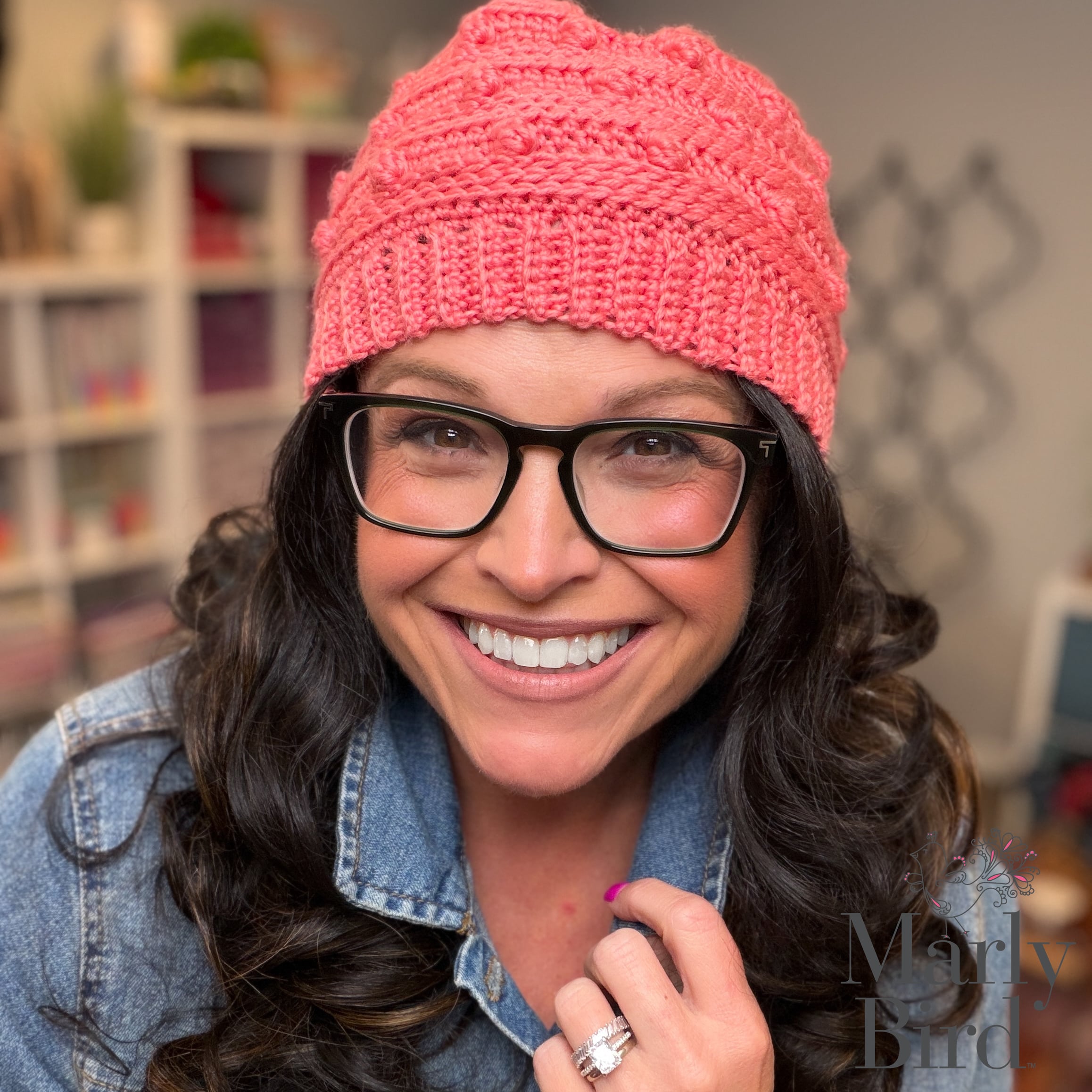
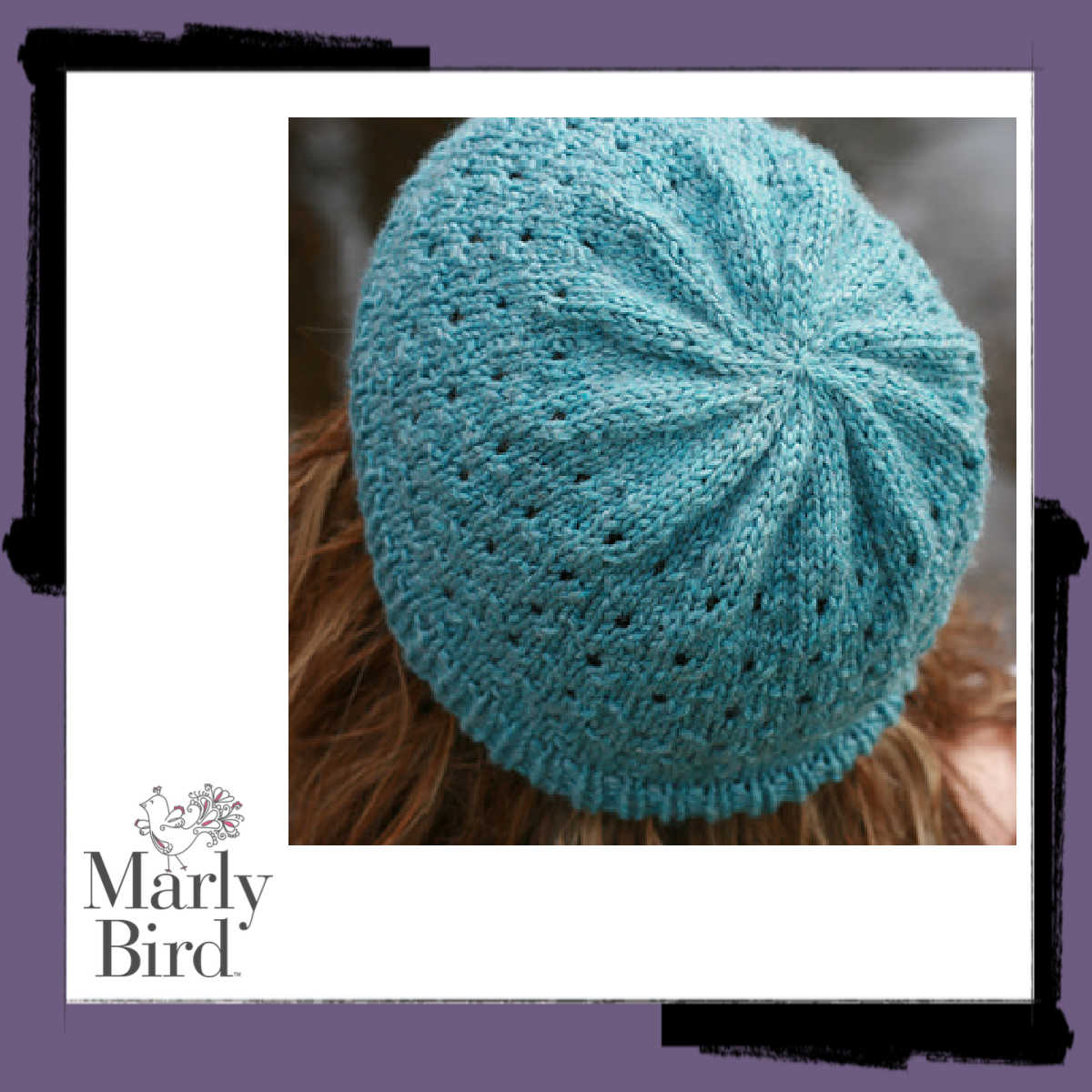
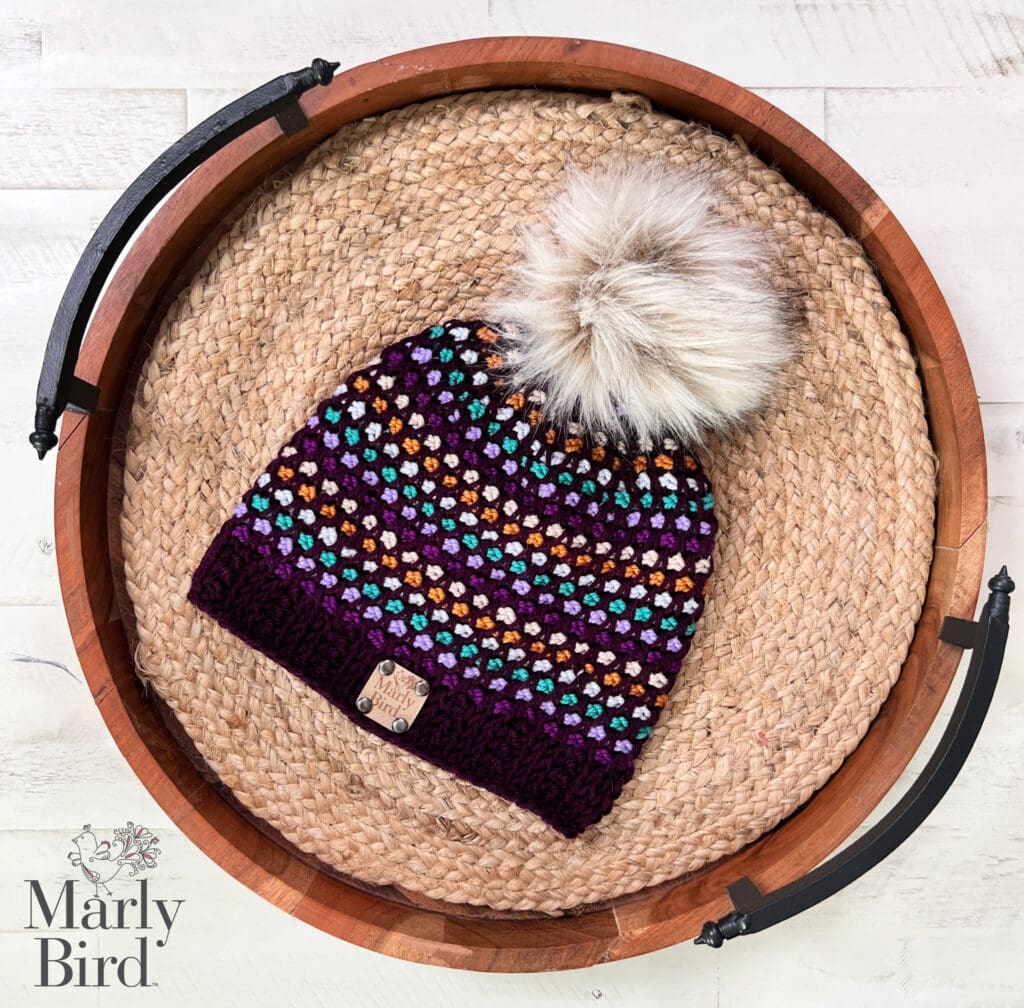
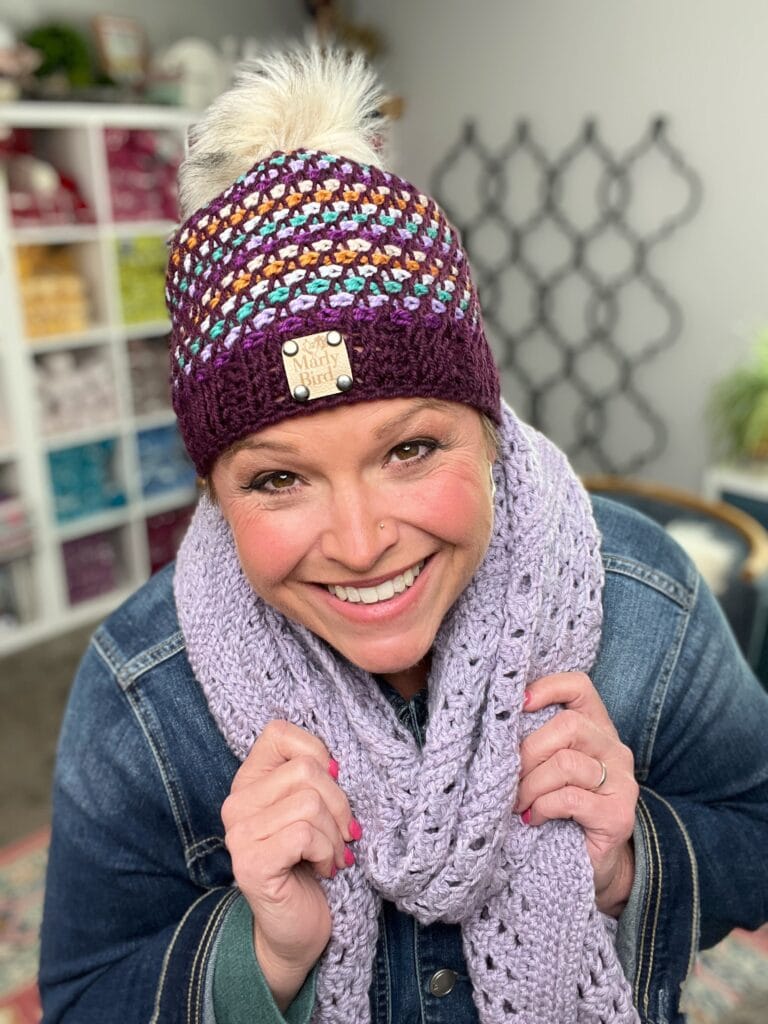
The Swiss House Tunisian Crochet Hat is a free pattern designed by Robyn Chachula for MarlyBird.com, available as an ad-free PDF on Etsy, Shopify, and Ravelry. Worked in the round in five sizes (Child through Adult XL), it features Tunisian Simple, Knit, and Reverse stitches in up to seven colors of WeCrochet Twill for a bold, textured colorwork beanie that looks knit but crochets faster.
⚡ The Swiss House Tunisian Crochet Hat is a free Adventurous Beginner pattern by Robyn Chachula that makes colorwork Tunisian crochet totally approachable. Worked in a continuous spiral in the round with up to seven colors, it comes in five sizes and looks stunning whether you use two colors or all seven… the stitch pattern does all the work. Grab the free pattern below, or snag the ad-free PDF for uninterrupted crocheting!
Hey, BiCrafty Bestie 💛 If you've been itching to try Tunisian crochet in the round, the Swiss House Tunisian Hat is the perfect project to pick up your hook and dive in. Designed by the talented Robyn Chachula, this color-packed hat combines Tunisian Simple Stitch (TSS), Knit Stitch (TKS), and Reverse Stitch (TRS) with clever decreases to create a warm, textured fabric that looks like it came straight from a boutique ski lodge in the Swiss Alps. ⛷️
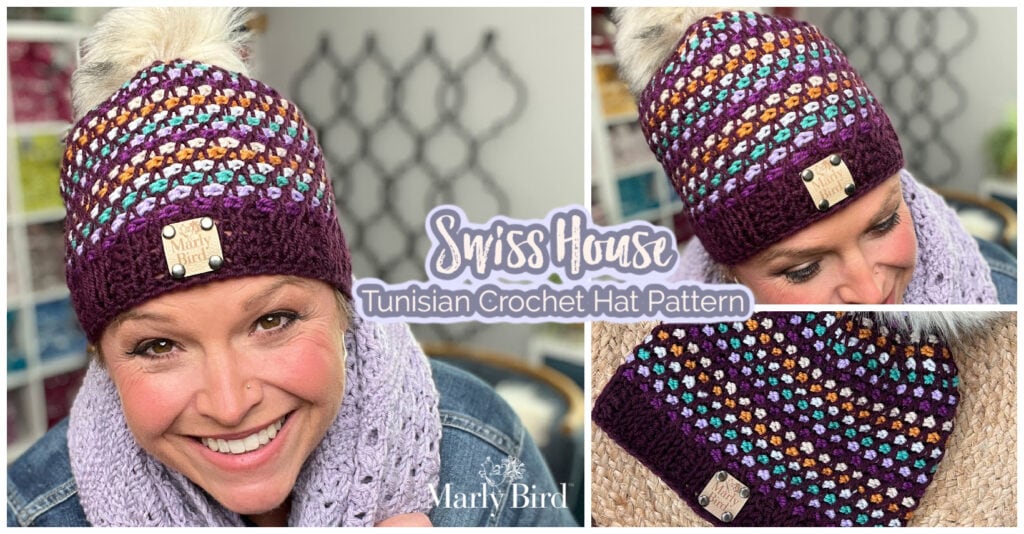
What You Will Love About the Swiss House Tunisian Crochet Hat 💖
🌸 Five sizes and infinite color possibilities make this hat truly everyone's. Worked in Child, Adult S, M, L, and XL, you can customize the palette from a single solid color to seven jewel tones, so everyone finds their perfect fit and every stash gets some love.
🧶 Tunisian stitches that look knit but crochet faster. The mix of TSS, TKS, and TRS creates a textured, knit-like fabric that has people saying, “Wait, you crocheted that?!” The spiral construction means no seams, and the density of Tunisian work means this hat will hold its shape year after year.
🎁 Seamless crown shaping and gift-ready results every time. Robyn's spiral decrease technique creates a crown that tapers smoothly without stacking or bulk, so every size comes off the hook looking polished and professional—the kind of hat people actually want to wear.
💙 A genuine learning project, not a tutorial disguise. You'll come away knowing how to work Tunisian crochet in a continuous spiral, manage color changes with a double-ended hook, and shape a crown that decreases smoothly without stacking—skills that open up a whole new category of patterns.
Is the Swiss House Tunisian Crochet Hat Right for You?
✅ You're curious about Tunisian crochet and want a finished object that shows it off right away. This hat is the perfect confidence-builder for spiral-round work.
✅ You love colorwork but don't want to manage floats or intarsia. Tunisian in the round handles color changes beautifully without the baggage of traditional stranded colorwork.
✅ You want a wearable, giftable hat that looks boutique-quality. The decreases spiral smoothly, the stitch pattern creates texture, and the finished piece feels polished and intentional.
❌ You've never picked up a hook before. The Tunisian technique needs a small learning curve first—grab a beginner crochet hat pattern if you're totally new to hooks.
❌ You need a fast one-evening hat. This is a weekend project with the color management and the spiral decreases—beautiful, but not speed knitting.
Quick Pattern Overview
🧶 Craft: Tunisian Crochet (worked in the round, continuous spiral)
🎨 Designer: Robyn Chachula for MarlyBird.com
⭐ Skill Level: Adventurous Beginner — assumes you know basic crochet and are ready to explore Tunisian technique.
📏 Sizes: Child, Adult Small, Adult Medium, Adult Large, Adult XL (5 sizes, 17.25″–22.75″ circumference)
🧵 Yarn: WeCrochet Twill worsted weight, up to 7 colors, 1 hank each (149 yds per hank)
🪝 Hook: Size K/10.5 (6.5mm) Tunisian double-ended hook or 2 interchangeable hooks + cable
🧶 Technique: Tunisian Simple Stitch (TSS), Tunisian Knit Stitch (TKS), Tunisian Reverse Stitch (TRS) in continuous spiral with color changes
⏱️ Time to Make: Weekend project (approximately 10–14 hours, depending on color count)
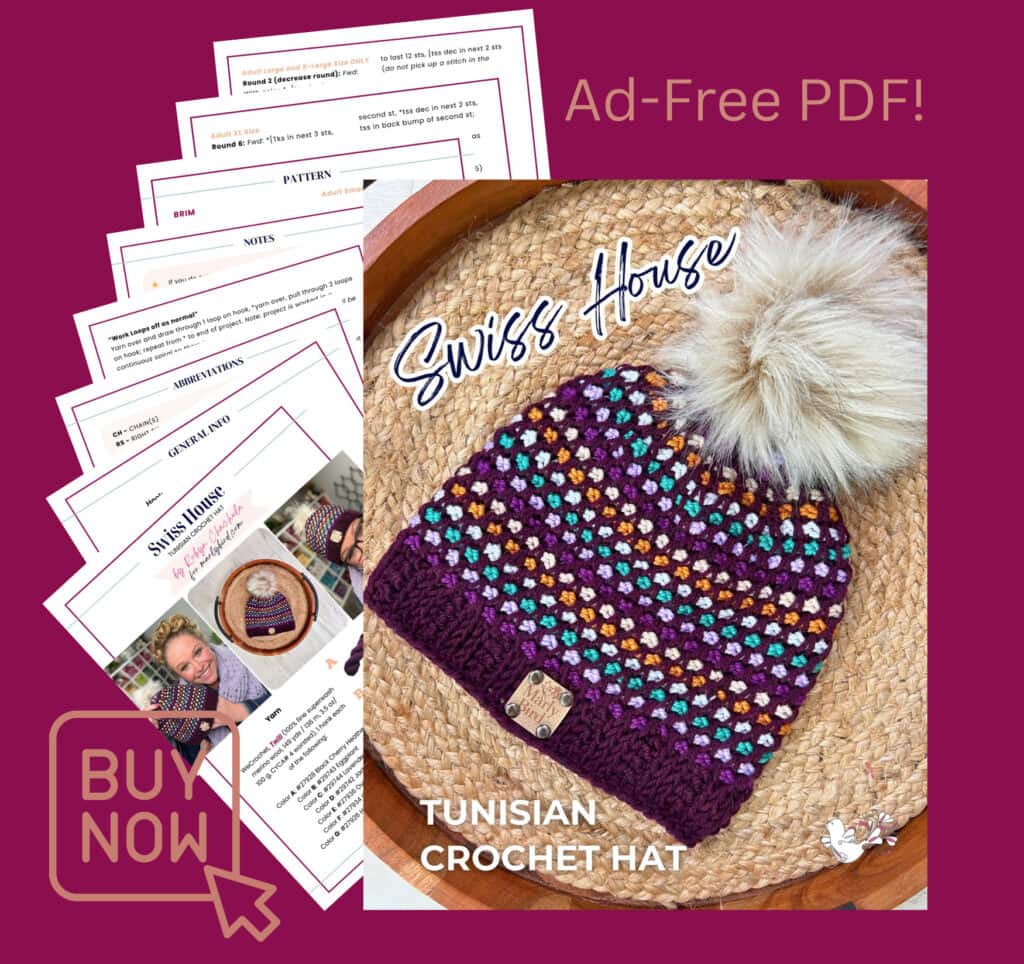
Love the Pattern but Want an Ad-Free PDF? ⭐
Join our Newsletter
Get Free Crochet & Knitting
Pattern Links & Coupons!
What Makes This Tunisian Crochet Hat Special?
The Swiss House Tunisian Hat is more than just a beanie… it's a crochet adventure. Robyn designed it with spiral shaping and offset stitches so the decreases blend beautifully, without stacking or creating bulk. The stitch pattern creates texture that almost looks knit, while the continuous spiral rounds mean you won't find any clunky seams.
This isn't your average crochet hat… it's stylish, modern, and makes people say, “Wait… you crocheted that?!”
Tips for Working Tunisian Crochet in the Round
If you've only ever worked Tunisian crochet flat, don't worry… this hat will open up a whole new world. Here are a few helpful notes before you begin:
- Tools matter: You'll need a Tunisian double-ended hook or two interchangeable hooks connected with a cable. This lets you pick up loops on the forward pass and work them off on the return pass, all in a continuous spiral.
- Use a stitch marker: Since you're working in the round, it's easy to lose track of where one round ends and the next begins. A simple locking marker saves your sanity and keeps you from accidentally adding or losing stitches.
- Forward and return passes: You can work as many stitches as fit comfortably on your hook. Just remember to switch back and forth until you complete the round. There's no pressure to work it all in one pass—comfort and accuracy matter more than speed.
Once you try it, you'll wonder why you waited so long to explore Tunisian crochet in the round. If you've never tried Tunisian crochet but want to learn the basics, check out the BiCrafty Bootcamp: Triple Threat Tunisian Crochet for a complete walk-through of every stitch type.
Choosing Colors for Your Hat
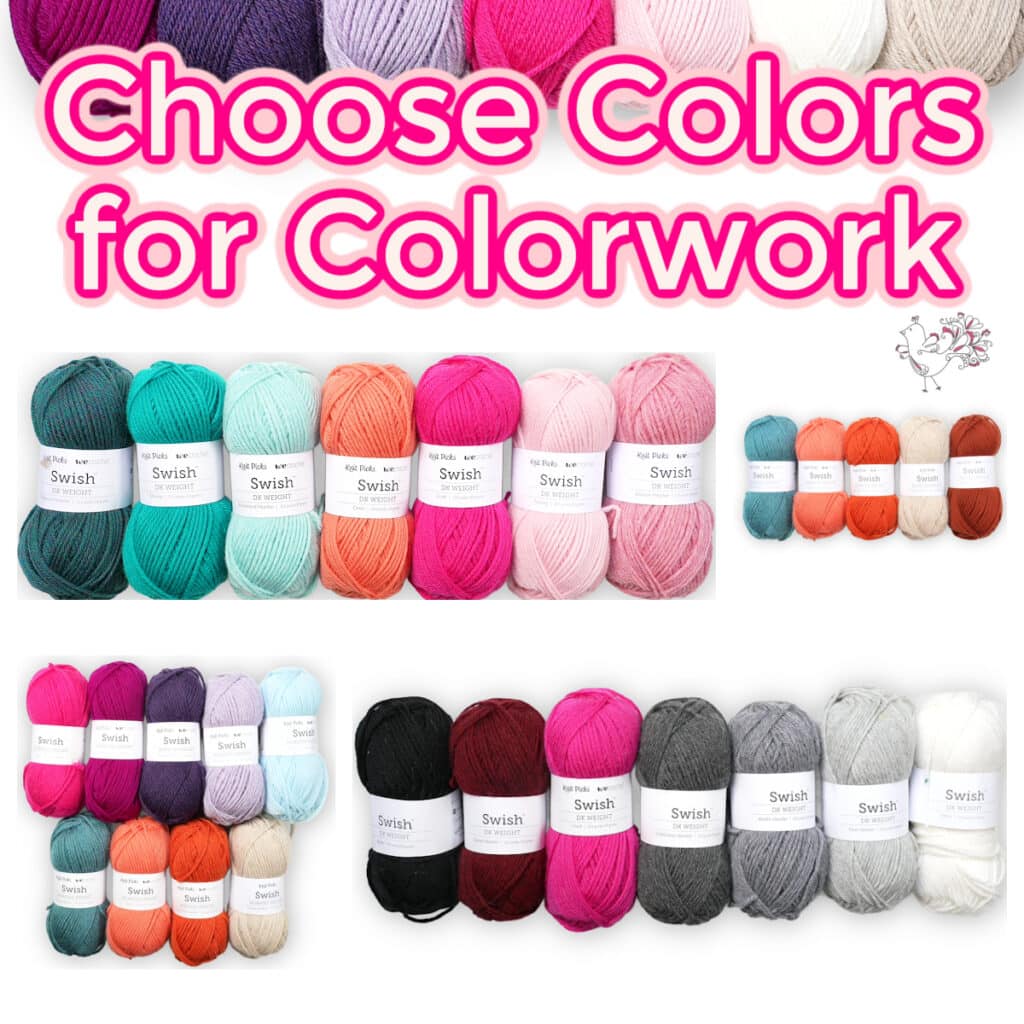
The sample uses seven colors of WeCrochet Twill… rich jewel tones with heathered neutrals… to create a bold, graphic look. But this pattern is totally flexible. Here are some color ideas to inspire you:
🎨 Monochrome Magic: Work the entire hat in one solid color to let the stitch texture shine on its own. The TSS/TKS/TRS pattern creates beautiful dimension even without color contrast—the texture does all the talking.
✨ Stash-Buster: Pull out those leftover worsted-weight hanks and alternate them round by round for a scrappy, playful look. This hat is perfect for using up oddments and creating a one-of-a-kind palette.
🌅 Tone-on-Tone: Pick three shades from the same color family for a subtle gradient effect that feels sophisticated and intentional. Monochromes with personality are a huge trend right now.
🎃 Seasonal Vibes: Try holiday reds and greens, icy blues and grays, or Halloween purples and oranges… this pattern adapts to every season beautifully. Make one for each season and rotate them!
Whatever palette you choose, this pattern will let your colors shine. The stitch pattern is the frame, and your yarn is the art.
Styling & Gifting Ideas
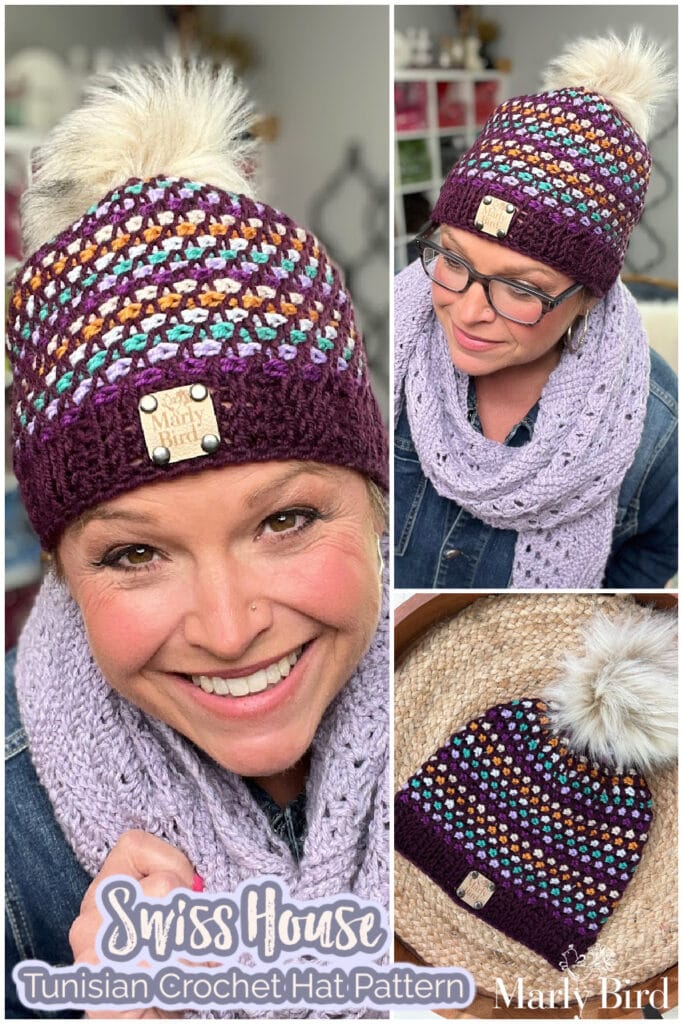
The Swiss House Tunisian Hat is a cozy accessory that's as fashionable on the slopes as it is on city streets. Make one for yourself, then whip up a few extras as handmade holiday gifts. Pair it with a chunky scarf, mittens, or even a pom-pom on top for extra flair.
Pro tip: Since this pattern is size-inclusive, you can stitch one for every member of the family… from kids to adults. That's a whole set of matching hats for holiday photos or ski trips! And with the color flexibility, you can make them coordinated but totally individual.
Yarn & Materials
This pattern was designed for WeCrochet Twill… a 100% fine superwash merino wool in worsted weight with 149 yards per 100g hank. The heathered tones and jewel colors in the Twill line are exactly what makes this hat's colorwork look like it came from a boutique ski shop. You'll need 1 hank each of up to 7 colors, or fewer if you simplify the palette.
Yarn Substitutions
Any smooth worsted-weight yarn with good stitch definition works here. Tunisian crochet shows stitch detail beautifully, so look for yarns with some natural fiber content for that same luxurious warmth:
KnitPicks Wool of the Andes Worsted is a classic 100% wool in a huge range of colors. It's perfect for building a coordinated palette and works beautifully for colorwork projects. The stitch definition is comparable to WeCrochet Twill, and you'll save a few dollars per hank while still getting that merino quality.
WeCrochet Mighty Stitch Worsted gives you a wool-blend option with great softness and affordability—a nice middle ground between luxury and budget. It has good stitch definition and works up to a similar drape as the Twill.
KnitPicks Brava Worsted is the budget-friendly all-acrylic choice when you want to experiment with colors before committing to the merino. It won't have quite the same feel as wool, but the stitch definition is solid and it washes easily—perfect for testing your color combinations first.
Notions
- Tapestry Needle
- Stitch Markers (essential for tracking rounds)
- Size K/10.5 (6.5mm) Tunisian Double-Ended Hook
- Scissors
- Tape Measure
- Faux Fur Pom (Optional, but highly recommended!)
- Leather Tags (Optional—Robyn's signature touch!)
Video Tutorial
Robyn walks through every step of the Swiss House Tunisian Crochet Hat in the full video tutorial on YouTube. Highly recommend watching it before you cast on if you're new to Tunisian in the round—seeing the forward and return passes in action makes all the difference. 📹
Swiss House Tunisian Hat || Pattern Instructions
Designed by Robyn Chachula
SKILL LEVEL
Adventurous Beginner
MEASUREMENTS
Finished Measurements
Hat is 17.25 (18.5, 20, 21.5, 22.75)” [44, 47, 51, 54.5, 58 cm] in circumference sized to fit Child, Adult Small, Adult Medium, Adult Large, Adult XL.
Gauge
12 sts x 11 rounds = 4″ [10 cm] x 4″ [10 cm] in brim stitch pattern
14 sts x 11 rounds = 4″ [10 cm] x 4″ [10 cm] in body stitch pattern; use any size hook to obtain the gauge.

MATERIALS
Yarn
- Color A: #27928 Black Cherry Heather
- Color B: #29743 Eggplant
- Color C: #29744 Lavender
- Color D: #29742 Jade
- Color E: #27936 Overcast
- Color F: #27934 Gold Rush
- Color G: #27926 Horchata Heather
Hook
Size K/10.5 (6.5 mm) either Tunisian double-ended hook or (2) Tunisian Hooks with any size cable connecting them.
Notions
- Tapestry Needle
- Stitch Markers
- Faux Fur Pom (Optional)
ABBREVIATIONS
Ch – Chain(s)
PM – Place Marker
RS – Right Side
Sl st – Slip Stitch
St(s) – Stitch(es)
Tch – Turning Chain
TSS – Tunisian Simple Stitch
TKS – Tunisian Knit Stitch
TRS – Tunisian Reverse Stitch
WS – Wrong Side
SPECIAL STITCHES
⭐ Foundation Slip Stitch:
First Stitch: Ch 1, insert hook into back ridge of chain, yarn over and pull up loop (2 loops on hook), yarn over and draw through 1 loop on hook (creates chain), draw through next loop on hook (creates slip stitch).
Next Stitch: Insert hook into chain just created (vertical bar furthest from hook), yarn over and pull up a loop (2 loops on hook), yarn over and draw through both loops on hook (first loop creates chain, second creates slip stitch)
⭐ Tunisian Simple Stitch (TSS): Insert hook from right to left into front vertical bar of next st, yarn over and pull up a loop.
⭐ Tunisian Knit Stitch (TKS): Insert hook from front to back between the front and back vertical bars of the next st (under horizontal bars), yarn over and pull up a loop.
⭐ Tunisian Reverse Stitch (TRS): Insert hook from right to left into back vertical bar of next st on the wrong side (or back of work), yarn over and pull up a loop. This pushes the return pass to the front of the work creating a purl-like look.
⭐ “Work Loops off as normal” Yarn over and draw through 1 loop on hook, *yarn over, pull through 2 loops on hook; repeat from * to end of project. Note: project is worked in a continuous spiral so there is only 1 first stitch and all the remaining will be pulling through 2 loops.
⭐ Tunisian Simple Stitch Decrease (TSS dec): Insert hook from right to left into the front vertical bar of the next 2 sts at the same time, yarn over and pull up a loop (1 st decreased).
⭐ Tunisian Simple Stitch in Back Bump (TSS in back bump): Insert hook into the back bump of the horizontal bar of the stitch indicated, yarn over and pull up a loop.
NOTES
- If you do not want to use the Foundation Slip Stitch as a start, you can chain instead.
- If you do not enjoy working TRS or if you don't like the look, you can do TPS for all TRS stitches throughout the pattern.
- Hat is worked in the round in a continuous spiral. Place marker in the first stitch of each round.
- In the brim, make a small ball of color A and use color A for the forward and return pass.
- In the body and crown use color A for every forward pass, change color as directed at the start of each new return pass.
- On the forward pass work any number of stitches that comfortably fit on the Tunisian Double Ended hook. Turn and work stitches off of hook for the return pass until 2 loops are left on hook, then turn and work more forward pass stitches. Keep switching between forward and return passes until the round is complete.
- When working the body section, the stitch pattern repeat is an even number of stitches, but the stitch count is an odd number of stitches. This means you will have 1 stitch left at the end of the round. This is on purpose so the next round will be offset from the round before it and the decreases will spiral and not stack. Work the last stitch in the next round.

GROW
To Unlock Exclusive Subscriber Content click the Box below and join for free by simply adding your email and creating a password! If you are having troubles, clear your cache or reset your password or login to the Grow Publisher Portal.
>> Learn More About Grow Here <<
I'm thrilled to share this amazing pattern with you, many patterns on my blog are absolutely free! I kindly request that you don't copy and paste or distribute this pattern. Prefer an ad-free experience? Buy a digital PDF pattern for a small fee from one of my online stores for a seamless crafting journey.
I appreciate your support and readership. You are the reason I can keep doing what I love and sharing it with others. So, thank you from the bottom of my yarn-loving heart! Disclosure: This post contains affiliate links, meaning I get a commission if you decide to make a purchase through my links at no cost to you.
BRIM
Foundation Slip Stitch or Chain 52 (56, 60, 64, 68) with color A, sl st in first st to form ring. See notes for how to work fwd and rtn passes with double-ended hook.
Round 1: Fwd: Pull up loop in each st around (loop on hook counts as a st). Rtn: With color A, work loops off as normal. (52, 56, 60, 64, 68 sts)
Rounds 2–4 (2–4, 2–4, 2–5, 2–5): Fwd: *Tks in next 3 sts, trs in next st; repeat from * around. Rtn: With color A, work loops off as normal.
Child Size
Round 5: Fwd: *[Tks in next 3 sts, tss in back bump of previous st, trs in next st] 3 times, tks in next 3 sts, trs in next st; repeat from * around to last 4 sts, tks in next 3 sts, trs in last st. Rtn: With color B, work loops off as normal. (61, -, -, -, – sts)
Adult Small Size
Round 5: Fwd: *[Tks in next 3 sts, tss in back bump of previous st, trs in next st] 3 times, tks in next 3 sts, trs in next st; repeat from * around to last 8 sts, [tks in next 3 sts, trs in next st] twice. Rtn: With color B, work loops off as normal. (-, 65, -, -, – sts)
Adult Medium Size
Round 5: Fwd: *[Tks in next 3 sts, tss in back bump of previous st, trs in next st] 3 times, [tks in next 3 sts, trs in next st] twice; repeat from * around. Rtn: With color B, work loops off as normal. (-, -, 69, -, – sts)
Adult Large Size
Round 6: Fwd: *[Tks in next 3 sts, tss in back bump of previous st, trs in next st] 3 times, tks in next 3 sts, trs in next st; repeat from * around to last 16 sts, [Tks in next 3 sts, tss in back bump of previous st, trs in next st] twice, [tks in next 3 sts, trs in next st] twice. Rtn: With color B, work loops off as normal. (-, -, -, 75, – sts)
Adult XL Size
Round 6: Fwd: *[Tks in next 3 sts, tss in back bump of previous st, trs in next st] 3 times, [tks in next 3 sts, trs in next st] twice; repeat from * around to last 8 sts, [tks in next 3 sts, tss in back bump of previous st, trs in next st] twice. Rtn: With color B, work loops off as normal. (-, -, -, -, 79 sts)
CROWN
We will start decreasing for the crown. The simple way we will use to decrease stitches is to NOT pick up a stitch in the back bump.
Child Size
Round 1 (decrease round): Fwd: With color A, [tss dec in next 2 sts, tss in back bump of second st] 6 times, [tss dec in next 2 sts (do not pick up a stitch in the back bump)] twice, [tss dec in next 2 sts, tss in back bump of second st] 14 times, [tss dec in next 2 sts (do not pick up a stitch in the back bump)] twice, [tss dec in next 2 sts, tss in back bump of second st] 6 times, leave last stitch unworked for next round (work last st in next round). Rtn: Change color, work loops off as normal. – (57, -, -, -, -) sts.
Adult Small Size
Round 1: Fwd: With color A, *Tss dec in next 2 sts, tss in back bump of second st; repeat from * around to last st, leave last stitch unworked for next round (work last st in next round, see notes). Rtn: Change color, work loops off as normal. – (-, 65, -, -, -) sts
Adult Medium Size
Round 1 (decrease round): Fwd: With color A, [tss dec in next 2 sts, tss in back bump of second st] 7 times, [tss dec in next 2 sts (do not pick up a stitch in the back bump)] twice, [tss dec in next 2 sts, tss in back bump of second st] 16 times, [tss dec in next 2 sts (do not pick up a stitch in the back bump)] twice, [tss dec in next 2 sts, tss in back bump of second st] 7 times, leave last stitch unworked for next round (work last st in next round). Rtn: Change color, work loops off as normal. – (-, -, 65, -, -) sts.
Adult Large Size
Round 1 (decrease round): Fwd: With color A, [tss dec in next 2 sts, tss in back bump of second st] 17 times, [tss dec in next 2 sts (do not pick up a stitch in the back bump)] twice, *tss dec in next 2 sts, tss in back bump of second st; repeat across to last st, leave last stitch unworked for next round (work last st in next round). Rtn: Change color, work loops off as normal. – (-, -, -, 73, -) sts.
Adult X-Large Size
Round 1 (decrease round): Fwd: With color A, [tss dec in next 2 sts, tss in back bump of second st] 6 times, *[tss dec in next 2 sts (do not pick up a stitch in the back bump)] twice, [tss dec in next 2 sts, tss in back bump of second st] 11 times; repeat from * once more, [tss dec in next 2 sts (do not pick up a stitch in the back bump)] twice, [tss dec in next 2 sts, tss in back bump of second st] 5 times, leave last stitch unworked for next round (work last st in next round). Rtn: Change color, work loops off as normal. – (-, -, -, -, 73) sts.
Adult Large and X-Large Size ONLY
Round 2 (decrease round): Fwd: With color A, [tss dec in next 2 sts, tss in back bump of second st] 4 times, *[tss dec in next 2 sts (do not pick up a stitch in the back bump)] twice, [tss dec in next 2 sts, tss in back bump of second st] 7 times; repeat from * around to last 12 sts, [tss dec in next 2 sts (do not pick up a stitch in the back bump)] twice, [tss dec in next 2 sts, tss in back bump of second st] 4 times. Rtn: Change color, work loops off as normal. – (-, -, -, 65, 65) sts.
Round 3: Fwd: With color A, *Tss dec in next 2 sts, tss in back bump of second st; repeat from * around to last st, leave last stitch unworked for next round (work last st in next round, see notes). Rtn: Change color, work loops off as normal.
Adult Small, Medium, Large, and X-Large Size ONLY
Round – (2, 2, 4, 4) (decrease round): Fwd: With color A, [tss dec in next 2 sts, tss in back bump of second st] 3 times, *[tss dec in next 2 sts (do not pick up a stitch in the back bump)] twice, [tss dec in next 2 sts, tss in back bump of second st] 6 times; repeat from * around to last 12 sts, [tss dec in next 2 sts (do not pick up a stitch in the back bump)] twice, [tss dec in next 2 sts, tss in back bump of second st] 4 times. Rtn: Change color, work loops off as normal. – (-, 57, 57, 57, 57) sts.
Round – (3, 3, 5, 5): Fwd: With color A, *Tss dec in next 2 sts, tss in back bump of second st; repeat from * around to last st, leave last stitch unworked for next round (work last st in next round, see notes). Rtn: Change color, work loops off as normal.
All Sizes
Round 2 (4, 4, 6, 6) (decrease round): Fwd: With color A, [tss dec in next 2 sts, tss in back bump of second st] twice, *[tss dec in next 2 sts (do not pick up a stitch in the back bump)] twice, [tss dec in next 2 sts, tss in back bump of second st] 5 times; repeat from * around to last 12 sts, [tss dec in next 2 sts (do not pick up a stitch in the back bump)] twice, [tss dec in next 2 sts, tss in back bump of second st] 4 times. Rtn: Change color, work loops off as normal. – (49, 49, 49, 49, 49) sts.
Round 3 (5, 5, 7, 7) (decrease round): Fwd: With color A, *[Tss dec in next 2 sts, tss in back bump of second st] 4 times, [tss dec in next 2 sts (do not pick up a stitch in the back bump)] twice; repeat from * around to last st, leave last stitch unworked for next round (work last st in next round, see notes). Rtn: Change color, work loops off as normal. – (41, 41, 41, 41, 41) sts.
Round 4 (6, 6, 8, 8) (decrease round): Fwd: With color A, [tss dec in next 2 sts, tss in back bump of second st] twice, *[tss dec in next 2 sts (do not pick up a stitch in the back bump)] twice, [tss dec in next 2 sts, tss in back bump of second st] 3 times; repeat from * around to last 8 sts, [tss dec in next 2 sts (do not pick up a stitch in the back bump)] twice, [tss dec in next 2 sts, tss in back bump of second st] twice. Rtn: Change color, work loops off as normal. – (33, 33, 33, 33, 33) sts.
Round 5 (7, 7, 9, 9) (decrease round): Fwd: With color A, *[Tss dec in next 2 sts, tss in back bump of second st] twice, [tss dec in next 2 sts (do not pick up a stitch in the back bump)] twice; repeat from * around to last st, leave last stitch unworked for next round (work last st in next round, see notes). Rtn: Change color, work loops off as normal. – (25, 25, 25, 25, 25) sts.
Round 6 (8, 8, 10, 10) (decrease round): Fwd: With color A, *tss dec in next 2 sts, tss in back bump of second st, [tss dec in next 2 sts (do not pick up a stitch in the back bump)] twice; repeat from * around to last 2 sts, tss dec in next 2 sts, tss in back bump of second st. Rtn: Change color, work loops off as normal. – (17, 17, 17, 17, 17) sts.
Round 7 (9, 9, 11, 11) (decrease round): Fwd: With color A, *tss dec in next 2 sts (do not pick up a stitch in the back bump); repeat from * around to last st, leave last stitch unworked for next round (work last st in next round, see notes). Rtn: Change color, work loops off as normal. – (9, 9, 9, 9, 9) sts.
Bind Off Round: *Tss dec in next 2 sts, pull loop through loop on hook; repeat from * around, fasten off with a long tail. Weave the long tail through the last round to close hole in the top of the hat.
FINISHING
Fasten off, weave in ends. Add pom-pom to top of hat if desired.
More Tunisian Crochet Patterns You'll Love
Falling in love with Tunisian crochet? Once you master the Swiss House Hat, you've got the skills for so much more. Tunisian stitches are versatile, beautiful, and create that knit-like texture that makes people double-take your work.
Check out more Tunisian crochet patterns from MarlyBird.com to expand your skills and build a whole wardrobe:
- BiCrafty Bootcamp: Triple Threat Tunisian Crochet — learn all three Tunisian stitches in depth
Frequently Asked Questions
Do I have to use WeCrochet Twill?
Nope! Any worsted-weight yarn with good stitch definition works beautifully. Look for yarns with some natural fiber content (wool, alpaca, or wool blends) for that same luxurious feel. Acrylic works too—it's just a different hand.
What if I don't have a Tunisian double-ended hook?
You can absolutely use two regular Tunisian hooks connected with a cable (or even two regular crochet hooks if you're in a pinch, though the cable connection helps). The double-ended hook is just more convenient because everything stays on one tool.
Is Tunisian crochet in the round hard for beginners?
It's easier than you might think! If you know basic crochet, you're already most of the way there. Tunisian crochet is just a different way of working forward and return passes instead of regular crochet rounds. Watch Robyn's video tutorial—seeing it in action makes everything click.
Can I make this hat without the seven colors?
Absolutely. A monochrome version is stunning—the stitch pattern creates all the texture you need. Start with one color if you want to simplify, or use just 2–3 colors if you want the colorwork vibe without the management.
What size should I make?
Measure around your head (or the gift-recipient's head) about an inch above the eyebrows. The finished hat circumference should be about 1–2 inches SMALLER than your head measurement—Tunisian fabric has great stretch and recovery, so you want a snug fit that's still comfortable.
How do I attach a pom-pom?
Simply whip-stitch it to the top of the crown using your tapestry needle and coordinating yarn. If you use faux fur pom-poms (highly recommended—they're so cozy), a small dab of fabric glue under the whip stitches keeps it secure through washing.
Share Your Swiss House Hat
If you cast on this pattern, please share your progress! Tag me @marlybird on Instagram or Facebook and use #MMMDI (Marly Made Me Do It), #MarlyBird, or #SwissHouseTunisianHat so I can see your finished hat. There's nothing I love more than seeing my patterns come to life in your hands. 💛
And if this pattern helped you discover (or fall in love with) Tunisian crochet in the round, let me know! Your success stories fuel everything I create.

❤️ Your BiCrafty Bestie,
Marly Bird

Categories: Crochet, Free Patterns, Marly Bird Premium Patterns, Our Free Patterns, Pattern