Ridgeway Crochet Cowl Gauge – Turkey Trot 2025 Guide
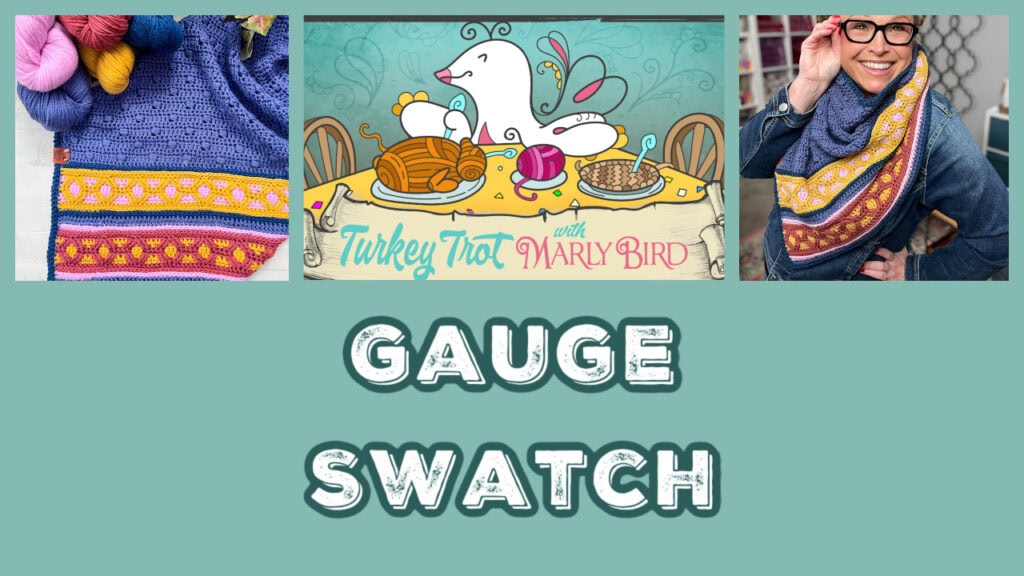
If you’re gearing up for the 7th Annual Marly Bird Turkey Trot Make-Along, this is your official gauge guide for the Ridgeway Crochet Cowl — your featured crochet project for 2025!
Whether you’re a confident crocheter or brand new to stitching along with us, this quick gauge lesson will help you start strong, get an accurate fit, and enjoy every stitch of this textured beauty.
And like all Turkey Trot projects…
👉 Yes, there’s a video tutorial for every section, so beginners are welcome!
Affiliate Disclosure: This post contains affiliate links. To learn more please visit my privacy policy here💖
🌟 Why Gauge Matters for the Ridgeway Crochet Cowl
Before you dive into stitching the Ridgeway Crochet Cowl, let’s make sure your fabric is working with you and not against you. We do this with the gauge swatch!
Even though this cowl is flexible in sizing and gauge “is not critical,” it does influence:
- How much yarn you’ll use
- How your texture blooms when blocked
- Whether your cowl matches the intended drape
Because this pattern is worked in textured stitches, even small gauge differences can change the final look.
And since we’re using 100% wool, your swatch will relax, bloom, and shift slightly after washing — which is exactly why:
👉 Your gauge swatch must be blocked before measuring.
This ensures your finished cowl behaves beautifully and fits like the designer intended.
🧶 Yarn We’re Using (and Why)
The Ridgeway Crochet Cowl was designed using 100% non-superwash wool, which gives this project its signature texture, stitch definition, and soft structure once blocked. Wool blooms beautifully after a gentle soak, which is why you’ll want to wash and block your swatch (and your finished cowl!) to see the true look and drape of the fabric.
If you want to use the original yarn, Herrschners is carrying it specifically for the Turkey Trot 2025:
👉 Universal Yarn Deluxe Worsted (100% wool): https://tidd.ly/3JGXmPK
Use coupon code TROT2025 for FREE shipping on orders $35+ through November 27, 2025!
🦃 Click Here and Get Free Shipping
Code: TROT2025
Valid 11/11/25–11/27/25
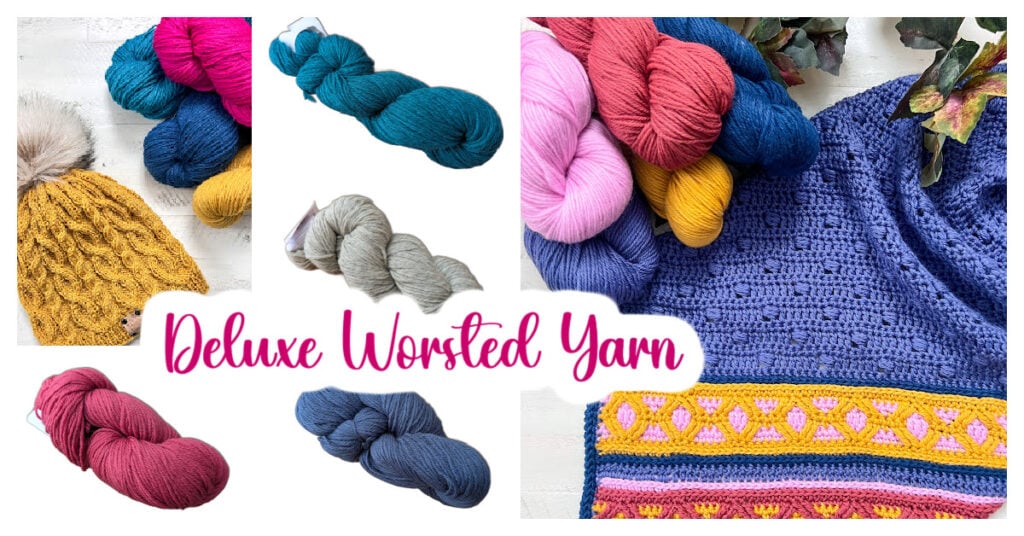
Why Robyn and Marly picked this yarn (let’s be honest, it was 100% Marly who picked it):
- Incredible stitch definition (perfect for those 3 hdc-clusters!)
- Warm, durable, heirloom-worthy fabric
- Beautiful drape after blocking
- Natural bounce and memory
Wool responds beautifully to wet blocking — stitches “open,” texture pops, and the final fabric smooths out and evens up.
If you’re sensitive to wool, suggested alternatives are listed on the Turkey Trot Supply List, but keep in mind:
👉 Your gauge may vary with non-wool yarns.
🌟 Wool-Sensitive? Here Are Marly-Approved Acrylic Alternatives
If you’re allergic to wool or prefer an acrylic yarn, Herrschners also carries a great substitute:
🧶 Premier Everyday DK: https://tidd.ly/4pog6Tp
This is labeled DK but behaves more like a light worsted. It will likely help you get closer to gauge.
✨ If You Use Acrylic Yarn, Read This First!
Acrylic does not bloom with water the way wool does, so your blocked gauge swatch may look very similar to your “off the hook” fabric. You can definitely wet block acrylic, but expect far less change in drape or stitch definition.
🔥 BE AWARE if you steam block acrylic.
Steam + acrylic = potential melting or killing the fibers. Use caution if you choose to steam block your acrylic.
What does “killing” mean?
It permanently relaxes the yarn, removes memory, and can make your project drapey in a way you cannot undo. For garments or cowls where you want crisp structure, killing is usually not ideal.
But it is possible to lightly steam acrylic without completely killing it.
If you want to use steam at all on acrylic:
- Hover the steamer several inches away
- Never let moisture or heat directly touch the yarn
- Do not press
- Allow to cool fully before moving the fabric
But again—wet blocking is the safe choice.
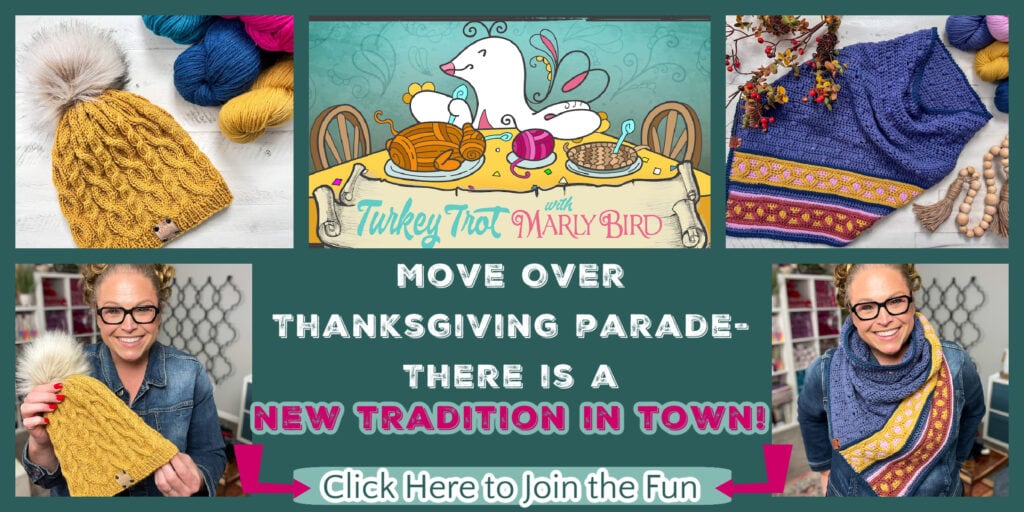
📬 Want the Full Supply List?
Sign up for the Turkey Trot 2025 and the complete supply list—plus color recommendations!—will be delivered right to your inbox.
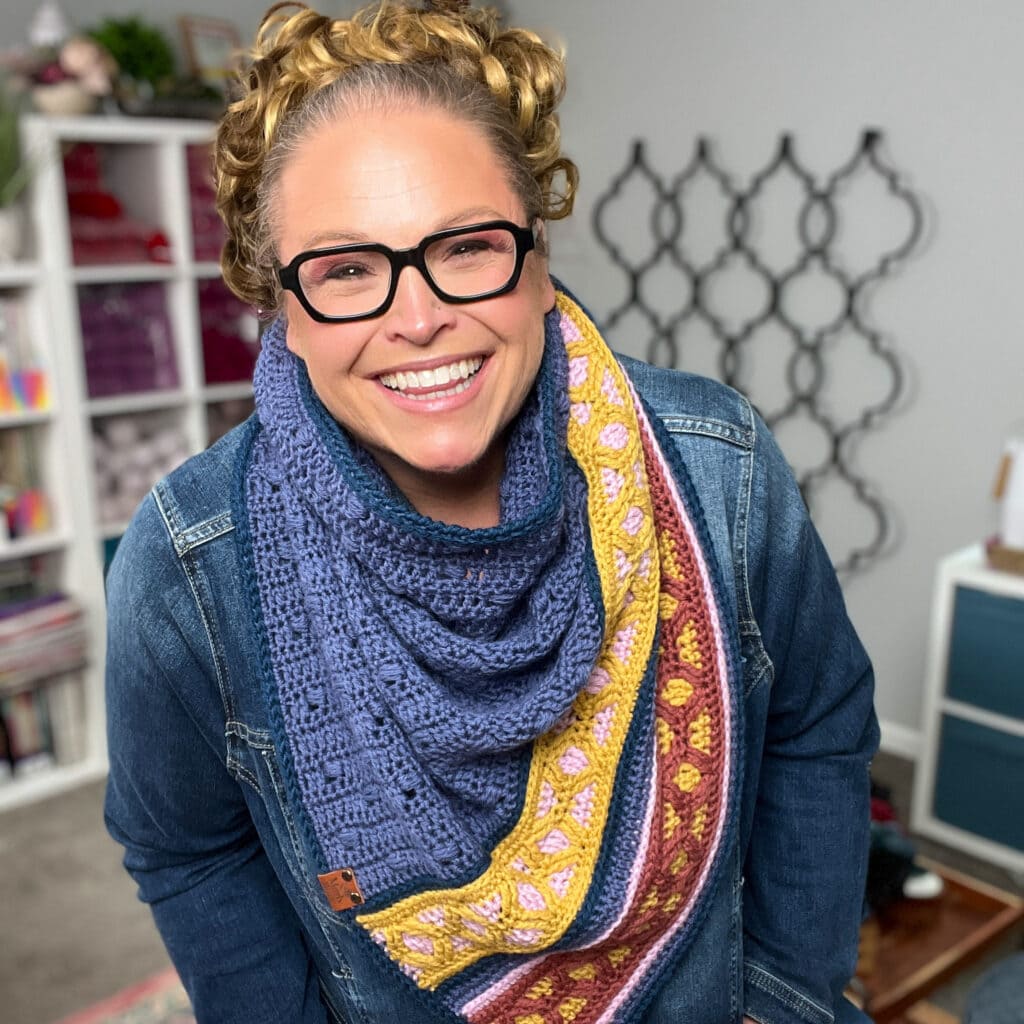
📏 Ridgeway Crochet Cowl – G A U G E
This gauge for the Ridgeway Crochet Cowl is 15 sts by 10 rows = 4.25” [11 cm] by 4.5” [11.5 cm] in BLOCKED body stitch pattern; use any size hook to obtain the gauge.
✨ Abbreviations
These are the abbreviations used in the gauge swatch instructions and in the pattern.
Ch – Chain(s)
Dc – Double Crochet
Hdc – Half Double Crochet
PM – Place Marker
RS – Right Side
Sc – Single Crochet
Sl st – Slip Stitch
Sp(s) – Space(s)
St(s) – Stitch(es)
Tch – Turning Chain
WS – Wrong Side
⭐️ Special Crochet Stitches
⭐️ 3 Half Double Crochet Cluster (3 hdc-cl):
*Yarn over hook, insert hook around the vertical leg (“the post”) of previous st, yarn over and pull up a loop; repeat from * twice more around same post, yarn over and draw through all 7 loops on hook.
⭐️ Stacked Double Crochet (Stacked Dc):
(Do not ch 1 prior to making the first sc) Sc in first stitch, insert hook in between two legs of the base, yarn over and pull up a loop, yarn over and draw through 2 loops on hook.
📝 Notes for the Ridgeway Crochet Cowl
- Gauge is not critical in this project, but if your gauge is larger your project will be bigger and it will use more yarn than designed.
- Be sure to wash and block your swatch to test fabric.
- If the swatch is too large, first try going down a hook size. Next you can switch to a different hook brand or hook material (say trying a wooden hook instead of aluminum).
🎥 Video Tutorial
Stacked Double Crochet
🎬 Mondays with Marly – where Marly and Robyn talk about gauge for this event. >> Click Here <<
🧪 How to Make a Gauge Swatch for the Ridgeway Crochet Cowl
This gauge swatch follows the exact stitch pattern used in the cowl, giving you a true preview of how your stitches will look once blocked.
Making a swatch this way helps ensure your finished cowl has the right drape, width, and yarn usage—especially since this project features textured clusters that behave differently before and after washing.
And if you’re someone who prefers to “see” your stitches laid out visually, the VIP ad-free PDF includes a full crochet stitch diagram of this gauge pattern, so you can follow along symbol-by-symbol with confidence.
Chain 16.
Row 1 (WS): Sc in 2nd ch from hook and in each ch across, turn — 15 sc.
Row 2: Stacked dc in first sc, dc in next 6 sc, 3 hdc-cl around previous dc, skip 1 sc, dc in last 7 sc, turn.
Row 3: Ch 1, sc in each st across, turn.
Row 4: Stacked dc in first sc, dc in next 2 sc, 3 hdc-cl around previous dc, skip 1 sc, dc in next 7 sc, 3 hdc-dcl around previous dc, skip 1 sc, dc in last 3 sc, turn.
Row 5: Ch 1, sc in each st across, turn.
Repeat Rows 2–5 to desired length. Wet block and dry before measuring gauge.
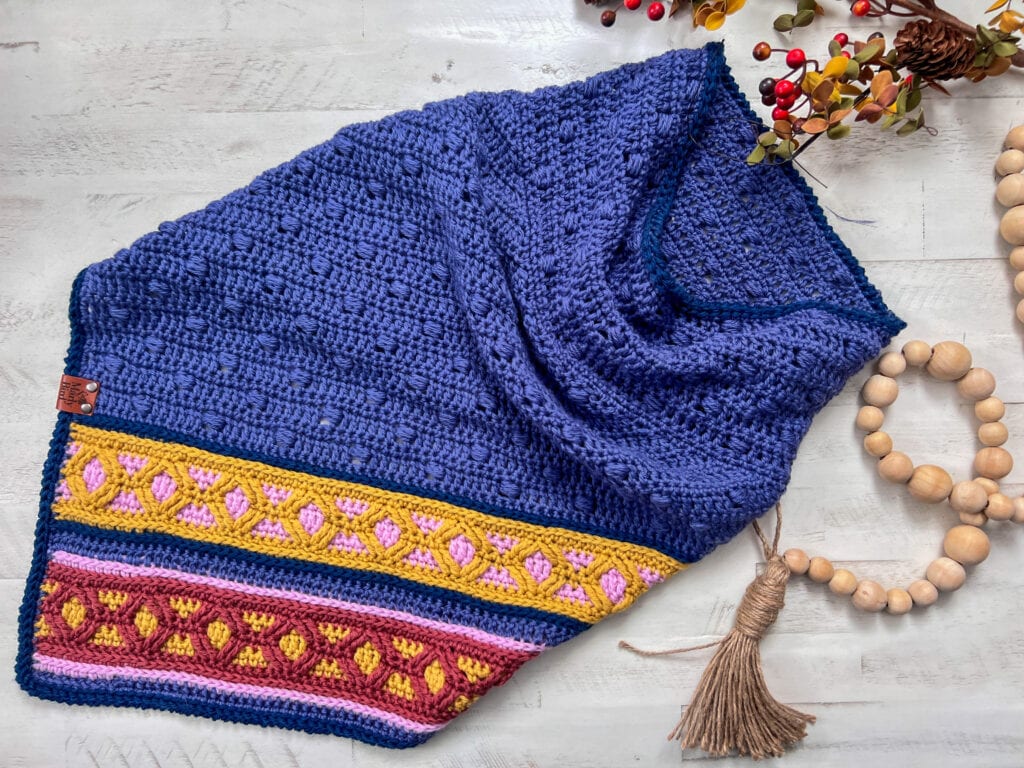
💧 How to Wet Block Your Swatch
Blocking your gauge swatch is an essential step for this project — not just during the make-along, but anytime you’re working with textured stitches and non-superwash wool.
Because the Ridgeway Crochet Cowl uses cluster stitches and post-driven texture, the fabric will relax, open, and even out once it’s been washed. Blocking your swatch the same way you plan to block your finished cowl ensures your measurements are accurate, your stitches settle into their true size, and your yarn has the chance to soften and bloom. This simple step helps you predict the final drape and structure of your cowl before you begin, saving time, yarn, and frustration later on.
Useful Blocking Supplies:
- Blocking Squares : https://tidd.ly/49Giyj9
- Blocking Pins : https://tidd.ly/47NDvGq
- Soaking Basin : https://tidd.ly/3LsAdky
- Eucalan Wool Wash : https://tidd.ly/3LOFsei
Soak with Care:
Fill a basin or sink with cold water. Add a wool wash or lanolin-rich soap to condition the yarn (optional but lovely). Let your project soak for 15–20 minutes.
Handle with Kindness:
Support the full weight of your project when lifting from water. Press out water gently—do not wring or twist. Get as much water out as possible.
Towel Time:
Lay your project flat on a towel. Roll it up burrito-style to press out more moisture. Repeat with a second or third dry towel if necessary — it should be damp, not dripping.
Shape with Intention:
Lay your piece flat on a blocking board or clean surface. Pin to finished size.
Let It Dry:
Allow to air dry completely in a well-ventilated area. Avoid direct sunlight to prevent fading. A nearby fan can help speed up the process, but don’t rush it.
🧶 Want More Help With Gauge?
If gauge feels intimidating — you are not alone.
That’s exactly why we created the:
⭐️ Turkey Trot VIP Experience (Silver Platter Upgrade)
Inside the Marly Bird House, VIP crocheters get:
- Step-by-step gauge lesson videos
- Printable PDF patterns
- Bonus lessons on fabric behavior
- Lifetime (unlimited) access to all event materials
- The matching Rockford Crochet Ruana
👉 Upgrade here:
https://marlybird.thrivecart.com/25-marly-bird-turkey-trot-vip-crochet/?ref=gauge-post

🎉 Ready to Start Your Swatch?
Grab your hook, your yarn, and a comfy chair — this tiny practice piece is your first step toward a gorgeously textured Ridgeway Crochet Cowl.
And once your gauge is set…
You’re ready to TROT! 🦃 💕