20 Free Bias Knit Projects Made Corner-to-Corner
You work bias-knit projects corner-to-corner on the diagonal instead of bottom-up or side-to-side! Working corner to corner is commonly called ‘knitting on the bias.’ Your projects drape more this way than regular knitting and stretch more. Knitting in stripes really accentuates the direction of work, as you’ll see in this pattern selection.
Now, check out these beautiful projects from Yarnspirations – they’re all knit on the bias!
And don’t miss the crochet corner-to-corner blog post!
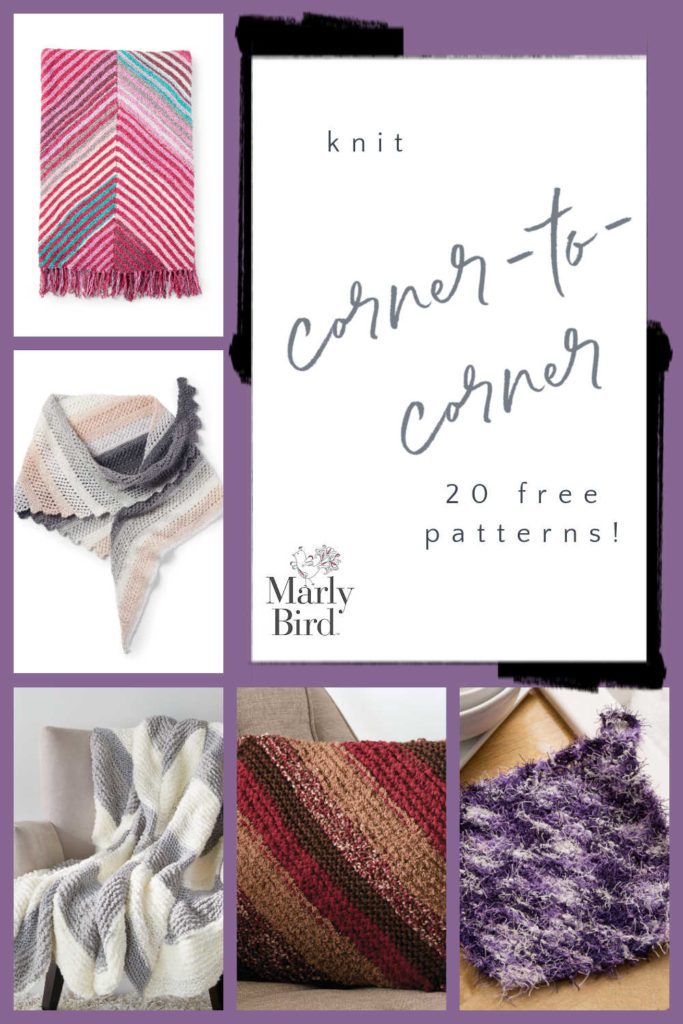
You’ll notice most of these patterns are for blankets and throws. Why is that?
When you cut, knit, or crochet garments on the bias, they stretch very differently from being worked bottom up or side to side. This makes it really hard to get a comfortable fit. Rather, they fit really snugly because they’re worked diagonally. And not so many people love that with knit garments.
But with blankets or throws, it doesn’t matter so much which way they stretch. So can you imagine the wonderful hug you’ll get from these bias-knit blankets? Snuggle under these to your heart’s content!
- Corner to Corner Seed Stitch Blanket
- Corner to Corner Hug Me Blanket
- Corner to Corner Garter Knit Blanket
- Cuddly Knit Baby Blanket
- Four-Square Diagonal Throw
- Shake It Up Knit Blanket
- Shore to Shore Knit Blanket
- Knit Beginner Bias Striped Blanket
- Two Panel Bias Knit Blanket
- Knit Bias Stripe Blanket
- Cozy Knit Bias Blanket
- Bias Knit Blanket
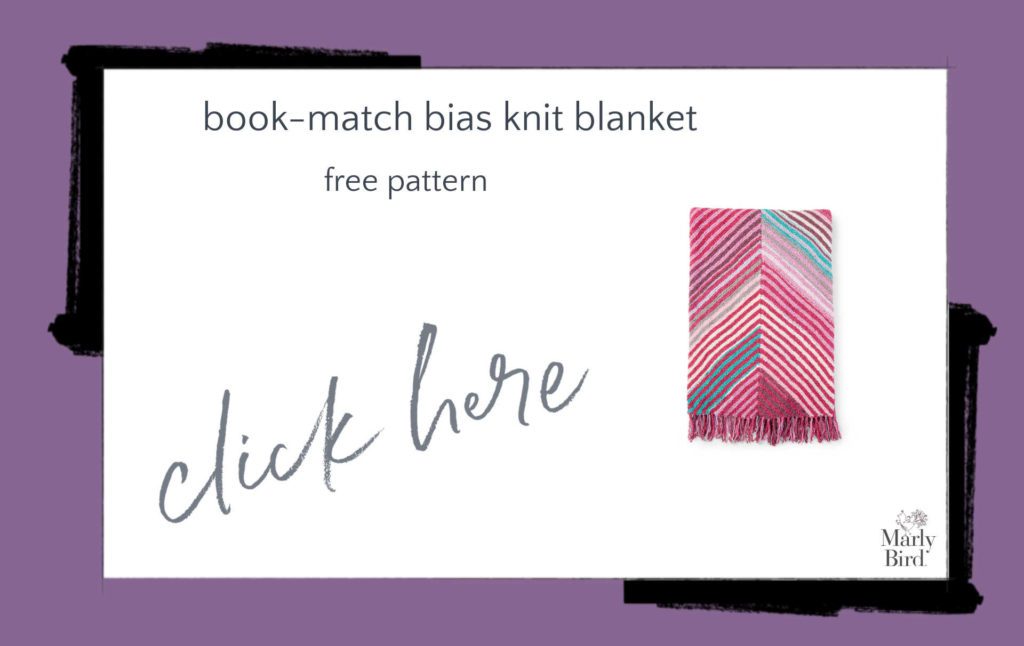
- Book-Match Bias Knit Blanket
- Corner to Corner Knit Pillow
- Corner to Corner Scrubby
- Corner-to-Corner Knit Dishcloth
- Fringed Knit Lumbar Pillow
- Knit Shawl on the Bias
- Bias Knit Wrap
- Bias Stripes Scarf
If you love working corner to corner, check out the links below for more fabulous diagonal patterns.
You may also like
- 51 Free Crochet Corner-to-Corner Patterns
- How to Corner to Corner Crochet
- Beginner Corner to Corner Crochet Blanket
- Corner to Corner Planned Pooling Crochet Chevron Throw Blanket
Frequently Asked Questions
What does “knitting on the bias” mean?
Knitting on the bias means working diagonally rather than in straight horizontal rows. You increase at one corner of each row and decrease at the other, so the fabric grows on an angle. The result is a square or rectangular piece of fabric where the knit stitches run diagonally rather than horizontally… it gives the finished piece a beautiful dynamic quality and different stretch characteristics than regular horizontal knitting. The garter tab shawl is the most famous bias-knit construction, but blankets, scarves, and other items can all use this technique.
Is bias knitting harder than regular knitting?
Not really! The actual stitches used are the same (usually knit and purl). The main difference is remembering to increase at the start of each row and decrease at the end (or vice versa). Once you’re a few rows in and can see the diagonal growing, the increases and decreases become intuitive. The slight extra thought required is outweighed by the beautiful visual result… that dynamic diagonal line through the fabric makes even simple stitch patterns look sophisticated.
What projects work well knitted on the bias?
Scarves and cowls are beautiful knitted on the bias… the diagonal direction adds visual interest to even plain stockinette or garter stitch. Blankets and throws have a lovely texture when knit on the bias, especially with color striping where the color bands run diagonally across the piece. Shawls often use bias or partial-bias construction. Dishcloths are a classic beginner bias-knit project. Even garment panels can be worked on the bias for a fashion-forward effect.
How do I manage color stripes in bias-knit projects?
Color changes in bias knitting create angled stripes rather than horizontal ones… and they look incredible. The stripe runs at the same angle as your increases and decreases, creating diagonal color bands that make any striped project look modern and intentional. To keep stripes clean, change colors at the beginning of rows. If you’re using self-striping yarn, the bias construction will create natural diagonal color pooling effects. Experiment with different color combinations… the diagonal framing elevates almost any palette.
Can crocheters also make bias/corner-to-corner projects?
Absolutely! The crochet equivalent is C2C (corner-to-corner) crochet which was covered earlier on the blog. Both knit and crochet versions create diagonal fabric through similar principles (increasing on one corner, decreasing on the other), but the stitch structures and resulting fabrics are different. Crochet C2C tends to create a denser, more structured fabric. Knit bias fabric is stretchier and more drapey. Both are beautiful and the technique translates across both crafts for BiCrafty crafters!
Categories: Round Ups