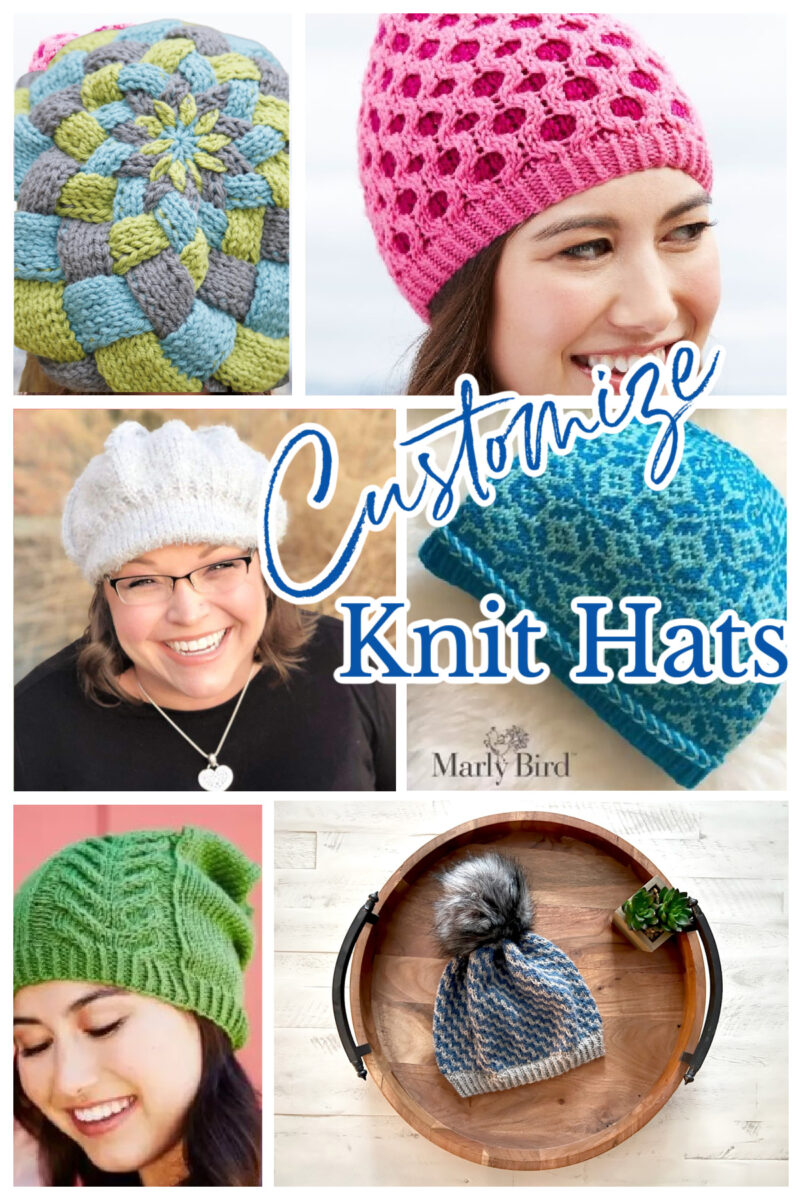
Knitting and Crochet: Similarities, Differences, Benefits
Knitting and crochet are both crafts that use yarn and a tool or two to create fabric. If you aren't familiar with either craft, you might wonder what the difference is. In terms of crochet vs. knitting, is one better than the other? Not necessarily. But although they have lots of similarities, they also have some important differences. As a result, you might discover that you want to try them both. Even if you prefer one to the other, you'll gain a lot from knowing how to knit and crochet.
Knitting and Crochet: Make Fabric With Yarn and 1-2 Tools
The biggest similarity between knitting and crochet is using simple tools and yarn to create fabric. You can shape this fabric into clothing, accessories, home decor, art, and more. Moreover, you can use different types of yarn (different weights, different fabrics) to create different styles in both crafts. Additionally, each craft uses various stitches and techniques to open up your options further when it comes to the fabric and products you create.
So, why crochet or knit? First and foremost, you want to create your own fabric-based items using simple, portable, affordable materials.
Hooks Vs. Needles
The main difference between crochet and knitting is the tool used to turn yarn into fabric. Generally speaking, in crochet, you use one crochet hook. In contrast, knitting uses two knitting needles. But there's much more to learn about all the options available for hooks and needles. As you begin to explore the crafts, you'll learn those things. But basically, this is the biggest difference between knitting and crochet.
Ready to learn more about the tools in each craft? These articles will help:
Myth: You Use One Hand in Crochet and two in Knitting
You hold one crochet hook in your dominant hand while you crochet. In contrast, you handle one needle in each hand when you knit. However, you don't crochet with one hand. You constantly use your other hand to work with the yarn. Many people think crochet is easier because you don't have to use both hands like you do in knitting. However, you can see that this isn't true at all.
Important Difference: Loops on Needles vs Hooks
The fact you're using knitting needles instead of a crochet hook is a major difference, though. Why? It has everything to do with how you build the fabric you're creating.
In both crafts, you use a tool to pull up loops of yarn. However, in knitting, you pull a bunch of loops up onto a needle at once, and you don't finish those loops until later. In contrast, in crochet, you pull up one loop, finish it, and pull up the next loop.
Why does this matter? There are a few reasons:
- Loops are “live” until you finish them. Therefore, in knitting, they can more easily fall off the needles, and you have to go back to fix those mistakes.
- For the same reason, it's not as easy to pause in the middle of a knit row as in crochet.
- Crochet can build loop upon loop in many different directions, allowing you to create hyperbolic pieces and other shapes you can't as easily achieve in knitting.
This doesn't make crochet inherently better or easier than knitting. However, you should be aware of the difference.
The History of Crochet and Knitting
Both crochet and knitting have been around for centuries. However, they each have unique histories regarding how they developed, who the crafters were historically, how they're used and viewed in society, etc. If you're interested in this type of stuff, it's worth reading up on the history of yarn crafting. It's fascinating stuff.
If you're not into this crafting history, the important thing to know is that sometimes this affects how the crafts are viewed today. For a long time, for example, crochet was seen as the “redheaded stepchild” of the yarncraft world. It wasn't as easy to find crochet help in local yarn stores as it was for knitters. Also, knitting was seen as the finer of the two crafts for creating socks, sweaters, and colorwork designs.
Today, thanks to the different yarns, tools, and techniques we've developed over time, you can crochet socks, bold colorwork, and even fabrics that look like they've been knit. So it's a myth to believe you can't crochet these items. But be aware that the history of the crafts sometimes leads to biases you might want to look out for.
Benefits of Knitting and Crochet
Over the past decade or so, we've begun to hear a lot about the health benefits of knitting and crochet. Is one better than the other for achieving these benefits? It doesn't seem like it. Both offer the potential for:
- Stress reduction and relaxation
- Mindfulness practice, “flow state,” and being in the moment
- Build self-esteem, increase feelings of productivity
- Reduced symptoms of anxiety, depression, and other mental health conditions
- Potential for distraction from and even ease of chronic pain
Neither of the two crafts is healthier than the other. However, you might personally experience one as more beneficial than the other. For example, if you find one easier, it might be more conducive to a relaxing, meditative state.
Why Become BiCrafty?
Here at Marly Bird, we like both crafts equally. That's why whenever we do make-alongs, we include both knitting and crochet patterns. We want to welcome everyone! (And recently, we've started offering a lot more Tunisian crochet. This is its own craft, almost like a blend of the two other crafts!)
Some people enjoy both crafts equally. Others strongly prefer one over the other. If you only know one of the crafts, you might want to learn the other. Benefits of becoming BiCrafty include:
- Learning a new skill is good for your brain and your self-esteem.
- You'll have more options available to you for patterns when you want to make something new.
- You get to have conversations with a whole new community of crafters.
- What you learn in one craft can actually improve your understanding and skills in the other craft.
- You can trade one craft for the other when your muscles are tired. Knitting uses slightly different muscle movements than crocheting.
If you're interested in becoming BiCrafty, check out these helpful lessons:
- BiCrafty Bootcamp: Beginner Crochet Lessons for Knitters
- BiCrafty Bootcamp: Beginner Knitting Lessons for Crocheters
Frequently Asked Questions
Is knitting or crochet easier to learn?
Honestly, they're different kinds of accessible! Crochet is often said to be easier for many beginners because you only work with one hook and one active stitch at a time… there's less to drop or lose track of. Knitting uses two needles and keeps many stitches active simultaneously, which can feel precarious at first. That said, many people learn knitting first and find crochet confusing, and vice versa. Try both with open curiosity and see which clicks first for you. Once you understand one, the other becomes easier to learn because the underlying concepts (yarn, tension, stitch building) are shared.
Can the same yarn be used for both knitting and crochet?
Yes! Most yarn is labeled with both recommended needle AND hook sizes for this reason. The finished fabric will look different (knit fabric is stretchy and drapes one way, crochet fabric has different texture and body) but the same yarn works beautifully in both crafts. This is one of the great advantages of being BiCrafty… your yarn stash works for any project in either craft. Some fibers do work better in one craft than the other (very fine lace weight is more commonly used in knitting; bulky arm knitting is knitting-specific) but most everyday yarn is completely interchangeable.
What can I make in crochet that I can't knit, and vice versa?
Crochet excels at: amigurumi stuffed animals (the 3D single crochet in the round is perfect for it), complex freestanding motifs, very open lace structures, and faster fabric creation per hour. Knitting excels at: very fine, stretchy sock-weight fabric, complex colorwork (Fair Isle and stranded knitting create less dense fabric than crochet colorwork), and that classic stockinette fabric that crochet can only approximate. Both crafts can do most projects… but each has areas where it shines more naturally.
What are the main benefits of learning both knitting and crochet?
So many! You can use any pattern regardless of craft. You understand fiber arts more deeply. Each craft teaches you skills that inform the other. Some projects call specifically for knit fabric and some for crochet… knowing both means you can always make exactly what you have in mind. You can help more people and engage more broadly with the yarn crafting community. And there's the joy of switching crafts when one isn't calling to you… having both available means you always have an entry point into making something. Marly built her whole brand on being BiCrafty for these reasons!
How long does it take to learn the other craft if I already know one?
Much faster than learning from scratch! If you knit and want to learn crochet, you already understand yarn tension, gauge, stitch building, reading patterns, and fiber knowledge. You're just learning new hand movements and a different tool. Most experienced knitters can learn the basics of crochet (chain, single crochet, double crochet, working in the round) in a few practice sessions. The same goes for crocheters learning to knit. The learning curve is shorter because you're building on an existing foundation rather than starting from zero. BiCrafty is genuinely more achievable than it might seem!