How to Knit Backwards (And Why!)
Did you know that you can learn how to knit backwards? Actually, it's surprisingly easy to do. But why would you want to do it? There are a few instances in which knitting backwards makes a lot of sense. I'll explain more about that below. Then I'll show you a concise video that teaches you exactly how to knit backwards with ease!
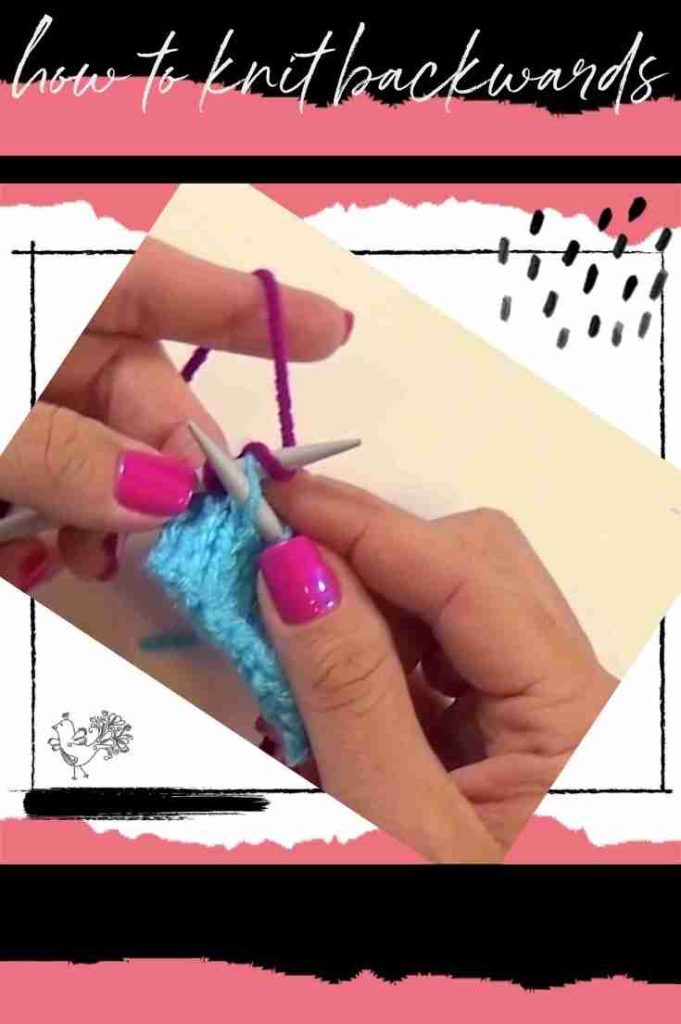
What Does It Mean To Knit Backwards?
You work with both of your hands in knitting, right? So what does it even mean to learn how to knit backwards? It simply means that you're going to knit across the row in the opposite direction from what you normally do.
For example, right handed knitters generally knit from right to left. Think about it; you're reaching your right hand needle on to your let hand needle and bringing the work over from the right side to the left. So, obviously, knitting backwards means knitting from the left to the right. (The opposite would be the case for left-handed knitters.)
Why Would You Want To Learn How to Knit Backwards?
Learning how to knit backwards offers a few key benefits. The main reason that you benefit from learning it is that it means that you never need to turn your work when you're knitting. Sometimes turning your work is confusing. Sometimes it's inconvenient. Even when it's not, you can probably knit faster if you learn how to knit backwards so that you never have to turn your work.
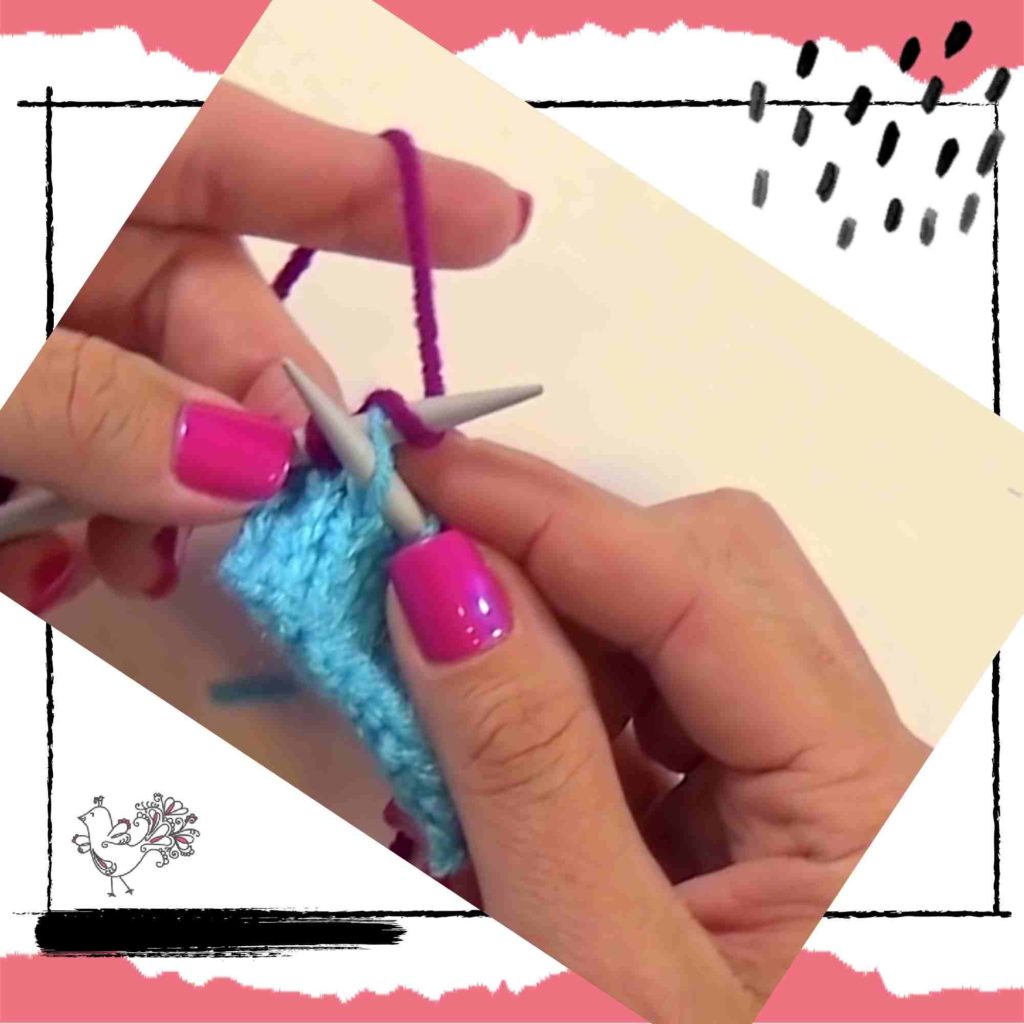
So, for example, let's say that you're working stockinette stitch. You would typically work from right to left for your knit row. Then you would turn your work and work right to left for your purl row. INSTEAD, you can work the knit row as normal. Then you can work the purl row from left to right. Note two important things:
- You'll work off of the stitches on the right needle, bringing them to the left needle.
- You will KNIT NOT PURL this row. Purl stitches are the reverse of knit stitches. Since you're working backwards across the row on the same side of the work, you do not purl. You knit.
Therefore, you can knit backwards to create stockinette fabric without ever having to turn your work. This is great for people who love knit stitch but have a harder time with purl stitch.
Other Times to Use Knitting Backwards
Knitting backwards is also commonly used in entrelac knitting. Again, it's because it's more convenient in this instance to work backwards than to keep turning your work. After all, those rows are short and it's annoying to keep turning it again and again. Similarly, you might do this when working short rows around shoulder seams. So, it's a good skill to learn.
Learning Backwards Knitting Is Good For Your Brain
Moreover, learning new things in knitting is good for your brain. If you're accustomed to knitting a specific way, then you go into autopilot. There's nothing wrong with that. In fact, it can induce a meditative state that's really great for you. However, you should also make it a point to challenge yourself with new things in knitting. This stretches your brain. It helps light up new neural pathways. It keeps you learning and growing. Knitting is a safe space to practice new things. And learning how to knit backwards could be one of those things for you.
Knitting Backwards Made Easy
Here's how to do it:
Did you try it? Tell us about your experience!
You Might Also Like:
- Entrelac Knit Cowl Free Pattern
- BiCrafty Bootcamp: Knitting Lessons for Crocheters
- Striped Stockinette Knit Hat Free Pattern
- Fisherman's Rib Stitch Three Ways
Frequently Asked Questions
What does “knitting backwards” mean?
Knitting backwards means knitting from left to right instead of the usual right to left… essentially working the return row without turning your work. Instead of turning your knitting and working back across, you knit the stitches from the other end using a mirror-image motion. The result is identical stitches but you never flip the work. This is particularly useful for short row techniques, for certain applied i-cord methods, and for projects where constantly turning is cumbersome.
Why would I want to knit backwards?
Several practical applications! For short row work, knitting backwards on the return rows eliminates the turning motion and keeps everything facing the right direction. For applied i-cord edging, backwards knitting allows continuous cord attachment without turning. For entrelac, backwards knitting on some squares avoids the flip-turn-flip rhythm. And some knitters find that working flat projects without turning actually improves their tension consistency. It's one of those techniques you don't know you need until you try it… then it becomes part of your regular toolkit.
Is knitting backwards hard to learn?
It takes about 10-15 minutes to learn! The motion is basically a mirror image of regular knitting… you're inserting the needle from the opposite direction and wrapping the yarn the other way. It feels very unnatural at first because your hands have established strong “regular knitting” muscle memory. But with practice and video support showing the exact hand position, most knitters get it within one short session. Having it available as a tool expands your knitting capabilities significantly.
What's the difference between knitting backwards and Continental vs. English style?
Continental and English describe where you hold the working yarn (left hand vs. right hand). Knitting backwards is about the direction you're working… right to left instead of left to right, regardless of which yarn-holding style you use. You can knit backwards in Continental style (yarn in left hand) or English style (yarn in right hand). They're completely separate techniques that can be combined in any combination that works for you.
Will knitting backwards create the same fabric as regular knitting?
Yes! When done correctly, backwards knitting creates exactly the same stitches as regular knitting… the fabric is identical. The stitch structure, gauge, and appearance should be the same. If you notice a difference in your backwards knitting vs. regular, it's usually a tension issue (the new motion feels different, so tension changes temporarily) or the yarn is wrapping in the wrong direction (which creates twisted stitches). Video tutorials show the exact yarn direction to ensure your backwards stitches match your regular ones.
Pro Tips for Mastering Backwards Knitting
Okay, so you've watched the video and you're ready to give this a go. Here's what I want you to know before you start… backwards knitting feels weird at first, and that's totally normal! Your hands are used to working in a specific pattern. Give yourself grace as you're learning.
Start with a simple project using worsted weight yarn and a size US 8-10 needle. Thicker yarn and larger needles are way more forgiving than fingering weight while you're building this new muscle memory. I'd recommend practicing on a swatch before jumping into a full project… trust me, it'll boost your confidence!
Pattern Projects Perfect for Backwards Knitting
- Simple stockinette blankets or afghans (maximum turning-around eliminated!)
- Our Entrelac Knit Cowl … it's literally designed with backwards knitting in mind
- Seamless sweaters with short row shaping at the shoulders
Quick Troubleshooting
If your backwards row feels tighter than your forward rows, you're probably tensioning too hard. Relax those hands! It takes practice to find that rhythm. And remember… returning to basics with your knit and purl fundamentals can really help too.